Weber Genesis II Review
Weber Genesis II 300 Series Review: Still Worth Buying Used?
The Genesis II 300 Series can still be one of the best used Weber gas grill buys, but only if the burners, flavorizer bars, grates, igniter, regulator, grease system, frame, and cookbox pass inspection. This Weber Genesis II review and Weber Genesis II 300 Series review covers the E-310, E-315, E-335, S-310, and S-335 — used pricing, replacement parts, and Genesis II vs current Genesis — so you can buy with confidence.
Best used value
Genesis II E-335
Best simple 3-burner
Genesis II E-310
Best stainless look
Genesis II S-335
Biggest used-buying risk
Worn burners & flavorizer bars
Best reason to buy
Premium Weber platform at used pricing
Skip if
Frame, cookbox, or major parts damaged
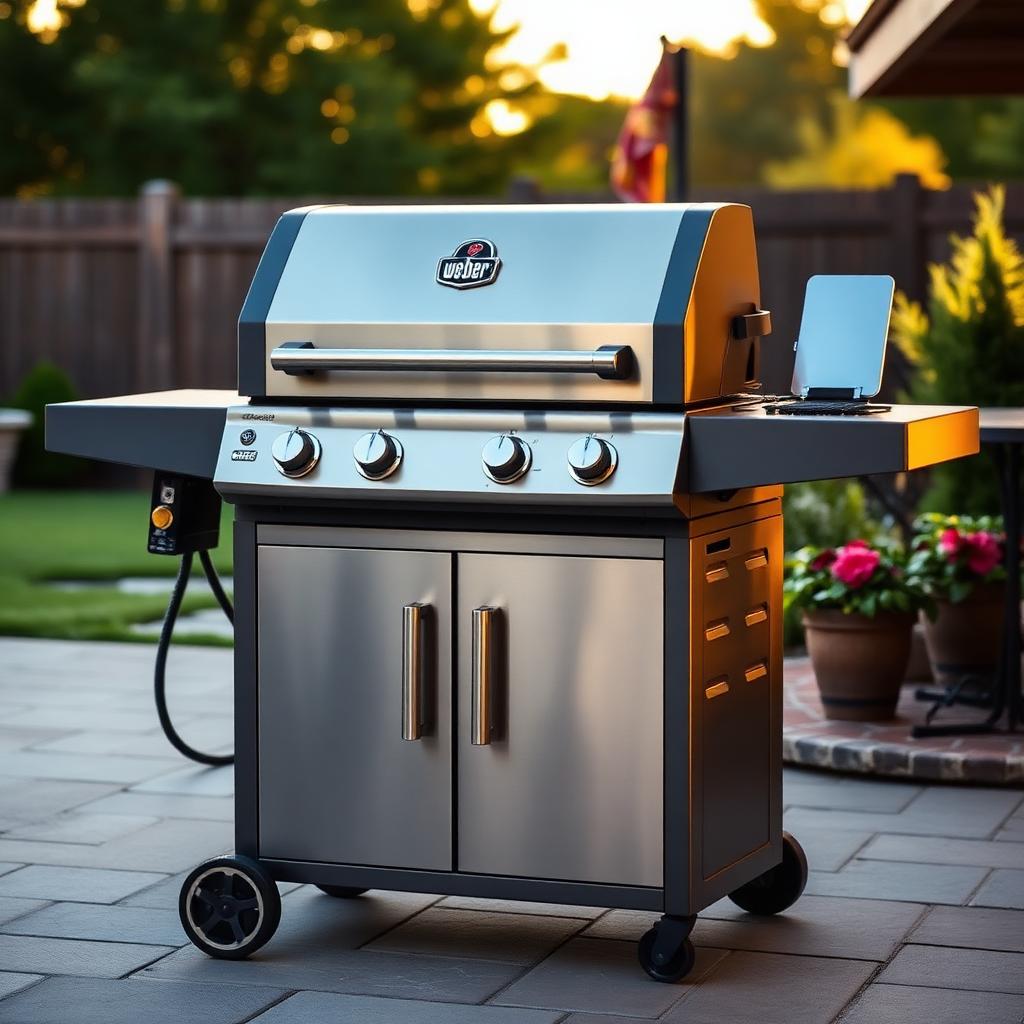
2017–2022 Weber flagship. Discontinued but still excellent. GS4 grilling system. 10-year warranty.
Important note
The Genesis II line was discontinued in 2022. Weber replaced it with the current Genesis redesign — Genesis E-325s, E-335, EX-325s, SX-325s, and SE-325/335. If you already own a Genesis II, this review gives you the complete picture of your grill plus parts resources. If you're shopping new, consider the current Genesis lineup. If you're shopping used, Genesis II models at 40-60% off original MSRP can be outstanding values — just verify cooking grate condition and burner tube integrity before purchasing.
Quick Answer
Quick verdict: is the Weber Genesis II 300 Series still worth buying?
Yes — in clean condition, at the right price, after a careful inspection. Here's the fastest way to choose:
- Buy Genesis II E-335 if you want the best used feature set — sear burner, side burner, full GS4 platform — at a real discount off original MSRP.
- Buy Genesis II E-310 if you want the simplest, lowest-cost Genesis II and don't need sear or side burner.
- Buy Genesis II S-335 if stainless finish and premium look matter and the price reflects condition, not just trim.
- Buy current Genesis if you want a fresh 10-year warranty, current model support, and Weber Crafted accessory compatibility.
- Buy a new Weber Spirit if you want simpler new-grill ownership for less money and don't need Genesis-level features.
- Skip any used Genesis II if burners, grates, flavorizer bars, igniter, regulator, and grease tray all need replacing at once.
Side-by-side
Weber Genesis II 300 Series models compared
The fastest way to see how the E-310, E-315, E-335, S-310, and S-335 line up against each other and against the current Genesis.
Genesis II E-310
- Best for:
- Simple 3-burner value
- Burners:
- 3 main burners
- Grate/lid:
- Cast iron grates · porcelain lid
- Used appeal:
- Cheapest Genesis II used
- Watch out:
- Don't overpay over $600 used
- Parts:
- Common parts widely available
- Verdict:
- Strong value pick
Genesis II E-315
- Best for:
- Sear burner without paying for side
- Burners:
- 3 main + sear
- Grate/lid:
- Cast iron grates · porcelain lid
- Used appeal:
- Middle ground — uncommon used
- Watch out:
- Often priced like an E-335
- Parts:
- Same parts as E-310 + sear burner
- Verdict:
- Only at the right price
Genesis II E-335
- Best for:
- Full-feature used Genesis II
- Burners:
- 3 main + sear + side
- Grate/lid:
- Cast iron grates · porcelain lid
- Used appeal:
- Most desirable used pick
- Watch out:
- Sear and side burner condition
- Parts:
- All parts available
- Verdict:
- Top used pick
Genesis II S-310
- Best for:
- Stainless look, no sear/side
- Burners:
- 3 main burners
- Grate/lid:
- Stainless rod grates · stainless lid
- Used appeal:
- Niche — premium for looks
- Watch out:
- Cosmetic stainless ≠ healthy internals
- Parts:
- Stainless rod grate replacement differs
- Verdict:
- Only if stainless matters
Genesis II S-335
- Best for:
- Stainless flagship feature set
- Burners:
- 3 main + sear + side
- Grate/lid:
- Stainless rod grates · stainless lid
- Used appeal:
- Most expensive used Genesis II
- Watch out:
- Premium pricing — verify condition
- Parts:
- Full parts availability
- Verdict:
- Best if you want stainless + features
Current Genesis E-325s (for reference)
- Best for:
- New buyers who want warranty
- Burners:
- 3 main + sear zone
- Grate/lid:
- Cast iron grates · porcelain lid
- Used appeal:
- Fresh 10-year warranty
- Watch out:
- Higher price than used Genesis II
- Parts:
- Current-gen parts in production
- Verdict:
- Best if you want new
Match yourself
Best Weber Genesis II model by buyer type
Best overall used buy
Genesis II E-335
Full sear burner + side burner feature set on the GS4 platform. The most common Genesis II on the used market and the easiest to justify if the condition is solid.
- Inspect:
- Sear burner ignition, side burner, all 3 main burner tubes, flavorizer bars.
- Parts note:
- Burners, flavorizer bars, igniter kit, grates all readily available.
- Warning:
- Don't overpay for cosmetic-only stainless trim — cooking is the same as E-310.
Best simple value
Genesis II E-310
Same GS4 burners, grates, flavorizer bars, and cookbox as the rest of the line — without sear or side burner cost. The cheapest way into a Genesis II.
- Inspect:
- Main burner tubes, flavorizer bars, grate condition, regulator hose.
- Parts note:
- Fewest parts to maintain — no sear or side burner to fail.
- Warning:
- Skip if seller is asking E-335 money for an E-310.
Best stainless look
Genesis II S-335
Stainless lid and cart with the full E-335 feature set. The most expensive used Genesis II, but the cleanest visual upgrade.
- Inspect:
- Stainless rod grates, lid hinge, side burner, sear burner.
- Parts note:
- S-series grates are stainless rod — different replacement than E-series cast iron.
- Warning:
- Stainless exterior does not mean perfect internals. Always inspect burners.
Best if you want fewer parts to maintain
Genesis II E-310 or E-315
Fewer burners and no side burner = fewer wear items. Easier long-term ownership.
- Inspect:
- Main burners, flavorizer bars, grease tray, igniter battery.
- Parts note:
- Standard 3-burner replacement kits cover most issues.
- Warning:
- Don't pay a premium for the E-315 if you don't want the sear burner.
Best if you want searing
Genesis II E-335 or S-335
Dedicated sear burner hits 600°F+ for steakhouse crusts. Worth the price jump if you sear regularly.
- Inspect:
- Sear burner ignition reliability and tube condition.
- Parts note:
- Sear burner is a separate replacement part — confirm availability before buying.
- Warning:
- If the sear burner is dead and the seller hasn't priced it in, walk.
Best clean local deal
Whichever has the best condition-to-price ratio
A spotless E-310 from a one-owner garage often beats a beat-up E-335. Condition usually matters more than model.
- Inspect:
- Full visual inspection — frame, cookbox, burners, grates, hose.
- Parts note:
- Lower price + clean condition = less parts budget needed.
- Warning:
- Don't anchor to a model name. Anchor to total cost after parts.
Model deep dive
Weber Genesis II E-310 review
The Genesis II E-310 is the simplest model in the lineup — three GS4 burners, no sear burner, no side burner. It's best for buyers who want the Genesis II platform at the lowest used price and don't need extra features.
What it lacks: no dedicated sear burner and no side burner. Cast iron grates on the standard model, not stainless rod.
Used-market appeal: the most common Genesis II on Facebook Marketplace and Craigslist. The cheapest way into the line if condition is solid.
Inspect: the three main burner tubes, flavorizer bars, grates, igniter, regulator hose, and grease tray.
Buy when: the price is right, condition is good, and you don't need sear or side burner features. Skip when: the seller is asking E-335 money for an E-310.
Weber Genesis II E-315 review
The E-315 sits between the E-310 and E-335 — same three main burners as the E-310, plus a dedicated sear burner, but no side burner. It's a niche pick that only makes sense if the price reflects that middle ground.
Value angle: sear burner without paying for the side burner.
Common buyer profile: steak-focused cooks who don't need a side burner.
Inspect: the sear burner ignition and tube, plus all the standard E-310 items.
Weber Genesis II E-335 review
The E-335 is usually the best used Genesis II pick. It adds the dedicated sear burner and a side burner on top of the standard GS4 platform, which is the feature set most buyers actually want.
Sear and side burner value: the sear burner hits 600°F+ for steakhouse crusts, and the side burner is genuinely useful for sauces, cast iron sides, and finishing dishes outdoors.
Parts and condition checklist: verify the sear burner and side burner ignition, all three main burners, flavorizer bars, grates, regulator, igniter, and grease system before buying.
When it's worth paying more: when the grill is clean, lightly used, and you'll actually use the sear and side burner. Otherwise step down to an E-310 and save money.
Weber Genesis II S-310 and S-335 review
The S-series models swap porcelain-enameled steel for stainless lid and cart panels and use stainless rod cooking grates instead of cast iron. The S-310 is the simple 3-burner stainless variant; the S-335 mirrors the E-335 feature set in stainless.
Who should buy: buyers who specifically want a stainless Weber gas grill aesthetic and are willing to pay a premium for it.
Are S models worth more used? Usually yes, but only if the stainless is in honest condition. Surface scratches and minor staining are normal; structural damage is not.
Inspect: stainless rod grates for sagging, lid panels for warping, plus the standard E-series checklist.
Generation comparison
Weber Genesis II vs current Genesis: which should you buy?
If you're trying to choose between a used Weber Genesis II and a new current Genesis, here's how the two generations line up.
| Category | Genesis II 300 Series | Current Genesis | Winner | Why it matters |
|---|---|---|---|---|
| New availability | Discontinued (2022) | In production | Current Genesis | Only the current Genesis is available new. |
| Used value | Strong — 40–55% off MSRP | Limited used supply | Genesis II | Genesis II has years of depreciation; current Genesis doesn't yet. |
| Cooking space | 513 sq in primary | Updated layout, similar primary | Tie | Real-world cooking capacity is similar. |
| Sear features | Sear burner on E-315/E-335/S-335 | Sear zone integrated | Tie | Both can produce steakhouse sears. |
| Parts availability | Wide OEM + aftermarket | Full current parts | Tie | Both grills are very repairable. |
| Warranty | Remaining warranty (if any) on used | Fresh 10-year clock | Current Genesis | New buyers get the full warranty. |
| Smart features | None on most variants | Some models integrate Weber Connect | Current Genesis | Newer models offer smart options. |
| Cart / design | 2017–2022 enclosed cart | Updated frame, Weber Crafted compatible | Current Genesis | Newer cart accepts modern accessories. |
| Repairability | Excellent — proven parts pipeline | Excellent — current production | Tie | Both are easy to maintain long-term. |
| Best buyer | Used-market value shopper | New buyer wanting warranty | Tie | Different buyers, different right answer. |
Balanced verdict: Genesis II is better for buyers who want premium Weber gas grill value on the used market. Current Genesis is better for buyers who want a new warranty, current model support, and the latest Weber design.
Cross-reference: see our Weber Genesis 325s review, Weber Spirit vs Genesis, Weber Genesis vs Summit, and when Weber grills go on sale.
Inspection list
Used Weber Genesis II buying checklist
Run through every item before you commit. The right used Genesis II is a great buy — but only after a careful inspection.
- Check the model number and Genesis II generation
- Inspect burner tubes for rust-through, holes, or warped ports
- Inspect flavorizer bars for warping, holes, or coating damage
- Inspect cooking grates for rust, cracks, or missing coating
- Test the Infinity Ignition — should light on first press
- Check the regulator and hose for cracks, kinks, or odor
- Inspect the grease tray and slide-out catch pan
- Check the cast aluminum cookbox for cracks or heavy corrosion
- Check frame, cart panels, and wheels for rust
- Inspect the lid for warping, hinge damage, or paint failure
- Test wheels and casters — they fail more often than people expect
- Test the side burner (E-335 / S-335) ignition and flame
- Test the sear burner (E-315 / E-335 / S-335) ignition and flame
- Confirm propane vs natural gas — they are not field-convertible
- Estimate replacement parts cost before making an offer
Warning: a cheap used Genesis II is not a good deal if it needs burners, grates, flavorizer bars, igniter, regulator, and grease tray all at once. Tally the parts cost before you make an offer.
Helpful guides: Weber replacement parts guide, Weber Genesis parts hub, Genesis burner tubes, Genesis flavorizer bars, and grill igniter troubleshooting.
Parts that matter
Weber Genesis II replacement parts that matter most
Genesis II 300 Series replacement parts — including E-310, E-335, and S-335 replacement parts — remain widely available. These are the parts that actually fail and the ones worth budgeting for.
Burner tubes
- What fails:
- Rust-through, uneven flame, dead ports
- How to inspect:
- Lift grates and flavorizer bars; look for visible holes.
- When to replace:
- Replace as a set if any tube shows damage.
Flavorizer bars
- What fails:
- Warping, holes, coating loss
- How to inspect:
- Pull out and inspect both sides.
- When to replace:
- Replace as a set every 5–10 years.
Cooking grates
- What fails:
- Rust, coating loss, cracked cast iron
- How to inspect:
- Look for rust under the cooking surface.
- When to replace:
- Replace when food sticks badly or rust is severe.
Igniter kit
- What fails:
- Battery, electrode, or wiring failure
- How to inspect:
- Press igniter and listen for spark at every burner.
- When to replace:
- Replace the kit if multiple burners won't light.
Regulator hose
- What fails:
- Cracks, gas leaks, low flame
- How to inspect:
- Bubble test with soapy water and check for cracking.
- When to replace:
- Replace immediately on any sign of damage.
Grease tray and catch pan
- What fails:
- Corrosion, missing liners
- How to inspect:
- Pull the tray and inspect channels.
- When to replace:
- Replace if rusted through.
Control knobs
- What fails:
- Cracking, loose fit
- How to inspect:
- Wiggle each knob — should turn cleanly.
- When to replace:
- Replace damaged knobs to avoid gas-valve issues.
Warming rack
- What fails:
- Rust, coating loss
- How to inspect:
- Lift and inspect underside.
- When to replace:
- Replace if heavily rusted.
Thermometer
- What fails:
- Stuck needle, inaccurate readings
- How to inspect:
- Cross-check with an instant-read thermometer.
- When to replace:
- Replace if reading is off by more than 25°F.
Wheels and casters
- What fails:
- Cracked plastic, missing hardware
- How to inspect:
- Roll the cart and check play.
- When to replace:
- Replace pairs at a time.
Grill cover
- What fails:
- Tearing, UV damage
- How to inspect:
- Check seams and fit.
- When to replace:
- Replace to protect a used Genesis II investment.
Price + repair math
How much should you pay for a used Weber Genesis II?
Local used prices vary widely. Condition matters more than the model name on the lid. Always estimate replacement parts cost before agreeing on a price. A clean E-335 or S-335 may justify more than a neglected E-310, and burners, flavorizer bars, grates, igniter, regulator, and a new cover all add up.
| Condition | What it means | Buyer action | Repair cost risk | Recommendation |
|---|---|---|---|---|
| Excellent | Clean, recent use, all burners and igniter working, no rust | Offer near top of local market for the model | Low — minor consumables only | Worth paying for |
| Good | Used but maintained, minor wear, all systems work | Offer mid-market with a small parts budget | Moderate — flavorizer bars or grates likely | Solid buy at the right price |
| Fair | Visible wear, one or two parts need replacement | Offer below market and budget for parts | Higher — burners + flavorizer bars likely | Only if total cost beats new Spirit |
| Parts-needed | Multiple issues — burners, igniter, grates all worn | Lowball or pass | High — full refresh required | Skip unless near-free |
| Avoid | Cracked cookbox, rusted frame, bad regulator with damage | Walk away | Repair cost exceeds value | Not worth saving |
Three-way decision
Genesis II vs Weber Spirit vs current Genesis
Used Genesis II
Often a better value than a new Spirit if condition is excellent. Best for buyers comfortable inspecting and replacing parts.
New Weber Spirit
Safer for buyers who want a fresh warranty and simpler new-grill ownership at a lower upfront price.
Current Genesis
Best for buyers who want new premium Weber gas grill support, updated design, and Weber Crafted accessory compatibility.
See: Weber Spirit vs Genesis, Weber Spirit E-215 review, Weber Spirit 310 vs 315, Weber Genesis 325s review, and best gas grills.
Don't do this
Mistakes to avoid when buying a Weber Genesis II
- Buying by model name alone instead of inspecting condition
- Ignoring the cost of replacement parts in your total budget
- Not confirming propane vs natural gas before purchase
- Overpaying for a neglected grill because it's stainless
- Ignoring rust inside the cart, behind the doors, and on the frame
- Missing cracked hoses, dry-rotted seals, or a bad regulator
- Assuming a stainless exterior means perfect internal condition
- Forgetting delivery, transport, and lifting effort in the cost
- Not checking the model number to confirm the generation
- Buying without testing ignition, every burner, and the side burner
- Ignoring grease tray condition and the catch pan rails
Shop the parts
Weber Genesis II parts and accessories worth checking
Genesis II burner tubes
Check on AmazonGenesis II flavorizer bars
Check on AmazonGenesis II cooking grates
Check on AmazonGenesis II igniter kit
Check on AmazonWeber regulator hose
Check on AmazonGrease tray and drip pans
Check on AmazonWeber grill cover (Genesis II 300)
Check on AmazonGrill brush (bristle-free)
Check on AmazonGrill cleaner
Check on AmazonInstant-read thermometer
Check on AmazonOverall Score
The Verdict
The Genesis II 300-series was Weber's best gas grill lineup through 2022 — genuinely excellent build quality, reliable GS4 grilling system, and comprehensive 10-year warranty. Discontinued in 2022 but still an outstanding value if you find one used or already own one. Current Genesis E-325s and E-335 models are the direct replacements; similar capability with updated design.
Build Quality
9.5/10
Cook Performance
9/10
Value for Money
8.5/10
Versatility
9/10
The Lineup
Genesis II 300 Series: All 5 Variants Compared
Weber offered 5 variants of the Genesis II 300 series, separated by features and original MSRP. Here's what actually distinguished each model.
Baseline (2017–2022)
Weber Genesis II E-310
$899 new
$400–600 used
- •3 tapered-quadrangle burners (GS4)
- •39,000 BTU total
- •513 sq in primary + 156 sq in warming rack
- •Porcelain-enameled cast iron grates
- •Porcelain-enameled lid (black, red, or copper)
- •Infinity Ignition with 10-year warranty
- •NO sear burner, NO side burner
- •Enclosed cart with doors
Who it was for:
The value-positioned Genesis II. Best for buyers who wanted the GS4 grilling system without paying for sear burner or side burner. The most common Genesis II variant on the used market today.
Sear Upgrade (2019–2022)
Weber Genesis II E-315
$999 new
$500–700 used
- •Same 3 burners as E-310
- •PLUS dedicated sear burner (9,000 BTU)
- •513 sq in primary + 156 sq in warming rack (same)
- •Porcelain-enameled cast iron grates
- •Porcelain-enameled lid (black)
- •Infinity Ignition + 10-year warranty
- •YES sear burner, NO side burner
- •Enclosed cart with doors
Who it was for:
Buyers who wanted the sear burner but not the side burner. $100 more than E-310 at retail. Decent middle-ground choice but most buyers stepped up to E-335 for the side burner too.
Stainless Baseline
Weber Genesis II S-310
$1,099 new
$550–750 used
- •Same 3 burners as E-310
- •STAINLESS STEEL body and lid
- •Stainless steel rod cooking grates (not porcelain cast iron)
- •513 sq in primary + 156 sq in warming rack
- •Infinity Ignition + 10-year warranty
- •NO sear burner, NO side burner
- •Enclosed stainless cart with doors
Who it was for:
Buyers who wanted a full stainless aesthetic without sear/side burners. $200 premium over E-310 for pure cosmetic upgrade (stainless doesn't cook better than porcelain-coated steel).
Fully Loaded (2019–2022)
Weber Genesis II E-335
$1,299 new
$700–900 used
- •3 main burners + sear burner + side burner
- •60,000 BTU total (with all burners)
- •513 sq in primary + 156 sq in warming rack
- •Porcelain-enameled cast iron grates
- •Porcelain-enameled lid (black, red, copper)
- •Infinity Ignition + 10-year warranty
- •BOTH sear burner AND side burner
- •Fully enclosed cart with doors
Who it was for:
The flagship Genesis II 300-series. Most-purchased variant because it delivered the complete feature set — main burners, sear burner for steaks, side burner for sauces. Best overall value if bought during sales ($1,099–1,199).
Stainless Flagship
Weber Genesis II S-335
$1,499 new
$800–1,100 used
- •Same features as E-335
- •STAINLESS STEEL body and lid
- •7mm stainless steel rod cooking grates (9mm on Special Edition)
- •513 sq in primary + 156 sq in warming rack
- •Infinity Ignition + 10-year warranty
- •Both sear burner AND side burner
- •Fully enclosed stainless cart with doors
Who it was for:
Top-of-line Genesis II. $200 premium over E-335 for stainless construction. Cooking performance identical to E-335 but the stainless aesthetic appeals to certain buyers. Best on the used market if you specifically want stainless.
If you're choosing between Genesis II variants on the used market in 2026, the E-335 is the sweet spot — full feature set, most common on Facebook Marketplace, typical prices $700-900 for grills in good condition (saving 40-45% off original MSRP). The S-335 is worth a $150-200 premium only if you specifically want stainless. The E-310 and E-315 are perfectly fine if you don't need sear or side burners; don't pay more than $600 used.
Core Technology
Understanding the GS4 Grilling System (The Genesis II's Claim to Fame)
The GS4 "High Performance Grilling System" was Weber's best technology from 2017-2022 and the core reason Genesis II grills command used-market premiums today.
GS4 stands for the four integrated components Weber engineered to work together: (1) Infinity Ignition, (2) tapered high-performance burner tubes, (3) stainless steel flavorizer bars, and (4) redesigned grease management. Each component was an upgrade over the previous Genesis generation.
Infinity Ignition
Single battery-powered electronic ignitor that lights all burners simultaneously with one knob press. Replaces older individual-burner ignition systems. Weber backed it with a 10-year warranty — highly reliable. The Infinity Ignition is what most Genesis II owners still cite as their favorite GS4 feature.
Tapered-Quadrangle Burners
Geometrically-unique burner tubes — tapered from front to back — that maintain consistent gas pressure and flame from the near end to the far end. Before GS4, older Weber burner tubes had noticeably hotter zones near the gas valve. The tapered design produces dramatically more even heat distribution across the cooking surface.
Stainless Flavorizer Bars
Stainless steel flavorizer bars (vs porcelain-enameled steel on older Weber grills) that last 10+ years without the coating chipping or flaking. This single upgrade doubled or tripled flavorizer bar lifespan — a genuine Genesis II advantage that still matters today.
Grease Management System
Redesigned grease tray under the center of the cook box (rather than off-center on older Weber gas grills). Slide-out catch pan with disposable aluminum liner. Cleaner operation, fewer grease fires, easier cleanup than previous-generation Weber gas grills.
The GS4 system is still considered one of Weber's best grilling systems. The current Genesis redesign (E-325s, E-335) continues to use GS4 with only minor refinements. If you own a Genesis II 300-series grill, you own the GS4 system in its original, fully-proven form — not an outdated generation.
At a Glance
Genesis II 300 Series Pros and Cons
The honest assessment across all 5 variants. Features vary by specific model; these apply to the lineup overall.
Pros
What the Genesis II 300 Series Got Right
- GS4 grilling system — industry-leading heat distribution and ignition reliability
- 10-year warranty across Infinity Ignition, burners, lid, cook box
- 513 sq in primary cooking area handles 6-8 person cooks easily
- Enclosed cart with doors provides storage for propane tank and tools
- Stainless steel flavorizer bars last 10+ years (vs 3-5 on older porcelain bars)
- Genuinely excellent build quality — cast aluminum cook box, heavy construction
- Available in multiple colors (black, red, copper) on E-series variants
- Sear burner on 315/335 variants hits 600°F+ for steakhouse-quality sears
- Side burner on 335 variants is genuinely useful for sauces, vegetables, cast iron cooking
- Used market value remains strong due to quality and 10-year warranty transfer
Cons
Where the Genesis II 300 Series Fell Short
- Discontinued in 2022 — no new Genesis II available at retail anymore
- Enclosed cart design means propane tank swaps require opening doors (small hassle)
- Porcelain grates on E-variants can chip if cleaned aggressively with wire brushes
- Side tables are functional but not as large as some competitors (Char-Broil, Nexgrill)
- Original Infinity Ignition can need battery replacement every 2-3 years (minor)
- Current Genesis replacement (E-325s, E-335) has some design differences owners may prefer
- No infrared rear burner at this tier — Genesis Summit models added that feature
- 9mm stainless grates only on Special Edition S-series (standard S-grates are 7mm)
Performance
How the Genesis II 300 Series Actually Cooks
GS4 grilling system delivered specific performance characteristics. Here's what ownership has looked like across the lineup.
1. Primary Cooking (39,000 BTU, 513 sq in)
The three tapered burners produce approximately 39,000 BTU combined — sufficient for fast preheat (9-10 minutes to 500°F) and maintaining high temperatures across the full 513 sq inch primary grate. Heat distribution edge-to-edge is within ~10°F — best-in-class for a 3-burner gas grill and meaningfully better than pre-GS4 Weber grills (which had 15-20°F variation). Burgers cooked on the edges finish at essentially the same time as burgers cooked in the middle.
2. Sear Burner (E-315, E-335, S-335)
The dedicated sear burner on 315 and 335 variants delivers 9,000 BTU concentrated over a small area. Combined with the main burners running high, this zone reaches 700°F+ surface temperatures — steakhouse territory. Capable of producing dark crusts on thick ribeyes within 90 seconds per side. The sear burner is the single biggest feature upgrade over the base E-310.
3. Side Burner (E-335, S-335)
12,000 BTU side burner designed for cast iron cookware, sauce pots, or direct high-heat cooking outside the main cook box. Genuinely useful for deglazing pans for steak sauces, warming side dishes, or outdoor paella cooking. The feature that most meaningfully separated the 335 tier from the 315 tier.
4. Low-Temperature Capability
With just one main burner on lowest setting, Genesis II 300-series grills held 225°F for extended indirect cooking. Not a dedicated smoker but capable of ribs, pulled chicken, and light smoking applications. The GS4 grease management prevented flare-ups better than older Weber grills, making low-and-slow cooks more reliable.
5. Long-Term Reliability
Genesis II grills from 2017-2022 are routinely still in daily use in 2026. The GS4 system has proven itself over 7-9 years of real-world operation. Most common failure points: ignition battery (every 2-3 years), porcelain chip damage (preventable with bristle-free brushes), and occasional flavorizer bar replacement (every 10+ years for stainless; more often if accidentally using wire brushes). The cook box, burners, and Infinity Ignition module typically last 15+ years without major issues.
The Specs
Genesis II 300 Series Key Specs (Lineup Overview)
Full spec sheet across the Genesis II 300-series lineup. Variant-specific differences noted in rows.
- Configuration
- 3-burner mid-premium gas grill (variants add sear burner and/or side burner)
- Production Years
- 2017–2022 (entire Genesis II line discontinued 2022)
- Variants Covered
- E-310, E-315, S-310, E-335, S-335
- Main Burners
- 3 tapered-quadrangle stainless steel (GS4)
- Total BTU (main)
- 39,000 BTU/hr
- Sear Burner
- 9,000 BTU (E-315, E-335, S-335 only)
- Side Burner
- 12,000 BTU (E-335, S-335 only)
- Primary Cooking Area
- 513 square inches
- Warming Rack
- 156 square inches
- Total Cooking Area
- 669 square inches
- Hamburger Capacity
- 20+ standard burgers
- Cooking Grates
- Porcelain-enameled cast iron (E) or 7mm stainless rod (S)
- Flavorizer Bars
- Stainless steel (Weber 66795, set of 5)
- Cook Box Material
- Cast aluminum
- Lid Material
- Porcelain-enameled steel (E) or 304 stainless (S)
- Ignition
- Infinity Ignition (battery-powered, single press)
- Cart
- Enclosed with doors (propane storage)
- Original MSRP Range
- $899 (E-310) to $1,499 (S-335)
- Current Used Market
- $400–$1,100 depending on variant and condition
- Warranty
- 10-year (Infinity Ignition, burners, lid, cook box)
Used Market Guide
Should You Buy a Used Genesis II 300 Series in 2026?
With Genesis II discontinued since 2022, the used market is where most shoppers encounter these grills. Here's the honest assessment.
Used Genesis II 300-series grills at 40-55% off original MSRP can be outstanding values. A 3-year-old E-335 that sold for $1,299 new often lists for $700-900 on Facebook Marketplace. The 10-year Weber warranty transfers with the grill (with original purchase documentation), meaning you could still have 4-7 years of warranty coverage on a used purchase.
What to check when buying used:
Inspect before buying
- Lift the grates and check burner tubes for rust, holes, or severe corrosion
- Inspect flavorizer bars for warping (replace-worthy if warped)
- Check the porcelain cook box for major chips exposing bare metal
- Test the Infinity Ignition (lights on first press?)
- Verify all control knobs rotate smoothly
- Check the sear burner (335 variants) fires reliably
- Look for rust on the cart base and wheels
- Ask for original purchase documentation for warranty transfer
What you can fix vs what to walk away from
- FIXABLE: Battery replacement, flavorizer bar replacement, ignition module replacement, burner tube replacement, regulator hose replacement
- FIXABLE: Porcelain chips (cosmetic), minor surface rust (clean + paint), missing grease pan liner
- WALK AWAY: Cracked cast aluminum cook box (not repairable), major lid warping, missing igniter module on rare variants, severe rust on firebox interior
Typical all-in cost for a used Genesis II E-335: $700-900 purchase + $150-300 in replacement parts (new flavorizer bars, ignition battery, burner tube kit if needed) = $850-1,200 total. Compare that to a new Genesis E-335 at $1,299 MSRP — the used route saves $100-400 AND you get the proven GS4 system that some buyers prefer over the 2022 redesign.
Then vs Now
Genesis II 300 Series vs Current Genesis E-325s/E-335
Weber replaced the Genesis II lineup in 2022. Here's how the old and new generations compare for anyone choosing between them.
Discontinued 2022
Genesis II E-310/E-335
$899–1,299 new (2017–2022)
Used: $400–900
- •3 tapered-quadrangle burners (39,000 BTU)
- •513 sq in primary + 156 sq in warming rack
- •GS4 grilling system (original)
- •10-year warranty
- •Enclosed cart, porcelain or stainless body
- •Multiple color options
Buy used if:
You want the proven GS4 system at a 40-55% discount. You're comfortable with used-market inspection. You don't need the 2022 redesign's visual aesthetic.
Current 2026 Lineup
Genesis E-325s / E-335
$899–1,299 new MSRP
Fresh warranty
- •3 tapered burners (similar BTU output)
- •787 sq in total (primary + secondary + extra rack)
- •Updated GS4 system + Weber Crafted frame
- •10-year warranty
- •Redesigned cart with storage cabinet
- •Sear zone on 325s; side burner on 335
Buy new if:
You want Weber Crafted frame compatibility. You want a fresh warranty clock. You prefer the updated visual design. Budget allows new-grill pricing.
The core cooking experience is similar between Genesis II and current Genesis. The 2022 redesign added Weber Crafted frame (drop-in griddle, pizza stone, wok accessories), larger total cooking area with expandable secondary grate, and updated aesthetics. If you don't need Weber Crafted and can find a used Genesis II at 45-55% off, the used route delivers the same GS4 cooking quality at significantly lower cost.
Owners' Guide
Keeping Your Genesis II 300 Series Running
If you already own a Genesis II 300-series grill, here are the parts you'll need over a 10-15 year ownership.
Flavorizer Bars (5–10 year lifespan)
Genesis II 300-series uses Weber 66795 stainless steel flavorizer bars (set of 5). Stainless bars last 10+ years vs 3-5 for porcelain. Weber OEM: $70. Aftermarket 304 stainless (Hongso, BBQration): $40-50.
See Weber Flavorizer Bars →Burner Tubes (10–15 year lifespan)
Genesis II uses unique tapered-quadrangle burners (Weber 69785 or 66032 depending on variant). Replace at first sign of flame inconsistency or visible rust-through. Weber OEM: $85 per set of 3. Aftermarket: $45-65.
See Weber Burner Tubes →Ignition Module (5–10 year lifespan)
Infinity Ignition module with battery. Battery needs replacement every 2-3 years ($5 AAA battery). Full module replacement ~$45 OEM, ~$25 aftermarket. Almost always user-replaceable in 10 minutes.
See Weber Genesis Parts →Good news for Genesis II owners: replacement parts remain widely available through Weber.com, authorized dealers, Amazon, and aftermarket brands. Weber typically honors 10-year warranties on the cooking system through at least 2032 for grills purchased during the 2017-2022 production run. File warranty claims with your original purchase documentation before buying replacement parts retail.
FAQ
Weber Genesis II 300 Series Frequently Asked Questions
Is the Weber Genesis II 300 Series still worth buying?
Yes, in the right condition. The Genesis II 300 Series is discontinued, but it's still one of the strongest used Weber gas grill buys if the frame, cookbox, burners, flavorizer bars, grates, and regulator are in solid shape. The right used model at the right price often beats a brand-new budget grill.
Which Weber Genesis II 300 Series model is best?
For most used buyers, the E-335 is the best overall pick because it adds the sear burner and side burner on top of the standard GS4 platform. The E-310 is the best simple-value pick, and the S-335 is the best stainless flagship if the price reflects real condition, not just trim.
Is Weber Genesis II discontinued?
Yes. Weber discontinued the entire Genesis II lineup in 2022 when the current Genesis redesign launched. You can still find Genesis II grills on Facebook Marketplace, Craigslist, and estate sales, and replacement parts remain widely available.
Is Weber Genesis II better than the current Genesis?
It depends on what you value. The Genesis II offers stronger used-market value and proven GS4 hardware. The current Genesis offers a fresh warranty, updated design, and Weber Crafted accessory compatibility. Used Genesis II wins on value; new Genesis wins on warranty and current model support.
What's the difference between Genesis II E-310 and E-335?
E-310 is the baseline with 3 main burners, 513 sq in primary cooking, and 39,000 BTU total. E-335 adds a dedicated sear burner (9,000 BTU) AND a side burner (12,000 BTU) for a combined 60,000 BTU with additional cooking versatility. E-335 originally cost $400 more at retail ($899 vs $1,299) and typically lists $200-300 higher on the used market today. The E-335 is genuinely more capable; whether it's worth the premium depends on how often you sear steaks and use the side burner.
Is the Weber Genesis II E-335 worth it?
If you find a clean E-335 at the right price, it's usually the best used Genesis II buy. The sear burner and side burner add real cooking flexibility on top of the GS4 platform, and parts remain available. Skip it only if the seller is asking near new-Genesis pricing.
Is the Weber Genesis II E-310 worth it?
Yes, if the price reflects the simpler feature set. The E-310 has the same GS4 burners, grates, and flavorizer bars as the rest of the line without the sear or side burner cost. It's a strong pick for buyers who want a reliable Weber gas grill and don't need extra burners.
Should I buy a used Weber Genesis II?
Yes, if the grill is clean, structurally solid, and priced low enough after accounting for replacement parts. The used Genesis II market is one of the best places to get a premium Weber platform without paying full retail. Walk away if the cookbox, frame, or regulator are damaged.
What should I check before buying a used Weber Genesis II?
Check the model number, burner tubes, flavorizer bars, grates, igniter, regulator hose, grease tray, cookbox, frame, lid, wheels, side burner, and sear burner. Confirm propane vs natural gas. Estimate replacement parts cost before making an offer.
Are Weber Genesis II replacement parts still available?
Yes. Burner tubes, flavorizer bars, cooking grates, igniter kits, regulator hoses, grease trays, knobs, warming racks, and covers are all available through Weber OEM and aftermarket channels. Genesis II remains a very repairable platform.
What Weber Genesis II parts wear out first?
Flavorizer bars and burner tubes are usually first, followed by the igniter battery and electrodes. Cooking grates, regulator hoses, and grease trays follow over longer ownership. Most of these are simple DIY replacements.
How long does a Weber Genesis II last?
With basic maintenance and a few replacement parts over the years, a Genesis II 300 Series can easily run 15+ years of regular use. The cookbox, ignition module, and frame typically outlast multiple sets of flavorizer bars and burner tubes.
Is a used Genesis II better than a new Weber Spirit?
Often, yes — if the used Genesis II is in excellent condition. A clean Genesis II E-335 typically beats a new Spirit on cooking area, burner count, and overall build. A new Spirit wins on warranty simplicity, ownership ease, and lower upfront cost.
Should I buy Genesis II or current Genesis?
Buy Genesis II if you want premium Weber gas grill value at used pricing and you're comfortable inspecting condition. Buy the current Genesis if you want a fresh warranty, current model support, and Weber Crafted accessory compatibility.
How do I find my Weber Genesis II model number?
The model number and serial number are on a sticker inside the left cart door or on the back of the cart. Knowing the exact model (E-310, E-315, E-335, S-310, S-335) is essential before ordering replacement parts.
Should I buy a used Genesis II or a new Genesis in 2026?
Depends on budget and preferences. Used Genesis II at 40-55% off ($700-900 for E-335) delivers the same GS4 cooking system at significantly lower total cost, even including $200-300 in replacement parts to refresh it. New Genesis E-325s or E-335 costs $999-1,299 with fresh warranty, updated design, and Weber Crafted frame compatibility. If you don't need Weber Crafted and you're comfortable with used-market inspection, the Genesis II route often saves $400-600 for the same cooking quality.
What's the GS4 grilling system and why does it matter?
GS4 is Weber's "High Performance Grilling System" introduced with the Genesis II in 2017 and still used (with minor refinements) on the current Genesis. The four components: Infinity Ignition (reliable single-button lighting), tapered-quadrangle burner tubes (even heat distribution front-to-back), stainless steel flavorizer bars (10+ year lifespan), and redesigned grease management (fewer flare-ups, easier cleanup). GS4 was a genuine technological upgrade over the previous Genesis generation and remains excellent technology today.
What's the difference between the 300-series and 400-series Genesis II?
Burner count and cooking area. Genesis II 300-series has 3 main burners and 513 sq in primary cooking (covered in this review). Genesis II 400-series has 4 main burners and 646 sq in primary cooking — better for larger gatherings or more simultaneous cook items. Same GS4 grilling system, same construction quality, same warranty. The 400-series was $200-400 more expensive at retail.
Are Genesis II flavorizer bars interchangeable with current Genesis flavorizer bars?
Partially. The stainless steel flavorizer bars used on Genesis II (Weber 66795 for 300-series) are the same specification as current Genesis flavorizer bars in many cases. Measure your bars before ordering replacements — length should be 19.75 inches for 300-series. If the dimensions match, OEM Weber flavorizer bars will fit both product generations.
Does Weber still honor the 10-year warranty on Genesis II grills?
Yes, for original purchasers with documentation. Weber honors warranty claims on Genesis II grills through the original 10-year warranty period (ends 2027-2032 depending on purchase date). Warranty transfers to subsequent owners with original purchase documentation, though Weber is stricter about this than other brands. File warranty claims directly with Weber customer service at 1-800-446-1071.
What's the best Genesis II variant for most buyers?
E-335. Full feature set (sear burner + side burner), widely available on used market, typical used prices $700-900 for grills in good condition. Covers 90% of grilling needs from basic burgers through steakhouse sears through deglazing pan sauces. The 315 variants are acceptable if the sear burner is your priority but you don't need side burner. The 310 variants are strong values at $400-600 used if you don't need either sear or side burner.
Can Genesis II grills be converted from propane to natural gas?
Weber doesn't officially support field conversion on Genesis II grills. The orifices and regulator are different for LP vs NG. If you have a propane Genesis II and want natural gas, the conversion requires Weber-specific parts and certified installation — typically costs $150-300 plus labor if a technician will even do it. Most buyers purchase the correct fuel type from the start rather than attempting conversion.
Where can I find Genesis II replacement parts?
Weber OEM parts through weber.com, authorized Weber dealers, and Amazon. Aftermarket parts (flavorizer bars, burner tubes, cooking grates, igniter modules) through QuliMetal, Hongso, Uniflasy, and BBQration on Amazon. See our comprehensive Weber Genesis Grill Parts guide for specific part numbers by variant. Most common replacements are flavorizer bars, igniter batteries, and cooking grates — all simple 10-minute DIY jobs.
The Bottom Line
Final verdict: should you buy a Weber Genesis II 300 Series?
Buy Genesis II E-335
If you want the best used Genesis II feature set — sear burner, side burner, full GS4 platform — at a real discount off original MSRP.
Buy Genesis II E-310
If you want the simplest, lowest-cost Genesis II and don't need sear or side burner.
Buy Genesis II S-335
If the stainless finish and premium look matter to you and the price reflects condition, not just stainless trim.
Buy current Genesis
If you want a fresh 10-year warranty, current model support, and Weber Crafted accessory compatibility.
Buy a new Weber Spirit
If you want simpler new-grill ownership for less money and don't need Genesis-level features.
Skip any used Genesis II
If the frame, cookbox, burners, grates, flavorizer bars, or regulator make the real repair cost too high.
The Weber Genesis II 300-series was Weber's best mid-premium gas grill lineup from 2017-2022. Discontinued in 2022 but still an outstanding grill family if you already own one or can find one on the used market at 40-55% off original MSRP.
The GS4 grilling system — Infinity Ignition, tapered burners, stainless flavorizer bars, redesigned grease management — remains excellent technology in 2026. Weber uses the same GS4 architecture (with minor refinements) in the current Genesis E-325s and E-335 replacement models. In other words, you're not buying outdated technology when you buy a Genesis II; you're buying the proven original version of technology Weber still uses today.
Our recommendations:
- Already own a Genesis II? You own a genuinely excellent gas grill. Replacement parts remain widely available. Maintain it, replace consumables, and expect 15-20 total years of use from the original purchase.
- Shopping used in 2026? Genesis II E-335 at $700-900 is the sweet spot — full feature set, common availability, 40-45% discount off original MSRP. Verify burner tubes, flavorizer bars, and ignition work correctly before purchasing.
- Shopping new in 2026? Buy the current Genesis E-325s ($999) or E-335 ($1,299). Similar cooking quality to Genesis II, updated design with Weber Crafted frame, fresh warranty clock.
- Shopping on a budget? Consider the current Weber Spirit II E-310 at $549. Less feature-rich than any Genesis II, but 80% of the cooking capability at 40-50% of the used Genesis II price.
Score breakdown
- Build Quality: 9.5/10 — Cast aluminum cook box, porcelain or stainless body, 10-year warranty
- Cook Performance: 9/10 — GS4 delivers excellent heat distribution and sear capability
- Value for Money: 8.5/10 — Strong at original MSRP; exceptional value on the used market
- Versatility: 9/10 — Five variants covered every price point and feature need
- Overall: 9.0/10
Affiliate disclosure: qualitygrillparts.com earns a small commission on qualifying purchases at no extra cost to you.
Related Guides
Grill Review
Weber Genesis 325s Review
The current Genesis replacement that took over from the Genesis II line in 2022. Updated design, same GS4 cooking system.
Comparison
Weber Spirit vs Genesis
Honest comparison between Weber's two most popular gas grill families to help you pick the right tier.
Comparison
Weber Genesis vs Summit
How the current Genesis stacks up against Weber's premium Summit gas grills.
Parts Hub
Weber Genesis Grill Parts
Complete parts hub for Genesis II owners — flavorizer bars, burners, igniters, grates, and more.
Parts Guide
Weber Genesis Burner Tubes
Burner tube replacement guide for Genesis II and current Genesis grills.
Parts Guide
Weber Genesis Flavorizer Bars
OEM and aftermarket flavorizer bars for the Genesis II 300 Series and current Genesis.
Parts Guide
Weber Grill Replacement Parts Guide
Site-wide replacement parts guide across Spirit, Genesis, Summit, and kettle grills.
Buying Guide
When Do Weber Grills Go on Sale?
Best months to buy a Weber gas grill at the deepest discounts.
Buying Guide
Best Gas Grills
Top gas grill picks across budgets — useful if you're cross-shopping against a used Genesis II.
Buying Guide
Best Propane Grills
Top propane gas grills across budgets if you're cross-shopping a used Genesis II against new options.
Care Guide
How to Clean a Grill
Step-by-step grill cleaning to protect a used Genesis II and extend the life of grates, burners, and flavorizer bars.
Buying Guide
Best Grill Cover
Protect a used Genesis II from UV, rain, and dust — the cheapest insurance for keeping your Weber investment looking sharp.