Grill Grate Material Guide

Stainless Steel vs Cast Iron Grill Grates: Which Is Better?

Stainless steel and cast iron grill grates both work, but they solve different problems. Stainless steel is easier to maintain and better for most grill owners. Cast iron holds heat better and can make stronger sear marks, but it needs cleaning, drying, and oiling to avoid rust. Porcelain-coated cast iron can be excellent while the coating is intact, but once it chips, maintenance becomes more important.

9 min readUpdated May 2026Editorially reviewed
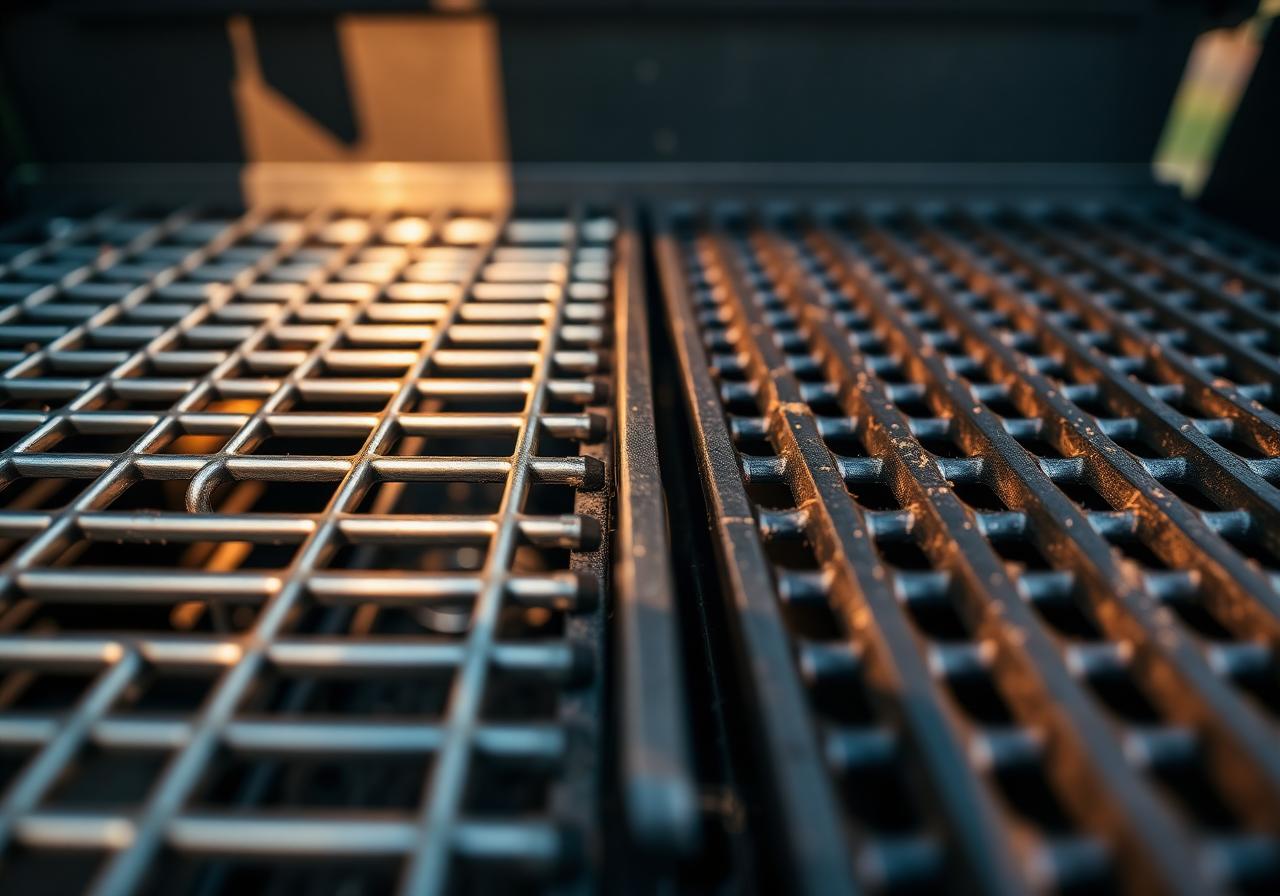
Stainless steel and porcelain-coated cast iron grill grates side by side on a gas grill
Two materials, two maintenance routines, two long-term outcomes.
Low maintenance

Stainless steel

Best sear marks

Cast iron

Middle ground

Porcelain-coated cast iron

Weber replacements

Depends on model and fit

Biggest mistake

Ignoring cleaning and rust

Quick Verdict

Quick verdict: stainless steel vs cast iron grill grates

Stainless steel grill grates are better for most people because they resist rust better, clean more easily, and need less maintenance. Cast iron grill grates are better for cooks who want stronger sear marks and heat retention, but they require regular cleaning, drying, and oiling. Porcelain-coated cast iron grates can be a good middle ground, but chipped coating can expose iron and lead to rust.

Share this recipe:

Side-by-Side

Stainless steel vs cast iron grill grates: side-by-side comparison

Each row is a real-world ownership trade-off, not a marketing claim. Use it to match grate material to how you actually grill.

Sear marks

Cast iron
Stainless:
Good, especially with 9mm rods
Cast iron:
Excellent, deep and pronounced
Why:
More mass holds more heat at the rod surface.

Heat retention

Cast iron
Stainless:
Solid once preheated
Cast iron:
Best in class
Why:
Cast iron stores heat longer between food drops.

Rust resistance

Stainless
Stainless:
Excellent (304-grade)
Cast iron:
Poor unless oiled and dry
Why:
Cast iron rusts quickly when wet or coating chips.

Cleaning

Stainless
Stainless:
Brush or scrape, soap OK
Cast iron:
Scrape only, no long soak
Why:
Stainless tolerates more aggressive cleaning.

Maintenance

Stainless
Stainless:
Minimal
Cast iron:
Oil and dry after every cook
Why:
Cast iron needs an ongoing seasoning routine.

Durability

Stainless
Stainless:
10+ years typical
Cast iron:
5–10 years before coating fails
Why:
Coating wear and rust shorten cast iron life.

Weight

Stainless
Stainless:
Lighter, easy to lift
Cast iron:
Heavy and awkward
Why:
Easier to remove for deep cleaning.

Price

Cast iron
Stainless:
Higher up front
Cast iron:
Lower up front
Why:
Cast iron usually costs less to buy new.

Food sticking

Stainless
Stainless:
Low with a quick oil wipe
Cast iron:
Low when well-seasoned, higher when not
Why:
Stainless is more forgiving day to day.

High heat cooking

Cast iron
Stainless:
Very good
Cast iron:
Excellent
Why:
Cast iron holds searing temps longer.

Low and slow cooking

Tie
Stainless:
Very good
Cast iron:
Very good
Why:
At low temps both materials behave similarly.

Rain / humidity tolerance

Stainless
Stainless:
Excellent
Cast iron:
Poor
Why:
Cast iron flash-rusts after one wet weekend.

Beginner friendliness

Stainless
Stainless:
Forgiving
Cast iron:
Requires routine
Why:
Fewer ways to ruin them on day one.

Best for Weber gas grills

Stainless
Stainless:
Common on S-series; strong upgrade for E-series
Cast iron:
Standard on many E-series models
Why:
Long-term value usually leans stainless for upgrades.

Best long-term value

Stainless
Stainless:
Lower lifetime cost for most owners
Cast iron:
Lower up front, more upkeep
Why:
Less maintenance and longer practical life.

Stainless Steel Fit

Choose stainless steel grill grates if...

You want low maintenance

No seasoning rituals. Brush hot, occasionally deep clean, dry, done.

You grill in humid or rainy conditions

304-grade stainless shrugs off the weather that destroys cast iron.

You do not want to oil grates often

Skipping a wipe-down does not lead to rust the next morning.

You want easier cleaning

Soap, water, and a scraper are all fair game.

You want long-term rust resistance

Decade-long lifespans are realistic with good stainless.

You are upgrading a Weber gas grill

Often the safest long-term replacement for E-series owners.

You cook a mix of everyday foods

Burgers, chicken, vegetables, fish — stainless handles the variety.

Cast Iron Fit

Choose cast iron grill grates if...

You want stronger sear marks

Cast iron holds heat at the rod for the deepest crosshatch.

You cook steaks and burgers often

High-heat searing is where cast iron earns its weight.

You will clean, dry, and oil grates

The routine is non-negotiable; the payoff is performance.

You like heat retention

Less temperature swing when cold food hits the grates.

You do not mind heavier grates

Lifting and storing cast iron is a real consideration.

You store your grill covered and dry

A cover and dry spot solve most cast iron problems.

You want a traditional heavy grate feel

There is no real substitute for cast iron's mass.

Porcelain-Coated Cast Iron

Where porcelain-coated cast iron grates fit

Porcelain-coated cast iron grates wrap a cast iron core in a glass-like enamel. You get most of cast iron's heat retention plus a smoother surface that resists sticking and rust — at least while the coating is intact.

The catch is the coating itself. It can chip from heavy impacts, harsh metal scrapers, or thermal shock from cold water on hot grates. Once chipped, the exposed iron behaves like bare cast iron and can rust quickly if it gets wet.

Porcelain-coated cast iron is common on many Weber Spirit and Genesis E-series models, as well as on Char-Broil, Nexgrill, and other mid-range gas grills. It is a strong choice for cooks who want sear marks without the fully bare cast iron maintenance routine — as long as you treat the coating gently and use a bristle-free brush or scraper.

Match Material To Cooking

Best grill grate material by cooking style

Steaks

Cast iron or 9mm stainless

Why: Heavy rods give the strongest sear marks.

Watch: Preheat 10–15 minutes for a real crust.

Smash burgers / burgers

Cast iron

Why: Holds heat against cold patties.

Watch: Oil grates so cheese and beef do not stick.

Chicken thighs

Stainless steel

Why: Easier cleanup after flare-ups.

Watch: Cook over indirect heat to avoid burning.

Fish

Stainless steel

Why: Cleaner finish; less risk of stuck skin.

Watch: Oil the fish and grates; use a fish basket if delicate.

Vegetables

Stainless steel

Why: Quick brush-down after cooking.

Watch: Smaller pieces fall through wide rods.

Low and slow BBQ

Either

Why: Temperature is low enough that material matters less.

Watch: Keep the lid closed; check grate fit.

Weeknight grilling

Stainless steel

Why: Fast cleanup keeps the routine sustainable.

Watch: Brush while hot to avoid baked-on residue.

Humid climates

Stainless steel

Why: Far better rust resistance.

Watch: Cover the grill anyway; humidity still pits cheap metals.

High-heat searing

Cast iron

Why: Best heat storage at the rod surface.

Watch: Watch flare-ups from fat drippings.

Low-maintenance ownership

Stainless steel

Why: No oiling routine required.

Watch: Avoid bargain 'stainless' that is actually low-grade steel.

Weber replacement grates

Depends on model and budget

Why: Match exact grill model and generation first.

Watch: Confirm rod diameter and grate dimensions.

Cleaning & Maintenance

How to clean stainless steel and cast iron grill grates

Two materials, two routines. Get either right and you'll add years of useful life.

How to clean stainless steel grill grates

  1. 1.Preheat and brush or scrape while the grates are still hot — debris releases easily.
  2. 2.Use a bristle-free brush or scraper to avoid loose wires ending up in your food.
  3. 3.Degrease when needed with a grill-safe cleaner; rinse fully.
  4. 4.Dry after any deep clean to prevent water spots and slow surface pitting.
  5. 5.Avoid harsh chemicals unless the label specifically allows grill use.

How to clean cast iron grill grates

  1. 1.Scrape while warm to lift residue before it bakes on.
  2. 2.Avoid long soaking and skip soapy soaks that strip seasoning.
  3. 3.Dry fully with a towel or a short re-heat on the grill.
  4. 4.Oil lightly with a high smoke-point oil (vegetable, canola, grapeseed).
  5. 5.Store covered and dry to keep moisture off the iron.
  6. 6.Watch for rust and address any spots before they spread.
  7. 7.Re-season if needed by oiling, heating to ~400°F for 30 minutes, and cooling.

More on cleaning the grill as a whole, removing rust, and picking the right tools: How to Clean a Grill, How to Clean Rusty Grill Grates, Best Grill Brushes, and Best Grill Cleaner.

Rust & Lifespan

Which grill grates last longer?

Stainless steel usually wins for low-maintenance lifespan. Decade-plus service is realistic with good 304-grade rods and occasional cleaning.

Cast iron can also last a long time if you maintain it, but rust risk is higher. Skip oiling and storage care for a season and you can shorten life dramatically.

Porcelain-coated cast iron depends heavily on coating condition. Intact coating performs well for years; once it chips, lifespan tracks closer to bare cast iron.

Thin, cheap grates fail faster regardless of material. Fit, thickness, storage, cleaning, and cover use all matter as much as the headline material name.

Related: How to Clean Rusty Grill Grates, Best Grill Cover, and 7mm vs 9mm Grill Grates.

Weber Replacements

Weber stainless steel vs cast iron grill grates

Weber owners should match grates to the exact model and generation first — material is the second decision.

Stainless steel is often the safer long-term upgrade for low-maintenance owners. It resists rust and tolerates rough cleaning.

Porcelain-coated cast iron is common on many Spirit and Genesis models. It cooks well and sears hard while the coating is intact.

Bare cast iron style grates can produce stronger marks, but require disciplined oiling, drying, and storage.

Always confirm the model number before buying replacement grates — Weber dimensions and rod spacing vary by year.

Replacement Grates

Replacement grill grates worth considering

Editorial picks by use case — not a ranked list. Always confirm fit to your specific grill model before ordering.

Stainless steel Weber grill grates

Long-term low-maintenance Weber upgrade

Why it makes sense:
Resists rust, cleans easily, and matches Weber Spirit and Genesis dimensions.
Watch out for:
Confirm 304-grade and check rod diameter (7mm vs 9mm).
Fit note:
Match by exact Weber model number before ordering.
Maintenance:
Brush hot, occasional soap-and-water deep clean, dry fully.
Check on Amazon

Cast iron Weber grill grates

Stronger sear marks on Weber gas grills

Why it makes sense:
Holds heat well for restaurant-style grill marks on steaks and burgers.
Watch out for:
Bare cast iron rusts fast if not oiled and stored dry.
Fit note:
Match Weber model and generation; sizes vary by year.
Maintenance:
Scrape warm, dry, oil after every cook, re-season as needed.
Check on Amazon

Porcelain-coated cast iron grill grates

Middle ground: cast iron heat with easier cleanup

Why it makes sense:
Coating reduces sticking and rust while keeping cast iron heat retention.
Watch out for:
Chipped coating exposes bare iron and can rust quickly.
Fit note:
Common on Weber Spirit, Genesis, Char-Broil, and Nexgrill.
Maintenance:
Use a bristle-free brush; avoid harsh metal scrapers.
Check on Amazon

Universal stainless steel grill grates

Non-Weber gas grills needing a durable upgrade

Why it makes sense:
Stainless rods cut to size or available in standard widths for many brands.
Watch out for:
Measure cooking area precisely — width, depth, and rod orientation.
Fit note:
Universal fit, but always measure twice.
Maintenance:
Same as Weber stainless — brush hot, dry after deep cleaning.
Check on Amazon

Universal cast iron grill grates

Sear-focused upgrade for older or off-brand grills

Why it makes sense:
Adds heat retention and grill marks to grills that shipped with thin steel.
Watch out for:
Heavy — confirm your grill frame can support the weight.
Fit note:
Measure cooking surface; some models need trimming or rails.
Maintenance:
Oil before and after each cook; store covered and dry.
Check on Amazon

Grill grate scraper

Safe daily cleaning for any grate material

Why it makes sense:
No loose bristles to fall into food; works on stainless and porcelain.
Watch out for:
On porcelain coating, scrape gently to avoid chipping.
Fit note:
Universal; pick a width that matches your rod spacing.
Maintenance:
Rinse and dry after use; replace if the head warps.
Check on Amazon

Bristle-free grill brush

Safer alternative to wire-bristle brushes

Why it makes sense:
Coil or woven-mesh head cleans stainless and porcelain without lost bristles.
Watch out for:
Replace at the first sign of fraying or loose wire.
Fit note:
Universal; longer handle for larger grills.
Maintenance:
Inspect before every use; never use on cold, caked grates.
Check on Amazon

Heavy-duty grill cover

Protecting grates from rain, humidity, and UV

Why it makes sense:
Cuts the rust risk on cast iron and porcelain dramatically.
Watch out for:
Cheap covers tear in one season; pay a little more for thick fabric.
Fit note:
Match cover width and depth to your specific grill model.
Maintenance:
Wipe clean; pull off after rain to let the grill fully dry.
Check on Amazon

Avoid These

Mistakes to avoid when choosing grill grates

  • Buying by material without checking fit to your exact grill.
  • Assuming cast iron is always better — it's not for everyone.
  • Ignoring rust risk in humid or rainy climates.
  • Using harsh metal tools on porcelain coating.
  • Soaking cast iron grates too long in water.
  • Not drying grates after cleaning.
  • Buying thin, low-grade grates to save a few dollars.
  • Forgetting a grill cover or proper storage.
  • Not checking your Weber model number before ordering.

Final Verdict

Final verdict: stainless steel or cast iron grill grates?

Pick the path that matches your maintenance habits and how you actually cook — not the loudest opinion in a forum.

Buy stainless steel

If you want the easiest long-term ownership and the best rust resistance.

Buy cast iron

If you want heat retention and sear marks and will maintain the grates.

Buy porcelain-coated cast iron

If you want a middle ground and will protect the coating.

Upgrade thickness

If your current grates feel flimsy, jump to thicker rods regardless of material.

Check exact grill model

Always match grate dimensions and rod spacing to your specific grill.

FAQ

Stainless steel vs cast iron grill grates: FAQ

Are stainless steel or cast iron grill grates better?

Stainless steel grill grates are better for most people because they resist rust, clean more easily, and require almost no daily maintenance. Cast iron grates win on heat retention and sear marks, but only if you are willing to clean, dry, and oil them after every cook. For mixed everyday grilling, stainless is the safer long-term pick.

Are stainless steel grill grates worth it?

Yes, especially if you grill year-round, live in a humid climate, or store the grill outdoors. Quality stainless steel grates last many years, clean fast with a brush or scraper, and do not need seasoning. They cost more up front than cast iron, but they usually deliver lower total cost over the life of the grill.

Are cast iron grill grates worth it?

Cast iron is worth it if you sear steaks and burgers often, want strong grill marks, and accept the cleaning and oiling routine. It holds heat well once preheated and feels like a heavy, traditional grate. If you tend to skip maintenance or leave the grill uncovered, cast iron is usually the wrong call.

Do cast iron grill grates rust?

Yes. Bare cast iron rusts quickly when wet, and porcelain-coated cast iron rusts once the coating chips and the iron underneath is exposed. Drying the grates, oiling cast iron, and using a grill cover all slow rust dramatically. If rust is already widespread, replacement is usually smarter than aggressive scrubbing.

Do stainless steel grill grates rust?

Good 304-grade stainless steel resists rust very well in normal outdoor use. You may see some surface discoloration from high heat or acidic food, but true rust is rare. Cheap aftermarket grates labeled simply 'stainless' may use lower-grade steel that corrodes faster, so check the grade and reviews before buying.

Which grill grates are easiest to clean?

Stainless steel grates are easiest. You can brush or scrape them hot, wash with soap and water when needed, dry them, and put them back. Cast iron needs scraping, drying, and oiling. Porcelain-coated cast iron is easy while the coating is smooth, but harsh tools shorten its life.

Which grill grates make better sear marks?

Cast iron produces the deepest, most pronounced sear marks because it holds high heat very well. Thick 9mm stainless steel rods come close, especially with a long preheat. Thin stainless grates make lighter marks, which is fine for everyday food but less dramatic on steaks.

Are porcelain-coated cast iron grates good?

Yes, while the coating is intact. They combine cast iron heat retention with a smoother, easier-to-clean surface that resists rust. The catch is that the porcelain can chip from impacts, harsh metal tools, or thermal shock, and exposed iron can rust. Treat them gently and they last for years.

Is porcelain-coated cast iron better than stainless steel?

Neither is clearly better. Porcelain-coated cast iron sears harder and is common on mid-range grills. Stainless steel is more forgiving, easier to maintain, and tolerates rough cleaning better. Heavy steak grillers often prefer porcelain cast iron; low-maintenance owners usually prefer stainless.

What is the best grill grate material?

There is no single best material — it depends on your cooking style and how much maintenance you accept. Stainless steel is the best all-around choice for most home cooks. Cast iron is best for sear-focused cooks who maintain their grates. Porcelain-coated cast iron is a strong middle ground.

What grill grates last the longest?

Thick stainless steel grates from quality brands typically last the longest with the least effort, often a decade or more under normal use. Cast iron can also last a long time, but only with consistent cleaning and oiling. Thin or low-grade grates of any material fail much faster.

How do you clean stainless steel grill grates?

Preheat the grill, then brush with a bristle-free brush or scrape with a grate scraper while the grates are hot. For deeper cleaning, remove the grates and wash with hot soapy water, then dry fully. Use a degreaser only if the label allows food-contact grill use.

How do you clean cast iron grill grates?

Scrape the grates while they are still warm, then wipe with a damp cloth or paper towel. Avoid long soaking and harsh detergents that strip seasoning. Dry the grates fully, rub on a thin coat of high smoke-point oil, and store them somewhere dry to prevent rust.

Should you oil cast iron grill grates?

Yes. A thin layer of vegetable, canola, or grapeseed oil after cleaning helps build seasoning and blocks rust. Do not soak the grates in oil; wipe off the excess so it bakes in cleanly during the next preheat. Re-season any time the surface looks dry or starts to spot-rust.

What grill grate material is best for Weber grills?

It depends on the model. Many Weber Spirit and Genesis grills ship with porcelain-coated cast iron, while higher trims use stainless steel. For a long-term low-maintenance upgrade, stainless steel grates that match your model are often the safer choice. Always confirm fit by Weber model number before buying.

Should I replace or clean rusty grill grates?

Light surface rust on stainless or cast iron can usually be cleaned and the grate brought back into service. Deep pitting, flaking, or rust that returns within days means the grate is at end of life and should be replaced. Use the right brush and cleaner for the material to avoid further damage.