Weber Genesis Grill Parts: Complete Replacement Guide by Model
Weber Genesis grill parts are repairable, but the correct Weber Genesis replacement parts depend on the exact generation and model. Genesis Silver, older Genesis, Genesis 300, Genesis II, E-310, E-330, current Genesis, propane, and natural gas models can use different burner tubes, flavorizer bars, cooking grates, igniters, regulators, grease trays, and covers. Start with the model number, then match parts by series, year range, burner count, fuel type, and measurements.
Start with your model number, then match parts by Genesis generation, burner count, fuel type, and measurements before ordering.
This page covers every major Weber Genesis replacement part — what each one does, when to replace it, how to pick between OEM and aftermarket options, and which parts fit which Genesis generation. Genesis has a longer and more complex generation history than the Spirit line, and compatibility matters more here: a part that fits a Genesis E-310 from 2010 won\'t fit a Genesis II E-310 from 2018. If you already know what you need, jump to the relevant section below. If you\'re not sure what\'s failing, start with Identify Your Weber Genesis Model and then work through the Most Commonly Replaced Parts list.
Compatibility
Identify Your Weber Genesis Model
Weber Genesis grills fall into six distinct generations. Before ordering any part, identify which one you own — compatibility depends on it.
Genesis I / Original
1985 – 2002
Squared-off design with colored enameled lid (black, red, green, or blue) and genuine redwood side shelves on many models. Two or three horseshoe-shaped burners. Most widely known as the classic "weber genesis" grill.
Common models
Genesis 10002000300040005000
Silver / Gold / Platinum Era
2002 – 2008
Named by tier rather than number. Silver (entry), Gold (mid), Platinum (premium). Features stainless steel cook box on higher tiers. This is the generation many people mean when they search for "weber silver grill parts" or "platinum grill parts."
Common models
Silver ASilver BSilver CGold BGold CPlatinum BPlatinum C
E/S-series Original
2008 – 2011
First generation with the E/S-series naming. "E" for porcelain-enameled finish, "S" for stainless steel. Front-mounted control knobs, stainless burners, porcelain-enameled or stainless flavorizer bars.
Common models
E-310E-320E-330S-310S-320S-330
Genesis II (GS4)
2017 – 2022
Introduced the GS4 High Performance Grilling System — infinity ignition, high-performance burners, flavorizer bars, and grease management. Completely redesigned internals mean most GS4 parts do not fit earlier Genesis grills.
Weber Crafted frame system with drop-in accessories, sear zone reaching 600°F+, mobile app integration on SX and SE premium models, completely new grilling system.
Wi-Fi and Bluetooth-enabled digital thermometers integrated with the Weber Connect app. Ultra-hot Sear Zone reaching 750°F. Builds on the 2022 redesign platform, so most internal parts carry over — but smart components are model-exclusive.
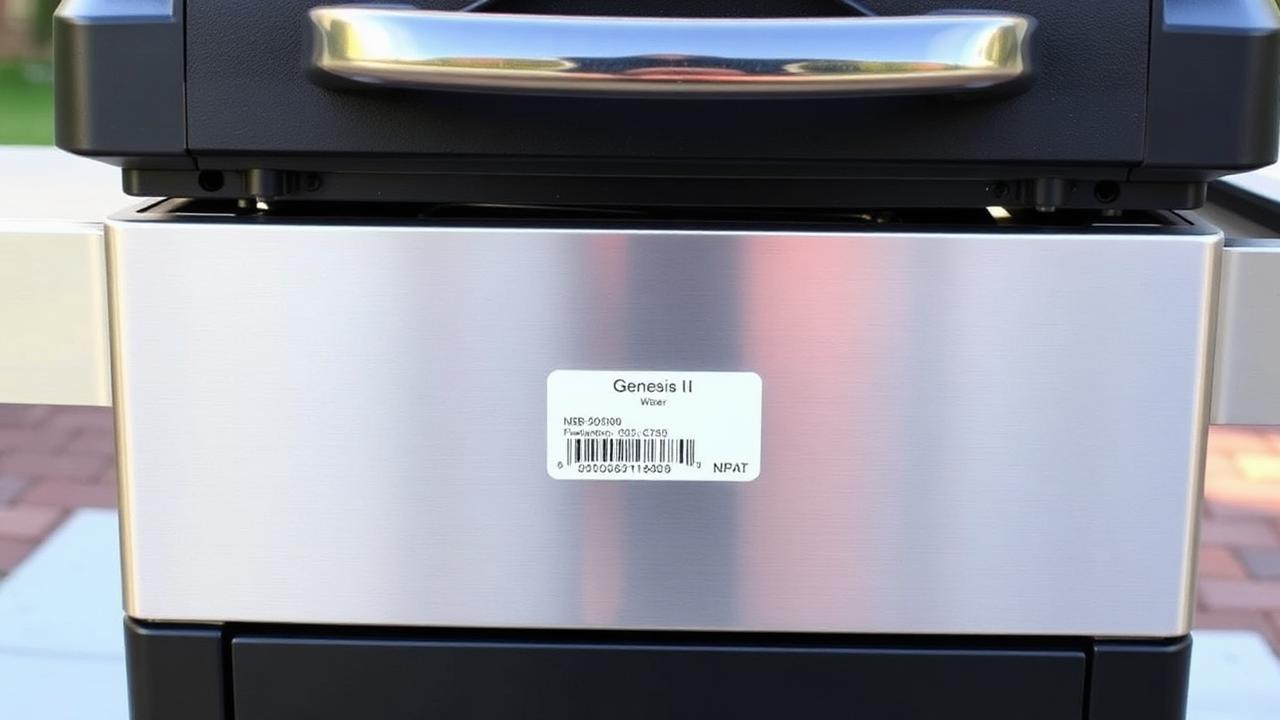
The rating label is on a silver or white sticker on the grill cart. Locations by generation:
Genesis I / Original: on the rear of the body or inside the front panel of the cart
Silver / Gold / Platinum: inside the left cart door, or rear of body
E/S-series Original (2008–2011): inside front cart panel
Genesis II (2017–2022): inside the left or right cart door
Genesis Redesign and Smart (2022+): inside the right cart door
The label shows the full model number, serial number, and the date of manufacture. Write these down before ordering any parts — "it\'s a Weber Genesis E-310" isn\'t enough to get the right kit.
Quick Answer
Quick answer: how to find the right Weber Genesis grill parts
To find the right Weber Genesis grill parts, first locate your model number and confirm whether you have an older Genesis, Genesis Silver, Genesis 300, Genesis II, E-310, E-330, current Genesis, propane, or natural gas model. Then match replacement parts by generation, burner count, fuel type, and measurements. Do not order by the word "Genesis" alone because burner tubes, flavorizer bars, grates, igniters, regulators, and grease trays can vary by series and year.
Models & Generations
Weber Genesis models and generations explained
Genesis and Genesis II parts are not always interchangeable. Use this table to confirm your platform before ordering.
Genesis model / group
Era / platform
Common examples
Parts to double-check
Buyer note
Genesis Silver / Gold
2002 – 2008
Silver A/B/C, Gold B/C, Platinum B/C
Horseshoe burners, 25.5" 7636 flavorizer bars on B/C
OEM parts increasingly scarce
Older Genesis (Original)
1985 – 2002
Genesis 1000–5000
Horseshoe burners, era-specific grease pan
Aftermarket often the only option
Genesis 300 Series
2008 – 2011 E/S Original
E-310, E-320, E-330, S-310, S-330
Straight stainless burners, 22.5" 7539 bars
Most common Genesis repair platform
Genesis E-310
2008–2011 and Genesis II 2017+
Both eras share the E-310 name
Generation year decides part fit
Confirm year before ordering
Genesis E-330
2008 – 2011
E-330 with side burner and sear burner on some years
Weber Genesis 300 parts, Weber Genesis E-310 parts, and Weber Genesis E-330 parts depend on whether your grill is the 2008–2011 E/S-series Original or the 2017+ Genesis II 300 Series.
Genesis 300 Series E/S-series uses 22.5" 7539 flavorizer bars and straight stainless burners
Genesis II 300 Series uses GS4 burners and GS4-shape flavorizer bars
Weber Genesis E-310 parts and Weber Genesis 310 parts depend on year (2010 vs 2018)
Weber Genesis E-330 parts include side burner and sometimes sear burner igniter
Weber Genesis 330 parts share grates and bars with matching E-310 within same generation
Confirm propane vs natural gas before ordering regulator or hose parts
Genesis II / Genesis 2
Weber Genesis II and Genesis 2 parts
Weber Genesis II parts, Weber Genesis 2 parts, Weber Genesis II grill parts, and Weber Genesis II replacement parts all share the GS4 High Performance Grilling System.
GS4 burner tubes by Genesis II 300 / 400 Series length
Genesis II flavorizer bars (uniquely shaped, not pre-2017)
Genesis II grates — porcelain cast iron or stainless
Genesis II regulator and hose (LP or natural gas)
Genesis II E-310 and Genesis II S-335 igniter kits
Infinity Ignition battery (typically AA)
Front-mounted control knobs (Genesis II style)
Verify part number and dimensions before ordering
Genesis II parts rarely fit older Genesis grills, and the 2022+ redesign rarely accepts Genesis II parts. Confirm generation and year before buying. See Genesis II 300 Series reviews for model context.
Genesis Silver / Gold / Platinum
Weber Genesis Silver parts
Weber Genesis Silver parts, Weber Genesis Silver grill parts, Weber Genesis Silver gas grill parts, Weber Genesis Silver A grill parts, and Weber Genesis Silver B grill parts have their own demand — and their own fit traps.
Silver / Gold / Platinum use horseshoe-shaped burners — unique to that era
Silver B/C and Platinum B/C use 25.5" 7636 flavorizer bars (same as Spirit 300)
Catch pans and grease trays are different from newer Genesis grills
Igniter modules are pre-Infinity Ignition and often AAA-battery based
Do not assume modern Genesis or Genesis II parts fit Genesis Silver
Some Silver-era OEM parts are discontinued — quality aftermarket may be the only option
Burner Tubes
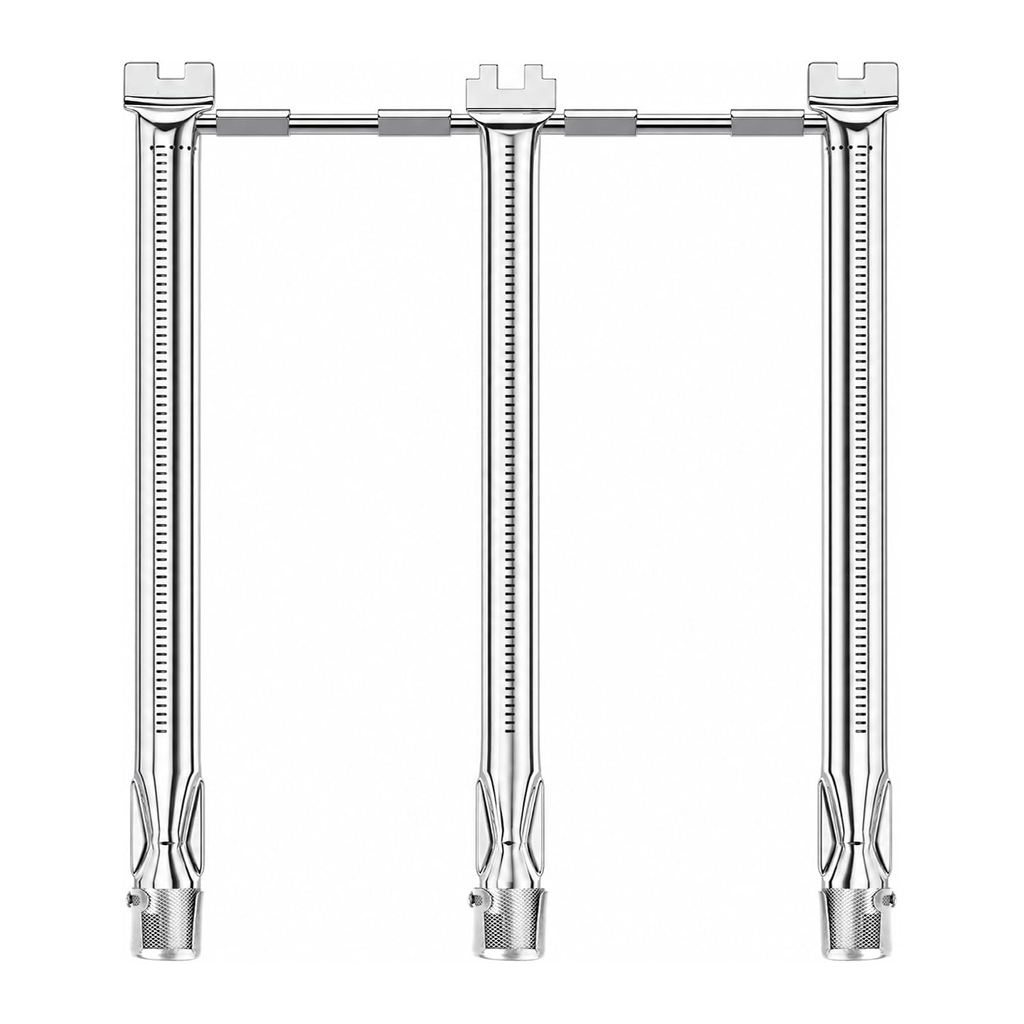
Weber Genesis burner tubes
Symptoms of bad Weber Genesis burner tubes include uneven flame, yellow flames instead of blue, low heat after a regulator reset, rust holes, and clogged burner ports. Genesis 300 Series and Genesis II 300 Series use different burner tube designs, and the 2022+ redesign uses yet another burner. Clean clogged ports first; replace burners as a full set when there are rust holes, warping, or yellow flames that do not clear after cleaning.
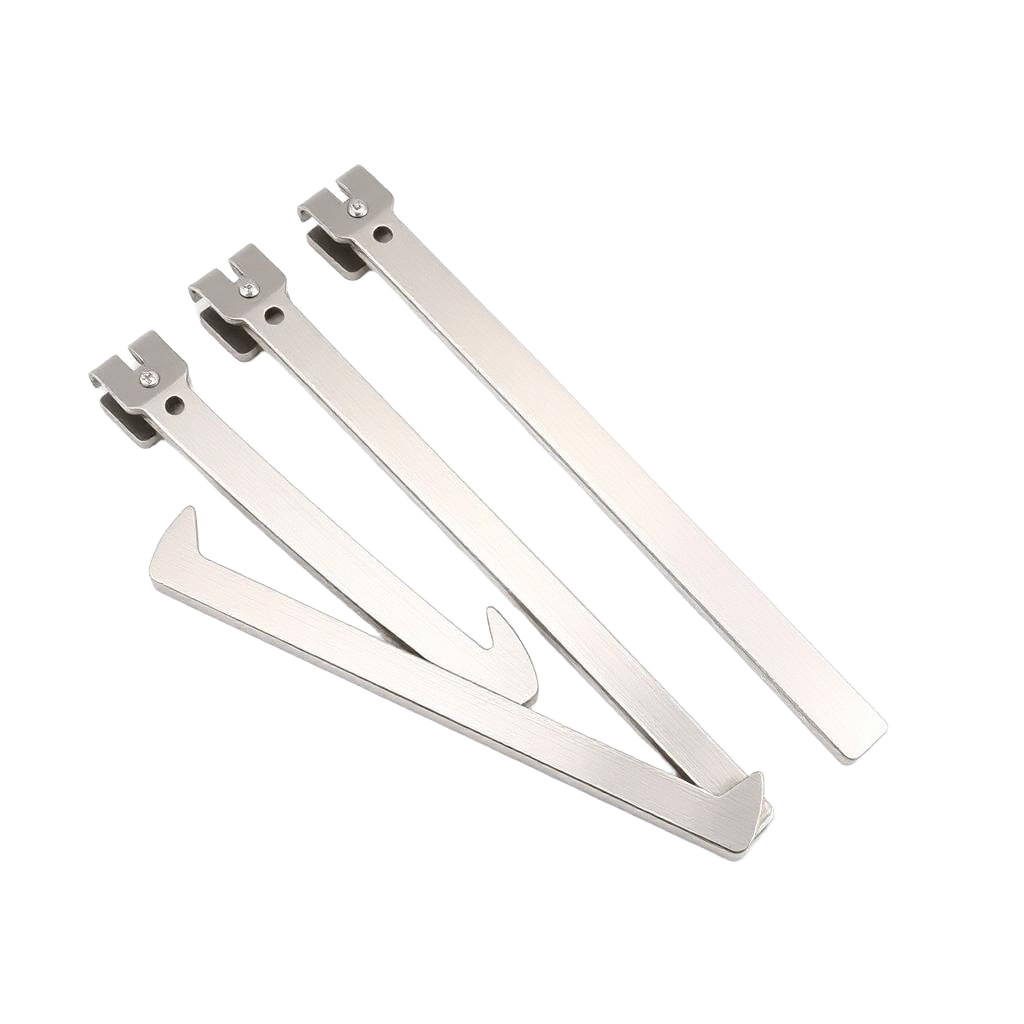
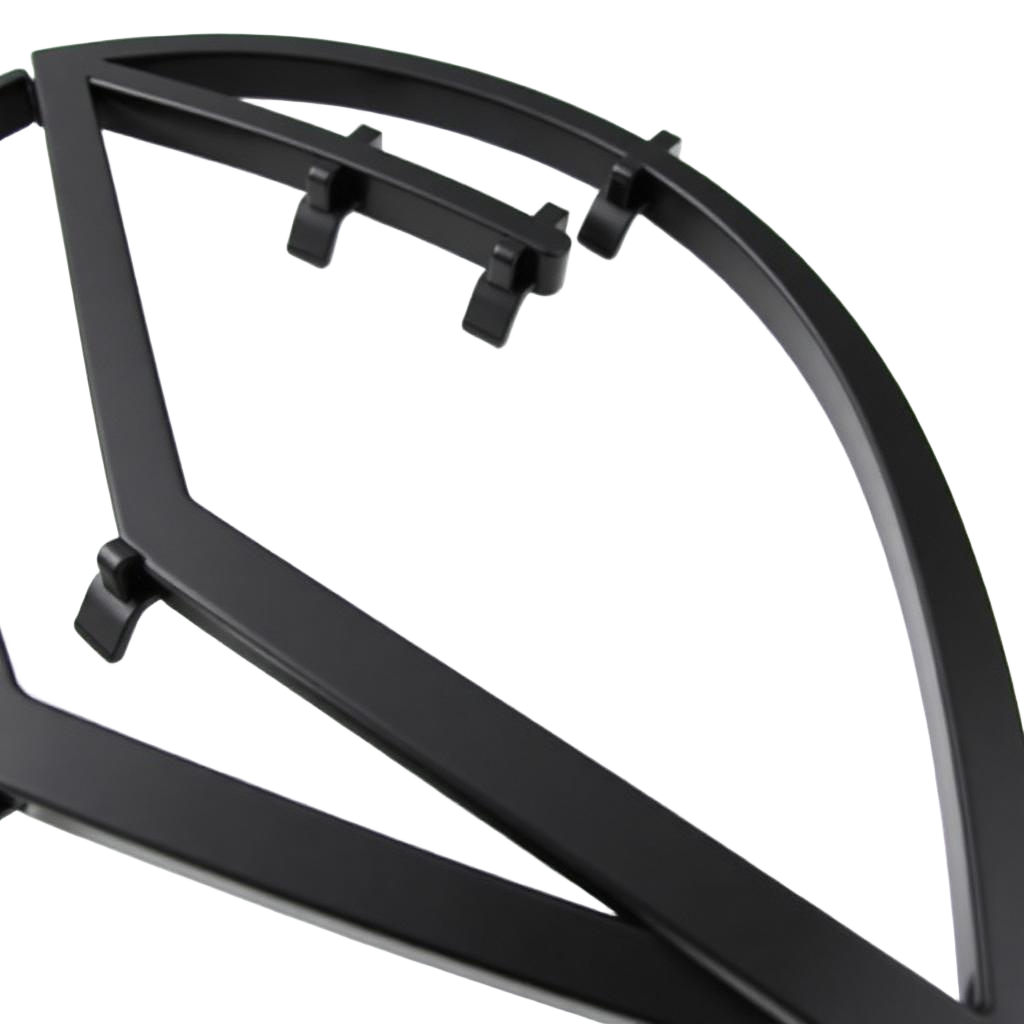
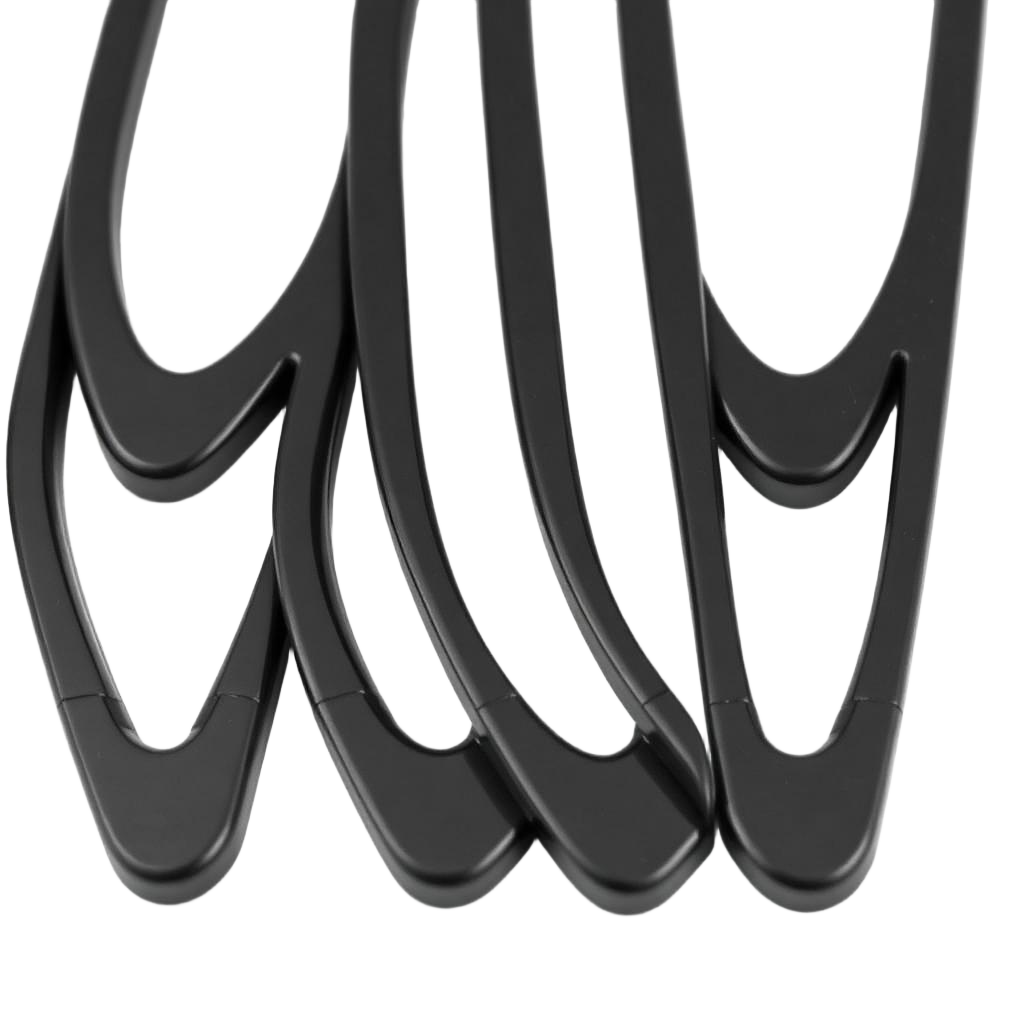
Weber Genesis flavorizer bars catch drippings, vaporize them for flavor, and shield the burners from grease. Common wear includes rust, holes, warping, grease buildup, and porcelain coating flaking off. Choose porcelain-coated for lower cost or stainless steel for a longer life. Genesis 300 Series (22.5\" or 25.5\") and Genesis II GS4 bars are not interchangeable.
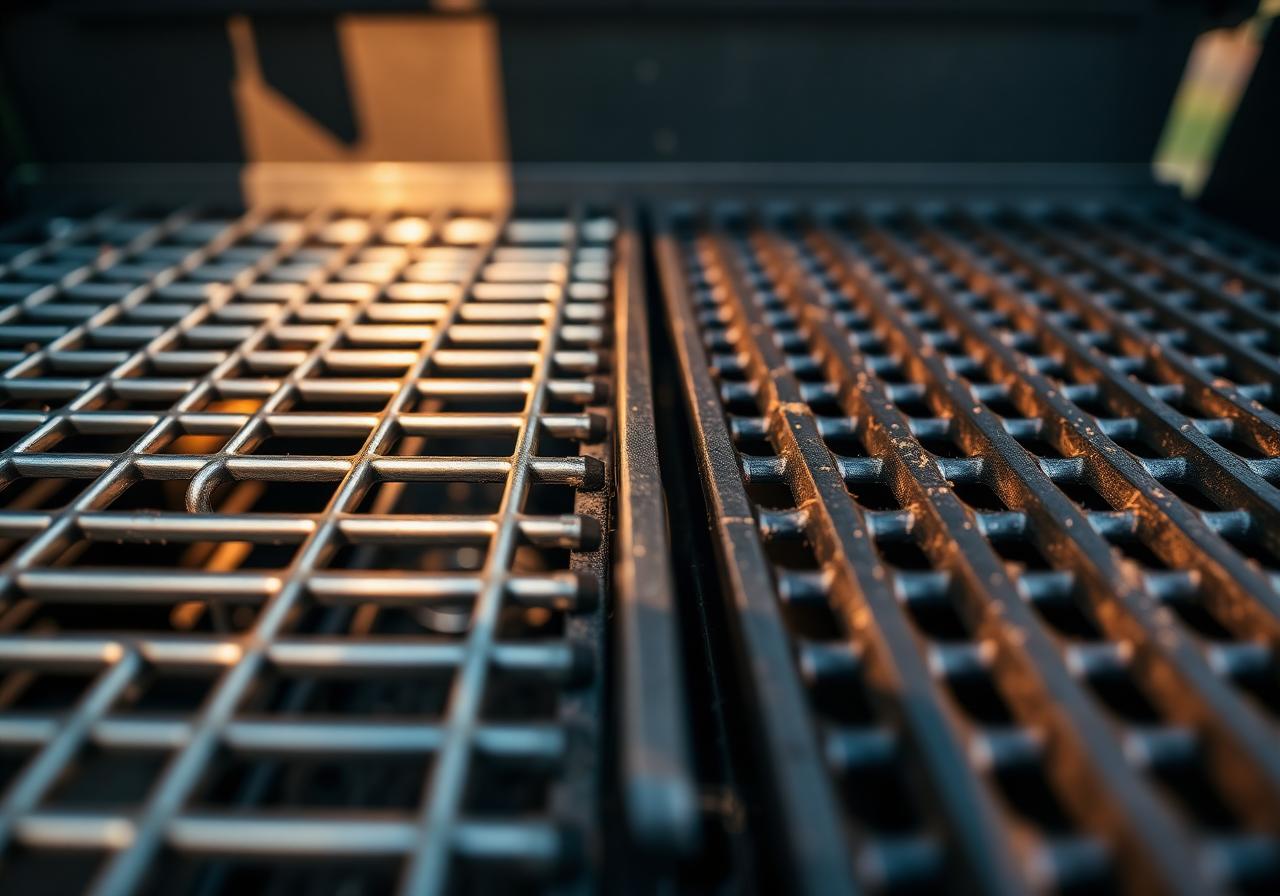
Weber Genesis grates come in stainless steel, porcelain-coated cast iron, and porcelain-coated steel. Common fit issues come from mixing Genesis 300 Series and Genesis II 300 Series footprints. Replace rusty or chipped grates when bare iron is exposed to food. Always measure your old grates before ordering and consider both material and maintenance.
Symptoms include weak clicks, no spark, or sparks but no flame. Always check the battery first (AA on Genesis II Infinity Ignition, AAA on older Genesis), then reseat wires, then inspect each electrode for corrosion. Genesis, Genesis II, and the 2022+ redesign use different ignition systems, so match the kit to your generation. Cleaning electrodes fixes many no-spark issues; full kits are inexpensive and easy to install.
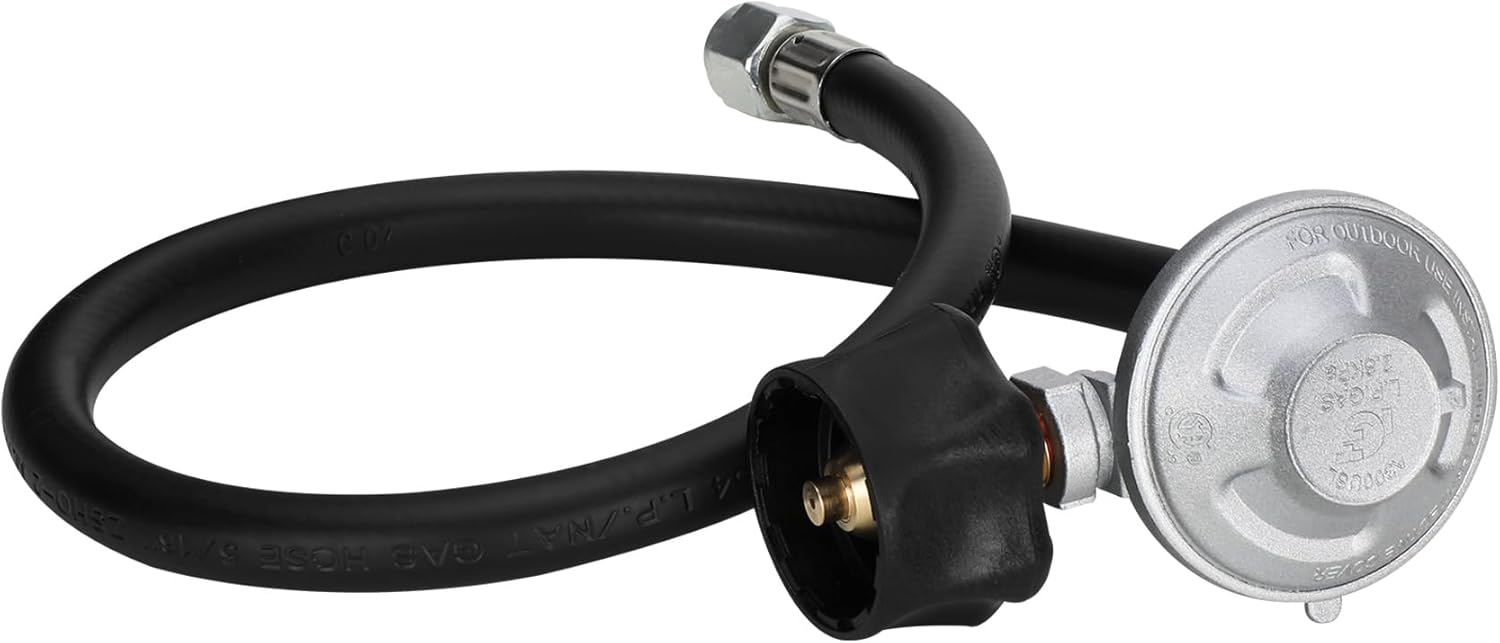
Symptoms of a Weber Genesis regulator problem include low flame, the grill not getting hot, or repeated regulator bypass / safety reset behavior. Try a regulator reset first. Replace cracked hoses immediately and never reuse a damaged hose. Propane (LP) Genesis grills use a QCC1 regulator; natural gas Genesis grills use a different assembly — they are not interchangeable. Always run a soapy-water leak test after reassembly.
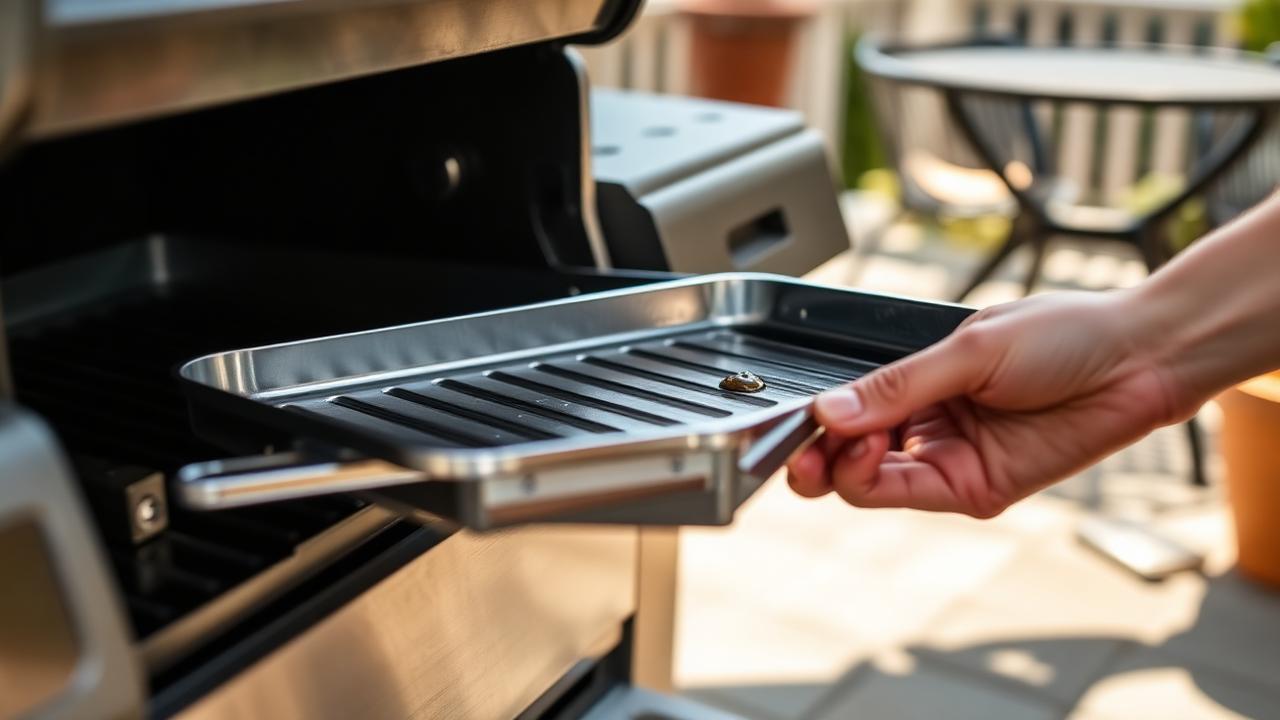
The Weber Genesis grease tray sits under the firebox and holds a disposable aluminum drip pan. Common issues include grease buildup, rusted-through corners, and warping after a grease fire. Genesis II GS4 uses a smaller catch pan that does not interchange with older Genesis trays. Clean the tray regularly to avoid flare-ups and replace aluminum drip pans every 3 to 4 cooks.
Find the silver or white rating label inside the cart or cart door. Genesis I / Original labels are on the rear of the body or inside the front cart panel. Silver, Gold, and Platinum labels are usually inside the left cart door. Genesis II is inside the left or right cart door. Genesis 2022+ redesign and Smart are inside the right cart door. Do not rely on appearance alone — the same name has been used across very different grills. Photograph the label before shopping and compare dimensions if the label is missing.
OEM is usually safest for exact fit and warranty confidence. Aftermarket can be a strong value for grates, flavorizer bars, and some burner tubes if measurements and model compatibility are verified. Be especially careful with gas-related parts like regulators and hoses.
These are the parts that wear out most often on a Weber Genesis, roughly in the order you\'ll replace them over the grill\'s lifespan.
1.Burner Tubes
Burner tubes are the single most-replaced part on any Weber Genesis. Weber stainless tubes typically last 5 to 10 years before rust opens up holes, warps the tube, or clogs the gas ports. Genesis grills have 2 to 4 tubes depending on the model, and all of them must be replaced as a set — not one at a time. Mixing old and new burners on the same grill leads to uneven heat and unreliable ignition.
Signs you need new burners: uneven flames across the grill, yellow or orange flames instead of blue, flames lifting off the ports, or visible rust-through when you look down at the tubes with the grates and flavorizer bars removed.
Genesis burner sizes by generation:
Genesis I and Silver/Gold/Platinum: horseshoe-shaped burners, unique to that era — parts increasingly scarce
E/S-series Original (2008–2011): 3 straight stainless tubes approx. 19" long for 300-series
Genesis II (2017+): GS4 high-performance burners — completely different dimensions, use only Genesis II-specific kits
Genesis 2022+ Redesign: all-new burner design, use only redesign-era kits
OEM
Weber 67722 Burner Tube Set
OEM kit for Genesis 300-series E-310/E-320/E-330 (2008–2011)
Flavorizer bars catch drippings from the food above, vaporize them into flavor, and shield the burner tubes from grease. Genesis grills ship with either porcelain-enameled steel bars (coating eventually chips) or stainless steel (longer-lived). Upgrading to stainless is one of the best cheap upgrades you can make to an older Genesis.
Genesis flavorizer bar sizes by generation:
Silver/Gold/Platinum B & C: 25.5" bars in 5-pack — ALSO fits Weber Spirit 300-series (Weber part 7636)
E/S-series Original (2008–2011) 300-series: 22.5" stainless bars in 5-pack (Weber part 7539)
Genesis II 300-series: GS4 flavorizer bars — completely different shape, not cross-compatible with older Genesis
Replace flavorizer bars when the porcelain coating is flaking off, bars have warped, or they\'ve rusted through. Most Genesis owners replace them every 3–5 years with porcelain, 7–10 years with stainless.
OEM
Weber 7636 Porcelain Flavorizer Bars
OEM 5-pack, 25.5 inch — fits Spirit 300 AND Genesis Silver/Gold/Platinum B/C
Genesis grates come in three materials: porcelain-enameled cast iron (heat retention and sear marks — the sweet spot for most cooks), porcelain-enameled steel (budget option on lower-tier models, shorter lifespan), and stainless steel rod grates (common on "S" models and all Genesis II grills). Replace when food sticks despite cleaning, porcelain has chipped to expose bare iron, or bars are warped.
Genesis grate sizes to know:
Genesis E-310/E-320/E-330 (2008–2011) and Silver/Gold: two grates, each approx. 19.5" × 10.5"
Genesis II 300-series: redesigned grates, larger cooking area — not cross-compatible with original E-series
Genesis 400-series (4-burner): three grates per grill
Genesis 2022+ Redesign: new grate pattern, model-specific
Switching from porcelain-coated steel up to cast iron or stainless is one of the most noticeable cooking upgrades. Steel grates heat fast but cool fast too; cast iron holds heat for steakhouse-quality sear marks.
Weber Genesis ignition fails in three places: the battery module (for electronic push-button ignition), the individual electrodes at each burner, and the wiring that connects them. On Genesis II and newer grills, Weber\'s "Infinity Ignition" uses a single lithium battery and integrated wiring — failures on these are usually battery first, wiring second.
Diagnose in this order:
Battery dead — Genesis II uses an AA battery, older Genesis uses AAA. Always try this first.
Electrodes corroded — visible rust or burnt tips mean replacement.
Push-button module cracked or stuck — the whole kit gets replaced.
Wiring burned or severed — rare but happens after extreme heat events.
Full OEM Genesis igniter kits run $30–$60; aftermarket kits run $15–$30. Because ignition involves gas safety, many grillers prefer OEM for this specific part even if they go aftermarket elsewhere.
Most Genesis grills use flavorizer bars instead of flat heat deflectors, but the newest Genesis grills (2022+ redesign and Smart models) include a dedicated Sear Zone with its own high-output burner and sear grate assembly. Sear zone components are model-specific and cannot be retrofitted onto older Genesis grills.
For older Genesis grills that do use heat plates, thickness matters more than brand — a heat plate under 0.8mm thick will warp within a season. Look for 1.0mm or thicker stainless.
6.Grease Management: Tray, Catch Pan, and Drip Foil
Every Weber Genesis channels grease down into a catch pan or grease tray under the firebox. The disposable aluminum drip pan (liner) should be replaced every 3–4 cooks — an overfilled pan is the #1 cause of grease fires. The grease tray itself rarely fails but can rust through at corners after 5+ years of outdoor exposure.
Genesis II introduced the GS4 grease management system — a redesigned funnel routes drippings into a smaller catch pan underneath. GS4 catch pans are model-specific; they do not interchange with older Genesis grease trays.
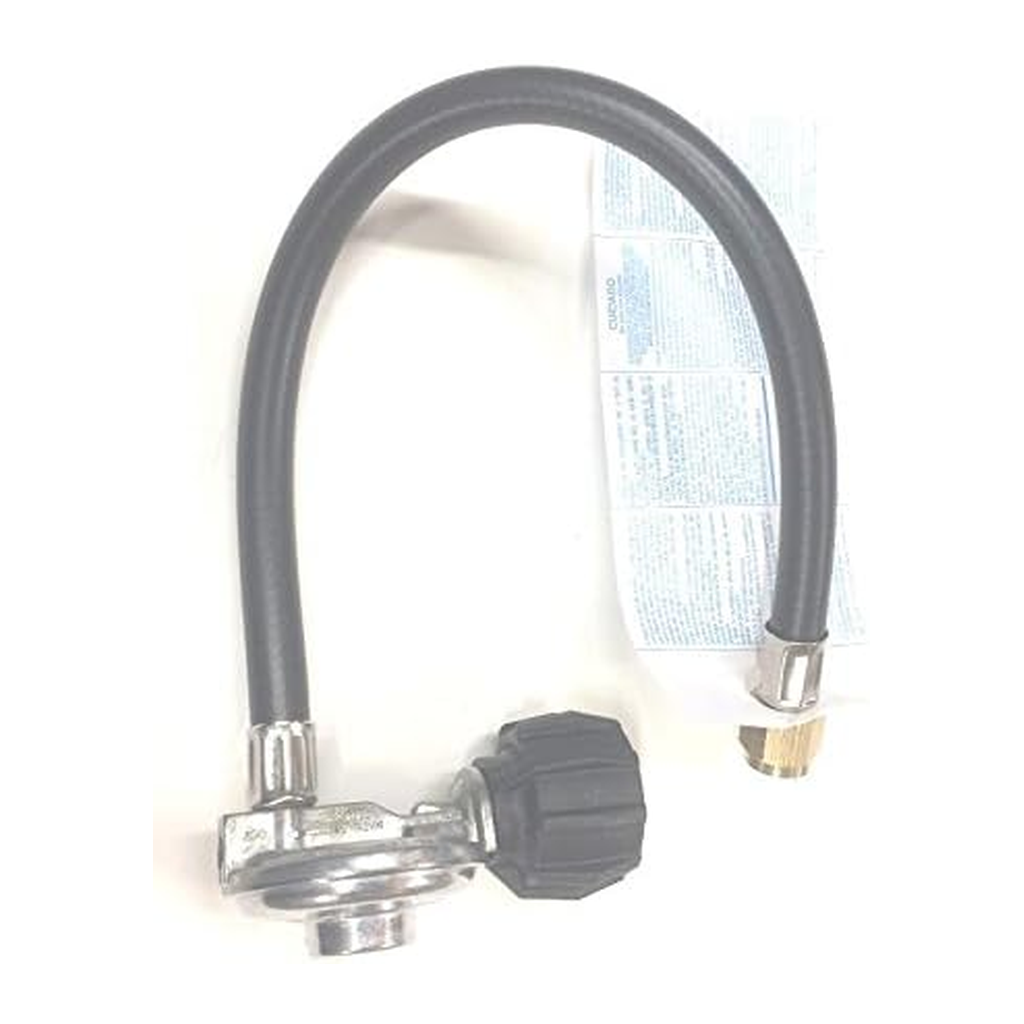
All Weber Genesis LP grills use a low-pressure regulator and hose assembly. Replace every 5–10 years or at any sign of: propane smell at connections, frequent regulator bypass (grill suddenly runs much cooler than normal), visible cracks in the hose, or poor heat output on high even with a full tank.
Important safety note:
Genesis grills manufactured before 2005 may use an older regulator connection incompatible with modern OPD-style tanks. Verify your regulator style before ordering. When in doubt, replace both the hose and regulator as an assembly rather than swapping just one.
OEM
Weber 7622 Gas Regulator and Hose
OEM replacement assembly, fits most Weber Genesis LP grills
Purely cosmetic replacement for broken, melted, sun-faded, or missing knobs. Knobs within a generation are typically universal, but Genesis II knobs differ from E/S-series knobs, and 2022+ redesign knobs are completely new. Sear Burner knobs on the newest Genesis are also exclusive to that platform.
Don\'t see your exact Genesis model? Parts are usually shared across all grills of the same generation and burner count. An E-320 uses the same burner kit as an E-310; an S-330 uses the same flavorizer bars as an E-330.
Buying Decision
OEM vs Aftermarket Weber Genesis Parts
Two legitimate choices for every part — the answer depends on your grill\'s age, warranty status, and how long you plan to keep it.
GUARANTEED FIT
Weber OEM Genesis Parts
Manufactured or authorized by Weber, sold on weber.com, at authorized dealers, and on Amazon. Higher price but guaranteed exact fit. Covered by Weber\'s 10-year limited warranty on most Genesis grills sold since 2018 — which means for many owners, OEM parts are free if you file a warranty claim instead of buying them at retail.
Buy OEM when:
Your Genesis II or Genesis Redesign grill is under Weber's 10-year warranty
You're replacing burner tubes and want 10+ years of life
You're replacing an Infinity Ignition module or GS4 grease system component
You own a Genesis Silver, Gold, or Platinum and want to preserve collector value
You're reselling the grill and want "all OEM parts" marketing
BEST VALUE
Aftermarket Weber Genesis Parts
Third-party manufacturers — Hongso, BBQration, QuliMetal, Uniflasy, Hisencn, GRILLJOY — make parts dimensionally compatible with specific Weber Genesis models. Typically 30–60% cheaper. Quality is highly brand-dependent; reputable brands use the same 304-grade stainless as OEM, cheap ones use coated steel that fails in a season.
Buy aftermarket when:
Your Genesis is out of warranty (virtually every Genesis made before 2018)
You own a Genesis I, Silver, Gold, Platinum, or E/S-series Original — OEM parts for these are increasingly scarce and expensive
You're replacing flavorizer bars, heat plates, or grates (simple parts, easy to verify quality)
You're upgrading porcelain flavorizer bars to stainless — aftermarket stainless at aftermarket prices is the best value upgrade on the site
Tips for picking good aftermarket Genesis parts
Check the stainless grade on the listing — 304 is standard, 201 is cheap and rusts within a year
Measure your existing parts with calipers before ordering — "fits Genesis E-310" can mean either 2009 or 2018 depending on the seller
Read reviews filtered by your exact model year, not product averages
For Genesis I / Silver / Gold / Platinum: look for brands that specifically call out "horseshoe burner" compatibility — those burners are unique to pre-2008 Genesis grills
Avoid the cheapest listings with no product photos of the actual part
Installation
How to Safely Replace Weber Genesis Parts
Replacing most Weber Genesis parts takes 30 to 90 minutes with basic tools. Non-negotiable safety steps:
1
Shut off the propane tank valve and disconnect the regulator before touching anything. Wait 5 minutes for gas lines to clear. Natural gas conversions: close the shutoff valve at the wall.
2
Let the grill cool completely — burners on a Genesis retain heat longer than a Spirit because of the larger cook box.
3
Photograph before disassembly. Genesis burners install in only one orientation, and the crossover tubes only fit one way. A quick phone photo saves an hour of guessing during reassembly.
4
Replace fasteners, not just parts. If the cotter pin, nut, or clip holding a component is corroded, replace the hardware — don't reuse rusted hardware on a new part.
5
Leak-check every gas connection after reassembly. Mix dish soap with water 1:3, brush onto every fitting and joint, open the tank valve with all burner knobs off, and watch for growing bubbles. Any bubble means a leak; fix before lighting.
6
Test ignition outside, with the lid OPEN, every burner tried individually. Close the lid only after all burners confirm clean blue flames.
For step-by-step installation on specific parts, see our guides:
How do I find the right Weber Genesis grill parts?
Start by locating the rating-label sticker on your grill and writing down the full model number and year. Confirm whether you own an older Genesis, Genesis Silver/Gold/Platinum, Genesis 300, Genesis E-310, E-330, Genesis II (GS4), or current redesign Genesis. Then match each replacement part by generation, burner count, fuel type (propane vs natural gas), and physical measurements — not by the word "Genesis" alone.
Are Weber Genesis and Genesis II parts the same?
Mostly no. Genesis II introduced the GS4 system in 2017 with redesigned burner tubes, flavorizer bars, grates, igniter, and grease management. Parts from a 2010 Genesis E-310 will not fit a 2018 Genesis II E-310 even though they share the E-310 name. Always confirm the generation, not just the model number.
Are Weber Genesis 300 parts different from Genesis II parts?
Yes. Genesis 300 Series (Silver/Gold/Platinum era and E/S-series Original 2008–2011) use older burner tube lengths, 22.5" or 25.5" flavorizer bars, and a different grease tray. Genesis II 300 Series uses GS4 burners, uniquely shaped GS4 flavorizer bars, and a smaller GS4 catch pan. Order by generation, not by 300 Series alone.
What Weber Genesis parts wear out first?
In rough order: flavorizer bars (3–10 years depending on material), burner tubes (5–10 years), cooking grates (5–10 years), igniter battery and electrodes (1–5 years), regulator and hose (5–10 years), and the grease tray and drip pan. Covers fail outside if the grill is left uncovered year-round.
How do I find my Weber Genesis model number?
Look for a silver or white rating-label sticker. On Genesis I / Original it is on the rear of the body or inside the front cart panel. On Silver/Gold/Platinum it is usually inside the left cart door. On Genesis II it is inside the left or right cart door. On Genesis 2022+ redesign and Smart it is inside the right cart door. Photograph the label before shopping for parts.
What are the most common Weber Genesis replacement parts?
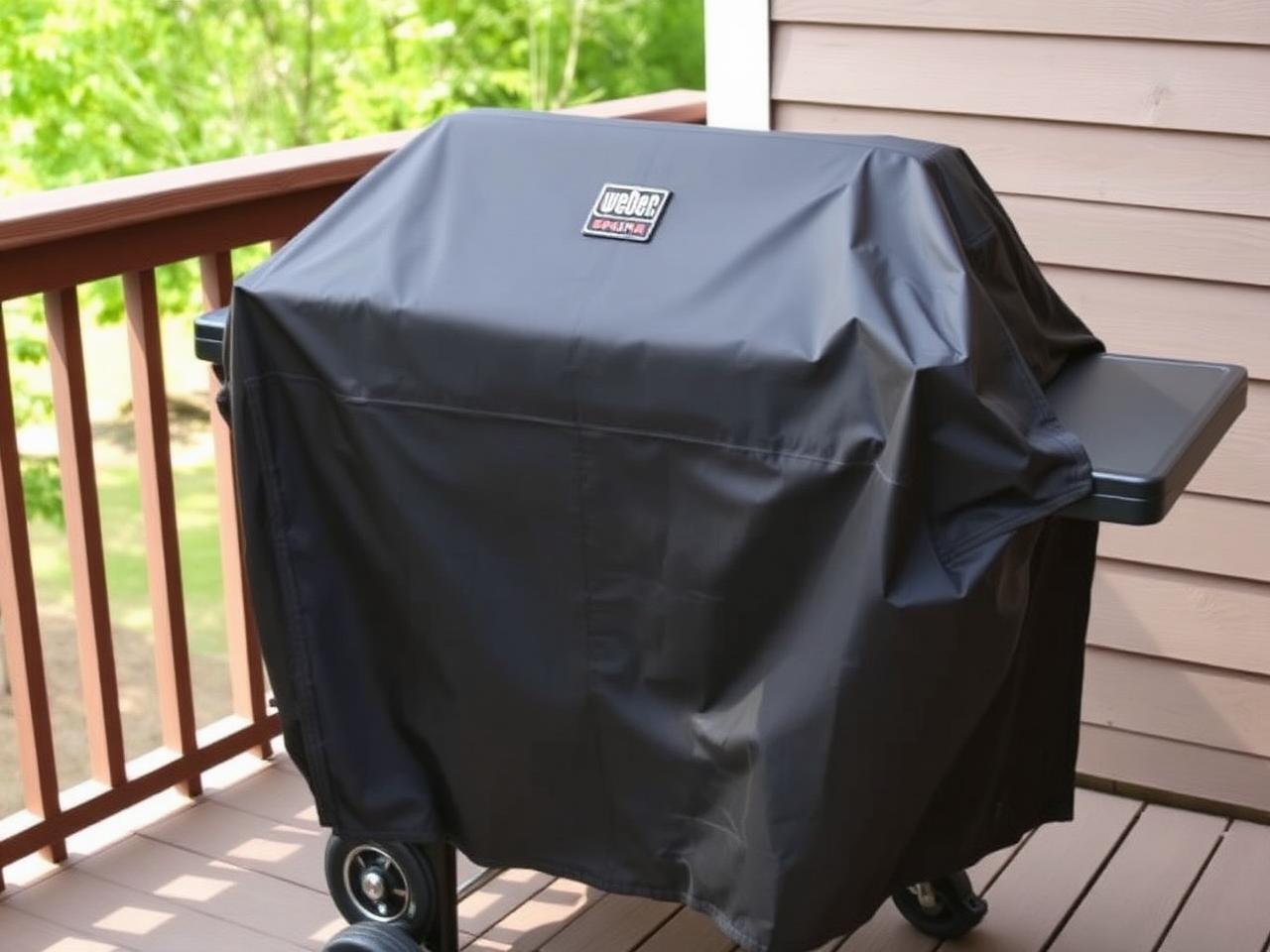
Flavorizer bars, burner tubes, cooking grates, igniter kits, regulator and hose assemblies, grease trays, aluminum drip pans, warming racks, lid thermometers, and covers. Together those cover almost every repair you will ever do on a Genesis.
When should I replace Weber Genesis burner tubes?
Replace burner tubes when you see rust-through holes, warping, yellow or uneven flames, or low heat that does not improve after a regulator reset and a burner-port cleaning. Genesis burners almost always need to be replaced as a full set, not individually, because mixing old and new tubes leads to uneven heat.
When should I replace Weber Genesis flavorizer bars?
Replace flavorizer bars when the porcelain coating has flaked off and exposed bare metal, when bars have warped or rusted through, or when they no longer catch drippings cleanly. Porcelain bars typically last 3–5 years; stainless bars often last 7–10 years or more on a Genesis.
What grates fit a Weber Genesis grill?
Genesis 300 Series E/S-series and Silver/Gold use grates around 19.5" × 10.5"; Genesis II 300 Series uses a redesigned grate that is not cross-compatible with E-series; and Genesis 2022+ redesign uses a different grate pattern again. Within a generation you can usually choose porcelain-coated cast iron, porcelain-coated steel, or stainless steel. Measure the old grates before ordering.
How do I replace a Weber Genesis igniter?
Start by replacing the battery (AA on Genesis II Infinity Ignition, AAA on older Genesis). Then reseat the wires and inspect each electrode for corrosion. If individual electrodes are damaged, replace them; if clicks are weak or absent, replace the full kit. Match the kit to your generation because Genesis and Genesis II ignition systems are not the same.
Why will my Weber Genesis not get hot?
Most common causes are a tripped regulator (try a regulator reset first), spider webs or debris in the burner venturis, clogged burner ports, low propane, or aged burner tubes with rust holes. Work through the cheap fixes before replacing the regulator or burner tubes. See the regulator reset and gas-grill-won't-get-hot guides for full steps.
Can I use aftermarket parts on a Weber Genesis?
Yes for many components — flavorizer bars, grates, heat plates, and burner tubes from reputable brands such as Hongso, BBQration, Hisencn, QuliMetal, GRILLJOY, and Uniflasy usually fit well on Genesis grills. Confirm model compatibility, stainless grade (304 is standard), and dimensions before ordering. For gas-related parts like regulators and hoses, prefer OEM.
Are OEM Weber Genesis parts worth it?
OEM is the safest choice for exact fit, warranty preservation, and complex assemblies like the GS4 grease system, the Infinity Ignition module, and the regulator. If your Genesis is under Weber's 10-year limited warranty, file a claim first because OEM parts can be free through warranty.
What is the difference between Genesis E-310 and E-330 parts?
E-310 is a 3-burner Genesis platform; E-330 adds a side burner and (on some years) a sear burner, so it uses extra ignition components and a different control panel. Burner tubes, flavorizer bars, and grates are typically the same as the matching E-310 within the same generation. Always check the model and year before ordering — the E-310 and E-330 names were used on both the 2008–2011 E-series and the 2017+ Genesis II.
Should I clean or replace rusty Weber Genesis parts?
Light surface rust on grates or flavorizer bars can usually be cleaned and oiled. Replace anything with rust-through holes, warping, flaking coating that contacts food, or a cracked gas hose. Safety-critical parts (regulator, hose, and burner tubes with holes) should be replaced, not cleaned.
Do Weber Genesis Silver parts fit newer Genesis grills?
Usually no. Genesis Silver, Gold, and Platinum use horseshoe-shaped burners and pre-GS4 flavorizer bars that do not fit later E/S-series Original, Genesis II, or the 2022+ redesign. The one common exception is the 25.5" 7636 flavorizer bars, which fit Silver/Gold/Platinum B/C and also the Spirit 300 Series. Always verify part numbers before assuming Silver-era parts will fit a newer Genesis.
Need Help
Still Need Help Finding the Right Part?
Best path forward:
1
Locate your Genesis's rating label and write down the exact model number and year
2
Match it to the generation using the identification guide at the top of this page
3
Click through to your specific model's parts page for the exact kits that fit