Traeger Recipe
Smoked Eye of Round Roast: Perfect Medium-Rare in 2.5 Hours
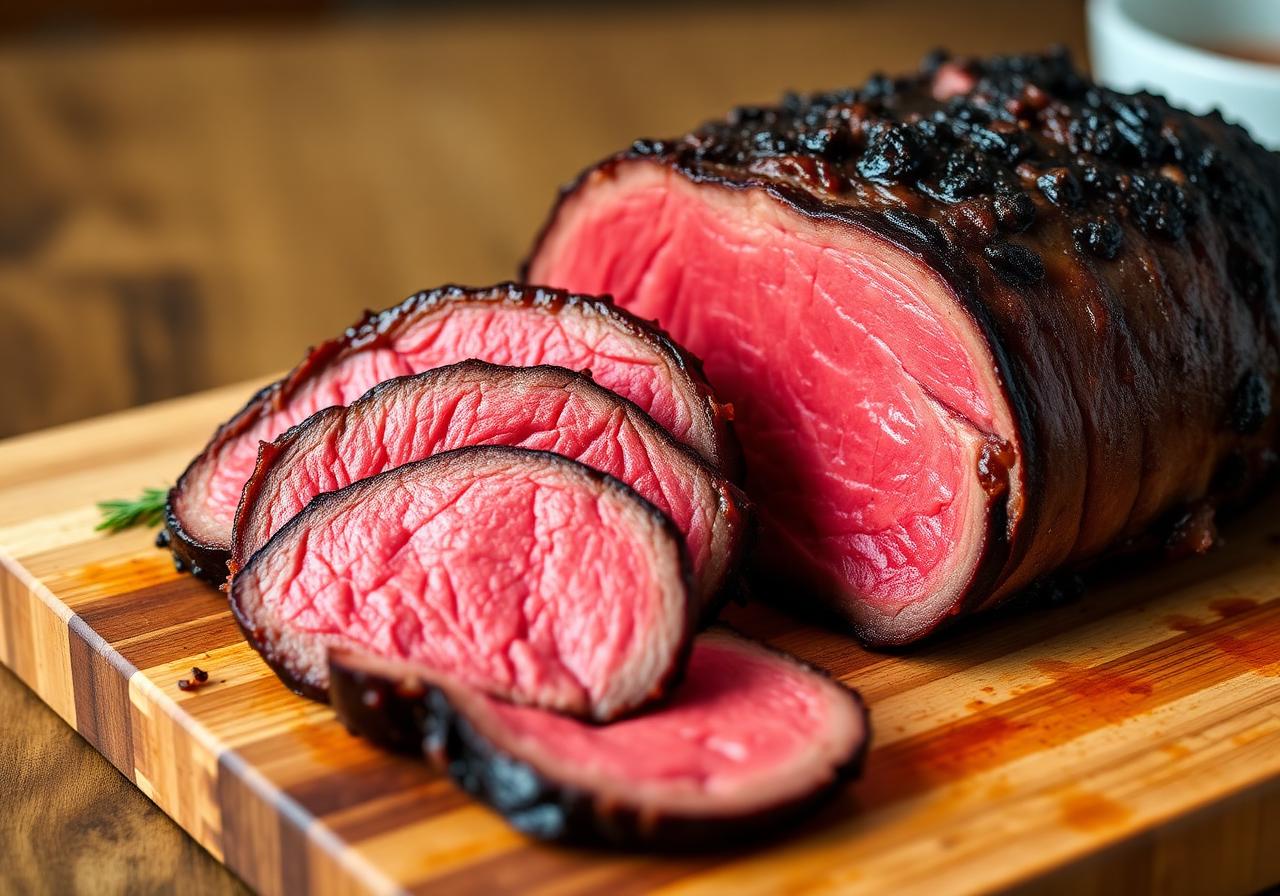
Eye of round is the bargain-bin hero of beef cuts — lean, affordable, and often ignored because of its reputation for toughness. Cooked properly, it transforms into tender, thinly-sliced roast beef that rivals anything from a deli counter. The key is a 225°F smoke to 120°F internal, a quick BBQ sauce baste, a final push to 130°F for perfect medium-rare, and a rest that lets the juices redistribute. Total time: about 2.5 hours for a 2-3 pound roast. Slice thinly across the grain and serve on brioche buns or as a proper Sunday supper.
The Recipe
Traeger Smoked Eye of Round Roast
Rated 4.8 — based on 103 reader ratings
Prep Time
15 minutes
Cook Time
2.5 hours
Rest Time
30 minutes
Serves
6-8 people
Smoker temp: 225°F (baste at 120°F internal)
Pull temp: 130°F internal (medium-rare)
Recommended pellets: Hickory, Oak, or Maple/Cherry blend
Share this recipe:
Before You Start
What You'll Need
An eye of round roast, a dry rub, and a bottle of BBQ sauce. This is one of the simpler recipes on the site.
The Ingredients
Homemade Beef Dry Rub
- • 2 tbsp kosher salt
- • 1 tbsp coarse black pepper
- • 1 tbsp smoked paprika
- • 1 tsp garlic powder
- • 1 tsp onion powder
- • 1 tsp brown sugar
This is a simple beef rub that works equally well on smoked tri-tip, chuck roast, and brisket burnt ends. Make a larger batch and store in an airtight container for 3 months.
The Equipment
The slicing knife matters more than most recipes admit. Thick slices of eye of round are tough; paper-thin slices are tender. A proper slicing knife (Victorinox Fibrox 12-inch at $50 is the value pick) makes the difference between "good roast beef" and "restaurant-quality roast beef."
Step by Step
How to Smoke Eye of Round Roast on a Traeger
Six steps. The work is in steps 1 and 6. Steps 2-5 are the Traeger cooking and the thermometer telling you when to move.
- 1
PREP
Trim, bind, and rub the roast
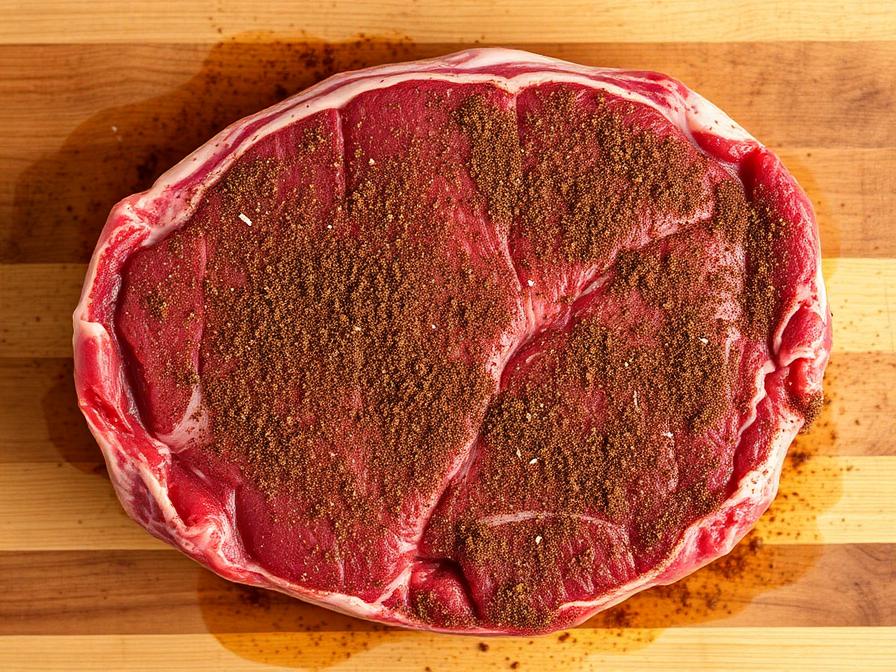
Remove the eye of round from its packaging and pat dry with paper towels. Most eye of round comes with a thin silver-skin layer and a small fat cap on one side — trim off the silver skin (it won't render during the cook and blocks smoke penetration), but leave the fat cap in place for flavor.
Brush a thin coat of Worcestershire sauce over the entire roast as a binder. This isn't for flavor — it's for rub adhesion. Generously apply the dry rub, pressing it into every surface. Use about 1.5 tablespoons of rub per pound of meat.
Let the rubbed roast sit at room temperature for at least 30 minutes before smoking. Room-temperature meat cooks more evenly than cold meat. If you have time, dry-brine overnight (rub the roast, wrap in plastic, refrigerate 8-24 hours) for deeper flavor penetration.
Time: 15 minutes active + 30 minutes rest (overnight is better)
- 2
PREHEAT
Preheat the Traeger to 225°F
Fire up your Traeger and set it to 225°F with the lid closed. Let it stabilize for 15 minutes. If your grill has Super Smoke mode (Ironwood, Timberline, Woodridge), enable it — the extra smoke adds flavor during the first hour when the beef absorbs it most.
Recommended pellets: Hickory for traditional BBQ flavor, Oak for balanced smoke, or a Maple + Cherry blend for mild sweetness without overpowering the beef. Avoid Mesquite — too aggressive for a 2.5-hour cook on a lean cut.
Time: 15 minutes preheat
- 3
SMOKE
Place roast on grates, smoke to 120°F internal
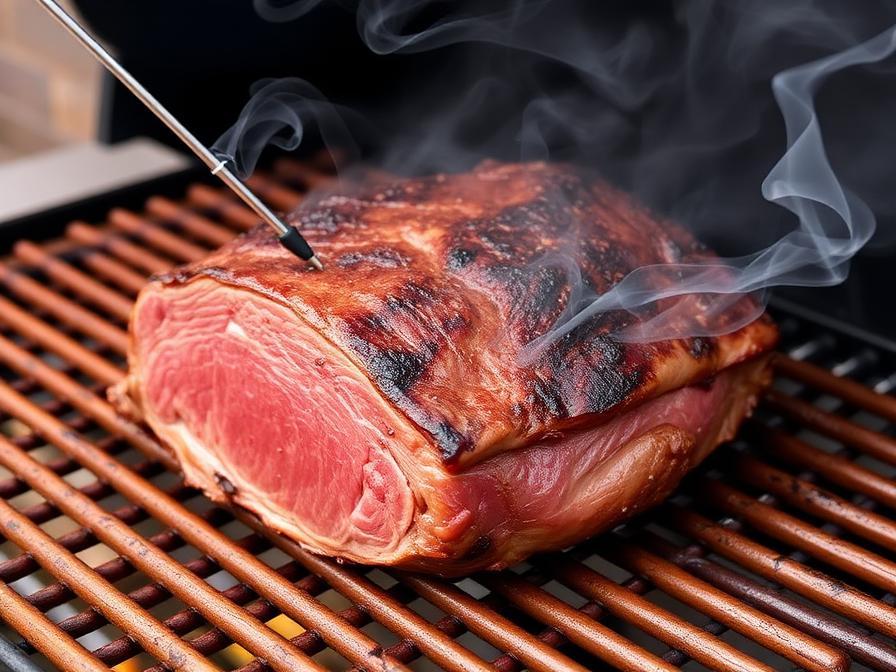
Place the seasoned roast directly on the grill grates. Insert your probe thermometer into the thickest part of the roast (not near the end, which cooks faster). Close the lid.
At 225°F, a 2-3 pound roast reaches 120°F internal in approximately 1.5-2 hours. A 4-5 pound roast takes 2-2.5 hours. Time varies with roast thickness more than weight — thicker roasts take longer regardless of total weight.
Do NOT open the lid during this phase. Every lid opening adds 10-15 minutes to cook time and releases smoke that should be penetrating the meat.
Time: 1.5-2 hours
- 4
BASTE
Baste with BBQ sauce at 120°F internal
When the internal temperature hits 120°F, open the lid and baste the entire surface of the roast with Traeger Texas Spicy BBQ Sauce (or similar). Use a brush or spoon to coat all sides — about 1/3 cup of sauce total.
Important: use a spicy/savory BBQ sauce, not a sweet one. Sweet Baby Ray's and similar sugar-heavy sauces will burn at smoker temperatures. Spicy sauces (Traeger Texas Spicy, Head Country Hot, Stubb's Original Legendary) have the right acid-heat balance for beef roasts at 225°F.
The BBQ sauce adds a mahogany color to the exterior, creates a thin flavor crust, and caramelizes into a slight sticky-sweet outer layer as the roast finishes.
Time: 2-3 minutes
- 5
FINISH
Close the lid and finish to 130°F (medium-rare)
Close the lid after basting. Continue smoking at 225°F until the internal temperature reaches exactly 130°F. This usually takes another 15-25 minutes after the baste.
CRITICAL: do not cook past 135°F internal. Eye of round is a lean cut with almost no intramuscular fat — cooking past medium-rare dries it out completely. The difference between 130°F (perfect) and 140°F (dry) is about 10-15 minutes at 225°F. Pay attention.
The probe test matters here too: at 130°F, the probe slides into the roast with slight resistance (unlike pork butt or brisket, which should slide like butter). Eye of round is firm even when perfectly cooked — that's the cut, not undercooking.
Time: 15-25 minutes
- 6
REST
Rest 30 minutes, then slice THIN across the grain
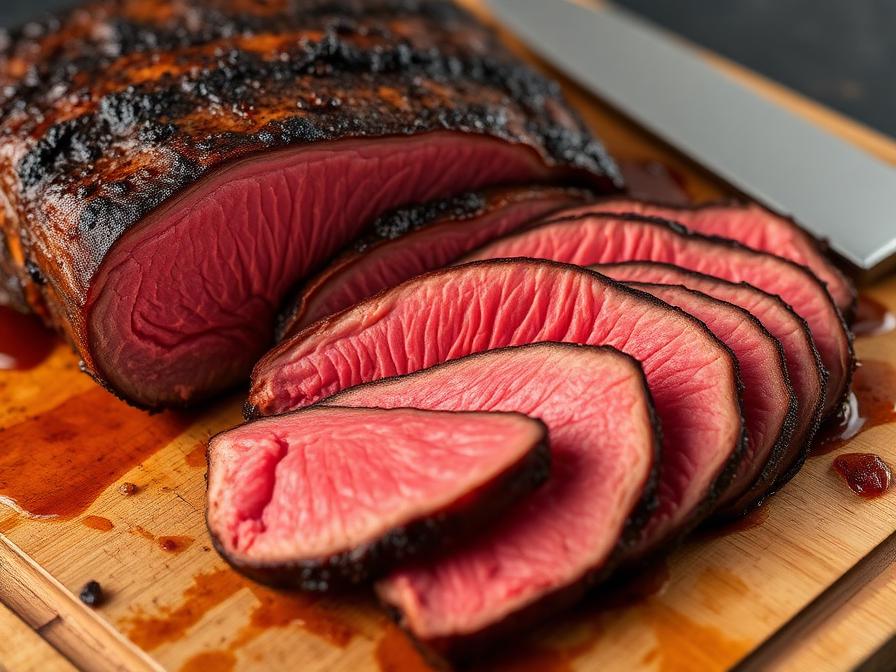
Remove the roast from the smoker when it hits 130°F. Place in a shallow dish and tent loosely with foil. Rest for at least 30 minutes — this is non-negotiable for lean beef cuts.
During the rest, internal temperature will climb another 3-5°F via carryover cooking, finishing at 133-135°F. Juices redistribute throughout the meat instead of pouring out when you slice.
Slicing technique is the difference between tough and tender: identify the direction of the meat's grain (the long muscle fibers running through the roast), then slice PERPENDICULAR to those fibers — across the grain, not with them. Slice as thin as you can manage — deli-style is the goal. A sharp slicing knife is essential; dull knives tear rather than cut, which breaks grain structure unpredictably.
Serve as sandwiches (brioche bun, horseradish cream, arugula, thin red onion) or as a traditional roast beef dinner (with au jus, roasted root vegetables, Yorkshire pudding).
Time: 30 minutes rest + 10 minutes slicing
Understanding the Cut
Why Eye of Round Is the Bargain-Bin Hero
Most grocery shoppers walk past eye of round thinking it's tough and boring. They're half right about the first part — and completely wrong about the second.
Eye of round comes from the rear leg of the cow — a hard-working muscle that builds dense texture and minimal marbling. The result: a lean, affordable cut that costs $6-10 per pound compared to $18-25 per pound for a well-marbled ribeye. You get more meat per dollar than almost any other cut of beef.
The "tough" reputation is earned only when the cut is cooked wrong. Eye of round CANNOT be treated like a brisket or chuck roast — those cuts have enough fat and connective tissue to survive 12+ hours of low-and-slow cooking. Eye of round has almost neither. Cook it to 205°F like brisket and you'll end up with jerky.
What makes eye of round different
Almost no intramuscular fat (marbling), very little connective tissue, tight long muscle fibers running parallel. It's essentially pure lean beef. This is why it responds poorly to slow-cooking methods that rely on fat rendering and collagen breakdown.
Why this recipe works
By cooking only to 130°F (medium-rare) and slicing ultra-thin across the grain, you short-circuit the "tough" problem entirely. Medium-rare preserves the meat's natural moisture; thin slicing minimizes the distance your teeth need to cut through muscle fibers.
Rule of thumb: if a recipe tells you to cook eye of round past 140°F, it's either wrong or assumes you're making pot roast (different technique, requires tenderizing agents). For smoked roast beef, medium-rare is the only correct target.
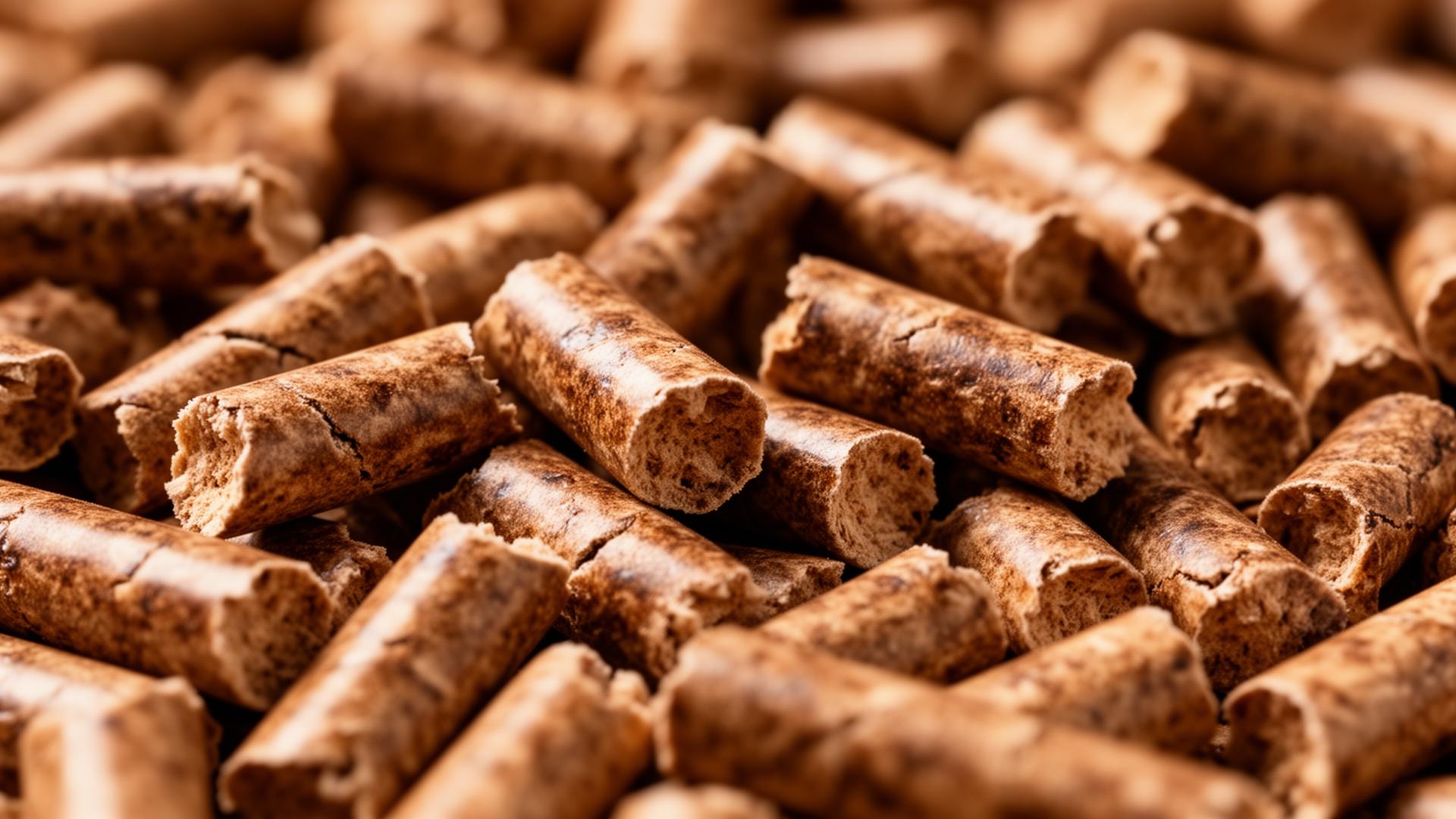
Pellet Selection
The Best Pellets for Eye of Round
Beef stands up to stronger smoke than pork, but eye of round's delicate lean flavor benefits from balanced pellets rather than aggressive ones.
Hickory (Classic Choice)
Traditional beef smoke flavor. Strong, slightly sweet, classic BBQ taste. On a 2.5-hour cook, hickory delivers enough smoke to register in the final slice without overwhelming the beef's natural flavor. The most popular choice for smoked roast beef.
Best for: Traditional BBQ flavor, classic roast beef taste
Oak (Balanced)
Milder than hickory with a cleaner smoke profile. Oak doesn't compete with the beef's natural flavor the way hickory can. This is the competition-pit-master choice for beef because it lets the meat speak for itself. Not as common in retail pellet bags — look for Lumberjack 100% Oak.
Best for: Clean beef flavor, subtle smoke
Maple + Cherry Blend (Mild)
Sweet-milder profile that adds complexity without overpowering. Produces a beautiful reddish-mahogany crust color. Good choice if you find pure hickory too aggressive or want a more nuanced flavor. Traeger Signature Blend is a commercial version of this flavor profile.
Best for: Mild smoke, beautiful color
What to Avoid
- •Mesquite: too aggressive for 2.5 hours on a lean cut; overwhelms the beef
- •Apple alone: too subtle for beef; better on pork
- •Pecan: works but less traditional for beef
Doneness Guide
Eye of Round Doneness: Why Medium-Rare Is the Only Target
Most cuts have a range of acceptable doneness. Eye of round really doesn't. Here's why.
Rare (125°F internal)
- Final result:
- Very soft texture, deep red center
- Our take:
- Works, but most home cooks find the texture unusual for a “roast.”
- Recommended:
- Only if you're specifically targeting rare deli-style roast beef
Medium-rare (130°F internal) — RECOMMENDED
- Final result:
- Firm-but-tender, rosy-pink center, best flavor-to-texture ratio
- Our take:
- This is the target for this recipe. Classic smoked roast beef doneness.
- Recommended:
- Always. This is what this recipe is built for.
Medium (140°F internal)
- Final result:
- Firmer texture, pale pink center, starting to dry
- Our take:
- Noticeably drier than medium-rare. Acceptable but not recommended.
- Recommended:
- Only if you genuinely don't like any pink in your beef
Medium-well or higher (150°F+ internal)
- Final result:
- Tough, dry, borderline jerky-like
- Our take:
- Do not cook eye of round past 145°F. This cut has no fat reserve to protect it from overcooking.
- Recommended:
- Never
The truth about eye of round doneness: unlike ribeye or New York strip where doneness is preference, eye of round has a narrow acceptable window. Too rare, texture is off; too cooked, meat is dry. 130°F is the sweet spot. A $25 instant-read thermometer is the difference between perfect and ruined.
The Gear I Use
Essential Gear for Smoked Eye of Round
Three tools that separate deli-quality roast beef from a disappointing dry cook.
Leave-In Meat Thermometer
Non-negotiable for this recipe. You need to know when internal temp hits 120°F for the baste and 130°F for the pull. ThermoPro TP20 at $70 is the value pick — wireless, two probes. MEATER Plus at $100 is the premium option with a single wireless probe that lives in the meat.
Shop meat thermometers →Sharp Slicing Knife
Thick slices of eye of round are tough; paper-thin slices are tender. A proper long-bladed slicing knife makes the difference. Victorinox Fibrox 12-inch at $50 is the value pick — used by professional delis and butcher shops. Serrated electric knives also work well.
Shop slicing knives →Hickory or Oak Pellets
Classic beef smoke flavor. Traeger Hickory at $20/20lb bag works fine. Lumberjack 100% Hickory or 100% Oak are premium options for serious pit masters. Avoid cheap unmarked “blend” pellets — quality varies wildly.
Shop hickory pellets →BBQ Sauce (Spicy, Not Sweet)
The baste step requires a spicy or savory BBQ sauce — not sweet. Traeger Texas Spicy, Head Country Hot, or Stubb's Original are the right choices. Sweet Baby Ray's will burn at smoker temperatures. Don't make this mistake.
Shop BBQ sauces →Avoid These
7 Common Smoked Eye of Round Mistakes
This cut is less forgiving than brisket or pork butt. Here's what goes wrong most often.
Mistake 1: Cooking past 135°F internal
Eye of round has almost no intramuscular fat to protect it from overcooking. Above 140°F, the meat dries out dramatically. Above 150°F, it's jerky. Pull at exactly 130°F, let it climb to 133-135°F during the rest, done. The single biggest mistake home cooks make with this cut.
Mistake 2: Treating it like brisket or chuck roast
Brisket and chuck roast get cooked to 205°F because they have enough fat and collagen to survive that long. Eye of round does not. Cooking this cut low-and-slow to 205°F results in dry, fibrous meat — the opposite of pulled pork. Treat eye of round like a steak, not like a brisket.
Mistake 3: Slicing with the grain instead of against it
Eye of round's muscle fibers run in long parallel lines. Slicing WITH those fibers (along the length) leaves long tough strands in your bite. Slicing AGAINST those fibers (perpendicular) breaks them into short tender pieces. Identify the grain direction before you slice; rotate the roast if needed.
Mistake 4: Using sweet BBQ sauce for the baste
Sweet Baby Ray's and similar sugar-heavy sauces burn at 225°F smoker temperatures. The burned sugar creates bitter, acrid flavor on the exterior. Use spicy or savory BBQ sauce (Traeger Texas Spicy, Head Country Hot, Stubb's Original) — they balance acidity and heat without excess sugar.
Mistake 5: Not resting the meat
Slicing roast beef immediately after removing it from the grill loses 30-40% of the juices to evaporation and cutting-board runoff. A 30-minute rest (tented in foil) lets juices redistribute and carryover cooking finish. This is the non-optional step that separates good roast beef from great roast beef.
Mistake 6: Slicing too thick
Quarter-inch thick slices feel tough even when the meat is perfectly cooked to medium-rare. 1/8-inch (deli thin) slices taste tender and juicy from the same roast. If you don't have a proper slicing knife, an electric knife produces thinner slices than most handheld knives.
Mistake 7: Skipping the Worcestershire binder
Dry rub applied to raw meat doesn't stick well — it falls off when the roast hits the grill. A thin coat of Worcestershire sauce (or olive oil, or yellow mustard) as a binder helps the rub adhere properly. Takes 30 seconds; makes a noticeable difference in flavor density.
What to Do With It
6 Ways to Serve Smoked Eye of Round
Thinly-sliced smoked roast beef is one of the most versatile proteins you can make. Here's how to showcase it.
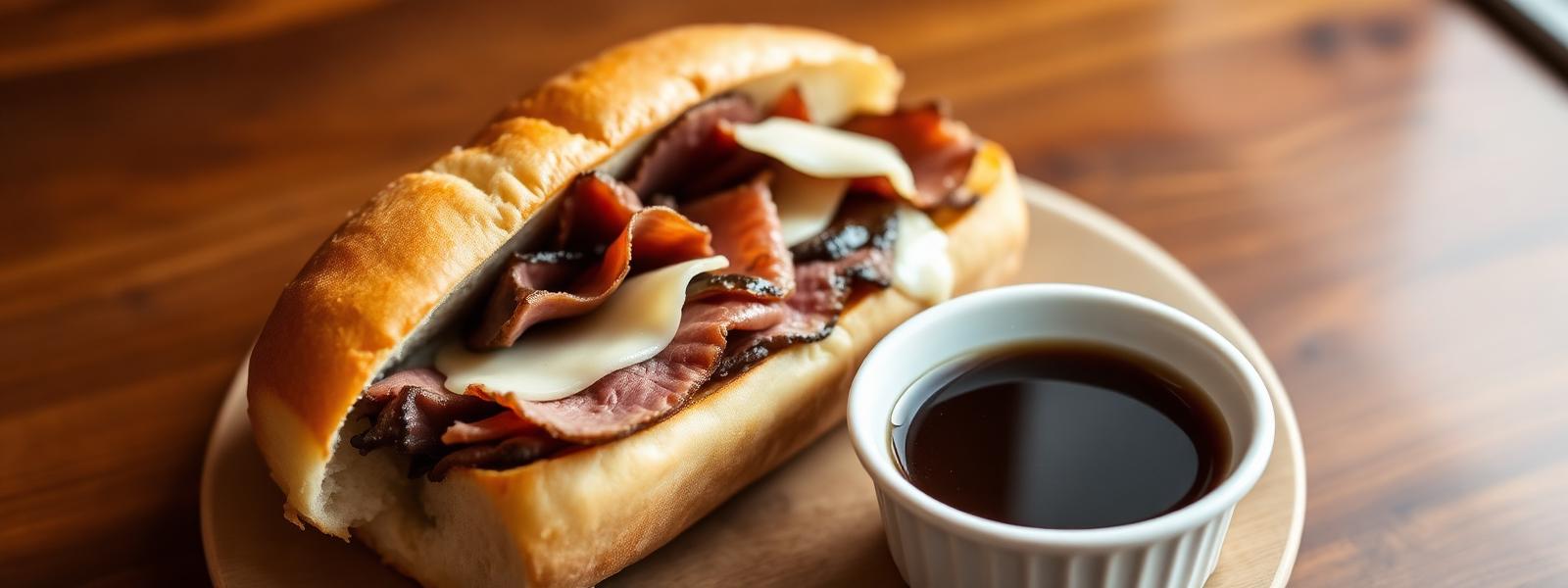
1. Classic French Dip
Thinly sliced beef on a hoagie roll with melted provolone, dipped in warm au jus.
2. Roast Beef & Horseradish Cream
Brioche bun, thick horseradish cream, thin-sliced beef, arugula, pickled red onion.
3. Beef & Bleu Cheese Salad
Arugula, thin-sliced beef, crumbled bleu cheese, cherry tomatoes, balsamic vinaigrette.
4. Roast Beef Tacos
Corn tortilla, beef, queso fresco, cilantro, lime, hot sauce.
5. Carpaccio Platter
Arrange paper-thin slices with capers, lemon juice, Parmesan, olive oil, cracked pepper.
6. Italian Beef Sandwich
Thinly sliced beef piled on Italian sub roll with giardiniera and sweet peppers.
Leftover smoked eye of round keeps beautifully in the fridge for 5-7 days and freezes well for 3 months. For longer storage, vacuum seal individual portions — smoked beef freezer-burns faster than other cuts because of its low fat content.
FAQ