Traeger Chicken Guide
Traeger Chicken Legs: Crispy Smoked Drumsticks on a Pellet Grill
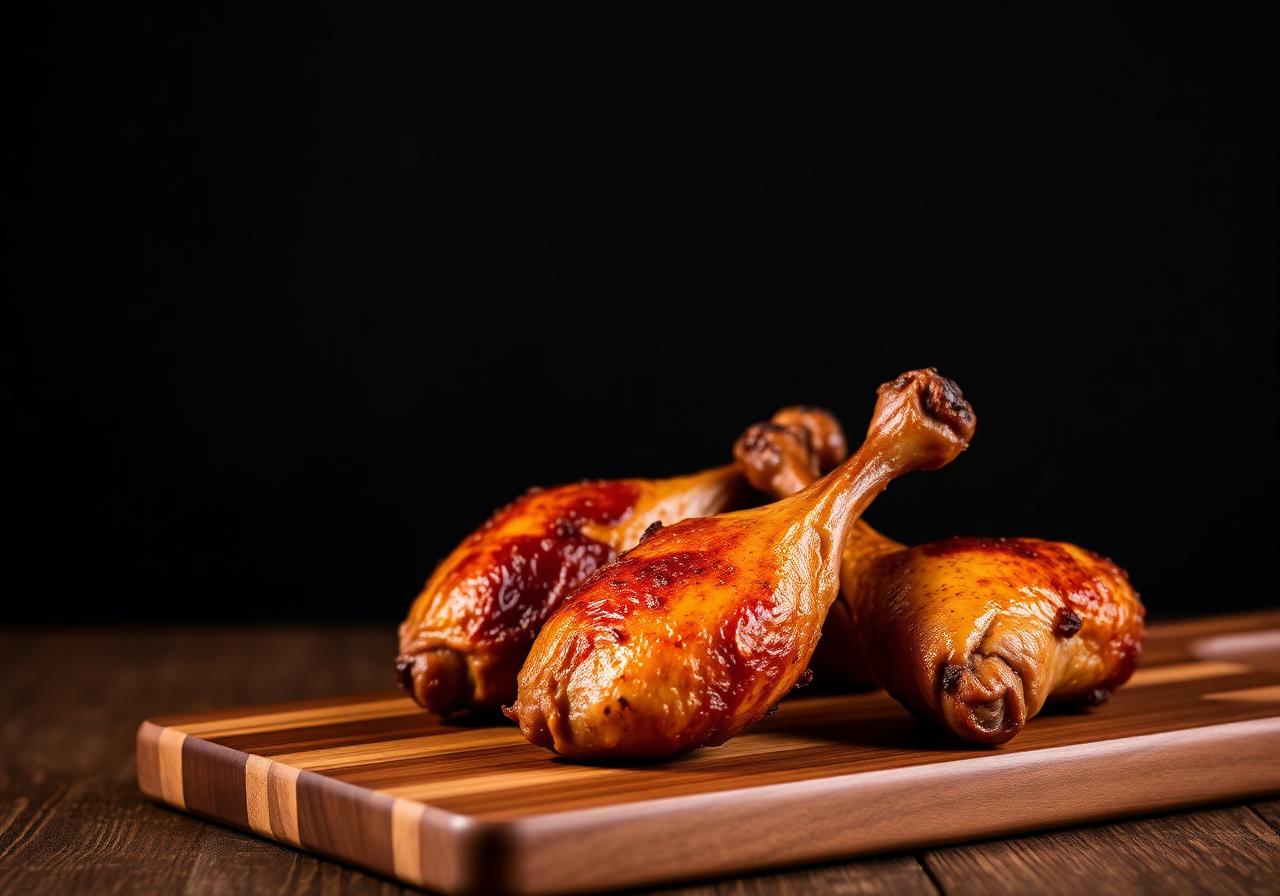
Traeger chicken legs are easy, inexpensive, and perfect for pellet grill smoke, but the key is balancing smoke flavor with skin texture. Smoked chicken drumsticks need to be cooked hotter than low-and-slow chicken if you want better skin, finished with a thermometer for doneness, and only sauced near the end so the BBQ sauce sets without burning.
Quick rule
Cook Traeger chicken legs at 350°F to 375°F for about 40 to 60 minutes, to a minimum of 165°F internal — many cooks prefer 175°F to 185°F for more tender drumsticks. Sauce only during the final 10 minutes.
Best Traeger temp: 350°F to 375°F
Typical cook time: 40 to 60 minutes
Safe internal temp: 165°F
Better texture range: 175°F to 185°F
Sauce timing: Final 10 minutes
Best pellets: Apple, cherry, hickory, oak, competition
Featured Answer
Quick answer: how long to cook chicken legs on a Traeger
Cook chicken legs on a Traeger at 350°F to 375°F for about 40 to 60 minutes, depending on drumstick size, weather, and grill temperature stability. Chicken legs are safe at 165°F internal temperature, but many cooks prefer taking drumsticks closer to 175°F to 185°F for more tender texture. Add BBQ sauce during the final 10 minutes so it can set without burning.
The Recipe
Traeger Chicken Legs (Crispy Smoked Drumsticks)
Rated 4.9 — based on 139 reader ratings
Prep Time
10 minutes
Cook Time
40–60 minutes
Rest Time
5 minutes
Serves
4–6 (10–12 drumsticks)
Smoker temp: 350°F to 375°F (sweet spot)
Pull temp: 165°F minimum (175–185°F for tender drumsticks)
Recommended pellets: Apple, cherry, hickory, oak, pecan, or competition blend
Share this recipe:
Pellet Grill Reference
Traeger chicken legs time and temperature chart
Use this chart to choose your Traeger temperature based on how much smoke you want and how crispy you want the skin. 350°F and 375°F are the recommended range for most cooks.
350°F
Balanced smoke and better skin — forgiving default.
375°F
Best weeknight pick — crispier skin, faster cook.
225°F
More smoke but softer skin — needs a hotter finish.
400°F
Faster and crispier — watch sauce and drying.
| Traeger temp | Approx cook time | Skin texture | Smoke level | Best for | Notes |
|---|---|---|---|---|---|
| 225°F | About 1 hr 45 min – 2 hr 15 min | Soft, often rubbery without a hot finish | Strong | Maximum smoke flavor (then crank up) | Plan a 375°F to 400°F finish for skin |
| 250°F | About 1 hr 30 min – 2 hr | Soft to bite-through | Strong | Smoke-forward cooks | Still benefits from a hotter finish |
| 275°F | About 1 hr 15 min – 1 hr 45 min | Bite-through, not fully crispy | Medium-strong | Balanced low-and-slow option | Good middle ground for flavor |
| 325°F | About 50 – 75 min | Moderate, decent texture | Medium | Easier all-in-one cook | Skin improves vs. low-and-slow |
| 350°FRecommended | About 45 – 60 min | Good crispiness with patience | Medium | Recommended default for smoky drumsticks | Forgiving and sauce-friendly |
| 375°FRecommended | About 40 – 55 min | Crispy and rendered | Light-medium | Best weeknight balance of skin and speed | Top pick for crispy Traeger chicken legs |
| 400°F | About 35 – 45 min | Crispiest, fastest | Light | Skin-focused cooks | Watch closely; sauce can burn fast |
Before You Start
What you'll need
Drumsticks, dry rub, a Traeger. Maybe BBQ sauce at the end. One of the simplest pellet grill recipes you can make.
Ingredients
Simple chicken dry rub
- • 1 tablespoon smoked paprika
- • 1 tablespoon brown sugar (optional)
- • 2 teaspoons kosher salt
- • 1 teaspoon black pepper
- • 1 teaspoon garlic powder
- • 1 teaspoon onion powder
- • 1/2 teaspoon mustard powder
- • 1/4 teaspoon cayenne (optional, for mild heat)
Keep sugar light if you’re cooking at 375°F or higher — too much sugar in the rub can scorch before the chicken legs hit 165°F.
Equipment
No specialty gear required. A standard Traeger with stock grates handles chicken legs perfectly. A chicken leg hanger is optional and helps with even cooking when you have a lot of drumsticks.
Step by Step
How to cook Traeger chicken legs, step by step
A repeatable method for crispy smoked drumsticks at 350°F or 375°F. Use an instant-read thermometer for doneness, and don’t sauce too early.
- 1
DRY
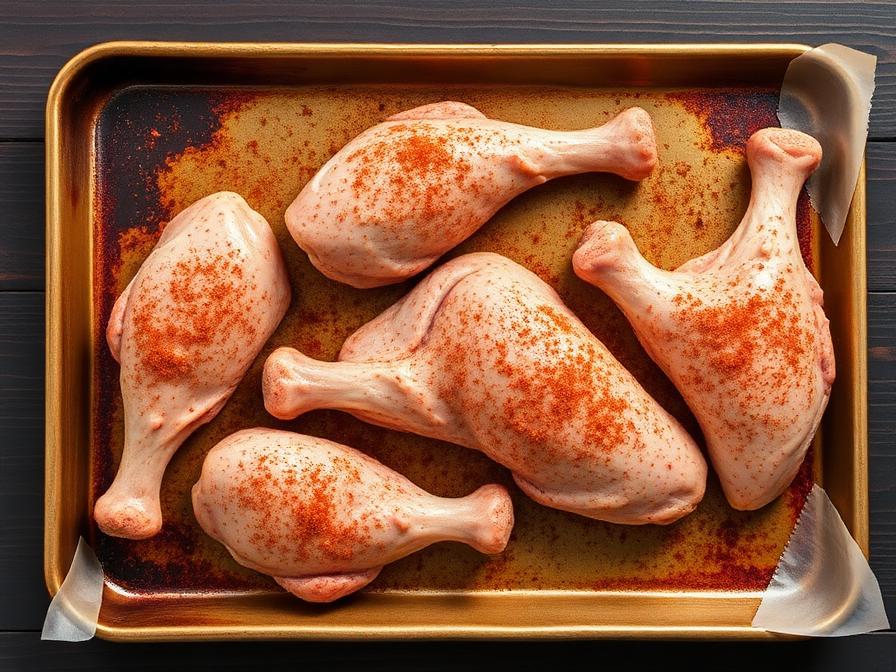
Pat the chicken legs dry
Dry skin is the foundation of crispy skin on a pellet grill. Pat each drumstick all over with paper towels — top, bottom, and the skin folds near the joint.
Skip wet marinades right before cooking. If you want a marinade, drain and pat dry, then season. Surface moisture is the main reason Traeger chicken skin turns out rubbery.
Time: 2 minutes
- 2
SEASON
Season or dry brine the drumsticks
Lightly oil the drumsticks if your rub needs help adhering, then season generously on all sides. Salt, pepper, garlic, onion, and paprika are a reliable base. A balanced BBQ rub or chicken-specific rub also works well.
Optional dry brine: place seasoned drumsticks on a wire rack and refrigerate uncovered for 4–8 hours. The cold, dry air pulls moisture out of the skin so it crisps better on the Traeger.
Time: 5 minutes active (optional 4–8 hour dry brine in the fridge)
- 3
PREHEAT
Preheat the Traeger to 350°F or 375°F
For most cooks, set the Traeger to 350°F for a forgiving balance of smoke and skin, or 375°F when you want crispier skin and a faster cook.
Lower temperatures (225°F to 275°F) give more smoke flavor but softer skin. If you go low, plan to finish at 375°F to 400°F for the last 10–15 minutes to render the skin.
Recommended pellets: apple, cherry, hickory, oak, pecan, or a competition blend. Use mesquite sparingly — it can overpower chicken.
Time: 10–15 minutes preheat
- 4
GRILL
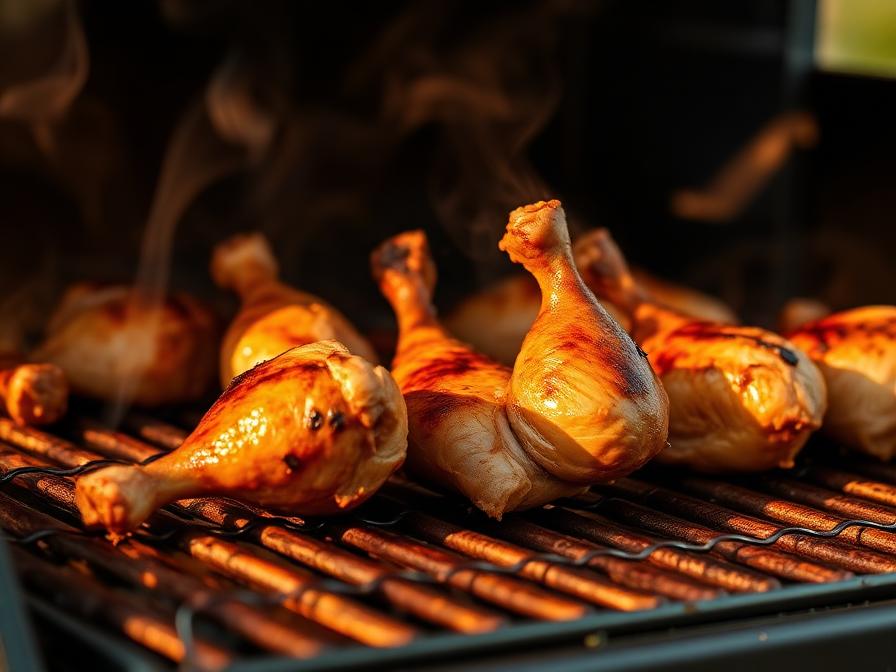
Place drumsticks on clean grates with space between each
Lay drumsticks directly on the grates with at least 1 inch between each piece. Crowding traps moisture and steams the skin instead of crisping it.
Close the lid and let the Traeger do its job. Constantly opening the lid drops grill temperature and extends cook time. Use a leave-in probe if you have one.
Time: Setup
- 5
TURN
Flip or rotate as the skin tightens and browns
After about 25–30 minutes the skin will start to tighten and brown. Flip the drumsticks once for even color. Rotate any pieces near hot spots.
Don’t over-flip — every flip releases rendered fat and slightly cools the skin. One or two flips total is plenty for most cooks.
Time: Once or twice during the cook
- 6
SAUCE
Brush BBQ sauce on during the final 10 minutes
If you’re using BBQ sauce, brush a thin layer on during the last 10 minutes only. Sugary sauces burn quickly above 350°F if applied too early.
Use a clean brush or spoon — keep anything that touched raw chicken away from the cooked drumsticks. Apply a second light coat if you want a glossier finish.
Time: Final 10 minutes
- 7
TEMP
Cook to at least 165°F internal temperature
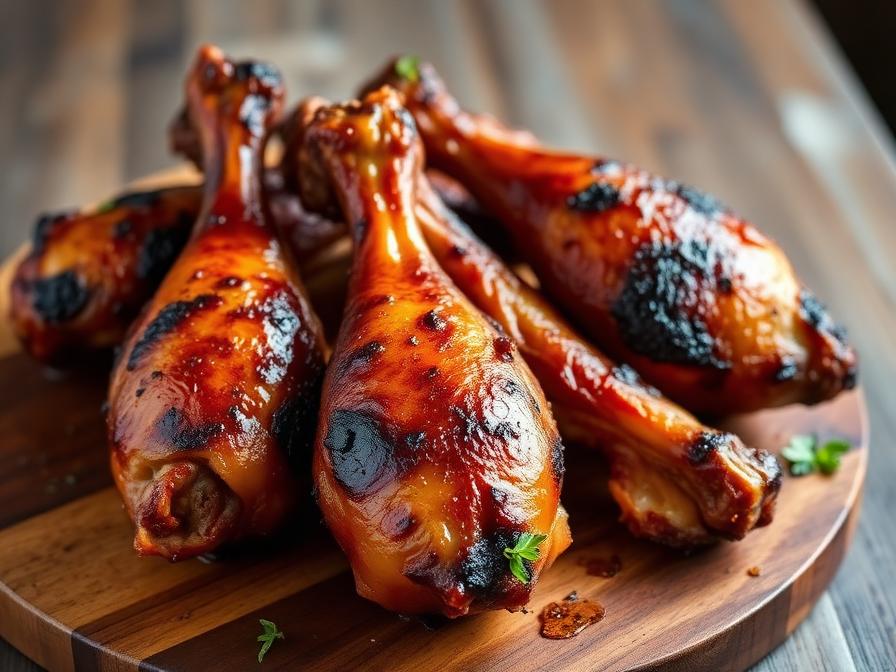
Insert an instant-read thermometer into the thickest part of a drumstick, avoiding the bone. Chicken is safe at 165°F internal temperature.
Many cooks prefer to take drumsticks a bit higher — 175°F to 185°F — for more tender, bite-through dark meat. The extra time helps connective tissue render. But 165°F is the minimum safe temperature.
Don’t rely on color. Smoke can make chicken look done long before it is, and chicken can also look pale at the joints when it’s perfectly cooked.
Time: Final check
- 8
REST
Rest briefly, then serve while the skin is warm
Rest drumsticks uncovered on a wire rack or plate for about 5 minutes. Don’t tent with foil — trapped steam softens the crispy skin you just built.
Serve soon after cooking for the best texture. Pellet grill chicken skin is crispiest in the first 10–15 minutes off the grill.
Time: 5 minutes
Method notes
- • Do not sauce too early — sugary BBQ sauce burns at higher temps.
- • Don’t rely on color alone. Smoke darkens chicken before it’s done.
- • Use an instant-read thermometer to confirm 165°F internal.
- • Avoid crowding the grill — leave at least 1 inch between drumsticks.
- • Keep the lid closed as much as practical to hold grill temp steady.
Skin Texture
How to get crispy skin on Traeger chicken legs
Pellet grills are indirect cookers, so chicken skin can turn rubbery if cooked too low for the entire time. Higher cooking temperatures help render fat and improve skin texture.
Pat dry before seasoning
Surface moisture is the #1 reason for rubbery skin. Pat drumsticks dry on all sides before any rub or oil.
Cook at 350°F to 375°F
Instead of staying at 225°F, run the whole cook in the 350°F to 375°F range so the skin can render.
Avoid wet marinades right before cooking
If you marinate, drain and pat dry. Wet skin has to evaporate before it can brown.
Use light oil or binder only if needed
A thin oil layer helps rub stick, but too much oil pools and slows crisping.
Don’t sauce too early
Wait until the final 10 minutes to brush BBQ sauce so it sets instead of burning or staying gummy.
Finish hotter if skin is rubbery
If the skin is soft when temp is close, crank the Traeger to 375°F or 400°F for the last 10 minutes.
Leave space between drumsticks
At least 1 inch of airflow around each drumstick keeps the skin from steaming.
Serve soon after cooking
Pellet grill chicken skin is crispiest in the first 10–15 minutes off the grill. Don’t tent with foil.
Temperature Comparison
Traeger chicken legs at 350 vs 375
Both 350°F and 375°F work well for chicken legs on a pellet grill. Here’s how to pick.
350°F
More forgiving, slightly slower cook. Good balance of smoke and skin. Easier on sauced drumsticks because sugars are less likely to scorch.
Best for relaxed cooks and sauced legs
375°F
Better skin texture, faster cook. A strong weeknight default and the most reliable temperature for crispy Traeger chicken legs.
Best weeknight pick for crispy skin
225°F then 400°F finish
Two-stage smoke-then-crisp method. More smoke flavor, more steps. Plan a 10–15 minute finish at 400°F to set the skin.
Best for maximum smoke flavor
400°F
Fast and crisp, but easier to overcook the meat or burn BBQ sauce. Watch temps closely and sauce only in the last few minutes.
Best when skin texture is the priority
Cut Guide
Chicken legs, drumsticks, and leg quarters on a pellet grill
These cuts are often called by the same name, but they cook a little differently on a pellet grill.
Chicken legs / drumsticks
Home cooks often use these terms interchangeably. Drumsticks usually mean the lower leg only — what most people think of as a Traeger chicken leg.
Leg quarters
A leg quarter is the thigh plus the drumstick still attached. They’re bigger, hold more fat, and take noticeably longer to cook to safe temperature.
Cooking implication
Leg quarters take longer than drumsticks at the same Traeger temperature. Always check the thickest part of the thigh with a thermometer instead of going by time alone.
More Smoke Flavor
Smoked chicken drumsticks on a Traeger
If you want more smoke flavor than a straight 350°F to 375°F cook gives you, run a lower smoke-first method — then finish hot for the skin.
Two-stage smoked chicken drumsticks method
- 1. Smoke at 225°F to 250°F for 30 to 60 minutes for deep smoke flavor.
- 2. Crank the Traeger to 375°F to 400°F for the last 10 to 15 minutes to render the skin.
- 3. Brush BBQ sauce on during the final 10 minutes only.
- 4. Cook to at least 165°F internal, or 175°F to 185°F for more tender drumsticks.
Only start low if you’re willing to finish at 375°F to 400°F. Staying at 225°F the whole time is the main reason for rubbery smoked chicken skin.
Skin Texture
How to get crispy skin on Traeger chicken legs
Crispy skin on a pellet grill is mostly about dry surface, hot enough temperature, and patience with sauce. Run through this checklist before every cook.
- Pat the drumsticks dry with paper towels before seasoning.
- Cook hotter than 225°F if skin matters — 350°F to 375°F is the sweet spot.
- Skip wet marinades right before cooking; pat dry if you used one.
- Don't sauce too early — wait for the final 10 minutes only.
- Leave at least 1 inch of space between drumsticks for airflow.
- Finish at 375°F to 400°F for 10–15 minutes if skin is rubbery.
- Serve soon after cooking — skin softens once it sits or gets tented.
Sauce Strategy
When to sauce Traeger chicken legs
BBQ sauce, especially store-bought, is loaded with sugar that scorches above 350°F. Timing matters more than the brand of sauce you use.
Sauce in the final 10 minutes
Long enough for the sauce to set and tack up, short enough to avoid burning.
Apply thin layers
Two thin coats glaze better than one thick coat that drips or runs.
Avoid high-sugar sauce too early
Sweet sauces caramelize, then burn fast. Save them for the end of the cook.
Let the sauce tack up
Give the sauce 4–5 minutes per coat to set before adding another layer.
Keep raw and cooked separate
Never reuse a basting brush that touched raw chicken on cooked drumsticks.
Use a clean tool for cooked chicken
A silicone basting brush or spoon dedicated to cooked chicken keeps things safe.
Pellet Selection
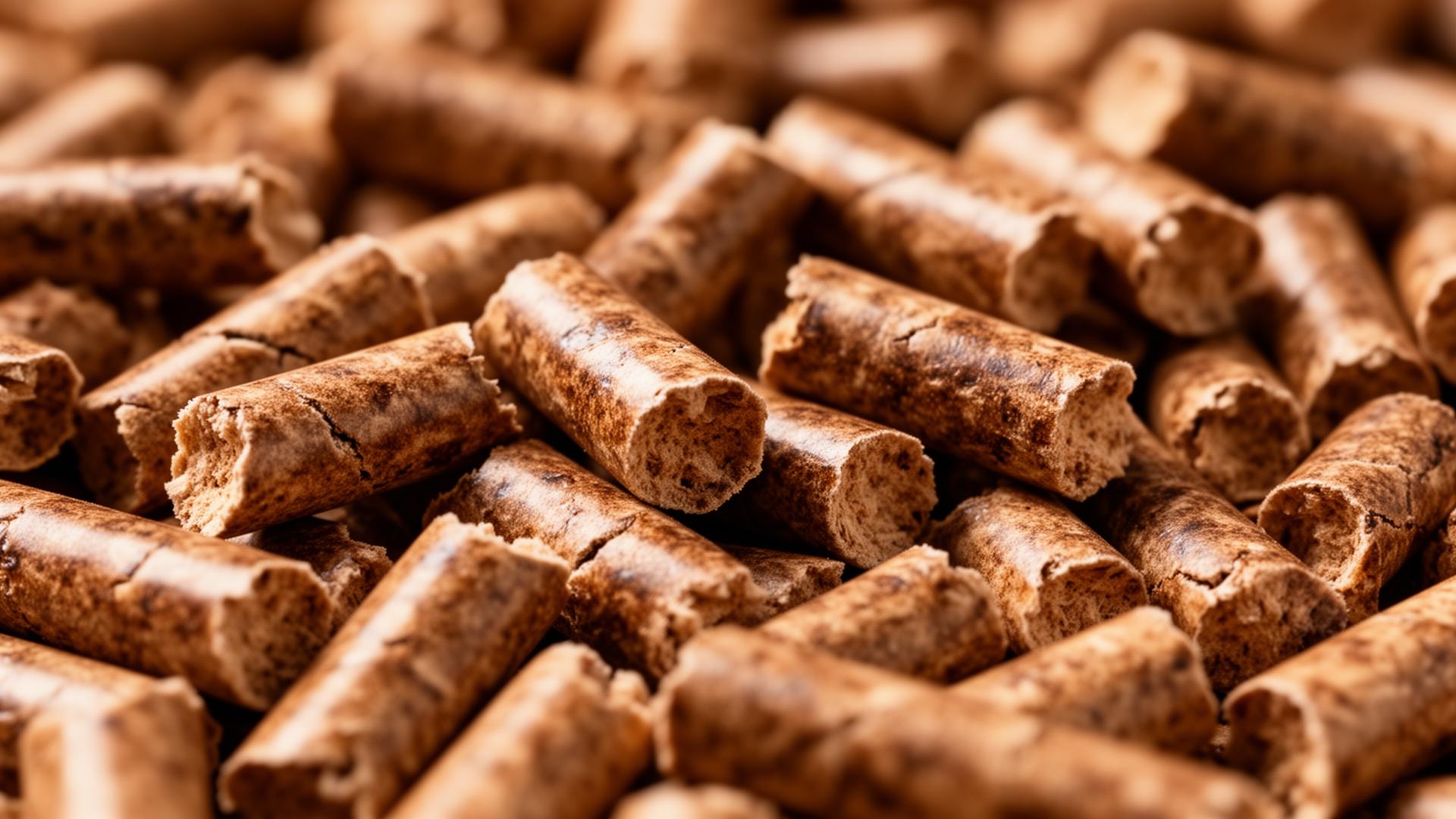
Best pellets for Traeger chicken legs
Chicken absorbs smoke quickly. Mild and medium pellets generally produce better results than aggressive ones like straight mesquite.
Apple
Mild and slightly sweet. The most popular pellet for chicken — pairs naturally with rubs and BBQ sauce without overpowering.
Best for: Classic chicken flavor, sauced drumsticks
Cherry
Subtle fruit smoke and a deeper mahogany skin color. Great when you want chicken legs that look as good as they taste.
Best for: Color and a hint of sweetness
Hickory
Classic BBQ flavor. Bolder than apple or cherry — a good match for spicier rubs and competition-style drumsticks.
Best for: Bold BBQ flavor, spicy rubs
Oak
Clean, all-purpose smoke. Doesn’t overpower the chicken and works well in competition blends. A safe pellet for most cooks.
Best for: Balanced everyday smoke
Pecan
Mild and slightly nutty. Underrated for chicken — works especially well with brown sugar or sweet rubs.
Best for: Sweet rubs, smooth flavor
Competition Blend
Usually a mix of hickory, maple, and cherry. A reliable, hard-to-go-wrong choice for Traeger chicken legs.
Best for: Safe all-purpose pick
Use mesquite carefully
Mesquite is bold and can overpower chicken in shorter cooks. Use it sparingly, blend it with a milder wood like oak or apple, or save it for beef.
Looking for a pellet grill upgrade? See our best pellet grill and best Traeger alternatives guides.
Flavor Ideas
Best seasoning for Traeger chicken drumsticks
Keep it simple, or build up. These all work well on chicken legs at 350°F to 375°F.
Salt, pepper, garlic, onion
The reliable starting point. Lets the smoke do the talking.
Paprika-forward
Smoked paprika adds color and a subtle smoky depth that pairs with apple pellets.
BBQ rub
Balanced sweet-savory rubs play well with finishing BBQ sauce.
Lemon pepper
Bright and citrusy. Great with cherry or pecan pellets.
Spicy rub
Add cayenne, chipotle, or chili powder for heat — keep sugar low at 375°F+.
Dry brine option
Salt the drumsticks 4–8 hours ahead, uncovered in the fridge, for crispier skin.
Sauce + rub combo
Rub during cooking, then thin BBQ sauce in the last 10 minutes.
Avoid too much sugar early
Sugary rubs can scorch above 350°F. Save heavy sweetness for the final glaze.
Avoid These
Mistakes to avoid with Traeger chicken legs
The most common reasons Traeger chicken legs come out rubbery, dry, or unsafe — and how to fix each one.
Mistake 1: Cooking too low for the whole cook and ending up with rubbery skin
Staying at 225°F the entire time gives you smoky-flavored chicken with chewy, soft skin — the classic pellet grill chicken problem. Either run the whole cook at 350°F to 375°F, or finish the last 10–15 minutes at 375°F to 400°F if you started low for more smoke.
Mistake 2: Saucing too early
BBQ sauce is loaded with sugar. Brush it on early and it burns or stays gummy. Wait until the final 10 minutes of the cook, brush a thin coat, and let it tack up before serving.
Mistake 3: Not using a thermometer
Color is not a reliable doneness signal on a pellet grill. Smoke darkens skin long before the meat is done, and the joints can look pale at perfect temp. Use an instant-read thermometer and aim for at least 165°F.
Mistake 4: Crowding the drumsticks
Packed-in drumsticks steam each other and never crisp. Leave at least 1 inch of space between pieces so heat and smoke can move around the chicken legs.
Mistake 5: Using a wet marinade right before grilling
Wet marinades coat the skin in liquid that has to evaporate before browning can start. If you marinate, drain and pat dry before seasoning so the skin can render and crisp.
Mistake 6: Opening the lid constantly
Each peek drops the Traeger 25–50°F and stretches the cook. Trust the probe or instant-read thermometer instead of eyeballing.
Mistake 7: Pulling chicken based on color instead of temperature
Smoke makes chicken look ‘done’ in 30 minutes. Internal temp is what matters — 165°F minimum, with many cooks preferring 175°F to 185°F on drumsticks for tenderness.
Mistake 8: Forgetting carryover heat and rest
Chicken legs will gain 3–5°F after coming off the grill. Rest briefly and uncovered so juices redistribute without steaming away the crispy skin.
Mistake 9: Cooking on dirty grates
Old grease and char will stick to the skin and add off-flavors. Run the grill hot for 10 minutes and brush the grates clean before the cook.
Mistake 10: Cross-contaminating cooked chicken with raw tools or plates
Never put cooked drumsticks back on the plate that held raw chicken, and don’t reuse the same brush for raw and cooked. Use a clean plate, clean tongs, and a clean basting brush for sauce on cooked chicken.
Food Safety
Chicken leg internal temperature and safety
- • Poultry should reach 165°F internal temperature.
- • Insert the thermometer into the thickest part of the drumstick without touching the bone.
- • Color is not a reliable doneness signal on a pellet grill.
- • Drumsticks often taste better when cooked a bit higher (175°F to 185°F), but 165°F is the minimum safe temperature.
- • Use a clean plate, clean tongs, and a clean brush for cooked chicken.
A reliable probe makes this easy — see our best grill thermometers picks.
Gear We Recommend
Useful tools for Traeger chicken legs
A short list of pellet grill accessories that make crispy smoked drumsticks more consistent.
Instant-read thermometer
The fastest way to hit 165°F safely and 175–185°F for better dark-meat texture.
Shop instant-read thermometers →Leave-in probe thermometer
Lets you monitor internal temp without opening the lid and losing heat.
Shop leave-in probes →Traeger wood pellets
Apple, cherry, hickory, oak, pecan, or a competition blend — keep a backup bag on hand.
Shop Traeger pellets →Long tongs
Long handles keep your hands away from the firepot when flipping drumsticks.
Shop grilling tongs →Grill brush
Clean grates make the skin release cleanly and prevent off-flavors from old grease.
Shop grill brushes →Grill cleaner
A good degreaser keeps the grease tray and chamber from flaring on hot cooks.
Shop grill cleaners →Grill cover
Protects the Traeger from weather between cooks and helps electronics last longer.
Shop Traeger covers →Drip tray liners
Make cleanup easier after sauced chicken cooks and reduce flare-ups.
Shop drip tray liners →Heat-resistant gloves
Useful for repositioning the grates, handling hot drip trays, and pulling probes.
Shop grilling gloves →Sauce brush
A clean silicone basting brush is the right tool for the final 10-minute sauce step.
Shop basting brushes →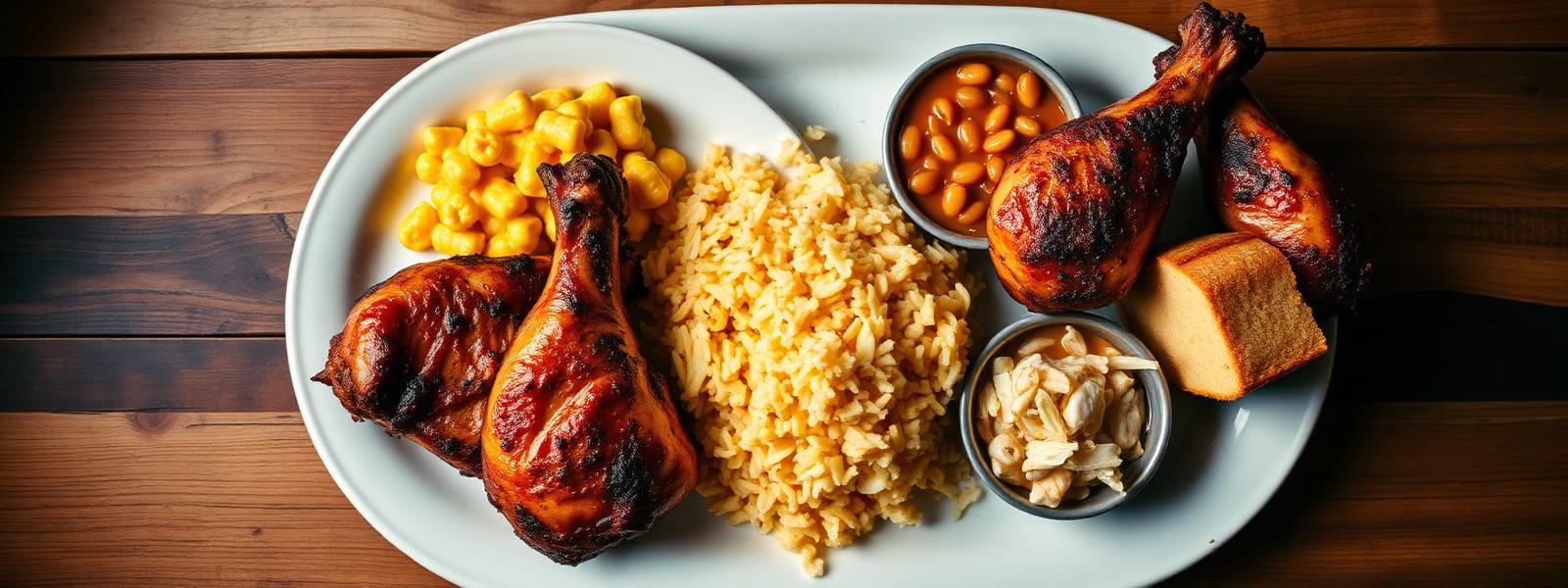
What to Serve With Them
6 ways to serve Traeger chicken legs
Drumsticks are finger food. The best sides are either finger food too or sit comfortably on the plate without competing.
1. Classic BBQ Plate
Drumsticks, mac and cheese, baked beans, cornbread, cold drinks. The default — and hard to beat.
2. Buffalo Style
Toss warm drumsticks in butter and Frank's Red Hot. Serve with celery, carrots, and bleu cheese.
3. Korean-Inspired
Brush with gochujang-honey glaze in the last 10 minutes. Serve over rice with kimchi.
4. Mediterranean
Pair with tzatziki, grilled pita, cucumber-tomato salad, and lemon wedges.
5. Game Day Platter
Drumsticks, BBQ sauce, ranch, tater tots, celery, pickled jalapeños.
6. Street Food Style
Pulled drumstick meat in tortillas with pickled red onion, cilantro, lime crema, hot sauce.
Leftover drumsticks keep in the fridge 3–4 days. Best reheat: 400°F oven or air fryer for 8–10 minutes to restore the crispy skin.
FAQ
Traeger chicken legs FAQ
How long do chicken legs take on a Traeger?
What temperature do you cook chicken legs on a Traeger?
Are Traeger chicken legs better at 350 or 375?
How do you get crispy skin on Traeger chicken legs?
What internal temperature should chicken legs reach?
Can you smoke chicken drumsticks at 225°F?
Should you flip chicken legs on a Traeger?
When should you sauce Traeger chicken legs?
What pellets are best for Traeger chicken legs?
Can you cook chicken leg quarters on a Traeger?
Why is my smoked chicken skin rubbery?
Can you cook frozen chicken legs on a Traeger?
How do you reheat Traeger chicken legs?
What sides go with Traeger chicken legs?
Keep Reading
Related grilling guides
Best Grill Thermometers
Picks for hitting 165°F safely and 175–185°F for better drumstick texture.
Read guideBest Pellet Grill
How Traeger compares to other pellet grills for chicken, ribs, and brisket.
Read guideBest Traeger Alternatives
Pellet grills worth considering alongside Traeger if you’re still shopping.
Read guideTraeger Error Codes
Decode common Traeger error codes and what they mean for your cook.
Read guideTraeger Auger Jam Fix
How to spot, fix, and prevent auger jams that ruin chicken cooks mid-grill.
Read guideTraeger Grill Parts
Replacement parts for Traeger Pro, Ironwood, Timberline, and more.
Read guideFrozen Burgers on a Traeger
How to grill frozen burgers on a pellet grill without ruining them.
Read guideTraeger Pork Chops
Pellet grill pork chops with the right temp, internal target, and rest method.
Read guideTraeger Smoked Ribeye
Reverse-seared smoked ribeye method optimized for pellet grills.
Read guideTraeger Pulled Pork
Low-and-slow pulled pork timeline and probe targets for any Traeger.
Read guideHow to Clean a Grill
General grill cleaning checklist that keeps chicken cooks tasting fresh.
Read guideBest Grill Cleaner
Top picks for cleaning grease, sauce drips, and burnt sugar off grates and trays.
Read guide