Kettle Comparison

Weber 26 vs 22 Inch Kettle Grills: The Performer Makes This a Tough Choice

The straight-up answer most articles give is "buy the 26-inch — you'll appreciate the extra cooking space." That advice is correct as far as it goes — the 26-inch kettle delivers 40% more cooking area (508 vs 363 sq in), better fuel efficiency than you'd expect, and genuine capability for whole briskets and competition cooks. But the decision is more complicated than 22 vs 26 because the 22-inch Weber Performer at nearly the same price adds a side table and Touch-N-Go gas ignition — features you'll use every single time you grill. This comparison walks through all three options honestly and explains when each one actually wins.

10 min readUpdated April 2026Honest three-way comparison
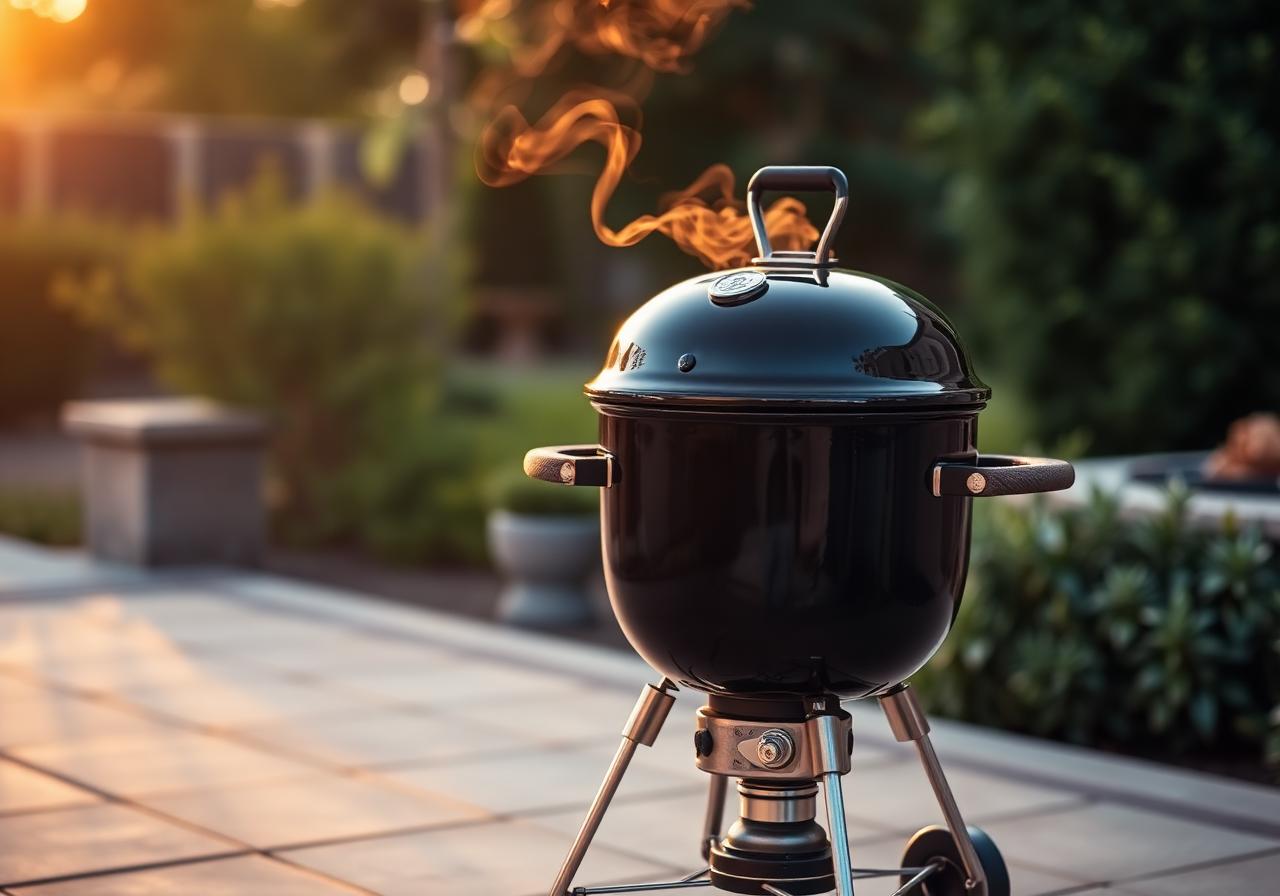
Weber kettle charcoal grill — size comparison between 22 and 26 inch models

22 vs 26 sounds simple. The Performer complicates it. Here's how to actually choose.

The Short Answer

Our 60-Second Verdict

For most shoppers, the 22-inch Weber Performer Premium at $399 beats both the 22-inch Master-Touch ($289) AND the 26-inch Kettle ($399) as the smart buy. The Performer adds a side table (use every cook), Touch-N-Go gas ignition (no chimney starter needed), cart storage, and propane tank housing — all for the same price as the 26-inch base kettle. The 26-inch wins only for specific use cases: whole briskets, hosting 10+ people regularly, or competition-style snake-method smokes over 8+ hours. For the other 80% of buyers who grill 2-6 people weekly, the side table advantage on the Performer outweighs the 40% cooking area advantage on the 26.

Share this recipe:

The Full Decision

22-inch Master-Touch vs 26-inch Kettle vs 22-inch Performer

The honest three-way comparison. Pricing shown is MSRP — street prices often $30-60 lower.

Compact Premium

Weber 22" Master-Touch

$289 MSRP

  • • 363 sq in cooking area
  • • 22.5" bowl diameter
  • • Tuck-Away lid holder
  • • GBS hinged cooking grate
  • • Char-Rails for coal arrangement
  • • One-Touch cleaning system
  • • 10-year warranty
  • • No side table
  • • No gas ignition

Buy this if:

Tight budget ($100 cheaper than alternatives). Limited patio space. Solo/couple cooking. You don't need a side table. Already have a prep surface nearby.

Read the full Master-Touch review →

Maximum Capacity

Weber 26" Kettle Premium

$399 MSRP

  • • 508 sq in cooking area (+40% vs 22")
  • • 26.75" bowl diameter
  • • Same hinged GBS grate system
  • • Same Tuck-Away lid holder
  • • Same One-Touch cleaning
  • • 10-year warranty
  • • No side table
  • • No gas ignition
  • • Heavier lid (manageable but noticeable)

Buy this if:

Regularly cook for 8+ people. Want to smoke whole briskets flat. Do long snake-method cooks (8+ hours). Don't need a side table (have one elsewhere). Value maximum cooking space over convenience.

Shop the 26" on Amazon →

Recommended for Most

Weber 22" Performer Premium

$399 MSRP

  • • 363 sq in cooking area (same as Master-Touch)
  • • Built-in side table for prep
  • Touch-N-Go gas ignition (lights charcoal in 10 min, no chimney)
  • • Cart with propane tank storage
  • • CharBin charcoal storage (holds 25 lbs)
  • • Tool hooks, timer, work surface
  • • Same GBS hinged grate
  • • Same One-Touch cleaning
  • • 10-year warranty

Buy this if:

You cook for 2-8 people (95% of households). You want a real prep surface every time you grill. You're tired of chimney starters. You want the best daily-use kettle experience. Don't need the 26's extra capacity.

Shop the Performer on Amazon →

"The 26-inch kettle advertises 40% more cooking space. The 22-inch Performer advertises features you'll use every cook. For most shoppers, the daily-use advantages of the Performer outweigh the occasional-use advantages of the 26. The 26 is right for specific scenarios — just not as many scenarios as most comparison articles claim."

The Size Argument

The 40% More Cooking Space Argument: When It Actually Matters

Going from 22-inch to 26-inch kettle gives you 145 additional square inches of grate space. "40% more" sounds massive. In practice, it matters much less often than you'd think.

Here's the math: the 22-inch kettle's 363 sq in holds 8-10 burgers, 4-5 rib racks, or 2 whole chickens. The 26-inch kettle's 508 sq in holds 12-14 burgers, 6-7 rib racks, or 3 whole chickens. For the vast majority of cooks — Sunday dinners for 2-6 people, weeknight burgers for a family, casual weekend barbecues — the 22-inch is genuinely sufficient.

When 26-inch matters

  • Whole brisket cooks: a 12-14 pound packer brisket barely fits on a 22-inch kettle (the ends touch the sides, affecting airflow). On the 26, it fits with breathing room.
  • Hosting 10+ people: burger volume for 10+ guests exceeds the 22-inch's capacity without cooking in batches.
  • Competition-style snake method: the 26's 21.75" charcoal grate allows a longer charcoal snake, producing 9+ hour cooks without refueling vs the 22's 6-8 hour max.
  • Large spatchcocked turkeys: 14+ pound turkeys spatchcocked need the 26's diameter to lay flat.
  • Multi-grate cooks: with a second grate (aftermarket), the 26 can cook two levels simultaneously without severe crowding.

When 22-inch is more than enough

  • Weekly family dinners: 4-6 person cooks never exceed the 22's capacity.
  • 2-zone cooking: the 22 has enough space for direct + indirect zones for most cooks.
  • Pizza on a kettle: a 12-inch pizza stone fits either size; no meaningful advantage for 26 here.
  • Wings with a Vortex: a 22-inch can do 3-4 pounds of wings at once (enough for 6 people); the 26 adds maybe 1 extra pound.
  • Ribs: 3-4 racks of St. Louis-cut spare ribs fit on the 22 (serves 6-8 people).

The honest rule: if you're asking whether you need the 26, you probably don't. Most buyers who upgrade to the 26 report they use the extra space maybe 5-10 times per year — for specific occasions (Thanksgiving turkey, Fourth of July for extended family, competition practice). The other 300+ cooks per year could have happened on the 22 without issue. You're paying $100+ extra for occasional-use capacity.

The Complicating Factor

Why the 22-inch Performer Often Beats Both Options

The 22-inch Performer Premium at $399 adds features that fundamentally change the kettle grilling experience. Here's what $100-160 more than a base Master-Touch gets you.

Integrated Side Table

A genuine work surface attached to the kettle — space for tongs, spatulas, sauce bottles, cutting board, and food being prepped before hitting the grates. You'll use the side table every single cook. Without one, you're setting hot tools on the patio or running back to the kitchen. This is the single biggest daily-use advantage the Performer has over both base kettles.

Touch-N-Go Gas Ignition

Press-button propane ignition lights a full load of charcoal in approximately 10 minutes. No chimney starter, no lighter fluid, no newspaper. Uses a 1-lb or 20-lb propane tank (housed in the cart). For anyone who grills regularly, this transforms "I need to start the charcoal 30 minutes before dinner" into "press a button." Saves 15-20 minutes per cook across years of ownership.

Cart with Storage Shelf

Enclosed cart provides storage for: propane tank (out of sight), CharBin for charcoal (25-lb capacity with sealed lid — keeps charcoal dry), tools, sauces, and accessories. No more fumbling for charcoal stored in the garage. Everything you need lives with the grill. Meaningful quality-of-life upgrade that base kettles lack entirely.

Built-In Timer + Tool Hooks

The Performer includes an integrated 60-minute timer on the control panel — useful for ribs, chicken, brisket intervals. Multiple tool hooks on the side table keep tongs, spatulas, and brushes organized. Small details that add up to a meaningfully better cooking experience than a base kettle offers.

The math: 22-inch Performer Premium ($399) vs 26-inch Kettle ($399). Same price. The Performer adds side table, gas ignition, cart, storage, timer, tool hooks. The 26 adds 40% more cooking space. For daily-use value, the Performer's feature set wins dramatically. You'd have to add all those features to the 26 via aftermarket ($100-200 additional cost) to match the Performer's experience — and they still wouldn't integrate as cleanly.

The Charcoal Question

Does the 26 Actually Use More Charcoal Than the 22?

The common assumption is "bigger grill = more charcoal." The real answer is more nuanced and often surprising.

For a typical 45-minute burger cook, the 22-inch kettle uses approximately 1 chimney of charcoal (~80 briquettes). The 26-inch kettle uses approximately 1.25 chimneys (~100 briquettes). That's 25% more fuel for 40% more cooking space — meaning the 26 is actually MORE efficient per square inch.

For longer cooks (2-hour ribs, 4-hour pulled pork), the efficiency gap widens. The 26's larger charcoal grate can hold a longer "snake" of coals, which produces more steady burn over longer periods. Many 26-inch owners report their long cooks (8+ hours) use similar or slightly less total charcoal than the same cook on a 22-inch with refueling.

Community consensus from multiple forum discussions:

  • 22-inch per-cook fuel: baseline
  • 26-inch per-cook fuel: 10-30% more for short cooks, similar for long cooks
  • Per-square-inch fuel efficiency: 26-inch is actually BETTER than 22-inch

The "bigger grill uses more fuel" assumption is technically true (more charcoal per cook) but practically misleading (much more cooking capacity per charcoal load). The real argument against the 26 isn't fuel cost — it's price, space, and lid weight.
The real costs of 26 vs 22:

  • Charcoal cost: negligible difference over years of ownership ($10-30/year)
  • Space footprint: 26 is 4 inches wider and heavier — matters for tight patios
  • Lid weight: 26's lid is noticeably heavier to lift (about 8 lbs vs 6 lbs)
  • Upfront price: $100-150 more than 22-inch Master-Touch
  • Accessory limitations: NO Slow 'N Sear XL exists for the 26 (22 has SNS Original)

Accessory Compatibility

The Accessory Gap: Why the 22 Has More Aftermarket Support

The 22-inch Weber kettle has been the industry standard for decades. The 26 is smaller in market — and the aftermarket accessory ecosystem reflects that.

If you plan to expand your kettle's capabilities with aftermarket accessories, the 22-inch has significantly more options than the 26. This matters more than most comparison articles acknowledge.

Specific accessory gaps on the 26-inch kettle:

  • Slow 'N Sear XL does NOT exist for the 26the best-selling kettle insert only fits 22" models. The 26 requires the less-popular Drip 'N Griddle pan or the original SNS (which fits but isn't optimized for the 26's larger diameter).
  • BBQ Vortexavailable for both sizes but the 22 version is more widely stocked.
  • Cajun Bandit rotisserie ringfits 22" only — no 26" version currently manufactured.
  • KettlePizza kit22" only.
  • Aftermarket 2-tier grate systemsmore options for the 22 than the 26.
  • Replacement porcelain gratesfrom aftermarket brands (Hongso, QuliMetal, Uniflasy) are cheaper and more readily available for 22-inch sizing.

What the 26 DOES have:

  • Weber OEM accessories (charcoal baskets, pizza stone, etc.) in 26" sizing
  • Hunsaker Smokers 26" griddle plate (a standout aftermarket piece)
  • Some universal accessories (rotisserie motors, thermometer probes, grill covers)

The practical impact: if you anticipate wanting aftermarket upgrades like the Slow 'N Sear (the most popular kettle accessory), rotisserie ring, or pizza oven insert, the 22 gives you a much larger ecosystem. The 26 is excellent out of the box but has a smaller aftermarket ceiling. This matters most for enthusiasts who plan to modify their grill over time.

Which One for You

Which Weber Kettle Fits Your Priorities?

Four specific buyer profiles. Match yours to the right grill.

Most Buyers

Buy the 22" Performer Premium

Best for: families of 2-6, regular grillers, anyone who values daily-use convenience over maximum capacity. The side table you'll use every cook plus gas ignition plus cart storage make this the smart default choice for 80% of shoppers. $399 MSRP.

Budget Pick

Buy the 22" Master-Touch

Best for: tight budgets, small patios, solo/couple cooks who don't need prep space. Delivers all the Weber quality at $100 less than the Performer. No side table means setting a folding table next to the grill — fine if you have one. $289 MSRP.

Specific Needs

Buy the 26" Kettle Premium

Best for: regular hosts for 10+ people, whole brisket cooks, extended snake-method smokes, large turkey cooks, serious BBQ enthusiasts. The 40% more cooking space matters when you need it. Doesn't have a side table — plan to add an aftermarket one. $399 MSRP.

Buy Both (Really)

Consider owning both

Weber kettle enthusiasts often end up with a 22" Performer for daily cooks AND a 26" Master-Touch for large gatherings. At $788 combined MSRP (less than one premium gas grill), this dual setup covers every grilling scenario. Not uncommon among serious charcoal cooks.

FAQ

Weber 26 vs 22 Kettle Grills Frequently Asked Questions

What's the difference between the 22-inch and 26-inch Weber kettles?

Primarily cooking area. The 22-inch has 363 sq in of grate space (22.5" bowl). The 26-inch has 508 sq in (26.75" bowl) — 40% more cooking capacity. Both share the same Weber Master-Touch features: hinged GBS grate, Tuck-Away lid holder, Char-Rails, One-Touch cleaning system, 10-year warranty. The 26 is essentially a "26-inch version of the Master-Touch." Main differences beyond size: 26 has heavier lid, slightly larger footprint (4" wider), and limited accessory ecosystem compared to 22.

Should I buy the 22-inch Performer instead of the 26-inch kettle?

For most shoppers, yes. The 22-inch Performer Premium at $399 costs the same as the 26-inch kettle but adds a side table, Touch-N-Go gas ignition, cart storage, and CharBin. These features you use every cook (side table, gas ignition) outweigh the occasional-use advantage of the 26's extra cooking space. The 26 only wins if you regularly cook for 10+ people, smoke whole briskets, or do competition-style long cooks. For 80% of buyers, the 22-inch Performer is the smart choice.

Does the 26-inch kettle use more charcoal than the 22-inch?

Yes per cook, but not by as much as you'd expect. Typical burger cook uses ~80 briquettes on 22-inch vs ~100 briquettes on 26-inch — 25% more fuel for 40% more cooking space. Per square inch, the 26 is actually MORE efficient than the 22. For long cooks (ribs, pulled pork), the gap narrows further because the 26's larger charcoal grate supports longer snake-method setups. Fuel cost difference over a year: $10-30 total. Not a meaningful factor in the buying decision.

Is there a Slow 'N Sear for the 26-inch Weber?

No — the Slow 'N Sear is only made for 22-inch kettles. This is the most significant accessory gap between the two sizes. If you plan to use the SNS (the most popular kettle insert for low-and-slow smoking), you need a 22-inch kettle. The 26-inch has limited insert options: the Drip 'N Griddle pan, OEM Weber accessories, and the Hunsaker 26" griddle plate are the main aftermarket pieces. If SNS is part of your plans, buy 22-inch.

What fits on a 26-inch kettle that doesn't fit on a 22-inch?

Several specific items. A 12-14 pound whole packer brisket lays flat on the 26 (tight on 22). A full 14-lb spatchcocked turkey fits comfortably on 26 (cramped on 22). 6-7 racks of St. Louis-cut spare ribs fit on 26 (22 fits 4-5 racks). A 12-inch pizza stone leaves plenty of room for sides on 26. For most home cooks, these capacity advantages matter 5-10 times per year max.

Is the 26-inch kettle worth the extra money over the 22-inch Master-Touch?

Only for specific use cases. The 26 costs $100-150 more than the 22 Master-Touch. If you regularly cook for 8+ people, smoke whole briskets, or want the Master-Touch feature set in a larger size, yes. If your cooks are typically 2-6 people with occasional gatherings, the 22 Master-Touch is sufficient AND you save $100 that you could invest in accessories (Slow 'N Sear, temperature controller, griddle insert). For the same $100+ spend, the 22 Performer adds more daily-use value than the 26's extra capacity.

How many burgers does each size cook?

22-inch: 8-10 burgers comfortably (Weber says 13 with their burger press, but that's tight). 26-inch: 12-14 burgers comfortably (Weber says 19 with burger press). The 26 adds roughly 4-6 burger capacity over the 22 — meaningful if hosting 10+ but unnecessary for typical family cooking. For most households, the 22 is plenty.

Is the 26-inch kettle harder to maneuver than the 22-inch?

Slightly. The 26 weighs about 8 lbs more (39 vs 31 lbs) and is 4" wider. Both have 2 wheels and 2 feet — neither rolls smoothly on uneven surfaces. The 26's lid is noticeably heavier to lift (about 8 lbs vs 6 lbs) because it's larger steel. For most home use scenarios (stationary patio, concrete pad), the difference is minor. For tailgating, camping, or frequent repositioning, the 22 is meaningfully easier.

Can I smoke a whole brisket on a 22-inch Weber kettle?

Barely. A 12-14 pound whole packer brisket will fit on the 22-inch diagonally, but the point and flat ends may touch the sides of the bowl, which affects airflow and can cause uneven cooking. Many 22-inch owners trim briskets down or buy flat-only (6-8 lb) briskets. For whole packer briskets specifically, the 26-inch has genuine advantage — the brisket lays flat with breathing room around it. This is the strongest argument for buying 26 over 22.

How do Weber's 22 and 26 kettle grills compare to kamado grills (Big Green Egg, Kamado Joe)?

Different categories. Weber kettles are single-wall charcoal grills optimized for grilling and moderate smoking. Kamados are ceramic insulated grills optimized for smoking and pizza with premium heat retention. Weber kettles are cheaper ($289-399 vs $800-1,500 for comparable kamados), easier to transport, and have larger aftermarket ecosystems. Kamados hold temperature longer and use less charcoal per cook but cost more upfront. Weber 26 kettle is roughly equivalent in cooking capacity to Big Green Egg XL but at 1/4 the price. For most backyard cooks, Weber kettles deliver 90% of kamado capability at a fraction of the cost.

The Bottom Line

Final Verdict: The Performer Is Usually the Right Choice

Most comparison articles frame this as a binary 22 vs 26 question. The real decision is three-way: 22 Master-Touch vs 26 Kettle vs 22 Performer. And for most shoppers, the 22 Performer wins.

The 26-inch kettle delivers genuine advantages — 40% more cooking space, better per-square-inch fuel efficiency, capacity for whole briskets and large gatherings. For shoppers who need those specific capabilities, it's an excellent grill. But "need" is doing a lot of work in that sentence.

Most backyard grillers cook for 2-6 people on a typical weekend. They do 8-12 burgers, 2-4 rib racks, occasional whole chickens, and maybe a Thanksgiving turkey once a year. For those cooks, the 22-inch delivers completely sufficient capacity while the Performer's side table, gas ignition, and cart storage deliver daily-use advantages that meaningfully improve every cook.

The three-way recommendation:

  • 22-inch Master-Touch ($289): budget pick, small spaces, solo/couple use. Save the money vs the Performer if you have prep space elsewhere.
  • 22-inch Performer Premium ($399): the smart default for 80% of shoppers. Best daily-use kettle experience Weber makes.
  • 26-inch Kettle Premium ($399): specific use cases only (whole briskets, 10+ person hosting, competition cooks, serious BBQ enthusiasts).

If you can't decide, ask yourself: "How often do I actually cook for more than 6 people?" If the answer is "4-5 times per year," the 26 isn't worth it. If the answer is "at least monthly," the 26 earns its premium.

Affiliate disclosure: qualitygrillparts.com earns a small commission on qualifying purchases at no extra cost to you.