Not sure which Weber model you have? Find your model number first to make sure you're buying the right flavorizer bars.
Weber Flavorizer Bar Guide
Weber Flavorizer Bars: Stainless vs Porcelain, Fit & Replacement Guide
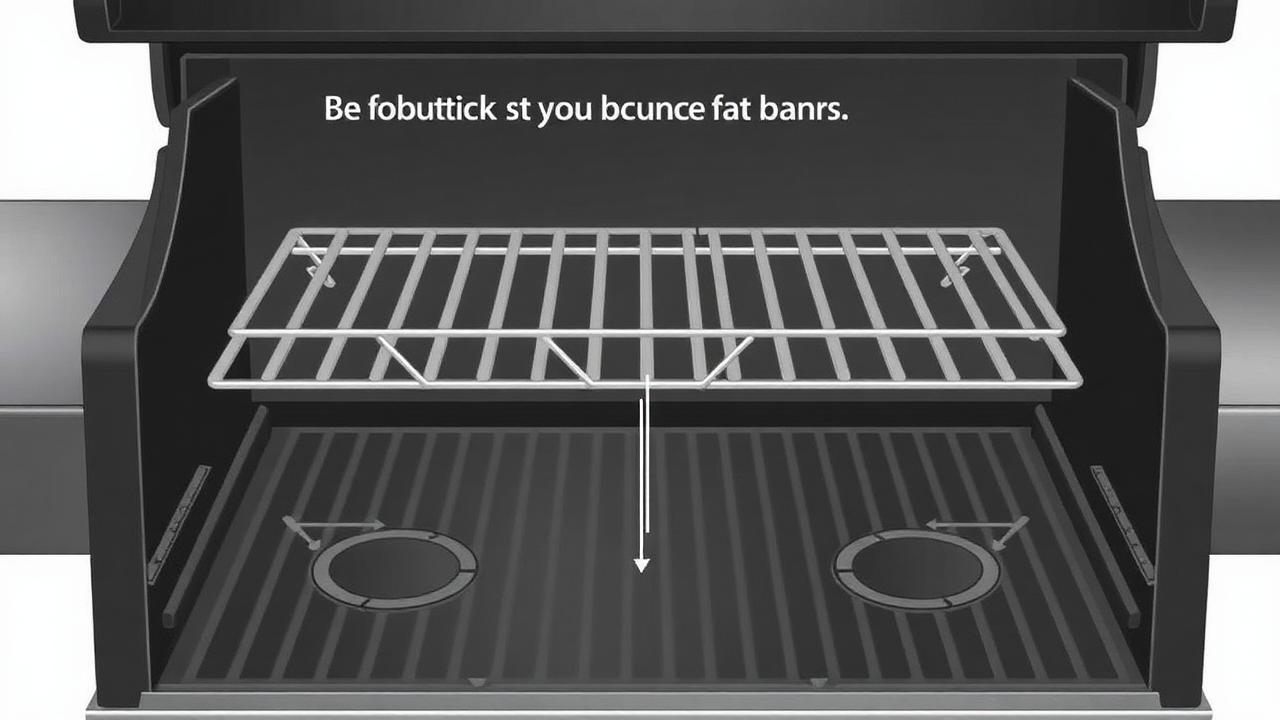
Weber flavorizer bars sit above the burner tubes to spread heat, protect burners from grease, and vaporize drippings. They are also one of the most commonly replaced Weber gas grill parts. The right Weber grill flavorizer bars depend on your Weber model, generation, burner count, bar length, and whether you want stainless steel or porcelain-coated replacements.
Match flavorizer bars by Weber model family, generation, burner count, bar count, material, and length before ordering. Start with the model number on the inside of the right control panel, the manual, or the original box.
Quick answer: which Weber flavorizer bars should you buy?
Buy Weber flavorizer bars that match your exact grill model, generation, burner count, and bar length. Stainless steel flavorizer bars are usually the better long-term choice because they resist rust and last longer, while porcelain-coated bars are often cheaper and work well until the coating chips or flakes. Replace flavorizer bars when they have holes, severe rust, warping, or heavy grease damage that no longer protects the burner tubes.
How They Work
What do Weber flavorizer bars do?
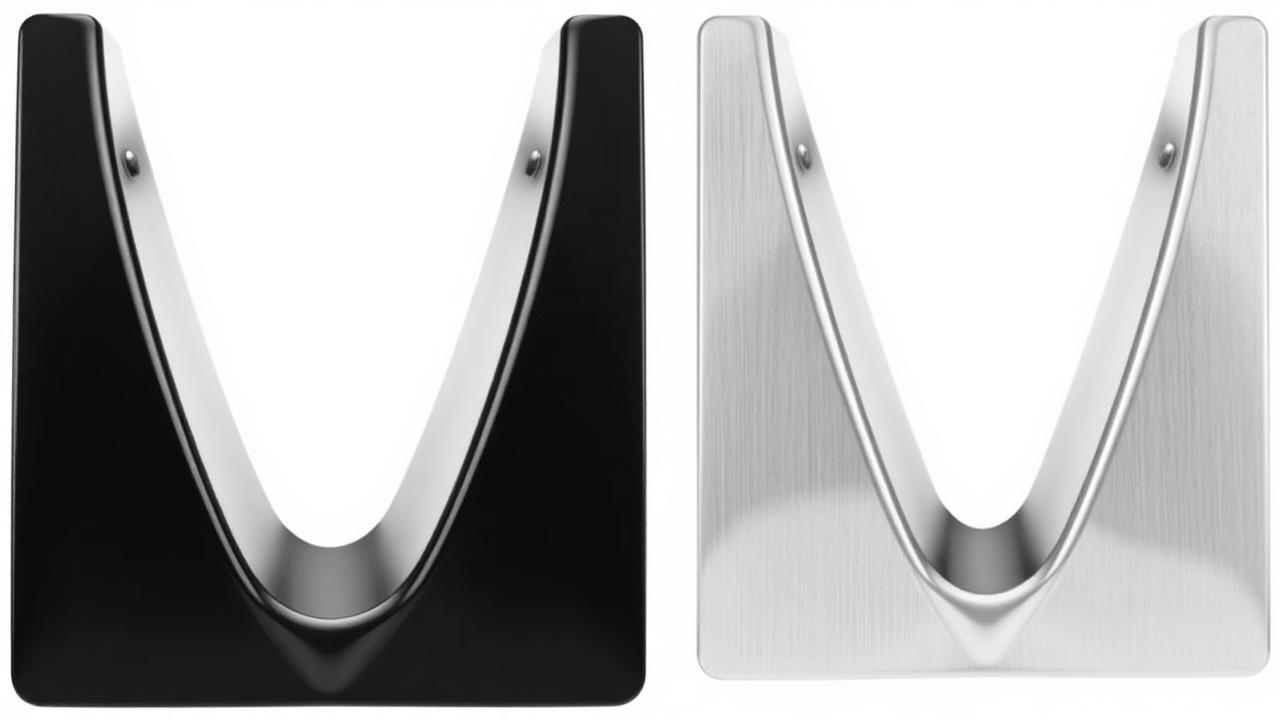
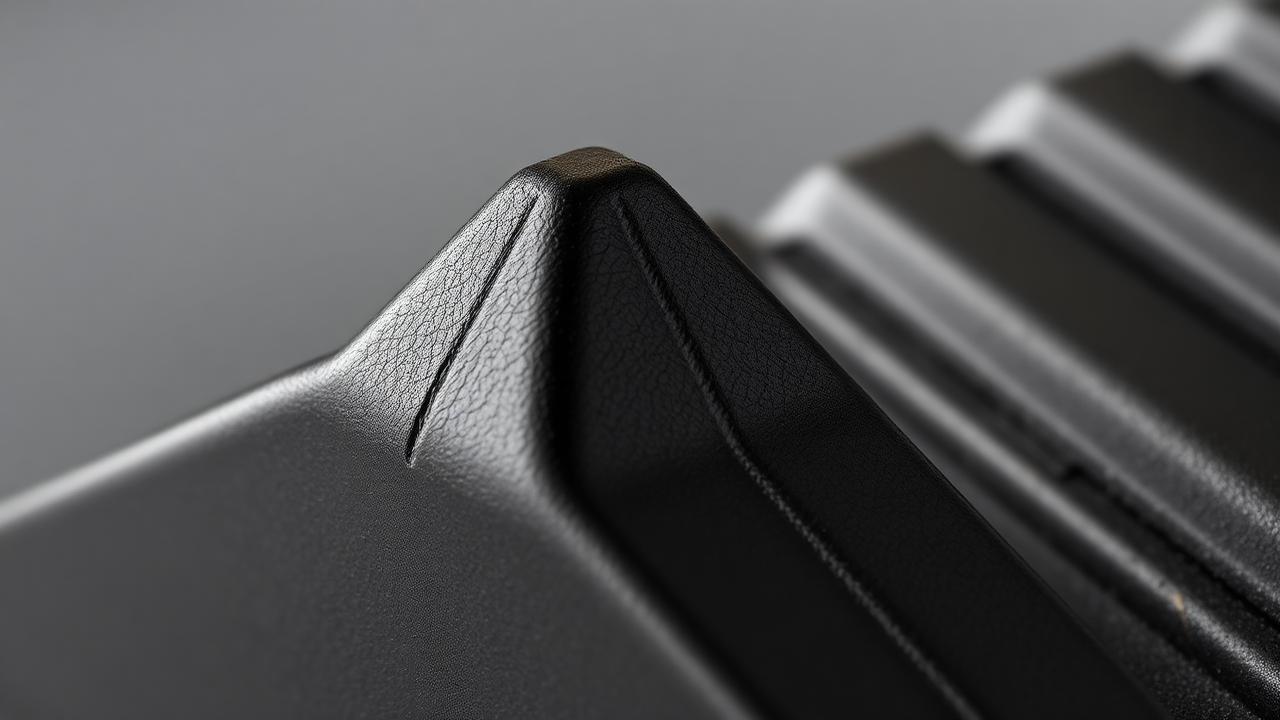
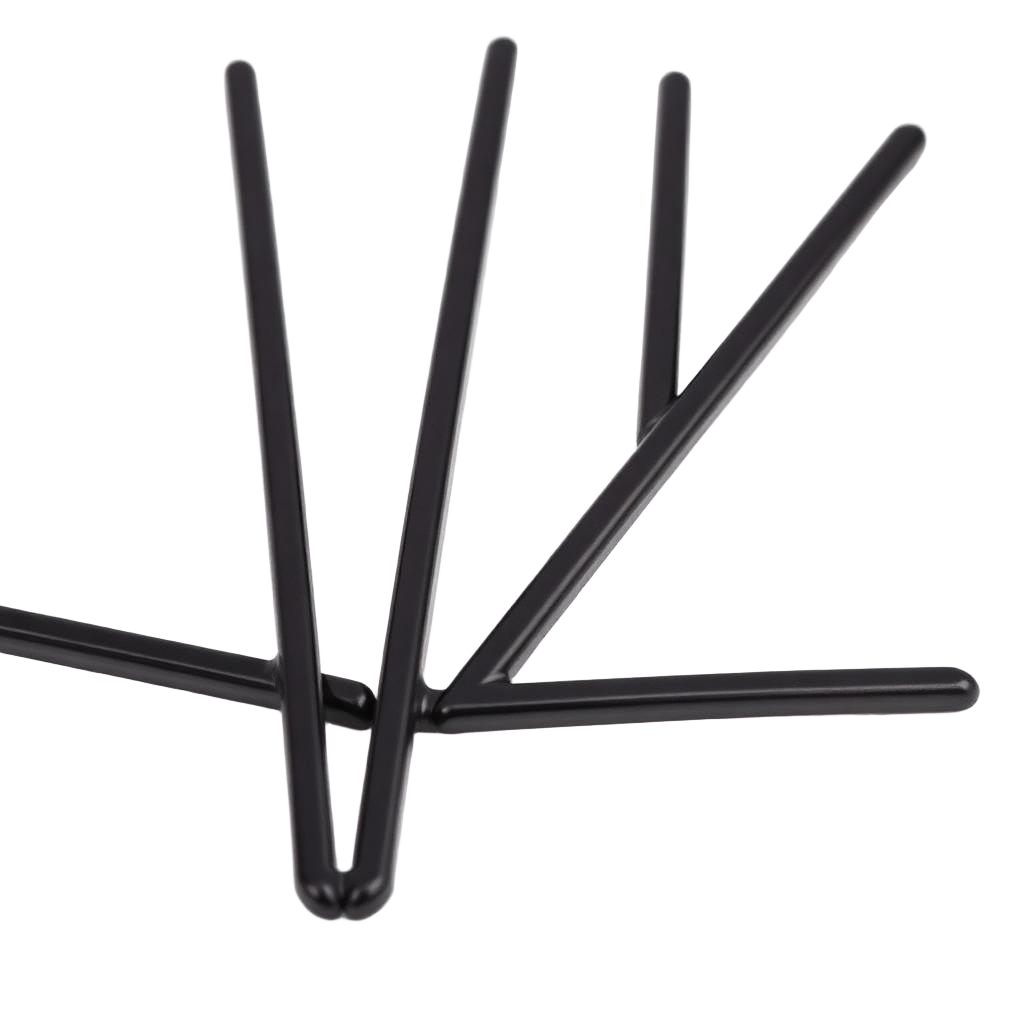
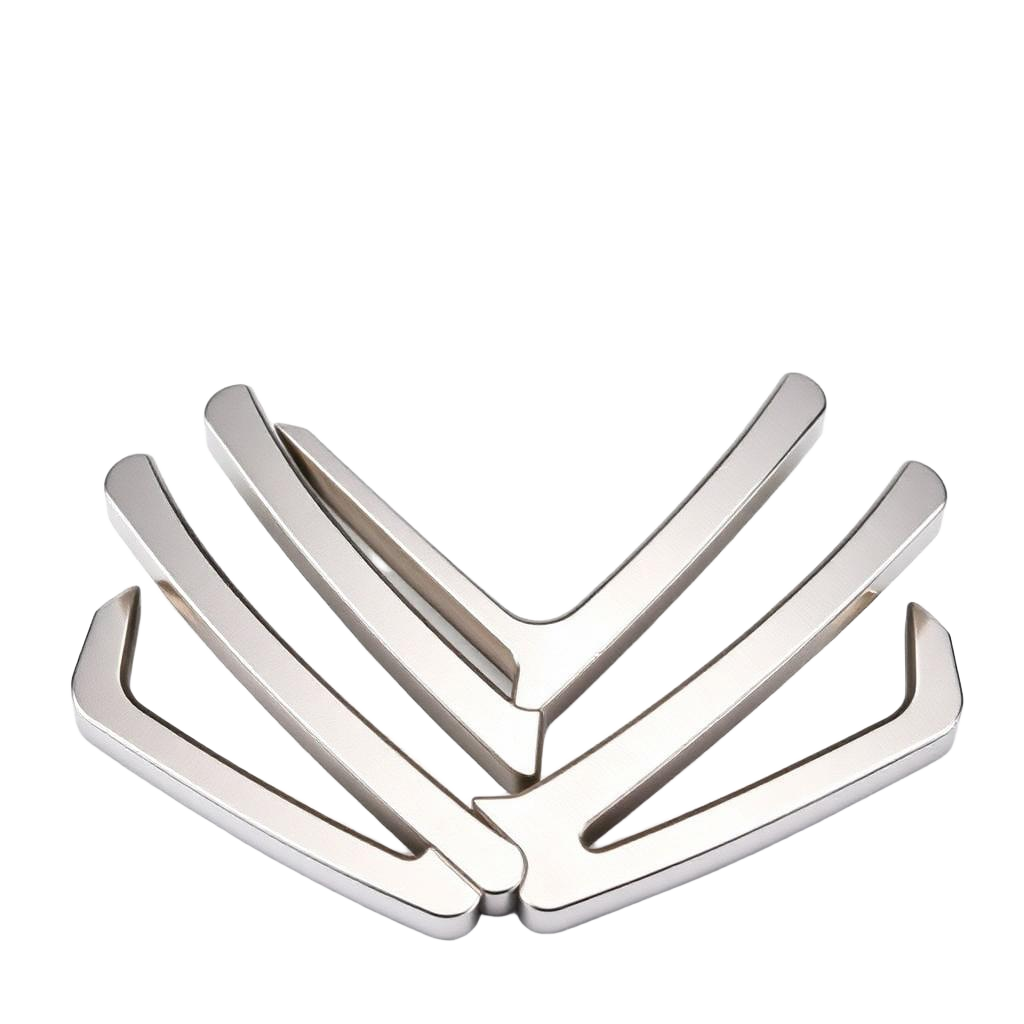
Weber flavorizer bars are V-shaped metal bars positioned directly above the burner tubes. Their main jobs are simple but important:
Protect burner tubes from grease, which prevents corrosion and rust-out.
Reduce direct grease hits on burners that cause flare-ups.
Help spread heat more evenly across the cooking surface.
Vaporize drippings to add a grilled-flavor element to the food above.
Act like heat plates or heat shields, just branded as flavorizer bars by Weber.
Flavorizer bar fit is determined by model family, generation, burner count, and bar length. Use this table as a starting point, then confirm with your exact model number.
Stainless steel vs porcelain-coated Weber flavorizer bars
Both Weber stainless steel flavorizer bars and Weber porcelain flavorizer bars work well in the right situations. Use this side-by-side to choose.
Best durability
Stainless steel
Best budget
Porcelain-coated
Best humid climate
Stainless steel
Best short-term replacement
Porcelain-coated
Category
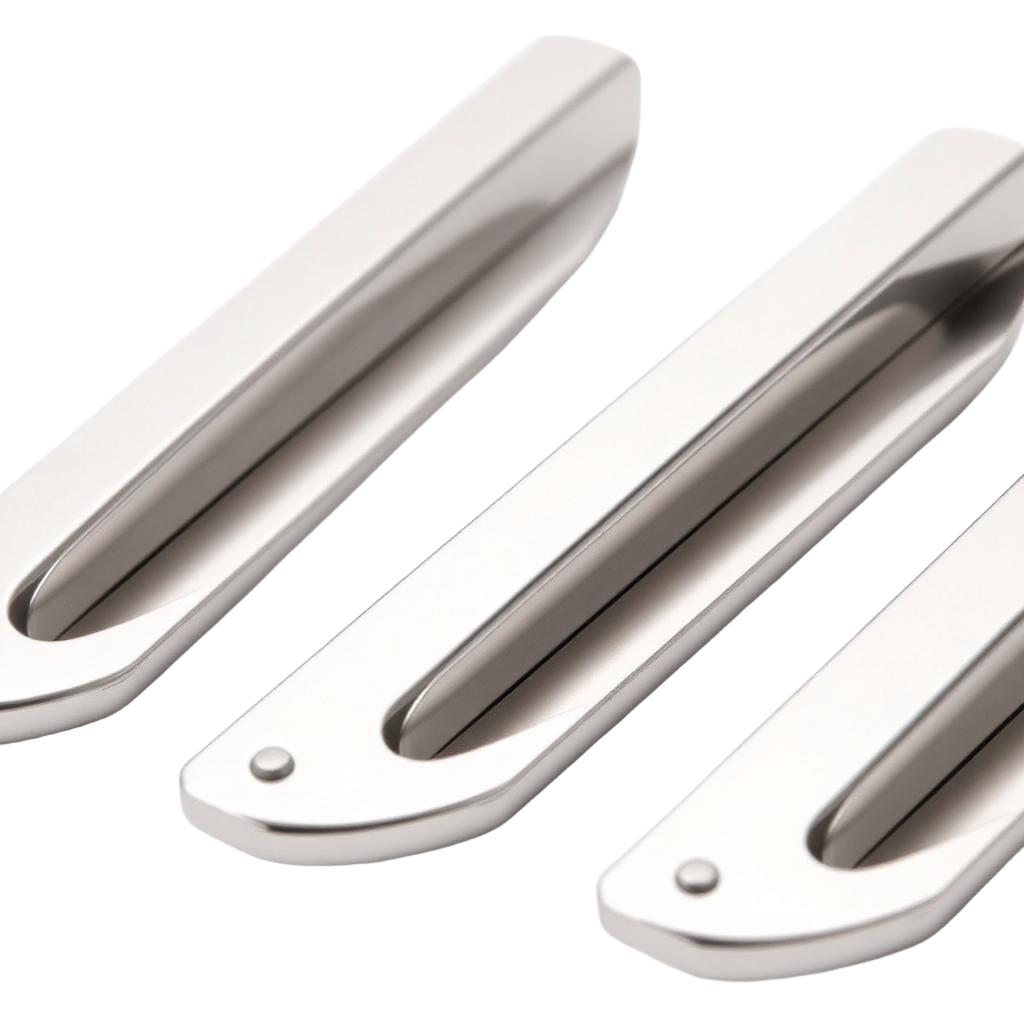
Stainless steel bars
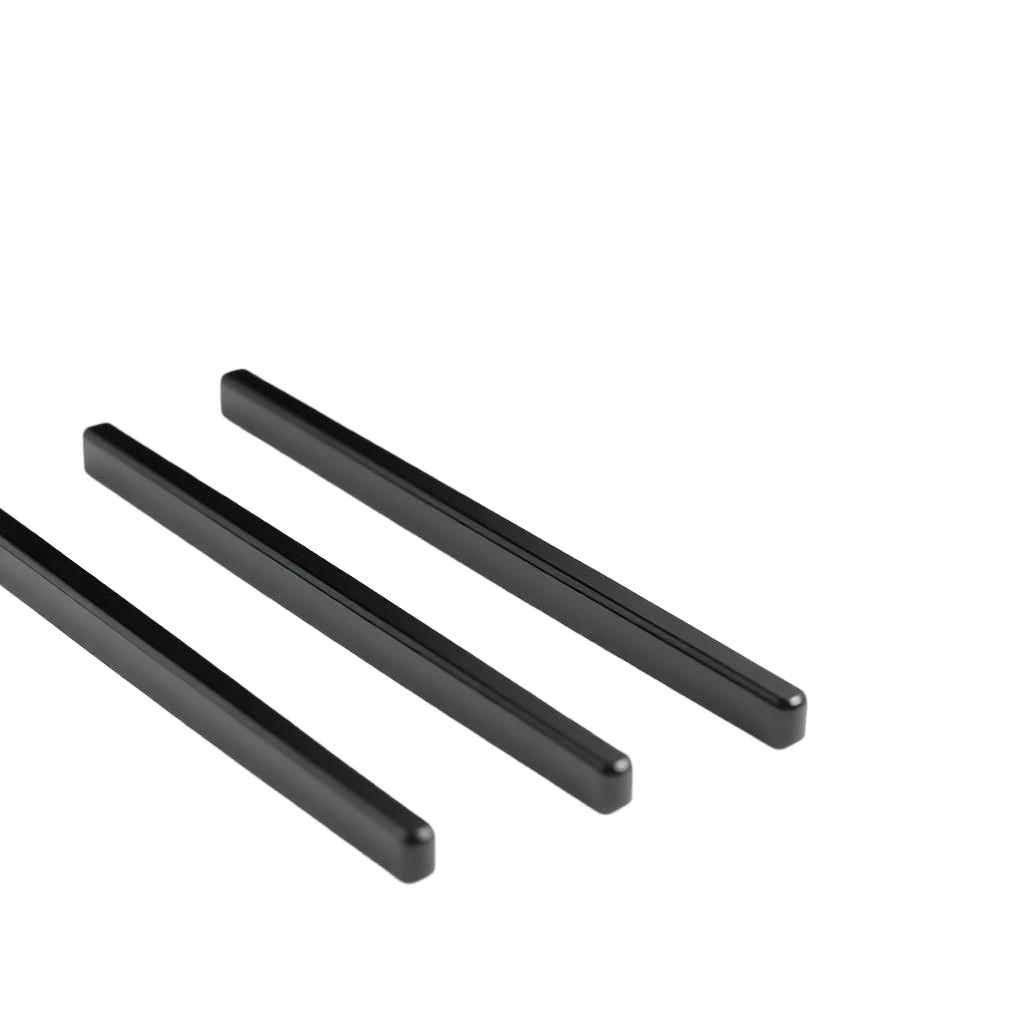
Porcelain-coated bars
Winner
Why it matters
Lifespan
7–10+ years
3–5 years
Stainless
Longer service life means fewer replacements.
Rust resistance
High (no coating to chip)
Good until coating chips
Stainless
Exposed steel under porcelain rusts faster.
Price
$60–$120 / set
$30–$60 / set
Porcelain
Lower entry cost for occasional users.
Heat performance
Excellent, even at high heat
Very good when coating is intact
Tie
Both vaporize drippings well when in shape.
Cleaning
Brush or scrape, no coating risk
Brush gently to avoid chipping
Stainless
More forgiving of regular maintenance.
Coating risk
None
Chipping/flaking with age
Stainless
Coating flakes are a clear replace signal.
Humid / coastal climates
Strong choice
OK while coating is intact
Stainless
Salt and moisture accelerate porcelain failure.
Best budget choice
Mid-range aftermarket stainless
OEM or quality aftermarket porcelain
Porcelain
Lower upfront spend.
Long-term value
Lowest cost per year
Higher cost per year over time
Stainless
Stainless usually wins over a decade.
Beginner friendliness
Easy: install once, forget for years
Easy: just plan to replace sooner
Tie
Both are simple drop-in swaps.
Verdict
Choose stainless if you want the longest useful life, especially in humid or coastal climates. Choose porcelain-coated if budget matters and you verify exact fit – just plan to replace it sooner once the coating starts to chip.
Replacement Timing
When should you replace Weber flavorizer bars?
Replace flavorizer bars when you see any of these:
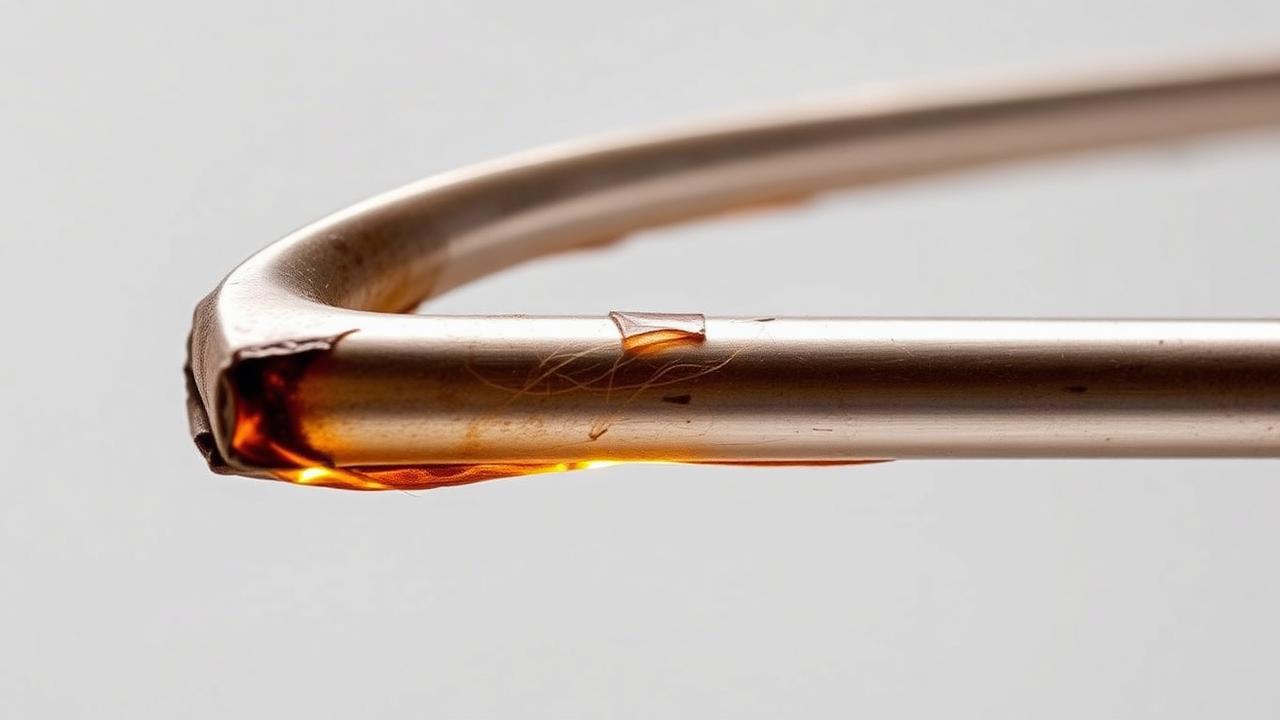
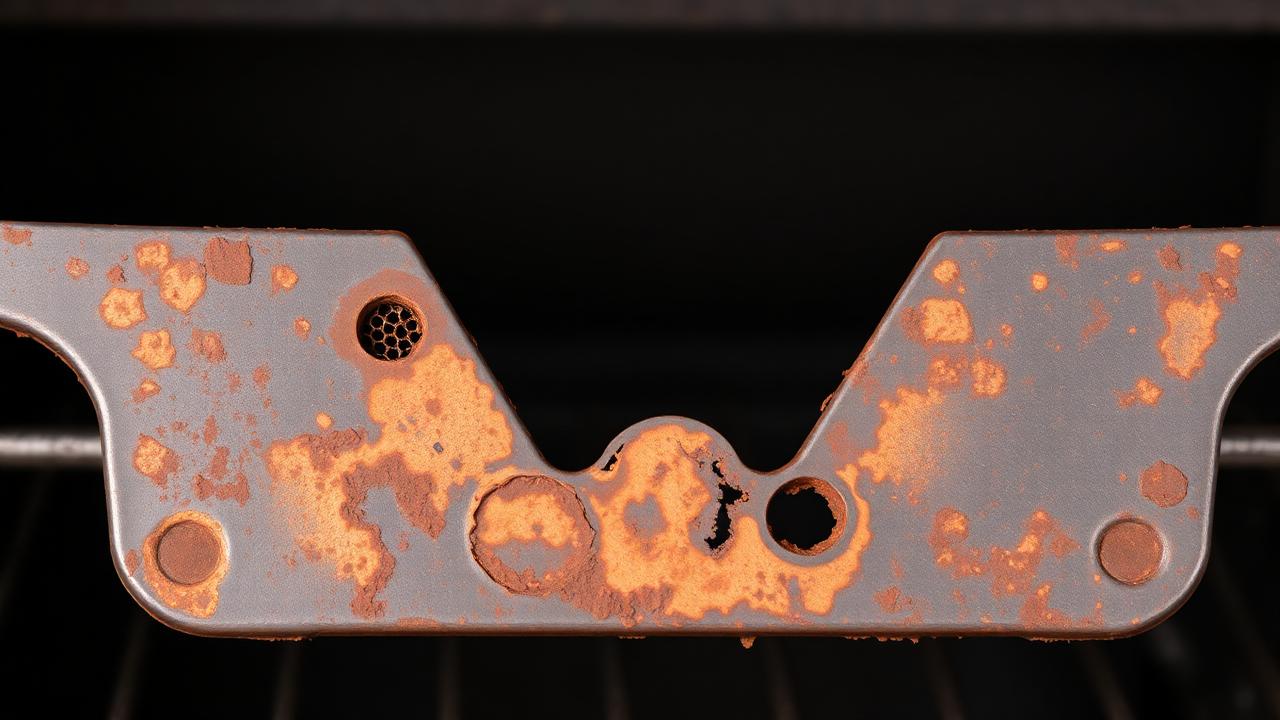
Holes burned or rusted through the metal
Severe rust across the surface, especially under bare-steel patches
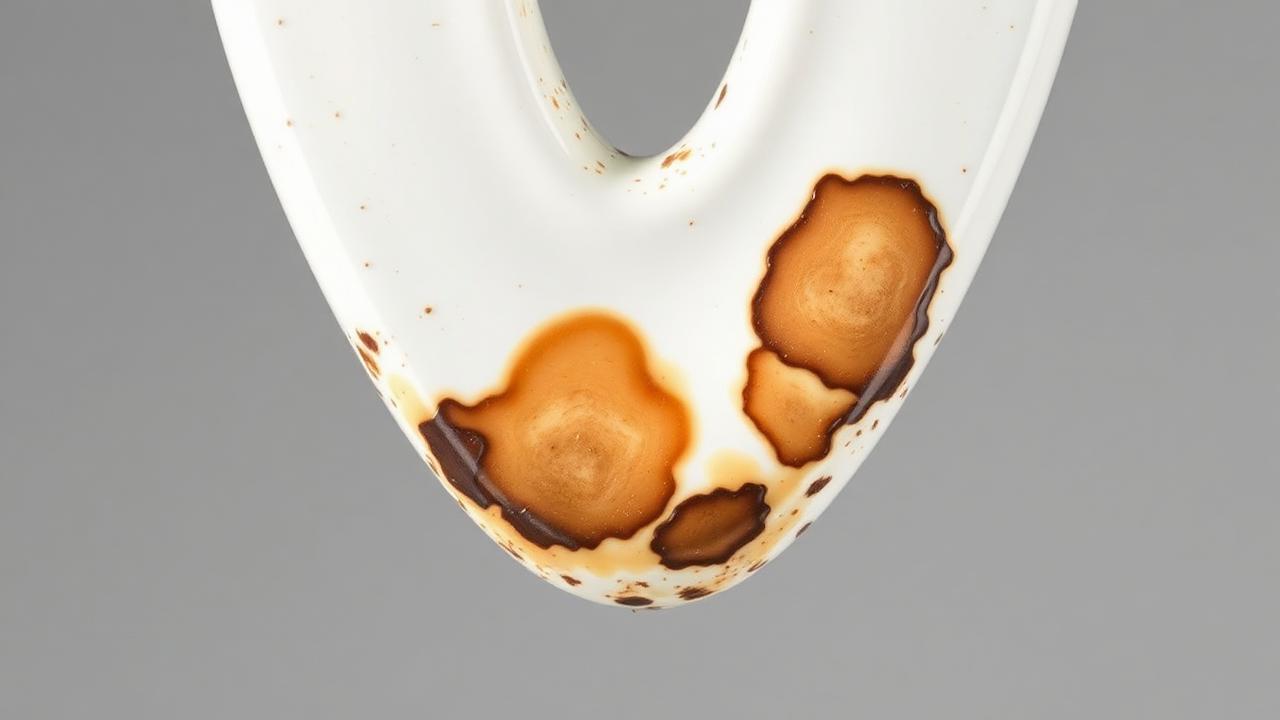
Deep porcelain flaking that exposes large areas of steel
Visible warping or sagging out of the V-shape
Bars that no longer cover and protect the burner tubes below
Heavy grease damage that does not improve after cleaning
Uneven heat or hot spots caused by damaged bars
Repeated flare-up problems even after cleaning
Mild surface rust and grease buildup are not always urgent – they can usually be cleaned first. For a deeper symptom-by-symptom checklist, see when to replace flavorizer bars.
Heavy rust has eaten through the metal, leaving holes.
Porcelain coating is flaking off in large patches.
Bars are warped, sagging, or no longer cover the burners.
Cleaning no longer restores function or appearance.
Avoid soaking flavorizer bars or using harsh cleaners unless the manufacturer explicitly allows it.
Weber Spirit
Weber Spirit flavorizer bars
Spirit 200 series and Spirit 300 series do not share flavorizer bars. The most common mistake is ordering Weber Spirit E-310 flavorizer bars (300 series) for a Spirit E-210 (200 series), or the reverse. Spirit II and Spirit 2 grills use a GS4-style layout with their own bar shape that does not match older Spirits.
Spirit 200 vs Spirit 300: different bar length and count.
Spirit E-210 and E-310: confirm generation, not just the name.
Spirit II / Spirit 2 (E-210, E-310, E-220, E-320) use GS4 bars.
Both porcelain and stainless options exist for most Spirits.
Always verify model number and bar length before ordering.
Genesis has more generations than any other Weber line, and flavorizer bars are not interchangeable across them. Genesis 300 (E-310, E-320, E-330) from 2008–2016 uses a different bar than Genesis II (2017–2022). Genesis II E-435 and other 4-burner models use longer sets. Older Genesis Silver and Gold B/C grills use yet another spec, often the 25.5" porcelain set.
Genesis 300 vs Genesis II vs current Genesis – all different.
E-310 and E-330 in the same year usually share bars.
Genesis II E-435 / 400 series uses a 4-burner bar set.
Stainless or porcelain options exist for most Genesis generations.
Verify generation, year, and measurements before ordering.
Summit grills are Weber's premium gas line and tend to use more flavorizer bars per grill than Spirit or Genesis. They are also more model-specific. A Summit 400-series bar will not necessarily fit a 600-series, and features like the smoker box or sear station can change which bars sit where.
Summit bars are often more numerous (6+ bars).
400 vs 600 series and various S-/E- models can differ.
Smoker box and sear station features can affect bar count and fit.
Stainless is usually preferred for premium long-life grills.
Flavorizer bars vs heat plates: are they the same thing?
Weber calls them flavorizer bars. Other brands call similar parts heat plates, heat shields, heat tents, burner covers, or flame tamers. The function is similar: protect the burners and help distribute heat across the cooking surface.
Shape and fit are not universal. Weber's V-shape and mounting are specific to Weber grills, so you should always match Weber flavorizer bars to a Weber model, not generic heat plates. For the broader category, see our grill heat shields and plates guide.
Sizes & Measuring
How to measure Weber flavorizer bars
Turn off the propane (or gas supply) and let the grill cool completely.
Remove the cooking grates, then lift out one flavorizer bar.
Measure the length end-to-end with a tape measure.
Measure the width across the V and note the overall profile shape.
Count how many bars your grill uses in total.
Compare measurements against your Weber model number listing.
Do not rely on photos alone – two similar-looking bars can have different mounting tabs or lengths. The model number is safer than measurement alone, but measurement is a great confirmation. Propane vs natural gas usually does not change bar size, but if a listing specifically calls out fuel-specific fitment, follow it.
OEM Weber bars are the safest exact fit. Aftermarket stainless can be excellent value when you verify the details.
Category
OEM Weber bars
Aftermarket stainless
Aftermarket porcelain
Fit confidence
Highest
High when model-listed
Medium – verify carefully
Price
Highest
Mid
Lowest
Durability
High
High with quality brands
Lower – coating-dependent
Material options
Both
Stainless only
Porcelain only
Warranty confidence
Strong
Brand-dependent
Brand-dependent
Risk
Lowest
Low–medium
Medium – cheap listings exist
OEM is the safest path when you want zero fitment doubt. Aftermarket stainless from reputable brands can be a strong value if you confirm measurements, model compatibility, and reviews. Avoid vague listings that only say "fits Weber Genesis" or "fits Weber Spirit" without model details.
Product Picks
Weber flavorizer bars worth checking
Replacement flavorizer bar options grouped by Weber model family, plus accessories that extend bar life.
AFTERMARKET
Weber Spirit 210 porcelain flavorizer bars
Porcelain-coatedSpirit 200 Series
Best for:
Spirit 200 series owners on a budget
Why it matters:
Like-for-like replacement for stock porcelain bars on Spirit E-210 and similar 2-burner Spirits.
Fit:
Confirm Spirit 200 (not 300) and bar length before ordering.
Final checklist before buying Weber flavorizer bars
Find your Weber model number
Confirm Spirit, Genesis, Summit, or other family
Confirm model generation (year/series)
Count your old bars
Measure old bars (length, width, profile) if unsure
Choose stainless for longer life if budget allows
Choose porcelain-coated if budget matters and fit is verified
Replace bars with holes, severe rust, warping, or heavy flaking
Clean light grease or surface rust before replacing
Avoid listings that do not clearly match your model
FAQ
Weber flavorizer bars FAQ
What do Weber flavorizer bars do?
Weber flavorizer bars are the V-shaped metal bars that sit above the burner tubes. They shield burners from grease, vaporize drippings to add flavor, and help spread heat across the cooking surface. They also reduce flare-ups when they are clean and intact.
Are Weber flavorizer bars necessary?
Yes. Without flavorizer bars, drippings fall directly onto the burner tubes, which causes flare-ups, uneven heat, and faster burner corrosion. They are a core part of how a Weber gas grill is engineered to cook.
Are stainless steel or porcelain Weber flavorizer bars better?
Stainless steel flavorizer bars usually last longer and resist rust better, making them the stronger long-term choice. Porcelain-coated bars are typically cheaper and work well while the coating is intact, but once it chips or flakes the exposed steel can rust quickly. Heavy users and people in humid climates lean stainless; budget-focused or occasional grillers often do fine with porcelain.
How long do Weber flavorizer bars last?
Porcelain-coated Weber flavorizer bars typically last about 3 to 5 years of regular use. Stainless steel bars often last 7 to 10 years or more. Lifespan depends on how often you grill, whether the grill is covered, and how aggressively the bars are cleaned.
When should I replace Weber flavorizer bars?
Replace flavorizer bars when they have holes, severe rust, deep warping, or heavy porcelain flaking that exposes bare steel. Mild surface rust or grease buildup can usually be cleaned first. If the bars no longer protect the burner tubes or you are getting persistent flare-ups, it is time to swap them.
Can I clean rusty Weber flavorizer bars?
Light surface rust can usually be brushed off with a grill brush or scraper, and grease buildup can be scraped while the grill is cold. Heavy rust with holes, warping, or large flaking patches means the bars are structurally compromised and should be replaced. Avoid soaking or harsh chemical cleaners unless the manufacturer specifically allows it.
Are Weber flavorizer bars universal?
No. Weber flavorizer bars vary by model family, generation, burner count, and bar length. A Spirit 200 bar will not fit a Spirit 300, and a Genesis II bar will not fit an older Genesis. Always match the exact model and measurements.
How do I know what size Weber flavorizer bars I need?
The safest method is to look up your Weber model number, then confirm the bar length, width, and count by removing one old bar and measuring it once the grill is cool. Order using the model number when possible, and use measurements only as a confirmation.
Do Weber Spirit and Genesis use the same flavorizer bars?
Sometimes, but not always. The 25.5-inch porcelain set fits some Spirit 300 grills and older Genesis Silver, Gold, and Platinum B/C models. Outside that overlap, Spirit and Genesis flavorizer bars are different. Never assume cross-fit based on names alone.
What flavorizer bars fit Weber Spirit?
Spirit 200 series typically uses 22.5-inch bars, while Spirit 300 series typically uses 25.5-inch bars. Spirit II E-210 and E-310 use bars sized for their respective platforms. See our dedicated Weber Spirit flavorizer bars guide for full part numbers and fitment.
What flavorizer bars fit Weber Genesis?
It depends on the generation. Older Genesis Silver, Gold, and Platinum B/C grills share the 25.5-inch porcelain spec. Genesis E/S-310, E-320, and E-330 from 2008–2011 use a different stainless set. Genesis II uses GS4 bars, and the 2022+ redesign uses model-specific bars. The Weber Genesis flavorizer bars guide breaks down each version.
What flavorizer bars fit Weber Summit?
Summit grills often use more bars than Spirit or Genesis and are more model-specific. Many premium Summits ship with stainless bars, and some Summit models include smoker box or sear station features that affect fitment. Match by exact model number and check the Weber Summit flavorizer bars guide.
Are aftermarket Weber flavorizer bars okay?
Good aftermarket flavorizer bars from reputable brands using 304-grade stainless can be a strong value, especially for Spirit and older Genesis sizes. Cheap, vague listings that only say 'fits Weber' without model details often have thin steel and poor fit. Always confirm material, thickness, and model compatibility before buying.
Are flavorizer bars the same as heat plates?
They serve a similar purpose – protecting burners and helping distribute heat – but Weber's flavorizer bars are a specific V-shaped design, while other brands use heat plates, heat shields, heat tents, or flame tamers in different shapes. They are not interchangeable across brands.
Should I replace burner tubes when replacing flavorizer bars?
Not always. If the burner tubes are clean, lighting evenly, and not rusted through, you can replace just the flavorizer bars. If the burners have rust holes, uneven flames, or visible damage, replace them at the same time so you only open the grill once.