Weber Q Portable Grill Review
Weber Q1200 Review: Great Grill, But Should You Buy the Q2200 Instead?
The Q1200 is a good compact Weber portable grill. The Q2200 is usually the better long-term buy if you have the space.
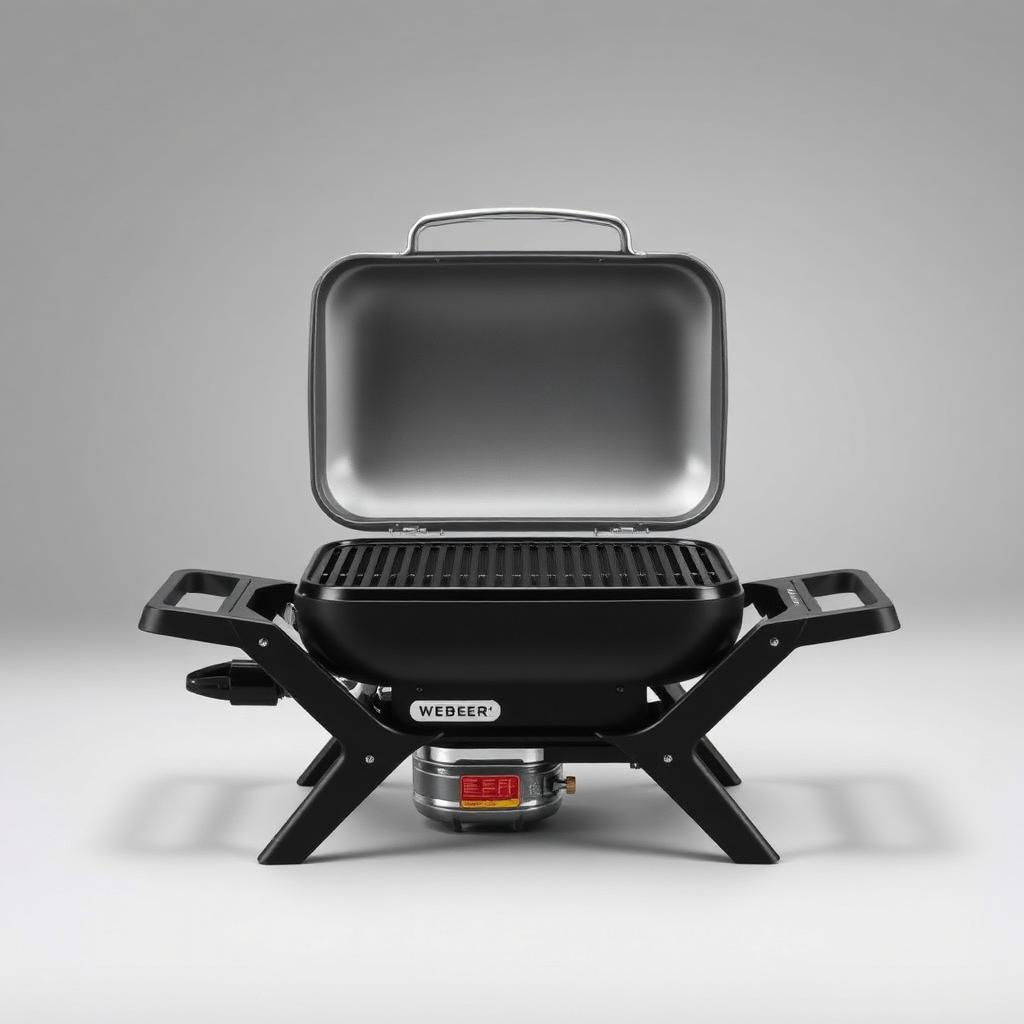
This Weber Q1200 review and Weber Q1200 vs Q2200 comparison covers cooking space, BTUs, portability, propane setup, accessories, and parts. The Weber Q1200 is one of the best-built compact portable gas grills in its size class — cast-aluminum body, porcelain-enameled cast iron grates, folding side tables, and Weber's reliable Q-series design. For many shoppers, the bigger Weber Q2200 is the smarter buy because it gives more cooking space and stronger heat while still staying portable.
Best for solo / couple cooking
Weber Q1200
Best for most buyers
Weber Q2200
Best small patio pick
Q1200 if space is tight
Best family portable pick
Weber Q2200
Biggest Q1200 strength
Compact Weber build quality
Biggest Q1200 weakness
Limited cooking area
Quick answer
Quick verdict: should you buy the Weber Q1200 or Q2200?
Buy the Weber Q1200 if compact size, lighter storage, and cooking for one or two people matter most. Buy the Weber Q2200 if you want the better all-around Weber Q grill with more cooking area, stronger heat output, and more flexibility for family meals. The Q1200 is not a bad grill, but the Q2200 is the safer pick for most buyers.
Overall Score
The Verdict
The Weber Q1200 is a well-made portable gas grill that earns its reputation. But it's genuinely outclassed by its bigger sibling the Q2200 — which costs just $65 more, packs 41% more BTU, and offers 48% more cooking space. If you're not tightly space-constrained, the Q2200 is the smarter buy for most shoppers.
Build Quality
8.5/10
Cook Performance
7/10
Value for Money
7/10
Portability
9.5/10
At a Glance
Weber Q1200 Pros and Cons at a Glance
The short version. Detailed analysis below.
Pros
What the Q1200 Gets Right
- Exceptional build quality — cast aluminum body, porcelain-enameled cast iron grates
- Truly portable at 29.5 pounds; fits in most car trunks with room to spare
- Easy electronic ignition that lights first try (confirmed across hundreds of uses)
- Runs on convenient 1-pound disposable propane canisters (or 20-lb tank with adapter)
- Five-year warranty on burner tubes, cookbox, and lid — generous for this price tier
- Available in six colors including titanium, blue, red (fun for outdoor entertaining)
- Zero assembly required — arrives ready to grill straight from the box
- Folding side tables add usable prep space when unfolded
Cons
Where the Q1200 Falls Short
- Only 189 square inches of cooking surface — real ceiling around 8 normal burgers
- 8,500 BTU output means slow preheats (10+ minutes to 420°F)
- Max temperature of ~470°F in reasonable times — limits searing capability
- Side tables are noticeably flimsy; can't hold much weight
- 1-pound propane canisters only last 2.5 hours of grilling before swap
- Hood thermometer reads inaccurately (drift can hit 30°F off)
- No dedicated warming rack — all food cooks on one level
- Premium color versions cost $30-50 more than titanium for cosmetic change only
The Specs
Weber Q1200 Key Specs
The measurements that actually matter.
- Configuration
- Single-burner portable gas grill (tabletop)
- Fuel Type
- Liquid propane (1-lb disposable canister; 20-lb tank with adapter hose)
- Total BTU Output
- 8,500 BTU/hour
- Total Cooking Area
- 189 square inches
- Hamburger Capacity
- 8 standard 4-inch patties
- Grate Material
- Porcelain-enameled cast iron (2-piece split design)
- Burner Material
- Stainless steel (single D-shaped burner)
- Body & Lid Material
- Cast aluminum (rust-resistant)
- Ignition
- Electronic push-button
- Max Temperature
- 500°F (550°F in ideal conditions, closer to 470°F in real-world)
- Dimensions (Lid Closed)
- 16.5" H × 40.9" W × 20.5" D
- Dimensions (Tables Folded)
- 16.5" H × 24.4" W × 20.5" D
- Weight
- 29.5 lbs
- Retail Price
- $279 (MSRP)
- Warranty
- 5 years (cookbox, lid, burner tubes, grates, plastic components)
- Colors Available
- Titanium, Black, Blue, Red, Orange, Green (availability varies)
The Decision
Weber Q1200 vs Q2200: The $65 Question
The Q1200 and Q2200 share virtually every design feature — both are single-burner portable gas grills with the same D-burner, same grate material, same 5-year warranty. The differences that matter are all capacity-related.
Baby Q
Weber Q1200
$279 MSRP
- 189 sq in cooking area
- 8,500 BTU/hour
- 8 burger capacity
- 29.5 lbs weight
- 40.9" × 20.5" footprint
Buy the Q1200 if...
- •Tight storage space (balcony, small shed, overcrowded garage)
- •You cook for 1-2 people exclusively and never host
- •You need extreme portability (hiking, backpacking, ATV tailgating)
- •Budget is genuinely tight and $65 matters
The Upgrade
Weber Q2200
$349 MSRP (+$70)
- 280 sq in cooking area (+48%)
- 12,000 BTU/hour (+41%)
- 11 burger capacity (+38%)
- 42.5 lbs weight (+44%)
- 51.4" × 25.1" footprint
Buy the Q2200 if...
- •You cook for 3+ people regularly
- •You want to sear steaks properly (12,000 BTU makes a real difference)
- •You host small gatherings and want to grill for 4-6 people at once
- •You're willing to spend $70 more for meaningfully better capability
The math isn't close. $70 gets you 41% more BTU, 48% more cooking area, and the same portability profile. For 80% of shoppers, the Q2200 is objectively the better buy. The Q1200 wins only in specific space-constrained or ultra-portable scenarios.
Side-by-side
Weber Q1200 vs Q2200: side-by-side comparison
Every category that matters when choosing between the two Weber Q portable grills.
| Category | Weber Q1200 | Weber Q2200 | Winner | Why it matters |
|---|---|---|---|---|
| Best for most buyers | Solo / couple | Most households | Q2200 | Wider audience fit. |
| Cooking area | 189 sq in | 280 sq in (+48%) | Q2200 | Room for thicker cuts and groups. |
| Heat output | 8,500 BTU | 12,000 BTU (+41%) | Q2200 | Faster preheat and better recovery. |
| Portability | 29.5 lbs | 42.5 lbs | Q1200 | Lighter for one-hand carry. |
| Storage footprint | Smaller | Larger | Q1200 | Easier on tight balconies / RVs. |
| Weight | 29.5 lbs | 42.5 lbs | Q1200 | Backpack-friendly is Q1200 territory. |
| Burger capacity | ~8 patties | ~11 patties | Q2200 | Cooks for family in one batch. |
| Steak / searing ability | Marginal | Noticeably better | Q2200 | More BTU = stronger sear. |
| Small patio use | Excellent | Good | Q1200 | Tighter footprint when stowed. |
| Camping / RV use | Excellent | Very good | Q1200 | Lighter to load and unload. |
| Solo / couple cooking | Perfect fit | More than needed | Q1200 | No wasted capacity. |
| Family cooking | Tight | Comfortable | Q2200 | Fewer batches. |
| Propane setup | 1 lb cylinder or 20 lb w/ adapter | Same | Tie | Same fuel ecosystem. |
| Stand compatibility | Weber Q1000/1200 stand | Weber Q2000/2200 stand | Tie | Both have dedicated rolling carts. |
| Accessories | Wide ecosystem | Wide ecosystem | Tie | Covers, griddles, stands, lights. |
| Replacement parts | Easy to source | Easy to source | Tie | Grates, burner, igniter, regulator. |
| Overall value | Good for tight spaces | Better for most buyers | Q2200 | More grill per dollar long-term. |
Choose the Weber Q1200 if…
You cook mostly for 1–2 people
The Q1200's 189 sq in is plenty for a couple, with no wasted fuel or space.
You need the smallest footprint
Tight balconies (where allowed), small sheds, or crowded garages favor the smaller Q1200.
Storage is very tight
10 inches shorter and 13 lbs lighter than the Q2200 — easier to stow and lift.
You want a compact patio or RV grill
RV grill bays and tiny patios often only fit a Q1200-class footprint.
You rarely cook for a group
If groups are once or twice a year, save the cost and weight.
You prefer easier lifting and storage
One-hand carry is realistic; the Q2200 is a two-hand grill.
You find a strong sale price
If the Q1200 dips well below the Q2200, the math swings in its favor.
Choose the Weber Q2200 if…
You cook for 3–5 people
280 sq in handles family dinners in one batch.
You want more grilling room
Comfortable for burgers, brats, chicken, and veg side-by-side.
You cook thicker cuts often
12,000 BTU recovers heat faster for steaks and bone-in chicken.
You want better heat output
Stronger sear, more confidence in cool or breezy weather.
It's your main patio grill
Q2200 works as a small-patio main grill in a way the Q1200 doesn't.
You entertain occasionally
Headroom for guests without juggling batches.
You want to buy only once
Most buyers who pick the Q1200 wish later they'd gone Q2200.
Full review: Weber Q2200 Review →
What the Weber Q1200 does well
- Cast aluminum body — rust-resistant and durable
- Porcelain-enameled cast iron grates hold heat and clean up well
- Folding side tables add usable prep space
- Portable propane setup: 1 lb cylinder out of the box, 20 lb tank with adapter
- Reliable electronic ignition lights first try
- Generous 5-year Weber warranty on major components
- Build quality is well above $150–200 portable grills
Where the Weber Q1200 falls short
- Only 189 sq in cooking area — tight for groups
- 8,500 BTU is the weakest spec — slow preheats, limited searing
- Not ideal for larger families or entertaining
- Less room for true two-zone / indirect cooking
- Hood thermometer can drift — pair with an instant-read
- Side tables are light-duty — don't load them up
- Stand and cover are usually sold separately
Weber Q1200 vs Q1000, Q2000, and Q2200
Where the Q1200 sits in the Weber Q lineup — and which sibling is the better buy for you.
Q1000
Simpler entry Q — no side tables, no fuel gauge. Pick only if you want absolute minimum size or budget.
Q1200
Compact Q with folding side tables and convenience upgrades. Best for solo / couple cooks in tight spaces.
Q2000 / Q2200
Larger cooking area and stronger heat. Q2200 adds an electronic igniter and built-in thermometer.
Q2200 (most buyers)
The default Weber Q recommendation — more capacity and BTU for a modest price bump.
Who should not buy the Weber Q1200?
- Families who cook for more than 2–3 people often
- Buyers who want strong steakhouse-style sears
- Buyers who want a main backyard grill
- Cooks who want more indirect cooking room
- Anyone with the space and budget for a Q2200
If any of these apply, look at the Weber Q2200, the Weber Spirit E-215, or a full gas grill instead.
Where the Weber Q1200 makes the most sense
See also: Best portable grills · Best small grills · Best propane grills.
Weber Q1200 propane setup: 1 lb bottle vs 20 lb tank
- The Q1200 commonly uses a 1 lb disposable propane cylinder right out of the box — convenient for camping and short cooks.
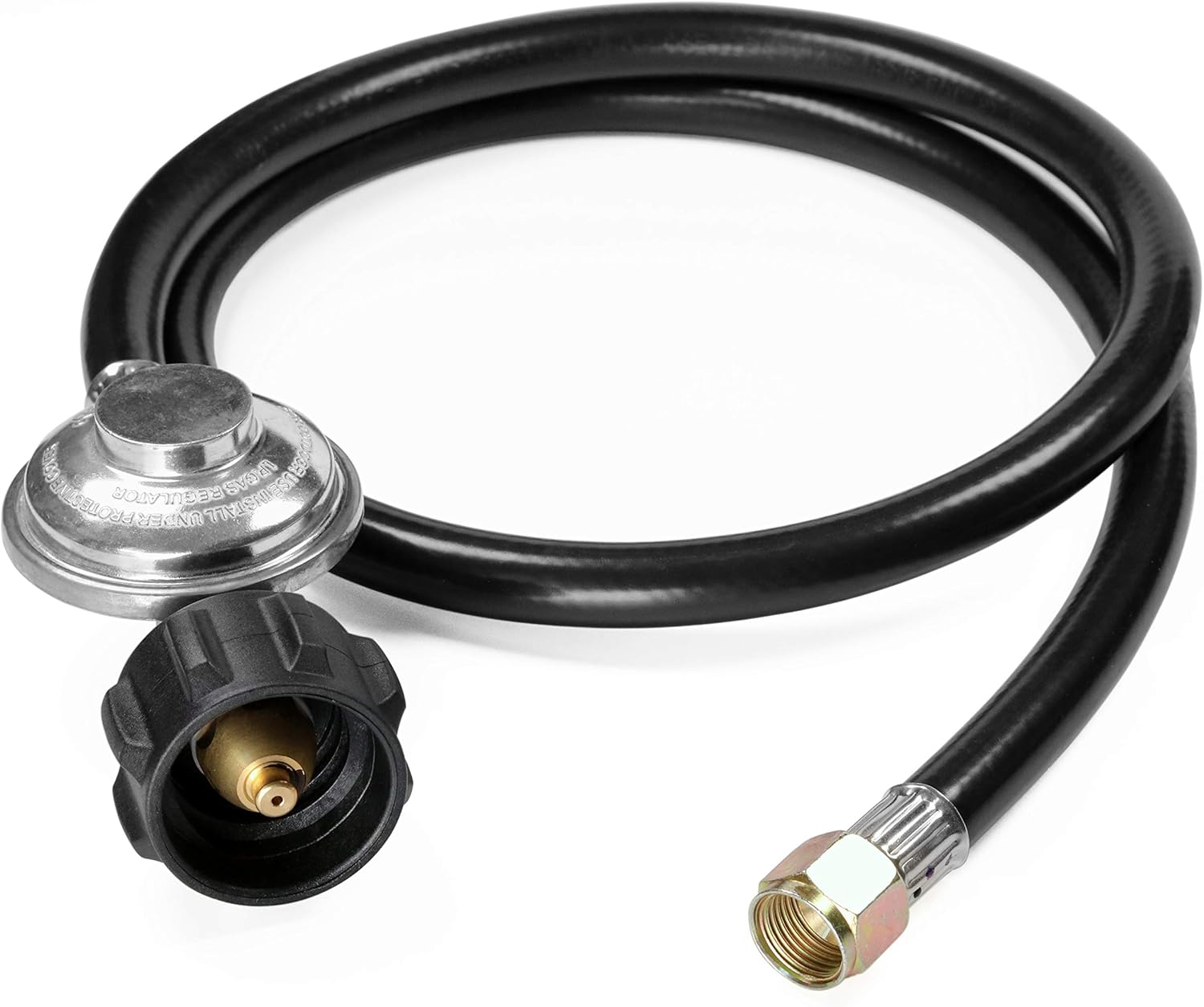
- A Weber-compatible 20 lb tank adapter hose can be far more economical for frequent home use.
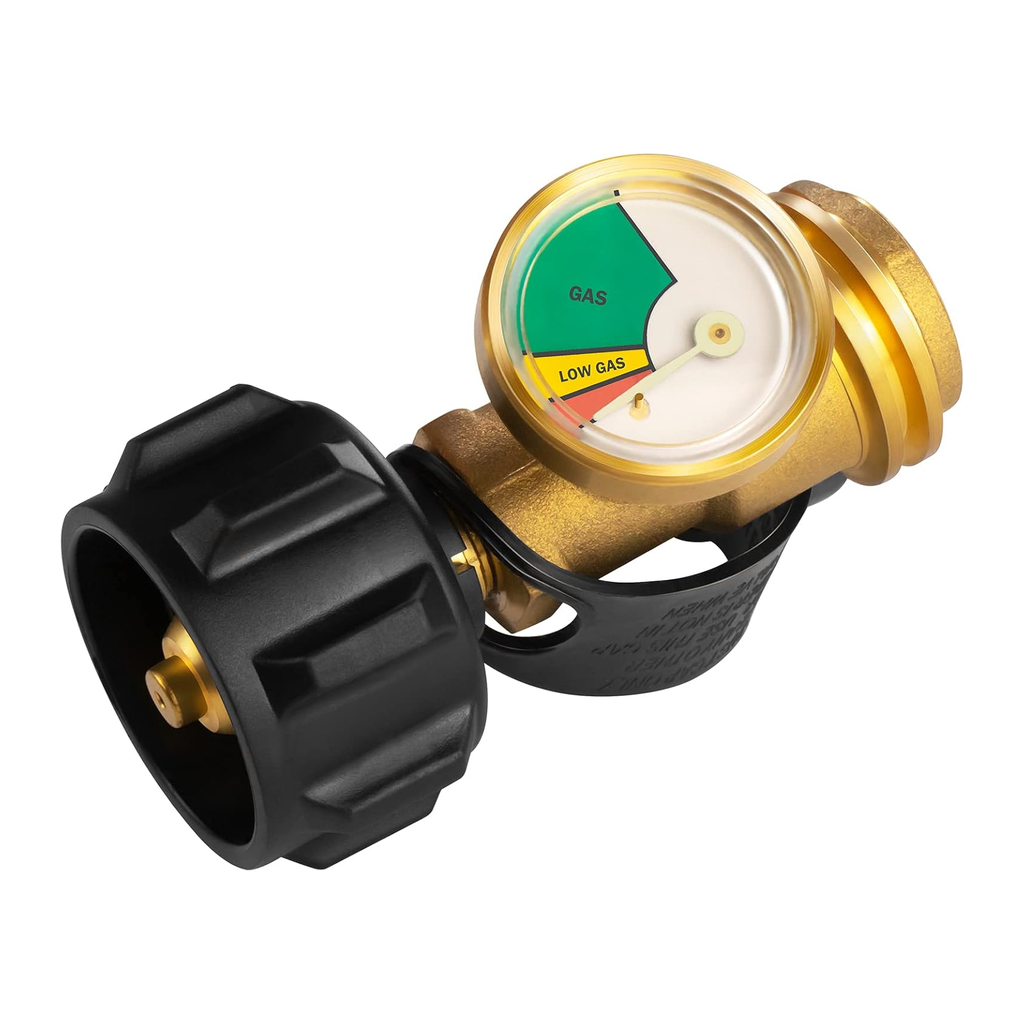
- A magnetic propane tank gauge helps you avoid running out mid-cook.
- Keep hoses and regulators in good condition — replace any damaged parts before lighting.
- Always follow Weber's manual for connection, leak-checks, and storage.
Troubleshooting low flame? See how to reset a grill regulator and our best propane grills guide.
Weber Q1200 dimensions and cooking capacity
Dimensions matter for storage, RV bays, car trunks, and tight balconies. With side tables folded the Q1200 collapses to a roughly carry-on-suitcase footprint, while the open cooking surface stays usable for everyday cooks.
Solo meals
1 steak + veg, or 2 chicken thighs + a side — easy.
Two-person meals
2 burgers + buns toasting, or 4 brats with peppers.
Burgers
About 6–8 standard patties with proper spacing.
Brats / sausages
Roughly 8–10 standard links across the grates.
Chicken pieces
4–6 boneless thighs or 2–3 leg quarters comfortably.
Vegetables
Half-sheet's worth of peppers, onions, or zucchini.
Need more capacity for the same family cook? The Weber Q2200 adds roughly 48% more grate area in the same overall design.
Weber Q1200 accessories worth buying
Weber Q1200 / Q-series stand
Best for: Anyone using the Q1200 as a patio grill
Why it matters: Turns the tabletop Q into a freestanding cart at a comfortable height.
Watch out for: Pick the Weber stand sized for Q1000 / Q1200.
Check price on Amazon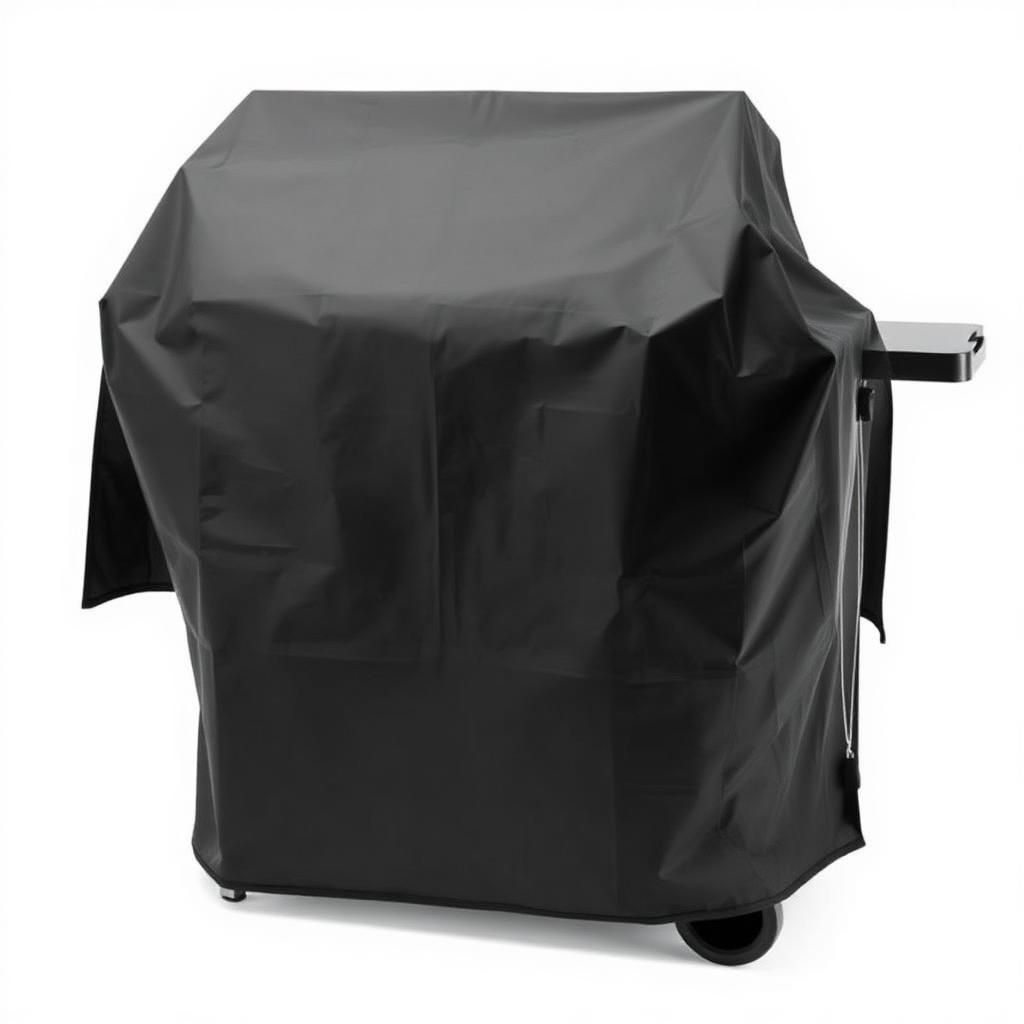
Weber Q1200 grill cover
Best for: Anyone storing the grill outside
Why it matters: Protects cast aluminum, side tables, and hose from sun and rain.
Watch out for: Get the cover sized for the Q1000 / Q1200 (not Q2200).
Check price on AmazonWeber Q griddle insert
Best for: Breakfast, smash burgers, veg
Why it matters: Drops onto the existing grates for a flat-top cooking surface.
Watch out for: Match the griddle to Q100/Q1000/Q1200 sizing.
Check price on Amazon20 lb propane adapter hose
Best for: Frequent home use
Why it matters: Connects the Q1200 to a standard 20 lb tank — cheaper per cook than 1 lb cylinders.
Watch out for: Use only with a quality regulator/hose; never modified parts.
Check price on AmazonMagnetic propane tank gauge
Best for: Avoiding mid-cook fuel runs out
Why it matters: Sticks to a 20 lb tank and shows remaining fuel at a glance.
Watch out for: Works with standard steel propane tanks.
Check price on Amazon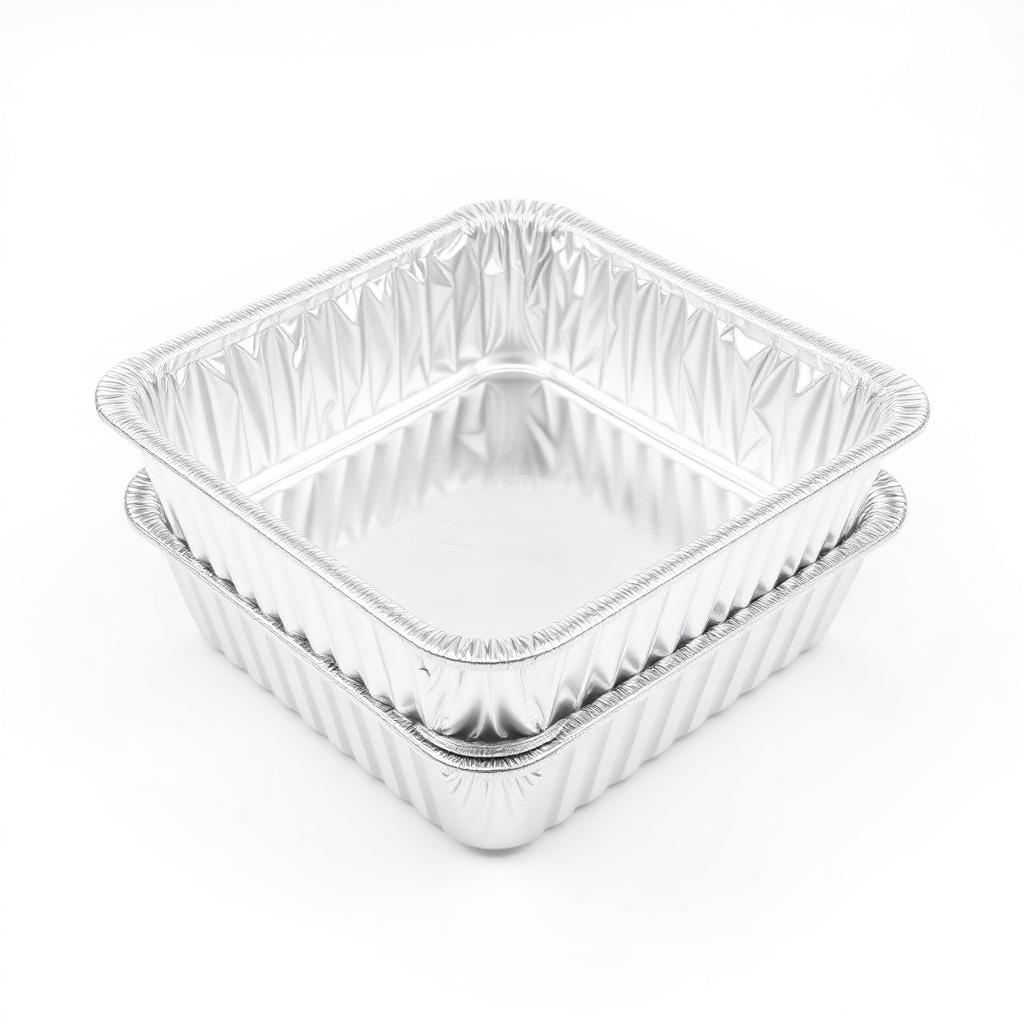
Disposable drip / grease trays
Best for: Easy cleanup
Why it matters: Catch grease in a replaceable tray instead of scrubbing the catch pan.
Watch out for: Match Weber Q catch pan dimensions.
Check price on Amazon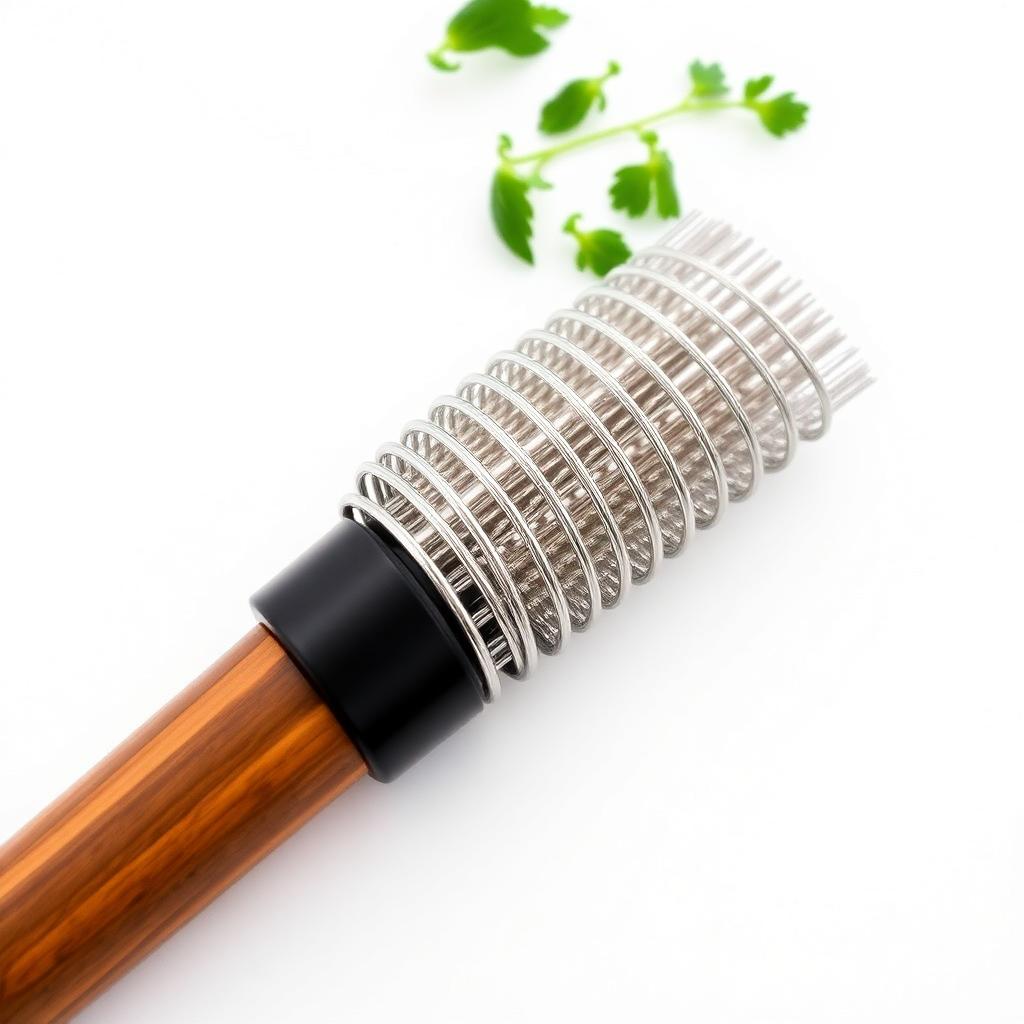
Bristle-free grill brush
Best for: Cleaning porcelain grates safely
Why it matters: Safer than wire bristles for porcelain-coated cast iron.
Watch out for: Replace yearly even if it still looks OK.
Check price on Amazon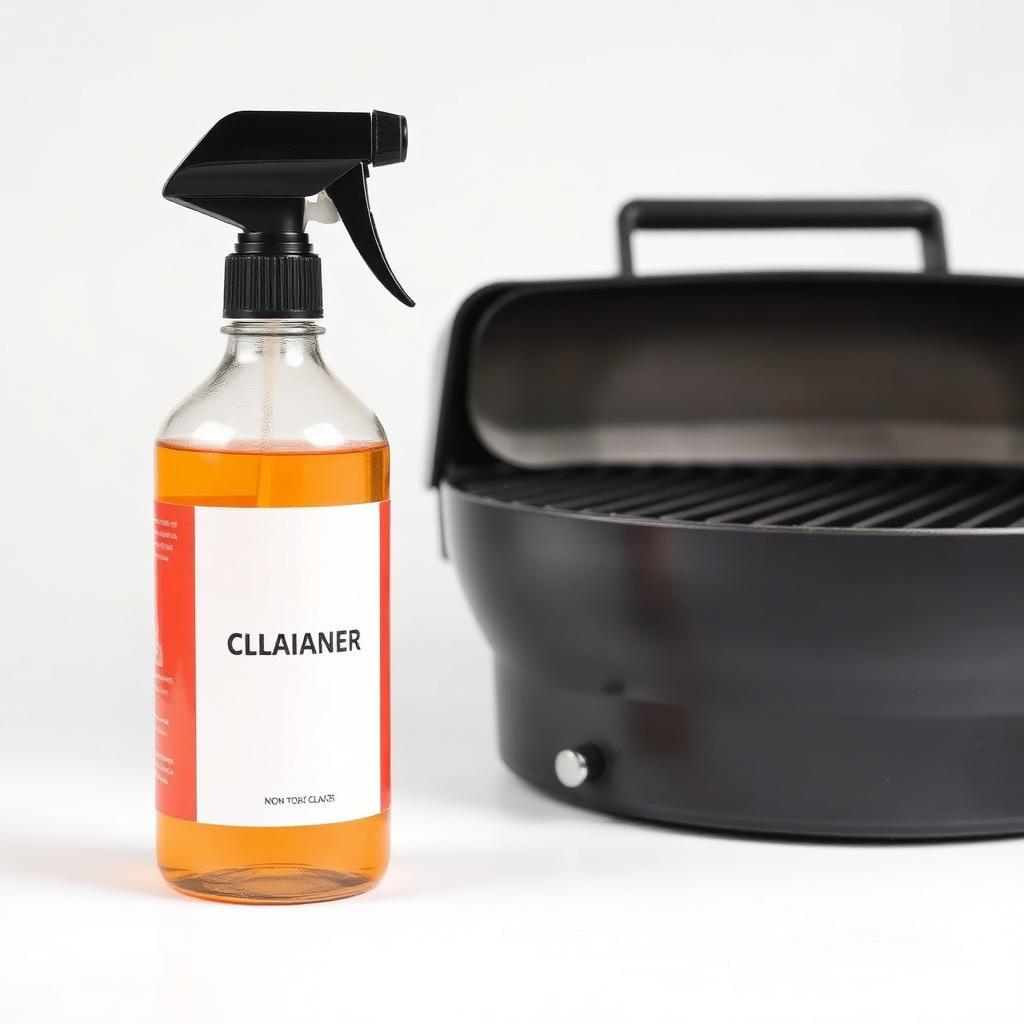
Grill cleaner spray
Best for: Periodic deep cleans
Why it matters: Cuts cooked-on grease on grates and cookbox.
Watch out for: Use food-safe formulas and rinse before next cook.
Check price on Amazon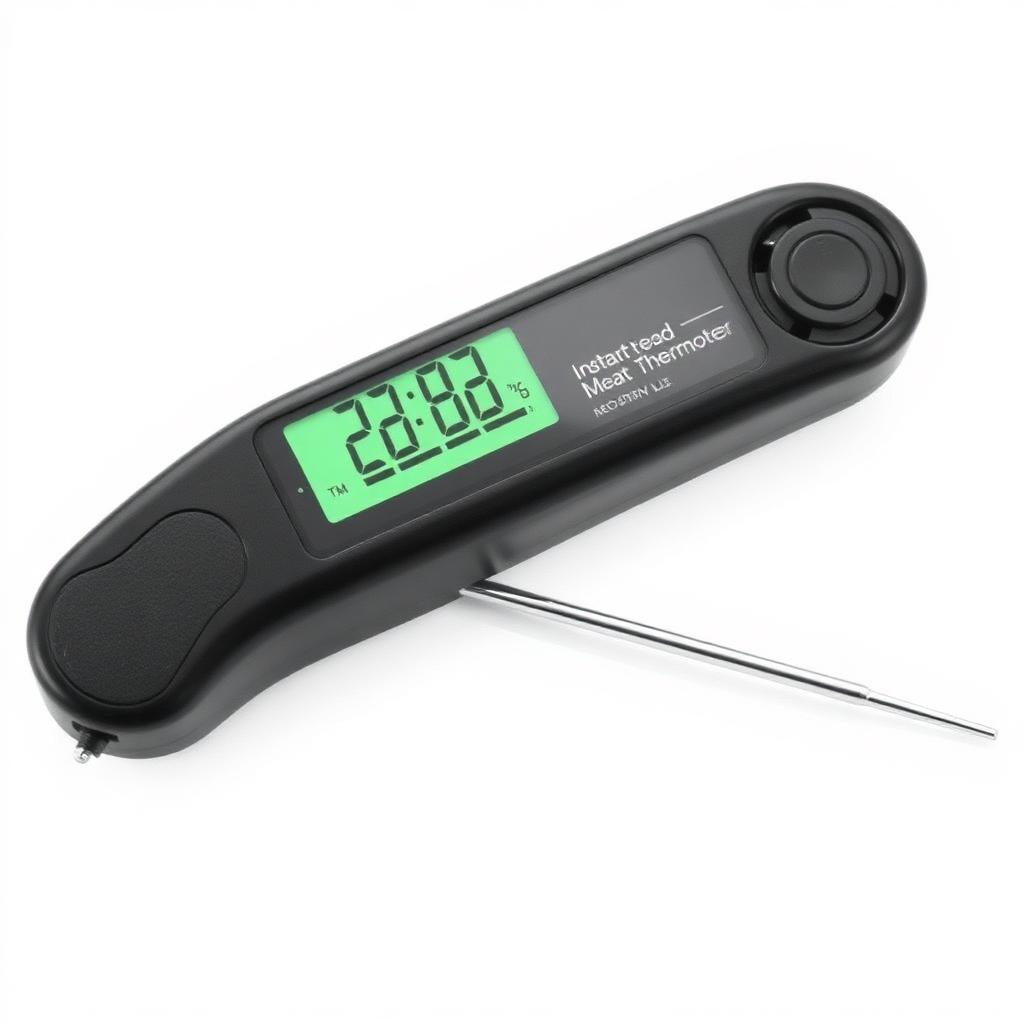
Instant-read thermometer
Best for: Doneness without guessing
Why it matters: Hood thermometer drifts — instant-read tells the truth about your food.
Watch out for: Sub-3-second models are noticeably better.
Check price on AmazonWeber Q1200 replacement parts to know
A Weber Q1200 lasts longer because replacement grates, burner, igniter, regulator, drip trays, and covers stay easy to source — one of the biggest reasons Q-series grills beat cheaper portables long-term.
Cooking grates
Porcelain-enameled cast iron grates can be replaced after years of heavy use.
Learn moreBurner tube
The single D-shaped burner is replaceable — restore even flame patterns.
Learn moreRegulator
Bypass mode and aging regulators are a common low-flame cause. Reset first, replace if needed.
Learn moreIgniter
Battery, electrode, and wiring are all serviceable on the Q-series.
Learn moreCatch pan / drip trays
Cheap consumable — keep a few liners on hand.
Learn moreSide tables
Tables can crack if loaded heavily; OEM replacements are available.
Learn moreControl knob
Inexpensive swap if the original cracks or strips.
Learn moreStand and cover accessories
A proper cover and stand dramatically extend the life of any Q-series grill.
Learn moreMore: Weber grill replacement parts guide · Grill igniter not working · Grill regulator reset.
How to clean and maintain a Weber Q1200
- Clean grates after each cook with a bristle-free brush
- Empty the catch pan when grease pools
- Brush or scrape grates only after they cool slightly
- Wipe cookbox grease build-up periodically
- Check burner ports for blockages
- Inspect regulator and hose annually
- Cover only after the grill has cooled and dried
- Avoid storing the grill greasy — it attracts pests
- Protect the cast aluminum body from impact dents
Deep clean walkthrough: How to clean a grill. Tools: Best grill brushes, best grill cleaner, and a fitted grill cover.
Weber Q1200 vs full-size gas grills
The Q1200 is built for portable and compact use. Full-size gas grills like the Weber Spirit or Genesis are better for families, multi-zone cooking, and everyday backyard use.
If you only own one grill and want it to handle weeknight family dinners, steaks, and the occasional party, a full-size grill is the better tool. Save the Q1200 for travel, RV trips, or a tiny patio where a full-size grill can't go.
Compare: Best gas grills · Weber Spirit vs Genesis · Weber Spirit E-215 review.
Performance Review
How the Weber Q1200 Actually Cooks
Specs are one thing. Real cook performance is another. Here's what to expect after 50+ cooks on this grill.
1. Preheat Performance
The Q1200 reaches 420°F in approximately 10 minutes with the lid closed and the burner on high. To hit 500°F takes 15-20 minutes — if it hits 500°F at all in cold or windy conditions. Compared to the Q2200 (which hits 420°F in 7 minutes and 550°F in 20 minutes), the Q1200 feels underpowered. For the way most people use portable grills — showing up at a campsite, wanting food in 30 minutes — the Q1200's preheat time is a noticeable friction point.
2. Heat Distribution
The D-shaped burner does its job reasonably well across the 189 square inches of the Q1200. Edge-to-center temperature variation is about 15-20°F, which is acceptable for a single-burner grill. However, the small cooking surface means you can't really do two-zone grilling — there's not enough space to have a "cool zone" anywhere. Everything on the grates cooks at roughly the same temperature.
3. Searing Capability
The Q1200's 8,500 BTU output is the weakest capability on this grill. For proper steak searing, you want 450°F+ sustained surface temperatures. The Q1200 can reach this — eventually — but takes 15-20 minutes to get there and loses heat fast when food hits the grate. The Q2200's 12,000 BTU output is meaningfully better for searing because it recovers temperature faster after a grate-loading moment. If you regularly grill steaks, the Q1200 will disappoint.
4. Cold/Windy Weather Performance
This is the Q1200's biggest weakness. In temperatures below 60°F or with any meaningful wind, the Q1200 can struggle to hit 400°F at all. The single low-BTU burner simply doesn't have the reserve capacity to overcome heat loss. Winter grilling, shoulder-season camping, or exposed beach/mountain locations all expose this limitation. The Q2200 handles these conditions much better due to the 41% BTU advantage.
5. Where the Q1200 Shines
Warm-weather summer grilling of burgers, brats, boneless chicken thighs, or vegetables for 1-2 people. In ideal conditions (70-85°F ambient temperature, no wind, quick cook items), the Q1200 performs exactly as advertised — easy to light, pleasant to cook on, no assembly headaches. The build quality is genuinely excellent. If your grilling is always in these conditions, the Q1200 is legitimately good. If your grilling involves colder weather, larger groups, or searing, the Q2200 is the upgrade you need.
Exceptions
The Three Specific Scenarios Where the Q1200 Beats the Q2200
The Q1200 isn't wrong for everyone. Three specific use cases make it the smarter pick.
Extreme Space Constraints
Balcony grilling where every inch matters. Tiny apartments with limited storage. RVs with specific grill bay dimensions. The Q1200 is 10 inches shorter and 12 pounds lighter than the Q2200 — when storage space is the binding constraint, it wins. The Q2200 simply won't fit in spaces the Q1200 does.
True Extreme Portability
Hiking to a campsite. Boating with strict weight limits. Motorcycle touring. If you're carrying the grill, 12 extra pounds matters. The Q2200 is heavy enough (42.5 lbs) that it's clearly a two-hands, short-distance grill. The Q1200 (29.5 lbs) is legitimately one-hand carryable for longer distances.
Solo or Couple-Only Cooking
If you genuinely only ever cook for 1-2 people and will never host or scale up, the Q1200's smaller capacity is fine. 8 burgers is more than enough for two people. No need to pay for capacity you won't use. This is the honest scenario where the Q1200 wins on value.
Outside these three scenarios, the Q2200 wins. If none of the above apply to you, spend the extra $65-70 and get the meaningfully better grill.
Living With It
What to Expect After Year One
5-year ownership picture for the Q1200. Mostly good news — these are well-built grills that last.
Year 1
Step 1
Break-in and routine cooks
Routine use with zero issues for most owners. The Q1200's cast aluminum body and porcelain-enameled grates handle everyday cooking without problems. Nothing to replace. The main learning curve is managing the 8,500 BTU output — understanding that preheating takes 10-15 minutes, not 5.
Year 2-3
Step 2
First minor maintenance
Hood thermometer may start drifting by 15-30°F. Replace with a quality digital replacement or supplement with an instant-read thermometer. Porcelain grates may show minor chipping on the edges if cleaned aggressively with wire brushes. Consider switching to bristle-free brushes.
Year 3-4
Step 3
Grate replacement window
If you've used wire brushes heavily, the porcelain grates may need replacing around year 3-4. Weber OEM replacement grates run $50-70. Aftermarket (QuliMetal, Hongso) run $30-45. Installation takes 5 minutes.
Year 4-5
Step 4
Burner tube consideration
The stainless steel burner tube on the Q1200 typically lasts 7-10 years but can show uneven flame patterns around year 5 if used heavily. Replacement Weber burner tubes run $60-80 OEM. If the flame pattern is still even, no replacement needed.
Year 5+
Step 5
Long-term reliability
The Q1200 is built to last 10+ years with basic maintenance. Cover it, clean it occasionally, replace consumables as needed. The 5-year Weber warranty covers the major structural components — file warranty claims first before buying replacement parts. The cookbox and lid assembly essentially never fail.
Total 5-year ownership cost beyond initial purchase: approximately $50-120 in replacement grates, thermometer, or occasional burner tube. The Q1200 is genuinely a low-maintenance, long-life grill. Build quality is the single strongest argument in its favor.
Alternatives
If Not the Q1200 or Q2200, What About...
Four alternatives worth considering for specific use cases.
The Upgrade
Weber Q2200
The recommended pick for most shoppers. $70 more than the Q1200, but 41% more BTU, 48% more cooking area. Same portability profile, better everything else.
The Traveler
Weber Traveler
Weber's first full-size portable gas grill. 320 sq in cooking area, 13,000 BTU, folds flat for trunk-sized transport. Legitimately the best portable Weber for most use cases.
The Tiny One
Weber Q1000
Smaller than the Q1200 with less refined features (no side tables, no hood thermometer). Only choose if you need minimum possible size and weight.
The Deluxe
Weber Q3200
Cart-mounted version of the Q-series. Two burners, 393 sq in cooking area, 21,700 BTU. Not portable in the tabletop sense but compact for a full outdoor grill.
FAQ
Weber Q1200 Frequently Asked Questions
Is the Weber Q1200 worth it?
Is the Weber Q1200 big enough?
Should I buy the Weber Q1200 or Q2200?
What is the difference between Weber Q1200 and Q2200?
Is the Weber Q2200 worth the extra money?
Is Weber Q1200 good for camping?
Is Weber Q1200 good for a small patio?
Can Weber Q1200 use a 20 lb propane tank?
What is the Weber Q1200 cooking area?
What are the Weber Q1200 dimensions?
Is Weber Q1200 good for steaks?
Is Weber Q1200 good for burgers?
What accessories should I buy with a Weber Q1200?
What Weber Q1200 parts wear out first?
How do you clean a Weber Q1200?
Is the Weber Q1200 worth buying in 2026?
What's the main difference between the Weber Q1200 and Q2200?
Can the Weber Q1200 sear steaks properly?
How many burgers fit on a Weber Q1200?
How long does a 1-pound propane canister last on a Weber Q1200?
Does the Weber Q1200 work in cold weather?
Can I use a Weber Q1200 indoors?
Are Weber Q1200 replacement parts available?
How does the Weber Q1200 compare to cheaper portable gas grills?
Should I buy the Weber Traveler instead of a Q1200 or Q2200?
The Bottom Line
The Verdict: Great Grill, Better Alternative
The Weber Q1200 is a legitimately well-built portable gas grill that earns its reputation. It lights reliably, cooks consistently in warm weather, and lasts for years with basic maintenance — a real Weber Q, not a cheap portable.
But the honest math doesn't support buying it over the Q2200 for most shoppers. $65-70 extra gets you:
- 41% more BTU output (12,000 vs 8,500)
- 48% more cooking area (280 vs 189 sq in)
- 38% more burger capacity (11 vs 8)
- Same portability profile (both are tabletop, both use 1-lb canisters)
- Identical build quality, ignition system, warranty, and grate material
The Q2200's only downside is 13 extra pounds. That matters if you're backpacking with the grill. It doesn't matter if you're putting it in your car trunk.
Our recommendation: buy the Weber Q2200 unless (1) you have binding storage space constraints, (2) you need extreme portability like hiking/boating, or (3) you cook exclusively for 1-2 people and never host. For every other use case, the Q2200 is the objectively smarter buy.
Score breakdown
- Build Quality: 8.5/10 — Cast aluminum body, porcelain grates, excellent Weber construction
- Cook Performance: 7/10 — Good for casual use; weak BTU output limits searing and cold-weather performance
- Value for Money: 7/10 — Reasonable, but the Q2200 offers dramatically better value for $70 more
- Portability: 9.5/10 — 29.5 lbs, easy carry handles, fits anywhere
- Overall: 7.8/10
Final decision at a glance
Buy the Q1200 if compact size matters most
Tight balconies, RV bays, small sheds — the Q1200 fits where the Q2200 doesn't.
Buy the Q1200 if you cook for one or two people
189 sq in handles a couple's burgers, brats, or chicken without wasted capacity.
Buy the Q1200 if storage is very tight
10 inches shorter and 13 lbs lighter than the Q2200 — easier to lift and stow.
Buy the Q2200 if you want the better all-around Weber Q
+48% cooking area, +41% BTU, same fuel and portability profile.
Buy the Q2200 if you cook for family or guests
Comfortably handles 3–5 people in one batch instead of juggling cooks.
Buy a full-size Weber if this will be your main backyard grill
A Spirit or Genesis gives more burners, indirect cooking room, and longer cook sessions.
Affiliate disclosure: qualitygrillparts.com earns a small commission on qualifying purchases at no extra cost to you.
Related Guides
Grill Review
Weber Q2200 Review
The recommended Weber Q for most buyers — more space and heat.
Read guideBuying Guide
Best Portable Grills
Compare the top portable grills across brands and fuel types.
Read guideBuying Guide
Best Small Grills
Grills built for balconies, condos, and tight backyards.
Read guideBuying Guide
Best Propane Grills
Top propane grills if you want convenience over charcoal.
Read guideBuying Guide
Best Gas Grills
Full-size gas grill picks if portability isn't required.
Read guideGrill Review
Weber Spirit E-215 Review
Entry full-size Weber gas grill — a step up from a Q for backyards.
Read guideComparison
Weber Spirit vs Genesis
Which full-size Weber gas grill is right for your backyard.
Read guideBuying Guide
When Do Weber Grills Go on Sale?
Best months to buy a Weber Q1200 or Q2200 at a discount.
Read guideParts Hub
Weber Grill Replacement Parts Guide
Burners, grates, regulators, and igniters across the Weber lineup.
Read guideTroubleshooting
Grill Regulator Reset
Fix low-flame bypass mode on Weber Q-series and other gas grills.
Read guideTroubleshooting
Grill Igniter Not Working
Why your Q-series igniter clicks but won't light — and how to fix it.
Read guideCare Guide
How to Clean a Grill
Full clean routine for porcelain cast iron grates and gas cookboxes.
Read guide