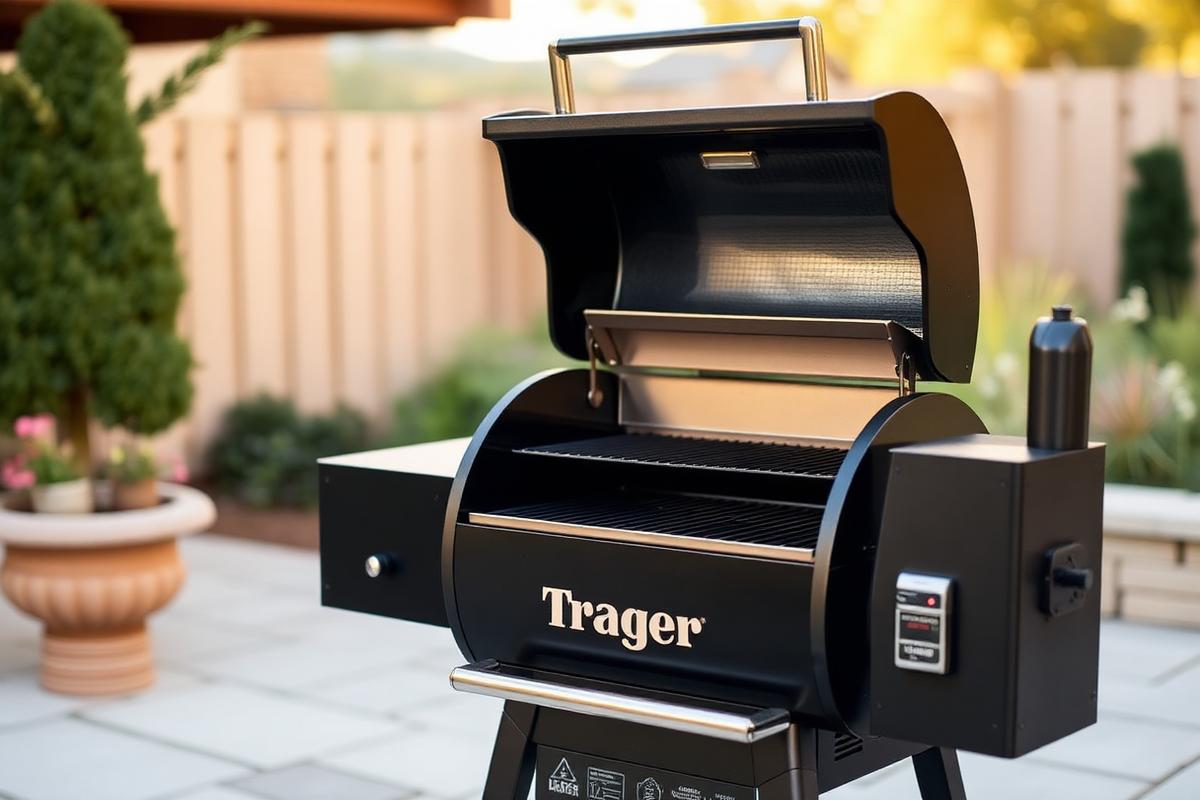
The Traeger Pro 575 and Pro 780 were Traeger's most popular mid-tier pellet grills from 2020 until their discontinuation in January 2025. Both featured WiFIRE technology, D2 drivetrain, and PID temperature control — identical on the inside, different on the outside. The only real differences: the Pro 780 offered 205 more square inches of cooking surface, weighed 30 pounds more, and cost $200 more. Traeger replaced both with the Woodridge lineup in 2025. This comparison explains how they differed, whether used versions are worth buying in 2026, and which Woodridge model is the right successor for each one.
10 min readUpdated April 2026Both grills discontinued January 2025
Discontinued 2025. Still excellent if owned. Used-market values vary by model.
Important note
Both the Traeger Pro 575 and Pro 780 were discontinued in January 2025. Traeger replaced them with the Woodridge series: Woodridge Base (860 sq in, replaces Pro 575's market position), Woodridge Pro (970 sq in, replaces Pro 780), and Woodridge Elite (adds a Side Sear Station). If you own a Pro 575 or Pro 780, replacement parts remain widely available and your grill is still excellent. If you're shopping new in 2026, the Woodridge lineup is the direct successor. If you're shopping used, prices on the Pro 575 and Pro 780 have dropped 30-50% since discontinuation, making them attractive value for budget-conscious buyers.
The Compact One
8.2 / 10
Overall Score
The Verdict
The Pro 575 delivered WiFIRE convenience and reliable PID temperature control in a reasonably compact footprint. Good choice for small-to-medium households. Better value than the Pro 780 for most buyers.
The Pro 780 added 205 sq in of cooking area over the Pro 575 and kept every other feature identical. Right choice for hosts or large families. Less value-efficient than the Woodridge Pro for new buyers in 2026.
For existing owners, both grills remain excellent. For new buyers in 2026, the Woodridge Pro is the smart successor to either. For used-market buyers, the Pro 575 at $400–500 offers better value than the Pro 780 at $550–700 — the extra cooking area on the Pro 780 rarely justifies the price difference.
The Real Comparison
The Only Significant Difference: Cooking Area
When Traeger launched the Pro 575 and Pro 780 in 2020, they were designed as the same grill at two sizes. All the "smart" features — WiFIRE, D2 drivetrain, PID controller — were identical.
The Pro 575 and Pro 780 share 95% of their DNA. Both feature Traeger's D2 drivetrain (brushless motor for faster startup and better temperature recovery), identical PID temperature controllers with ±5°F accuracy, identical WiFIRE smartphone integration via the Traeger app, identical 500°F max temperature, identical 18-lb pellet hopper capacity, identical D-shaped burn pot design, and identical all-terrain wheels.
The differences are purely dimensional:
Cooking Area
Pro 575: 418 sq in main grate + 157 sq in upper rack = 575 sq in total
Pro 780: 570 sq in main grate + 210 sq in upper rack = 780 sq in total
Difference: 205 sq in (35% more on Pro 780)
Real impact: Pro 780 holds 3 extra racks of ribs OR 10 extra burgers OR 2 extra whole chickens
Physical Dimensions
Pro 575: 45" W × 27" D × 49" H, 124 lbs
Pro 780: 53" W × 27" D × 49" H, 155 lbs
Difference: 8" wider, same depth, same height, 31 pounds heavier
Real impact: Pro 780 takes up more patio space but fits in the same spot if you have width
That's it. Everything else is identical. Same controller, same temperature range, same WiFIRE features, same D2 drivetrain, same pellet hopper, same build quality, same warranty. If you see "differences" claimed in other comparison articles beyond cooking area and dimensions, those claims are wrong.
The Buying Decision
Is the Extra 205 Sq In Worth $200?
At original MSRP ($800 vs $1,000), the Pro 780's extra cooking area cost about $1 per square inch. Here's when that premium made sense.
The honest answer: for most buyers, no. Here's the math.
1. The Pro 575 fits 24 burgers. That's 1 burger per 24 sq inches. If you regularly host 20+ people, you'd need to cook in batches. If you host 10–12 at most, the Pro 575's capacity is genuinely sufficient.
2. The Pro 575 fits 5 rib racks. That's 2–3 pork ribs per rack = 10–15 racks of ribs. A hosting event for 20 people rarely exceeds 15 racks of ribs. Again — Pro 575 is fine for most use cases.
3. The Pro 780's extra capacity matters for whole briskets. A 14-lb whole packer brisket barely fits on the Pro 575 (tight). It fits comfortably on the Pro 780. If you regularly smoke whole briskets, the Pro 780 is the right pick.
4. Pellet consumption scales with cook area. The Pro 780 uses about 25–30% more pellets per hour than the Pro 575 for the same temperature target. A 12-hour brisket cook uses $8 of pellets on Pro 575, $11 on Pro 780. Over 50 brisket cooks, that's $150 more in pellets. Factor this into the cost equation.
Our take at original MSRP: Pro 575 for 85% of buyers. Pro 780 only for households that regularly cook for 20+ people OR smoke whole briskets monthly.
Our take on the used market in 2026: Pro 575 at $400–500 is the better used buy. Pro 780 at $550–700 competes with used newer grills (Pit Boss, Z Grills, early Woodridge Base) that offer more modern features at similar prices.
The Successor
Traeger Woodridge: What Replaced Them in 2025
Traeger's Woodridge lineup (Base, Pro, Elite) launched January 2025 and directly replaces the Pro series. Here's how they compare.
Replaces Pro 575
Woodridge Base
• 860 sq in cooking area (+50%)
• Traeger app with full WiFIRE
• Updated cart design
• Improved body construction
• Does NOT include Super Smoke Mode
Current price: ~$799
Who it's for: Budget-conscious buyers who want current-generation Traeger WiFIRE technology
Replaces Pro 780 (Most Popular)
Woodridge Pro
• 970 sq in cooking area (+24%)
• Super Smoke Mode (enhanced smoke below 225°F)
• Digital pellet sensor (monitor fuel via app)
• Keep Warm Mode
• Updated cart design
Current price: ~$999
Who it's for: The default recommendation. Best value in the Woodridge lineup for most buyers.
Premium Upgrade
Woodridge Elite
• Side Sear Station (20,000 BTU, 650°F+)
• Eliminates need for separate searing grill
• All Woodridge Pro features
• Larger footprint
Current price: ~$1,299+
Who it's for: Serious cooks who regularly sear steaks and don't want a second grill
The Woodridge Pro is the genuine successor to the Pro 780 — similar price positioning ($999 vs Pro 780's original $1,000) but significantly improved capabilities (larger cook area, Super Smoke Mode, digital pellet sensor). For new buyers in 2026, it's the clear recommendation over either discontinued Pro series model. Weber owners considering switching to pellet grills should compare the Woodridge Pro to the Weber SmokeFire series.
With Traeger discontinuing both models, used prices have dropped 30–50%. Here's the honest assessment of buying used.
Used Traeger pellet grills at 40–60% off original MSRP can be genuinely good values — but pellet grills have more used-market risk than kettle charcoal grills because they have electronic components that can fail. Here's what to check.
What to inspect before buying
WiFIRE connectivity: ask seller to connect the grill to WiFi and run a cook via the app
D2 controller: verify temperature accuracy by running a test cook at 225°F and 350°F
Igniter hot rod: ask if the grill lights reliably on first start attempt
Auger motor: listen for grinding or unusual sounds when pellets feed
Firepot: inspect for excessive corrosion or build-up (replace part ~$40)
Cook grates: check for warping or major chipping (replacement ~$60–80)
Fan and ventilation: verify the fan runs smoothly and vents are clear
Pellet auger: check for rust or debris in the pellet path
What's fixable vs walk-away issues
FIXABLE: Igniter hot rod (~$35), auger motor (~$150), grate replacement (~$70), firepot (~$40), thermometer (~$25)
FIXABLE: Pellet jams (clear the auger), rust on exterior (clean + paint), missing grease tray (replaceable)
WALK AWAY: Cracked hopper, water-damaged controller, rust-through of main body, warped cooking chamber
BIG RED FLAG: Grill won't power on at all (likely requires new controller at $300+)
Typical total cost for used Pro 575 in good condition: $400–500 purchase + $50–100 in replacement parts (typically grates or thermometer) = $450–600 total. That's approximately 50% off the original $800 MSRP for an identical grill with most of its lifespan remaining.
Typical total cost for used Pro 780: $550–700 purchase + $50–150 in replacement parts = $600–850 total. Competes directly with new Woodridge Base at $799. The Woodridge Base is often the better value at similar total cost — newer warranty, current features, digital pellet sensor.
The Bottom Line
Final Verdict: Pro 575 vs Pro 780 in 2026
Both grills were genuinely excellent when new. Both are discontinued. The right buy in 2026 depends entirely on whether you're shopping new, shopping used, or already own one.
If you already own a Pro 575 or Pro 780: Congratulations — you have an excellent pellet grill with 15+ years of remaining life with basic maintenance. Replacement parts remain widely available. The Traeger app continues to support your grill (no forced obsolescence). Keep it, maintain it, and expect it to outperform many newer grills from budget brands.
If you're shopping NEW in 2026: Skip both the Pro 575 and Pro 780 entirely. The Woodridge Pro at $999 is the direct successor to the Pro 780, and it's meaningfully better — 24% more cooking area, Super Smoke Mode, digital pellet sensor, updated body construction. The Woodridge Base at $799 is the direct successor to the Pro 575 with similar improvements.
If you're shopping USED in 2026: The Pro 575 at $400–500 is the smart used buy. You get identical WiFIRE technology as the Pro 780, same reliable D2 drivetrain, and sufficient cooking capacity for most households. Skip used Pro 780 unless it's under $500 — otherwise the Woodridge Base at $799 is the better value for similar total cost.
Affiliate disclosure: qualitygrillparts.com earns a small commission on qualifying purchases at no extra cost to you.
FAQ
Traeger Pro 575 vs Pro 780 Frequently Asked Questions
Are the Traeger Pro 575 and Pro 780 still available to buy new?
No. Traeger discontinued both models in January 2025 and replaced them with the Woodridge lineup (Base, Pro, Elite). You can still find new-old-stock inventory at some retailers (usually at discount) and used units on Facebook Marketplace and Craigslist at 30-50% off original MSRP. Replacement parts remain widely available through Traeger and aftermarket channels for at least the next 5-7 years.
What's the real difference between the Pro 575 and Pro 780?
Cooking area and size. The Pro 575 has 575 sq in total cooking area; the Pro 780 has 780 sq in (35% more). Everything else is identical — same D2 drivetrain, same WiFIRE controller, same 500°F max temperature, same 18-lb pellet hopper, same PID temperature accuracy. If you see other claimed differences, those claims are likely wrong. The only real comparison is cooking area vs price ($200 more for 205 extra sq in).
Which Pro model was more popular?
The Pro 575 outsold the Pro 780 by a meaningful margin — roughly 2:1 in retail sales. Most buyers correctly concluded that 575 sq in was sufficient for their cooking volume and didn't need the extra capacity at $200 more. On the used market today, Pro 575 listings outnumber Pro 780 listings by about 3:1.
What replaced the Pro 575 and Pro 780?
The Traeger Woodridge series launched January 2025 as the direct replacement: Woodridge Base ($799, replaces Pro 575's market position), Woodridge Pro ($999, replaces Pro 780), and Woodridge Elite ($1,299+, adds Side Sear Station). The Woodridge Pro is the most popular and offers significant upgrades: 970 sq in cooking area (24% more than Pro 780), Super Smoke Mode, digital pellet sensor, and Keep Warm Mode.
Should I buy a used Pro 575 or a new Woodridge Base in 2026?
Depends on your total budget and warranty preference. Used Pro 575 at $400-500 plus $50-100 in replacement parts = $450-600 total. New Woodridge Base at $799 gets you fresh warranty, newer features (digital pellet sensor, current app integration), and roughly the same cooking capacity. For most buyers, the Woodridge Base at $799 is the better long-term value despite the $200-300 price premium.
Is the WiFIRE technology the same on both Pro 575 and Pro 780?
Yes, identical. Both use Traeger's D2 drivetrain with PID temperature controller and WiFIRE smart technology. The Traeger app works identically on both, including recipe integration, remote temperature monitoring, timer alerts, and meat probe compatibility. No functional differences exist between the two.
What's the original MSRP of the Pro 575 and Pro 780?
Pro 575 launched at $800 MSRP in 2020 and sold at that price through discontinuation in January 2025. Pro 780 launched at $1,000 MSRP and followed the same pricing timeline. Both were available at occasional retail discounts (Labor Day, Black Friday) of $50-150. After discontinuation, some retailers cleared remaining inventory at 25-40% off.
Which Woodridge model is the direct successor to the Pro 780?
Woodridge Pro ($999). It replaces the Pro 780 at nearly identical price positioning but offers 970 sq in cooking area (vs Pro 780's 780 sq in), Super Smoke Mode for enhanced smoke production at low temperatures, digital pellet sensor that monitors fuel remotely, and improved body construction. Most Pro 780 owners upgrading in 2026 go to the Woodridge Pro.
Can I still buy replacement parts for the Pro 575 or Pro 780?
Yes, extensively. Traeger continues to stock OEM replacement parts for discontinued models. Common replacements: cooking grates ($60-80), igniter hot rod ($35), auger motor ($150), firepot ($40), thermometer ($25), controller ($300+). Aftermarket parts from Amazon sellers (QuliMetal, Hongso, Uniflasy) offer the same parts at 30-40% lower prices. Most Pro 575 and Pro 780 repairs are DIY-friendly.
Is the Pro 575 or Pro 780 better for brisket?
Pro 780 by a meaningful margin. A 14-lb whole packer brisket fits tightly on the Pro 575 (the meat may touch the sides during cooking, which affects heat distribution). On the Pro 780, a whole brisket fits comfortably with airflow around it. If you regularly smoke whole briskets, the Pro 780 is the right choice. If you only smoke flat-cut briskets (6-8 lb portions), the Pro 575 is fine. Either way, the Woodridge Pro at 970 sq in handles brisket even better than either discontinued Pro model.