Live Guide · Grill Troubleshooting

How to Stop Grill Flare-Ups: Causes, Fixes & Prevention

Grill flare-ups happen when grease, marinade, or fat drips onto burners or flame deflectors faster than they can vaporize. Small flare-ups are normal and add searing flavor — but constant, uncontrolled flames burn food, blacken the inside of your grill, and (in extreme cases) cause grease fires. This guide covers the 7 root causes, how to stop a flare-up in progress, food-specific tactics for burgers/chicken/bacon, and which grill grates and accessories genuinely prevent flare-ups.

13 min read Updated May 2026 Independently researched

Quick Answer · 60 seconds

Why does my gas grill flare up?

Gas grill flare-ups happen when grease drips onto hot burners or flame deflectors faster than the heat can vaporize them. The 7 most common causes are excess grease buildup in the grease tray, dirty flavorizer bars or heat plates, fatty meats like burgers and chicken thighs, sugary marinades, gas pressure set too high, missing flavorizer bars, and uncleaned burner tubes. Most flare-ups stop within 30 seconds by closing the lid.

Emergency · 30 seconds

Mid-cook flare-up? Stop it in 30 seconds

  1. 1

    CLOSE THE LID immediately — most flare-ups suffocate within 30 seconds.

  2. 2

    Move food to a cooler zone of the grill (indirect heat side) if you have one.

  3. 3

    Turn the affected burner OFF — leave others running.

  4. 4

    Wait 60 seconds with the lid closed before reopening.

Diagnose your flare-ups

What's causing your flare-ups?

Match your symptoms to the right cause. Each one links to the fix.

Video Guide

Watch: Stop grill flare-ups in 30 seconds

A walkthrough of the 4 most effective flare-up fixes — grease tray cleaning, flavorizer bar refresh, gas pressure check, and the lid-close emergency response — on a Weber Spirit E-310.

Video walkthrough coming soon

All 7 Causes

The 7 causes of grill flare-ups (ranked by likelihood)

Most flare-up problems trace back to one of these seven causes. We've ranked them from most common (grease tray buildup) to least common (high gas pressure). For each, you'll find what's happening, telltale symptoms, and step-by-step fixes.

1. Grease Tray Buildup (35% of cases)
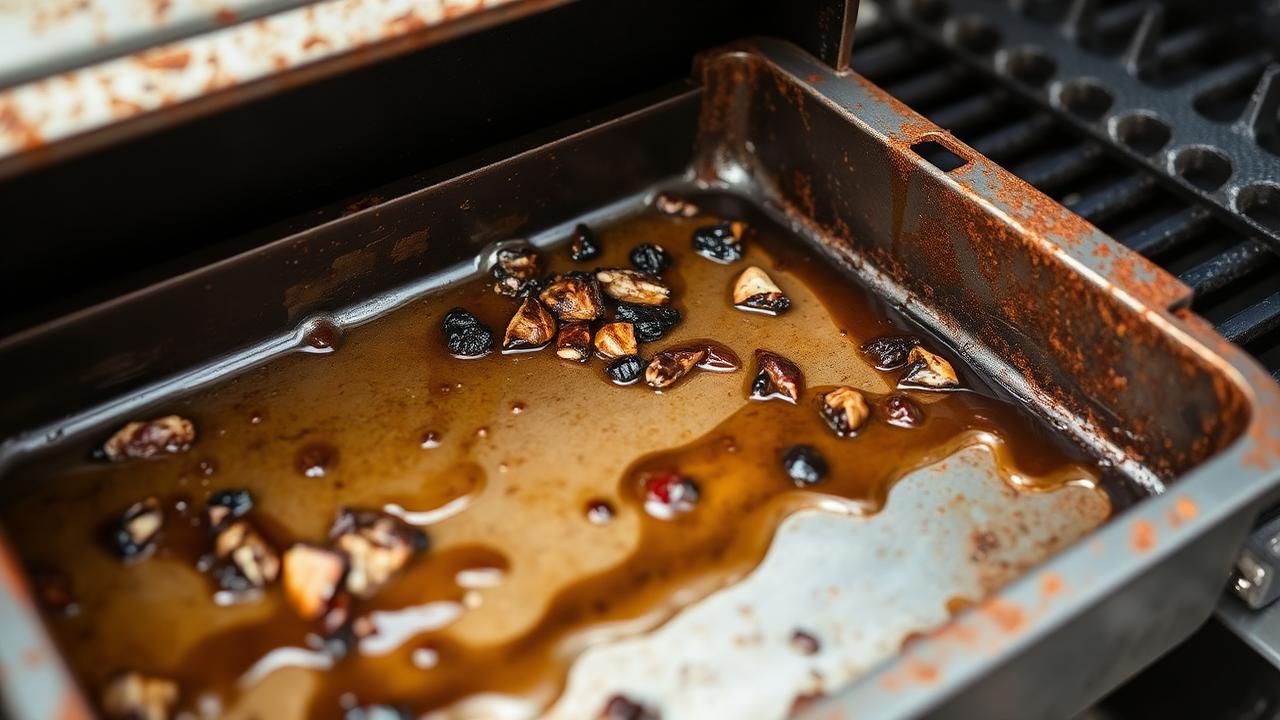
Grease tray of a gas grill with significant grease buildup and food debris

What's happening

Every gas grill has a grease tray (a removable drip pan) below the burners. Over time, drippings accumulate, harden, and become a constant fuel source — igniting the moment heat reaches them. A grease tray with more than half an inch of buildup is a flare-up factory. This is the single most common cause we see — and the easiest to fix.

Most grills funnel drippings through the cookbox into a slide-out tray below. Some Weber models route grease through a cup that hangs underneath; Char-Broil and Nexgrill typically use a slide-out pan up front; Napoleon and Blaze often hide the tray behind a removable panel. Whatever the design, the principle is the same: drippings have to go somewhere, and once that "somewhere" is full, the next dripping ignites instead of getting collected.

Symptoms

  • — Flare-ups happen even with lean cuts of meat
  • — Smoke appears before food is on the grill
  • — Smell of burnt grease during preheat
  • — Flames visible underneath the cooking grates

How to fix it

  1. 1

    Turn off and disconnect propane — let grill cool completely.

  2. 2

    Remove cooking grates and flavorizer bars or heat plates.

  3. 3

    Slide out the grease tray (usually pulls out from front or side).

  4. 4

    Empty solid debris into trash — scrape with a putty knife if hardened.

  5. 5

    Wash with hot soapy water plus degreaser; rinse thoroughly.

  6. 6

    Wipe out the cookbox bottom while access is open.

  7. 7

    Replace the disposable grease tray liner if your model uses one.

  8. 8

    Reinstall in reverse order — check the tray is fully seated to prevent drips.
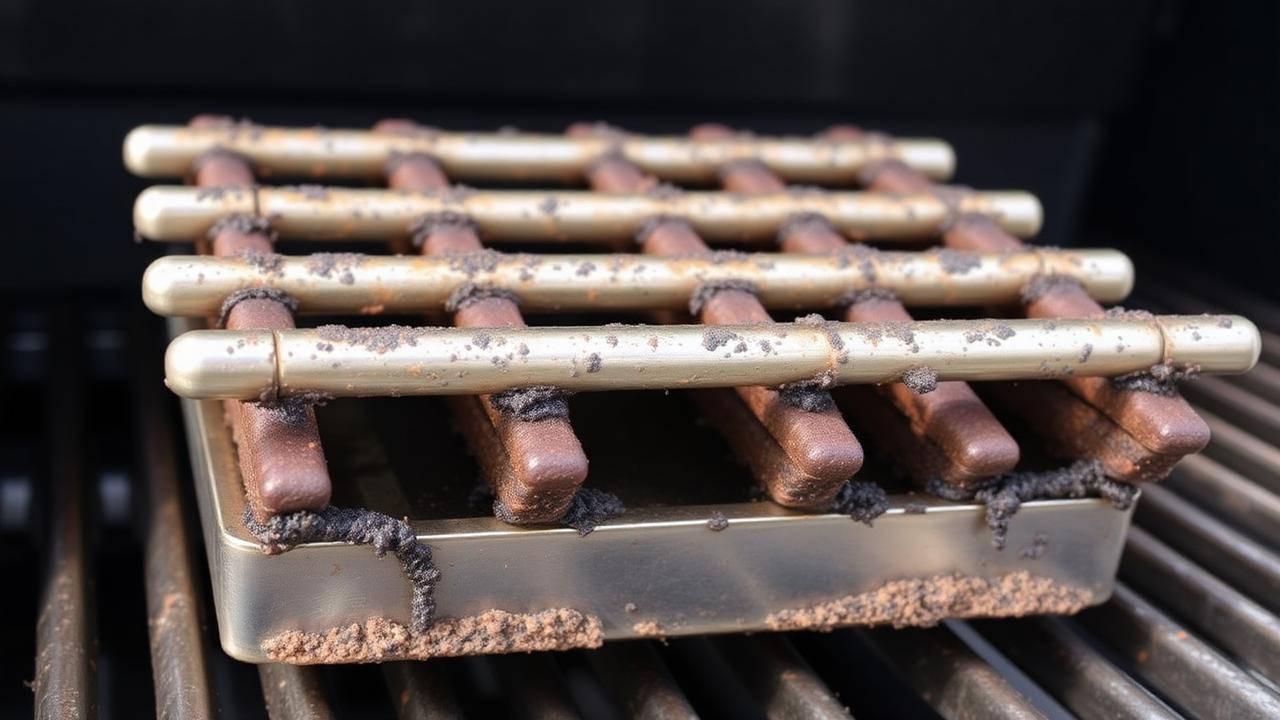
2. Dirty Flavorizer Bars / Heat Plates (25% of cases)

Grease-encrusted flavorizer bars from a Weber gas grill

What's happening

Flavorizer bars (Weber) and heat plates (everyone else) sit above the burners and vaporize drippings to create that grilled flavor. They're designed to handle some grease — but when caked beyond their capacity, they retain grease and ignite. Bars with grease ridges along the top edge are flare-up landmines.

Symptoms

  • — Flare-ups happen consistently with any dripping
  • — Visible grease ridges along bar edges
  • — Bars look black or crusty rather than gray
  • — Smoke appears even when the grill is empty

How to fix it

  1. 1

    Turn off and disconnect propane — let grill cool completely.

  2. 2

    Remove cooking grates to expose the bars.

  3. 3

    Brush bars with a stainless brush while still warm (easier than cold).

  4. 4

    Soak heavily encrusted bars in hot water plus dish soap for 30 minutes.

  5. 5

    Use steel wool on stubborn ridges (only on stainless bars, NEVER on porcelain).

  6. 6

    Flip bars over — the underside collects less grease and gives you a fresh surface.

  7. 7

    Reinstall — bars should sit flush over burners, peaked side up.

  8. 8

    If bars are warped, perforated, or won't clean — replace them.

3. High-Fat Meats Without Technique Adjustment (15% of cases)

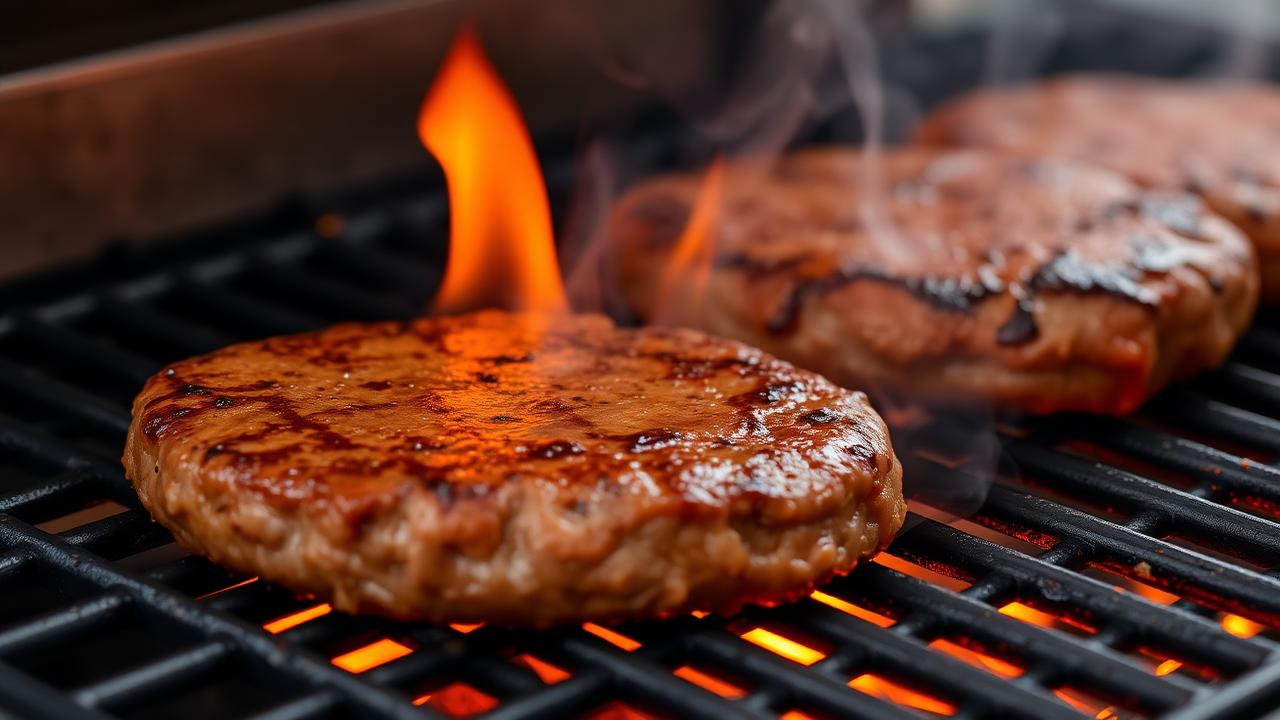
Fatty burgers on a grill with controlled flames

What's happening

Some foods drip more than your grill can handle. 80/20 burgers, chicken thighs with skin, pork belly, sausages, and ribeye steaks all release fat continuously throughout cooking. If you're flame-grilling fat-on-fat without adjustment, flare-ups are inevitable.

Symptoms

  • — Flare-ups only happen with specific foods (burgers, thighs, sausages)
  • — Lean cuts (sirloin, pork loin, breast meat) don't trigger them
  • — Flames appear within seconds of food touching grates

How to fix it

  • Use the two-zone method: HIGH heat on one side for searing, MEDIUM-LOW on the other side to finish cooking — move food to the cool side when flames erupt.
  • For burgers: dimple the center with your thumb before cooking (prevents bulging that drains fat to one spot).
  • For chicken thighs: trim excess skin and visible fat clusters before grilling.
  • For sausages: don't pierce them — punctures release fat directly onto burners.
  • Drop fattier cuts to MEDIUM heat (350-400°F) instead of full HIGH (550°F+) — slower rendering means less dripping.
  • Keep tongs in hand, ready to relocate food the moment flames appear.

How to grill burgers without flare-ups

  • Dimple a finger-deep well in the center of every patty — keeps the surface flat as it cooks.
  • Salt only after the surface has begun to sear, never beforehand (salt draws moisture and fat to the surface).
  • Flip once per side instead of repeatedly — fewer flips, less grease shock to the burners.
  • Use 80/20 ground beef as the fattiest ratio you'll go to. Step up to 85/15 if your grill can't handle 80/20 with two-zone setup.

How to grill chicken without flare-ups

  • Indirect heat for 75% of the cook time, then finish skin-side over direct heat for the last 5 minutes.
  • Trim visible fat clusters and excess skin before placing on the grill.
  • Drop the grill temp to 350-400°F for boneless thighs — they're the worst offender.

How to grill bacon without flare-ups

Bacon is the worst flare-up offender on a gas grill — never grill it directly over flames. Use a foil pouch (poke a few holes for smoke escape) or a cast iron griddle plate set over the grates. Keep the grill at 350°F max and let the bacon cook in its rendered fat. Drain rendered fat into a heat-safe container, never down a sink.

4. Sugary Marinades and Sauces (10% of cases)

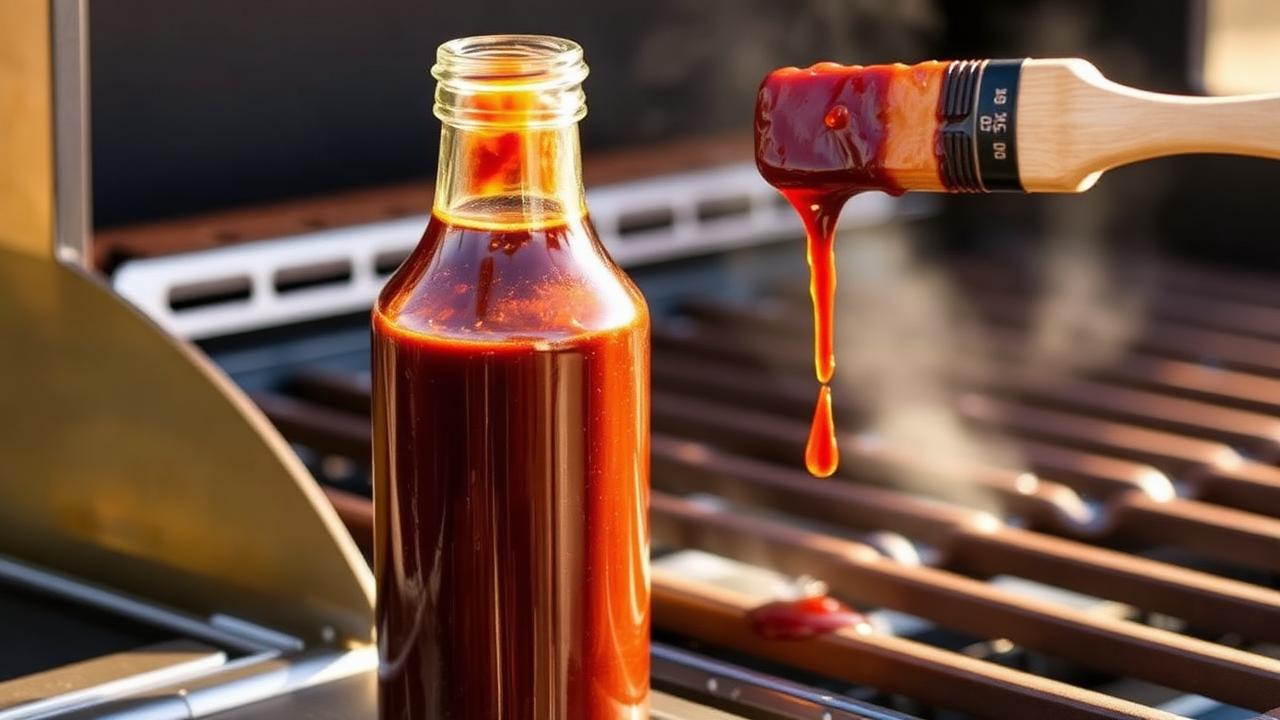
Bottle of BBQ sauce next to a grill showing how sugary marinades drip

What's happening

Sugar caramelizes at 320°F and burns at 350°F+. Sweet marinades — BBQ sauce, teriyaki, honey-mustard, brown sugar rubs — drip onto burners and ignite faster than fat does. They're essentially fuel pellets at grill temperatures.

Symptoms

  • — Flare-ups didn't happen before you started saucing
  • — Flames erupt within seconds of applying sauce
  • — Charred patches form on food where sauce contacted grates

How to fix it

  • Apply sweet sauces only in the LAST 5-10 minutes of cooking.
  • Reduce grill temp to MEDIUM (350-400°F) before saucing.
  • Move sauced food to the indirect heat zone after applying.
  • Brush sauce ON the food, not on the grates.
  • Consider serving sauce as a dip instead of applying during cooking.
  • For ribs and chicken: dry rub during cooking, sauce only in the final minutes.

5. Gas Pressure Set Too High (8% of cases)

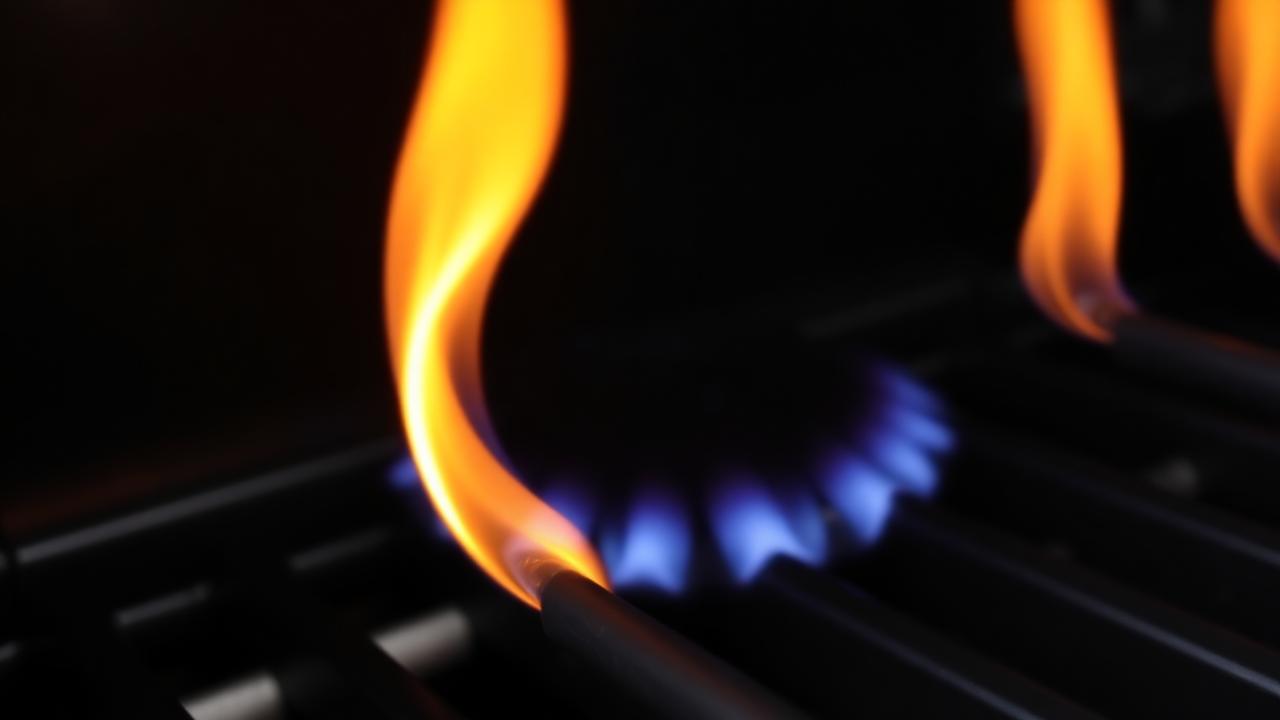
Gas grill burner with oversized flame indicating excess pressure

What's happening

If your grill is running on a fresh tank with a properly working regulator, max heat should be 550-600°F. But some grills have manual orifice adjustments or aftermarket regulators that allow over-pressure — leading to oversized flames that ignite the slightest drip.

Symptoms

  • — Flames extend 6+ inches above burner tubes at HIGH
  • — Grill reaches 700°F+ at maximum
  • — Even LOW setting produces visible flames from burner ports

How to fix it

  • Verify you're using the correct regulator for your grill (universal regulators sometimes deliver higher pressure than OEM).
  • For OEM Weber: pressure is factory-set; the problem is rarely at this level.
  • If a recent regulator swap caused this, replace with the correct unit.
  • For natural gas conversions: check that orifices were swapped (propane orifices on an NG line equal over-pressure).

6. Missing or Damaged Flavorizer Bars / Heat Plates (5% of cases)

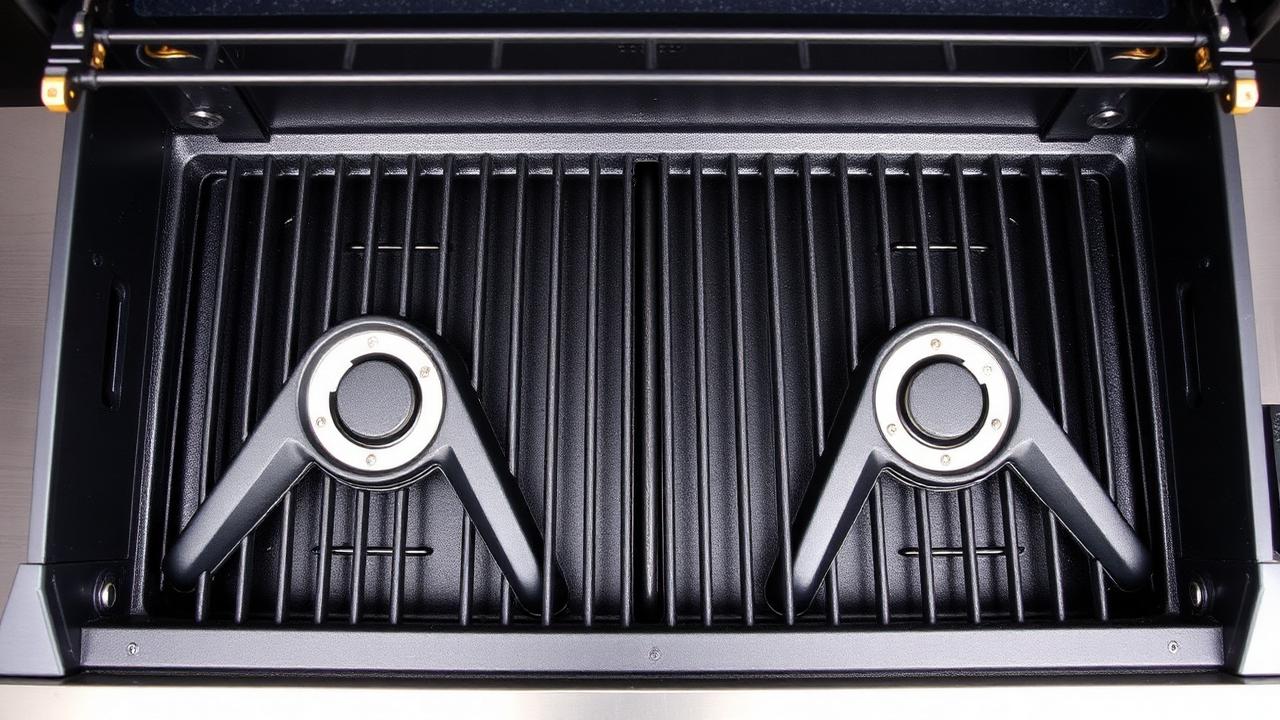
Gap in heat plate coverage showing exposed burner tube

What's happening

Flavorizer bars and heat plates aren't optional — they're the line of defense between drippings and burners. When they go missing (sometimes shed during cleaning) or warp, drippings hit burner tubes directly and ignite instantly.

Symptoms

  • — Visible gaps between bars when looking down into the cookbox
  • — Bars that have shifted out of alignment
  • — Warped or perforated bars
  • — Burner tubes visible from above

How to fix it

  • Inspect all bars and plates from above.
  • Bars should completely cover burner tubes — no gaps.
  • Realign shifted bars.
  • Replace warped or holed bars immediately.

7. Dirty or Yellow-Flame Burner Tubes (2% of cases)

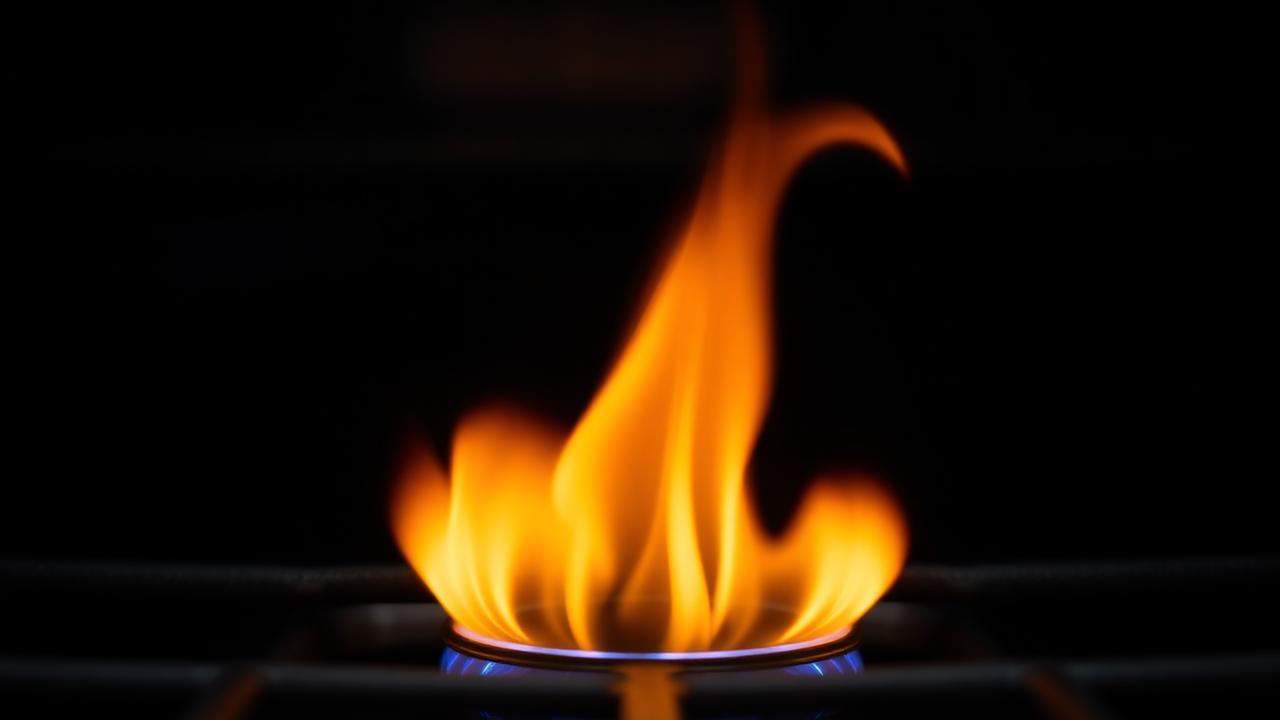
Burner tube with yellow flame indicating dirt or clogged ports

What's happening

Burner tubes with grease coatings or clogged ports produce inefficient yellow flames instead of clean blue ones. Yellow flames produce more carbon deposits, are harder to control, and tend to "lash" upward unpredictably — looking like mini flare-ups.

Symptoms

  • — Yellow flames instead of blue
  • — Sooty deposits on flavorizer bars or heat plates
  • — Weak heat output
  • — Popping or lashing flames

How to fix it

  • Clean burner tubes per our burner tube guide.
  • Use a wire brush along the tube length to clear individual gas ports.
  • For severely corroded tubes — replace.

Cooking-Specific Tactics

How to grill without flare-ups — by food

Some foods are inherently flare-up-prone. Here's how the pros handle the worst offenders.

Burgers

  • Two-zone setup: HIGH for sear, MEDIUM-LOW to finish
  • Dimple the center with your thumb before cooking
  • Flip once per side, 80/20 fat ratio max

Chicken thighs

  • Indirect heat for 75% of the cook time
  • Skin-side over direct flames only the last 5 min
  • Trim visible fat and excess skin before grilling

Bacon

  • Foil pouches or cast iron griddle plate only
  • Never directly over flames
  • 350°F max — let it cook in its rendered fat

Pork ribs

  • Indirect heat throughout the entire cook
  • Sauce only in the last 10 minutes
  • Lift fat-cap side away from heat

Replacement Parts · Prevention

Parts and accessories that actually prevent flare-ups

Three categories of products genuinely reduce flare-ups: better grates (heat-retaining, slatted to channel drippings), heat plate upgrades, and grease management. Skip the "flare-up sprays" and "lava rock" gimmicks — they don't work.

Grill grates designed to prevent flare-ups

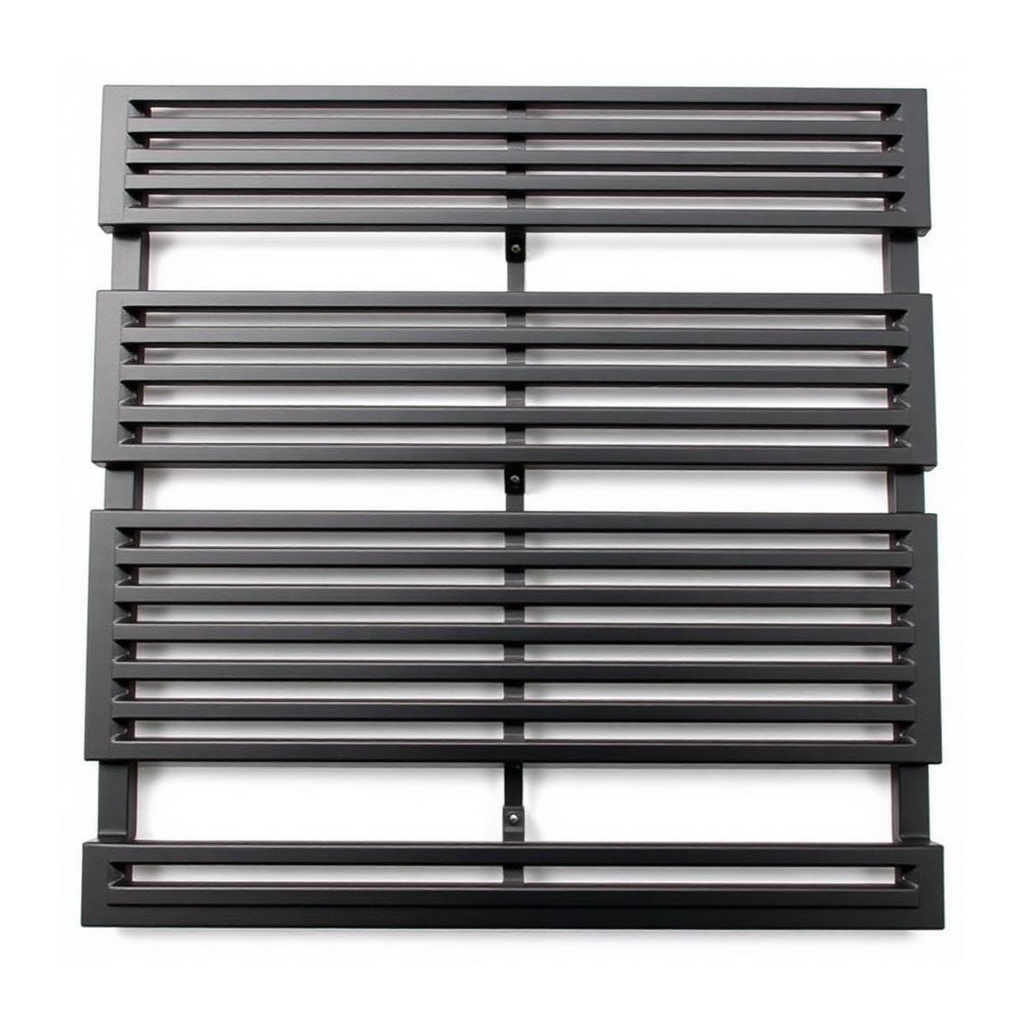
GrillGrate Sear Station aluminum slatted gratesTOP PICK

GrillGrate Sear Station

Aluminum slatted grates that channel drippings to the back of the grill instead of letting them hit burners directly. The single best upgrade for flare-up-prone cooks.

Check current price
Check Price on Amazon
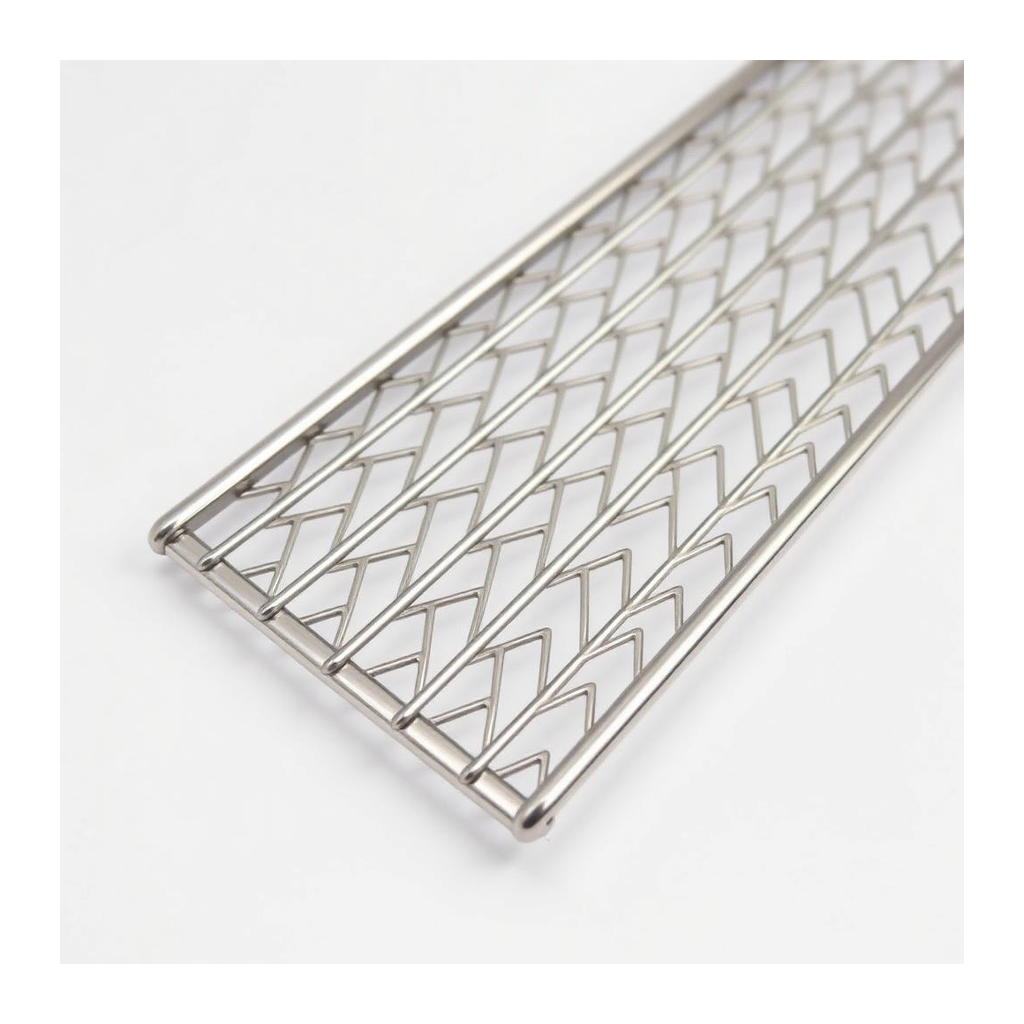
Stainless steel diamond-patterned 9mm grill gratesBEST VALUE

Stainless Steel Diamond-Patterned Grates

Heavy 9mm rod grates that retain heat and let drippings pass through cleanly. Replace bent or warped factory grates that create flare-up hot spots.

Check current price
Check Price on Amazon

Heat plate / flavorizer upgrades

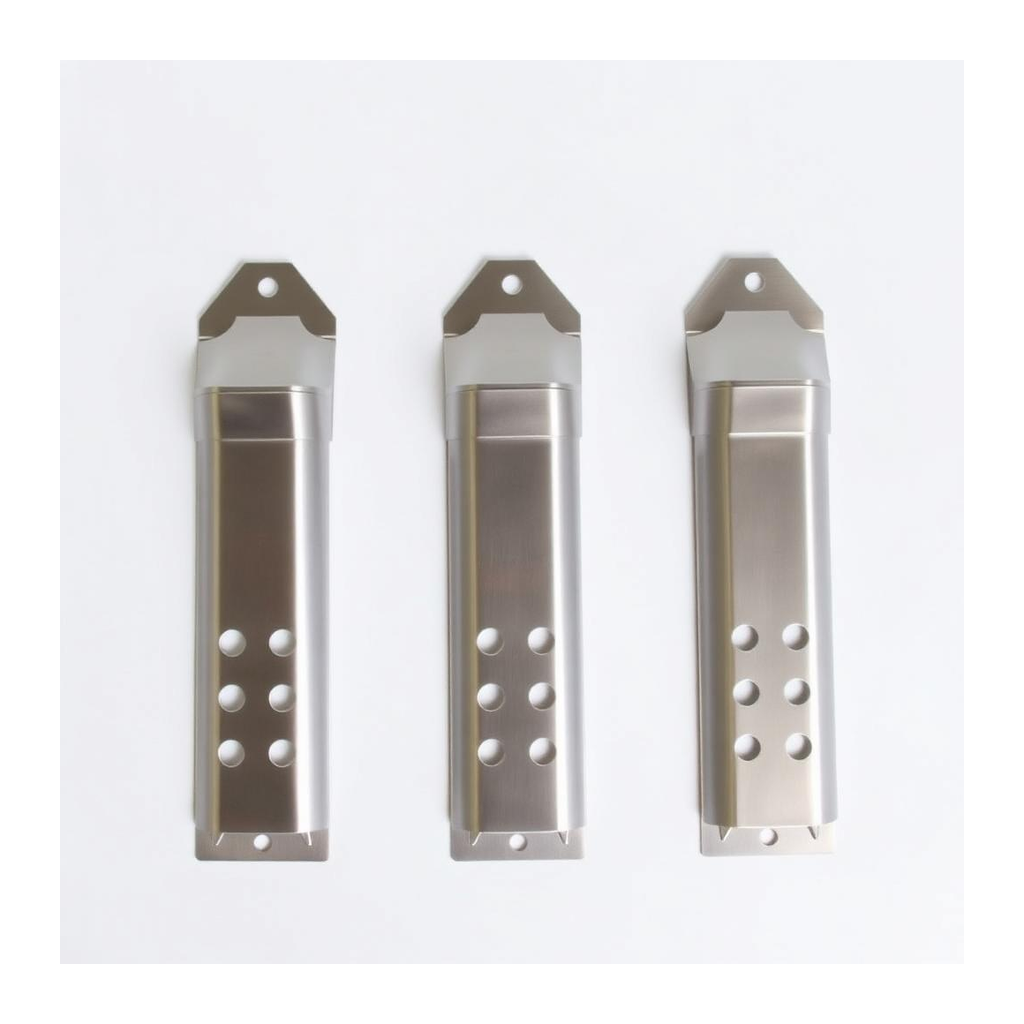
Premium stainless steel grill heat platesBEST VALUE

Premium Stainless Heat Plates

Heavier 1.5mm gauge than budget plates. Vaporizes drippings more efficiently before they ignite. Universal-fit for most Char-Broil, Nexgrill, and Brinkmann grills.

Check current price
Check Price on Amazon
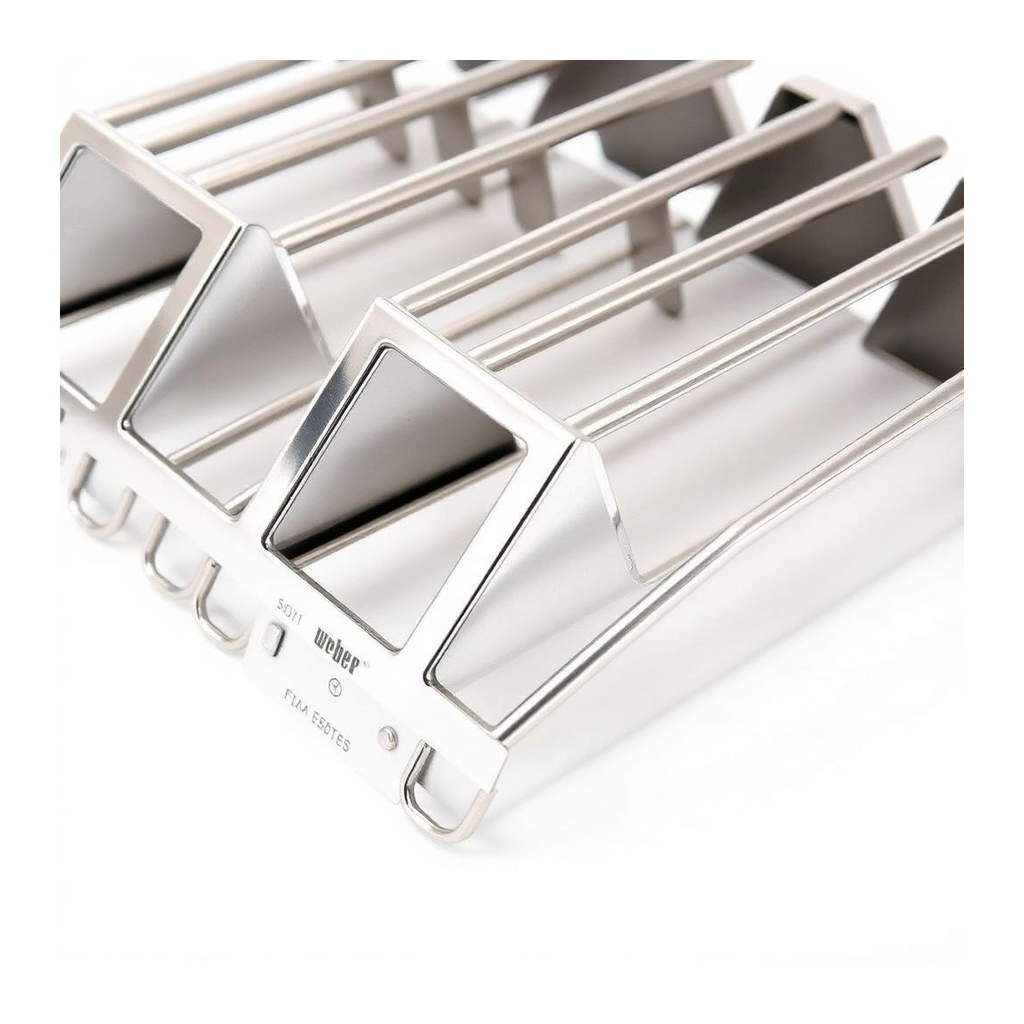
Weber stainless steel flavorizer barsOEM

Weber Stainless Flavorizer Bars

OEM heavier-gauge bars for Weber Spirit, Genesis, and Summit. Last 3-5 seasons longer than aftermarket, and the geometry matches the burner spacing exactly.

Check current price
Check Price on Amazon

Grease management

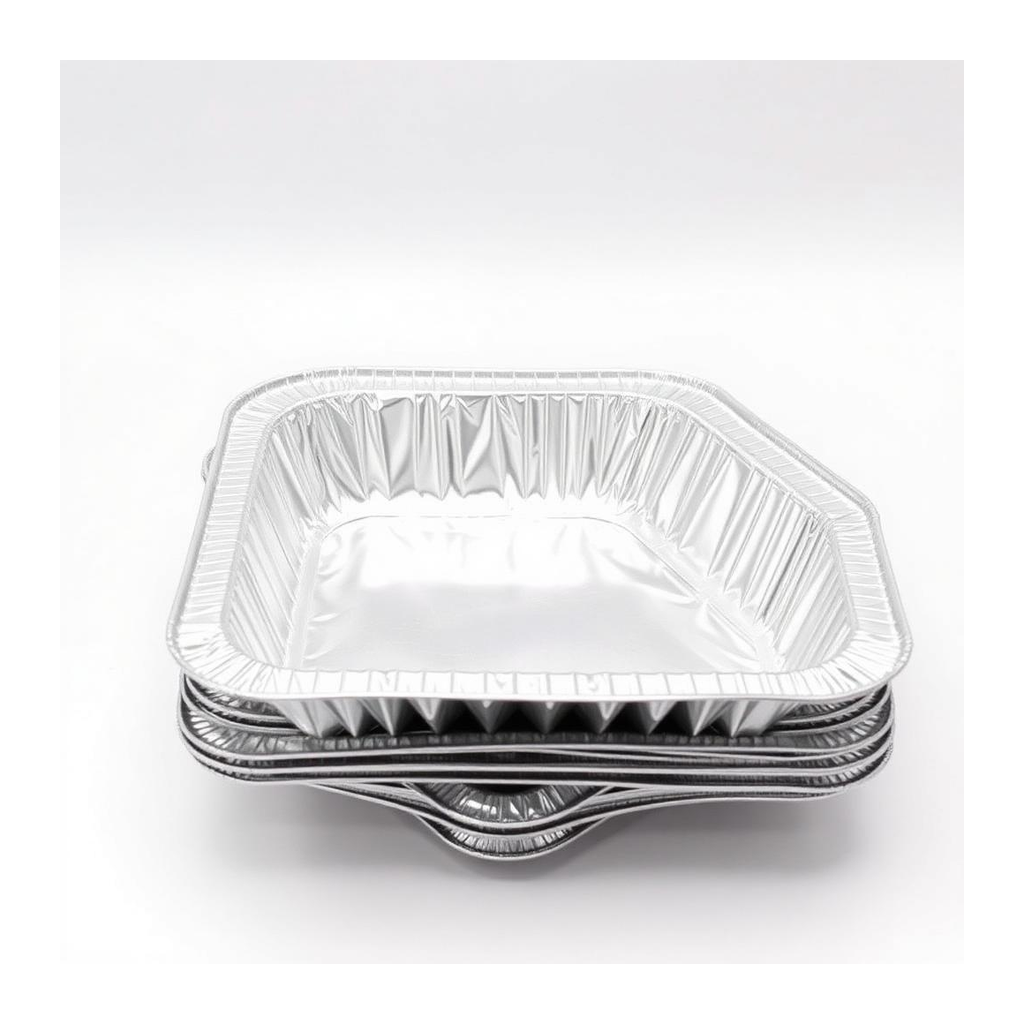
Disposable aluminum foil grease tray liners

Disposable Grease Tray Liners

Aluminum foil liners that snap into the grease tray. Replace after every 3-4 cooks — turns a 10-minute scrape job into a 30-second swap.

Check current price
Check Price on Amazon
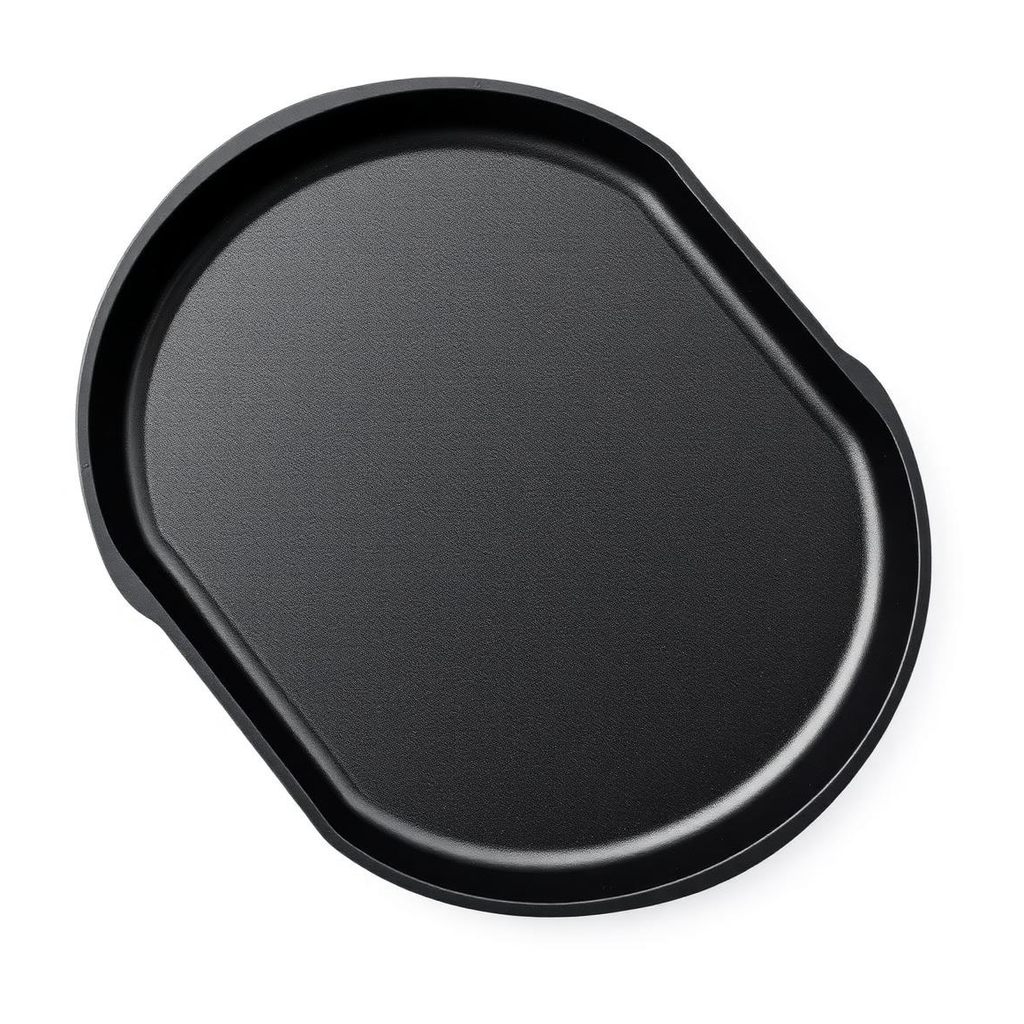
Heavy-duty cast iron grill plate

Heavy-Duty Cast Iron Grill Plate

Cast iron plate that sits between meat and grates for high-fat foods like bacon, fish, and smash burgers. Catches the fat that would otherwise hit your burners.

Check current price
Check Price on Amazon

Myth-busting

What does NOT prevent flare-ups (despite the hype)

  • Lava rocks

    They actually MAKE flare-ups worse by retaining grease and releasing it when heated. Manufacturers stopped using them in the 1990s for this exact reason.

  • Flare-up sprays / "flame-quenching" products

    At best they evaporate before reaching the fire. At worst they pollute your food with detergents and surfactants.

  • Spraying water from a bottle

    Vaporizes instantly and can spread grease fires. Closing-the-lid suffocation works better and is free.

  • Buying a "no-flare-up grill"

    No grill design completely eliminates flare-ups when you cook fatty foods over high heat. Marketing claim, not engineering reality. Focus on technique and maintenance instead.

Brand-Specific

Brand quirks — by manufacturer

Weber Spirit, Genesis, Summit

Flavorizer bars are the #1 wear part driving flare-ups. Replace every 3-5 seasons. Stainless bars outlast porcelain by 2-3 years. See Weber flavorizer bars.

Char-Broil

TRU-Infrared models have fewer flare-ups by design (the IR plate vaporizes drippings before they hit burners). Standard Char-Broil models behave like any other gas grill.

Napoleon

Heavier-gauge heat plates than competitors; flare-ups primarily come from technique, not the grill. Their JetFire ignition makes flare-ups more dramatic when they happen.

Pit Boss / Traeger / Pellet grills

Flare-ups are RARE on pellet grills because they don't run high enough temps for grease to flash-ignite under normal use. Only happens at 450°F+ on high-sugar marinades.

Charcoal grills (Weber Kettle, etc.)

Flare-ups come from charcoal ash falling into grease at the bottom. Clean the ash catcher after every cook, use the two-zone setup with charcoal piled on one side only.

Blaze / Premium gas grills

Heavy stainless construction reduces grease retention, but high-BTU burners produce more dramatic flare-ups when they do occur. Same fixes apply — bars, grease tray, technique.

Safety

Are grill flare-ups dangerous?

Small, controlled flare-ups (under 6 inches, lasting under 30 seconds) are normal and actually add flavor — they're how the "grilled" taste develops. These aren't dangerous.

Sustained flare-ups (over 30 seconds, flames over a foot high) are uncontrolled grease fires. They can damage gaskets, melt knobs, blacken interior surfaces, and in rare cases ignite the grill cabinet. Close the lid, turn off the gas, walk away.

The real danger isn't the flare-up itself — it's spraying water on it (vaporizes and spreads fire), leaving the lid open (feeds oxygen), or panicking and pulling food off mid-flame (knocks burning grease onto skin or deck).

Prevention · 5-Minute Routine

The pre-cook routine that prevents 90% of flare-ups

  • Check grease tray BEFORE every cook — empty if more than half an inch of buildup.
  • Brush flavorizer bars or heat plates while still warm from the previous cook.
  • Trim visible fat clusters before placing meat on grates.
  • Preheat grill on HIGH with lid closed for 10 minutes — burns off residue.
  • Set up two-zone heat before cooking fatty foods.
  • Have tongs and a spray bottle of water (for grates only, never flames) ready.
  • Replace flavorizer bars or heat plates every 3-5 seasons before they perforate.

FAQ

Frequently asked questions

Why does my gas grill flare up?

Gas grill flare-ups happen when grease, fat, or marinade drips onto hot burners or flame deflectors faster than the heat can vaporize them. The 7 most common causes are excess grease in the grease tray, dirty flavorizer bars or heat plates, fatty meats like burgers and chicken thighs, sugary marinades, gas pressure set too high, missing flavorizer bars, and uncleaned burner tubes.

What causes grill flare-ups?

Three categories cause flare-ups: maintenance (greasy bars, full grease tray, dirty burners), food (high-fat cuts, sugary sauces), and equipment (missing or warped heat plates, over-pressure regulators). Maintenance issues account for roughly 60% of flare-up complaints. The good news: every cause is fixable in under 30 minutes for free or under $40.

How do I stop a grill flare-up?

Close the lid immediately. Closing the lid removes oxygen and most flare-ups suffocate within 30 seconds. Then move food to an indirect (cooler) zone if you have one, turn off the affected burner, and wait 60 seconds before reopening. Never spray water on a grill flare-up — water on hot grease vaporizes and can spread the fire.

Are grill flare-ups dangerous?

Small flare-ups (under 6 inches, lasting under 30 seconds) are normal and add searing flavor — these aren't dangerous. Sustained flare-ups (over 30 seconds, flames over a foot high) are uncontrolled grease fires that can damage gaskets, melt knobs, blacken interior surfaces, and in rare cases ignite the grill cabinet. Close the lid, turn off the gas, and walk away.

How do I prevent flare-ups when grilling burgers?

Use the two-zone method (HIGH on one side, MEDIUM-LOW on the other), dimple the center of each patty with your thumb to prevent fat-pooling, flip once per side instead of repeatedly, and use 80/20 ground beef as your fattiest ratio. Move patties to the cool side immediately if flames erupt. Salt only after the surface has begun to sear.

How do I prevent flare-ups when grilling chicken?

Trim visible fat clusters and excess skin before grilling, cook 75% of the time over indirect heat, then finish skin-side over direct flames for the last 5 minutes only. This renders most of the fat slowly before exposing the chicken to high heat. For boneless thighs (the worst offender for flare-ups), drop the grill temp to 350-400°F.

How do I grill bacon without flare-ups?

Never grill bacon directly over open flames — it's the worst flare-up offender. Use a foil pouch (poke a few holes for smoke) or a cast iron griddle plate placed over the grates. Keep the grill at 350°F max and let the bacon cook in its rendered fat instead of dripping onto the burners. Drain the rendered fat into a heat-safe container, never down a sink.

Should I spray water on a grill flare-up?

No. Water on hot grease vaporizes instantly and can spread a grease fire instead of stopping it. Spray bottles are useful for misting cooking grates between cooks, never for active flames. Closing the lid removes oxygen and works better than any liquid. Keep a Class B fire extinguisher within reach if you cook fatty foods regularly.

Why does my grill flare up before I put food on it?

Flare-ups before food touches the grates are a classic grease tray symptom. Old drippings have accumulated, hardened, and ignite the moment heat reaches them. If you smell burnt grease during preheat, slide out the grease tray and check it — anything more than half an inch of buildup is a flare-up factory.

Does closing the lid stop grill flare-ups?

Yes. Fire needs three things — fuel, heat, and oxygen — and closing the lid removes most of the available oxygen within 10-20 seconds. Most flare-ups suffocate inside 30 seconds with the lid down. This is the single most effective emergency response and works on every gas, charcoal, and pellet grill.

What grills don't flare up?

No grill design completely eliminates flare-ups when you cook fatty foods over high heat. Char-Broil TRU-Infrared models have fewer flare-ups by design (the IR plate vaporizes drippings before they hit burners), and pellet grills like Traeger and Pit Boss rarely flare up because they run at lower temps. Marketing claims of 'no-flare-up gas grills' overpromise — focus on technique and maintenance instead.

Do infrared grills flare up?

Char-Broil TRU-Infrared and similar designs reduce flare-ups significantly because the ceramic IR plate sits between food and burners, vaporizing drippings before they reach an open flame. Flare-ups still happen with very fatty foods or sugary sauces, but at maybe a quarter of the rate of conventional gas grills. They're not flare-up-proof — just flare-up-resistant.

Do pellet grills flare up?

Pellet grills like Traeger, Pit Boss, and Camp Chef rarely flare up under normal use because they run at 180-450°F where grease doesn't flash-ignite. Flare-ups can happen at 450°F+ with fatty meats or high-sugar marinades, especially on grills with direct-flame searing modes. Clean the drip tray and grease bucket regularly to prevent the rare grease fire.

Do charcoal grills flare up more than gas?

Charcoal grills flare up differently — the cause is usually charcoal ash falling into accumulated grease in the bottom of the kettle, not direct grease-on-burner contact. Clean the ash catcher after every cook, set up a two-zone fire with charcoal piled on one side only, and you'll see fewer flare-ups than on a comparably-maintained gas grill.

How often should I clean my grease tray?

Check the grease tray before every cook and empty it whenever buildup exceeds half an inch. For most home grillers, that's roughly every 3-4 cooks. Heavy bacon or burger sessions fill it faster. A disposable foil grease tray liner makes cleanup a 30-second swap instead of a 10-minute scrape job.

What is the best grill grate to prevent flare-ups?

GrillGrate-brand aluminum slatted grates are the gold standard — the slats channel drippings to the back of the grill instead of letting them hit burners directly. Heavy 9mm stainless rod grates are a strong runner-up: they retain heat well and let drippings pass through cleanly without pooling. Avoid thin wire grates that warp and create flare-up hot spots.

Why does my grill flare up with hamburgers?

Burgers drip continuously throughout cooking because ground beef is roughly 20% fat by design. Without two-zone heat or thumb-dimpling the patties, that fat pools and drains directly onto burners. Switch to indirect heat for the bulk of the cook, sear briefly at the end, and consider 90/10 ground beef if your grill setup can't handle 80/20.

Can flare-ups ruin my food?

Brief flare-ups under 10 seconds add searing flavor and won't ruin food. Sustained flare-ups deposit soot and acrid compounds on the surface, leaving food bitter and visibly blackened in patches. If a flare-up burns the outside before the inside cooks through, move the food to indirect heat and finish there — you can usually recover the cook.

Does grilling over high heat cause more flare-ups?

Yes — directly. Higher temperatures vaporize grease faster, but they also ignite drippings faster. The two-zone method (HIGH for searing, MEDIUM for finishing) gives you the best of both: a quick high-heat sear followed by gentler heat that doesn't trigger flames. Most flare-up problems trace back to running everything on full HIGH for the entire cook.

How do I stop flare-ups on a Weber grill?

Weber's #1 flare-up source is dirty or worn flavorizer bars. Brush them after every cook while still warm, replace them every 3-5 seasons, and check the grease tray before each session. The Weber Spirit, Genesis, and Summit all share the same flare-up profile — there's nothing brand-specific to fix beyond the universal causes.

Why does my new grill flare up so much?

New grills often flare up during the first 5-10 cooks because of factory protective coatings, residual oils, and an empty grease tray that drippings hit directly. Run a 500°F+ burn-off for 15 minutes before the first cook to clear coatings, install a grease tray liner, and brush grates between cooks. Most new-grill flare-up complaints disappear after the first month.

Can I still use my grill after a big flare-up?

Usually yes. Once flames are out, open the lid, let everything cool, then inspect: check the lid gasket for melting, knobs for warping, gas hoses for heat damage, and the grease tray for residual fire. If gaskets, hoses, or knobs show damage, replace them before next use. A working soap test on every gas connection is a good post-flare-up check.

Stop flare-ups for good

Three product upgrades fix 80% of recurring flare-up problems — heavier flavorizer bars, slatted aluminum grates, and disposable grease tray liners.

stainless grates heat plates cast iron plate