Live Guide · Safety Issue

Spider Webs in Grill Burner Tubes: Why It's Dangerous, How to Fix It

Yellow flames instead of blue. A popping sound when you light the burner. Flame coming out of the control panel where the knobs are. These aren't quirks — they're flashback, and the cause is almost always a spider web blocking the venturi tube. This guide covers what's happening, how to clean it safely, and how to install a $10 screen kit that prevents it from happening again.

9 min read Updated May 2026 Independently researched

When to stop and call a pro

Stop using your grill immediately and call a propane technician if you see ANY of these:

  • — Flames coming out anywhere except the burner tube ports (especially at the control panel or valves)
  • — Persistent gas smell after the grill has been off for 15+ minutes
  • — Visible scorching, melting, or discoloration on control panel components
  • — Flame inside the cabinet (anywhere except the fire pot or burners)

These are signs of active flashback or gas leak — both potentially dangerous. The cleaning procedure below is safe for DIY when symptoms are limited to yellow flames or weak burner output, but escalating symptoms mean it's already past DIY territory.

Quick Answer · 60 seconds

Why do spider webs in burner tubes cause problems?

Spider webs in your grill's venturi tubes block air intake, causing incomplete combustion (yellow flames), reduced heat, popping sounds, and in severe cases flashback — flames escaping from the valve or control panel instead of the burner ports. The fix is straightforward: disconnect gas, remove burner tubes, brush out the venturi with a wire brush, and install a venturi screen kit ($10-15) to prevent re-infestation.

Identify your symptoms

Symptom checklist: is this actually a spider web problem?

Spider webs in venturi tubes produce specific symptoms. Match what you're seeing — if two or more of these match, spider webs are the most likely cause.

Video Guide

Watch: cleaning spider webs from grill burner tubes

A walkthrough of the venturi inspection, brushing, and screen kit installation — on a Weber Spirit E-310.

Video walkthrough coming soon

Background · 60 seconds

What's actually happening inside your grill

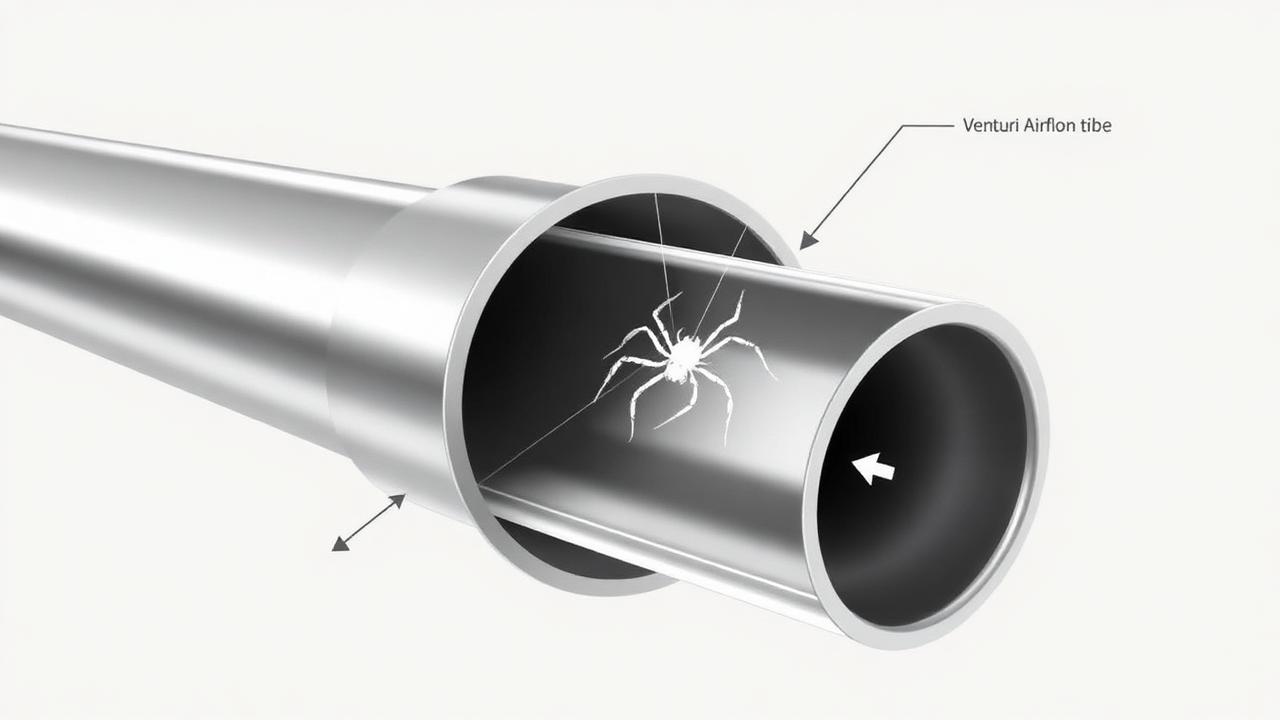
Gas grill burner tubes have an air-intake port at the back (the venturi) where outside air mixes with propane before reaching the burner ports. Spiders — specifically the Western Black Widow and Brown Recluse, though many species do this — build small tube-shaped webs inside this venturi, attracted to the smell of propane mercaptan. The web blocks the air-fuel mixing chamber.

When propane can't mix with enough air, it doesn't combust completely at the burner ports. Excess gas backs up into the venturi tube and finds another exit — usually the air-intake port, the control valve, or the small gap around the control knob. Flame then "flashes back" to wherever the gas escapes, which is why you see fire at the control panel instead of the burner.

There's no toxicity risk. The spiders die and decompose; their webs and bodies are organic matter that gets burned off when you clean the tube. The danger is the flashback, not the spiders themselves. This is also why some marketing for "spider venom Weber grill" is misleading — the issue is the web blocking airflow, not anything venomous.

Cross-section diagram showing spider web blocking a grill venturi tube

Detailed Symptoms

Each symptom, explained

Flame at the control panel

This is flashback. Gas escaping from the venturi tube ignites at whatever exit it finds — usually the small gap around the control knob or valve. The flame is small but in completely the wrong place.

What this confirms: Severe venturi blockage. Stop using the grill until cleaned.

Loud popping when igniting

Pop sounds come from a delayed ignition — gas accumulated for a few seconds, then all caught at once. Spider webs slow the air-fuel mixture, which is why pops happen on a venturi-blocked grill but not a clean one.

What this confirms: Partial venturi blockage. Clean before the next cook.

Gas smell at the burner area

Different from a regulator or tank leak (which smells strongest near the connection). A localized gas smell at the burner means propane is escaping mid-combustion — incomplete burn from blocked airflow.

What this confirms: Venturi blockage causing incomplete combustion.

Yellow flames instead of blue

Blue flame means complete combustion. Yellow flame means incomplete combustion — carbon particles glowing in the flame. On a propane grill, yellow flames almost always mean blocked airflow somewhere, and venturi spider webs are the #1 cause on a grill that ran fine last season.

What this confirms: Probable venturi blockage.

One burner much weaker than others

If only one specific burner is weak while others run at full output, the problem is downstream of the manifold (the burner itself). Spider webs build in individual burner venturis — not all venturis simultaneously.

What this confirms: Spider web in that specific burner's venturi, OR grease/debris in the burner ports themselves (less common, also fixable).

Whistling or hissing from inside the cabinet

Air being pulled through a restricted opening makes a whistle. If you hear this when the grill is running, air is having trouble entering the venturi — restricted by something.

What this confirms: Partial venturi blockage.

Burner takes longer to light

Normal ignition: 1-3 sparks, immediate flame. With a partially blocked venturi: 10+ sparks, delayed flame, or burner lights in one spot and slowly spreads.

What this confirms: Early-stage blockage (small web). Easy DIY fix.

Just brought grill out of storage

Spider webs build during periods of grill inactivity. Spring is peak season for this problem because grills sat unused all winter. A grill that worked perfectly last fall and shows symptoms in spring almost always has venturi webs.

What this confirms: High likelihood of spider webs even before inspection.

The Fix · 20 minutes

How to clean spider webs from grill burner tubes

The procedure takes 15-20 minutes per burner tube, no special tools required beyond a wire brush and possibly a flashlight. Total time for a 3-burner grill: about 45 minutes.

  1. 1

    Turn off the gas at the tank — close the propane tank valve completely and disconnect the regulator.

  2. 2

    Let the grill cool fully — minimum 30 minutes after the last use.

  3. 3

    Remove the cooking grates and flavorizer bars or heat plates to expose the burner tubes.

  4. 4

    Lift the burner tubes out — most slide forward off the gas valve manifold. Note their orientation so you can reinstall correctly.

  5. 5

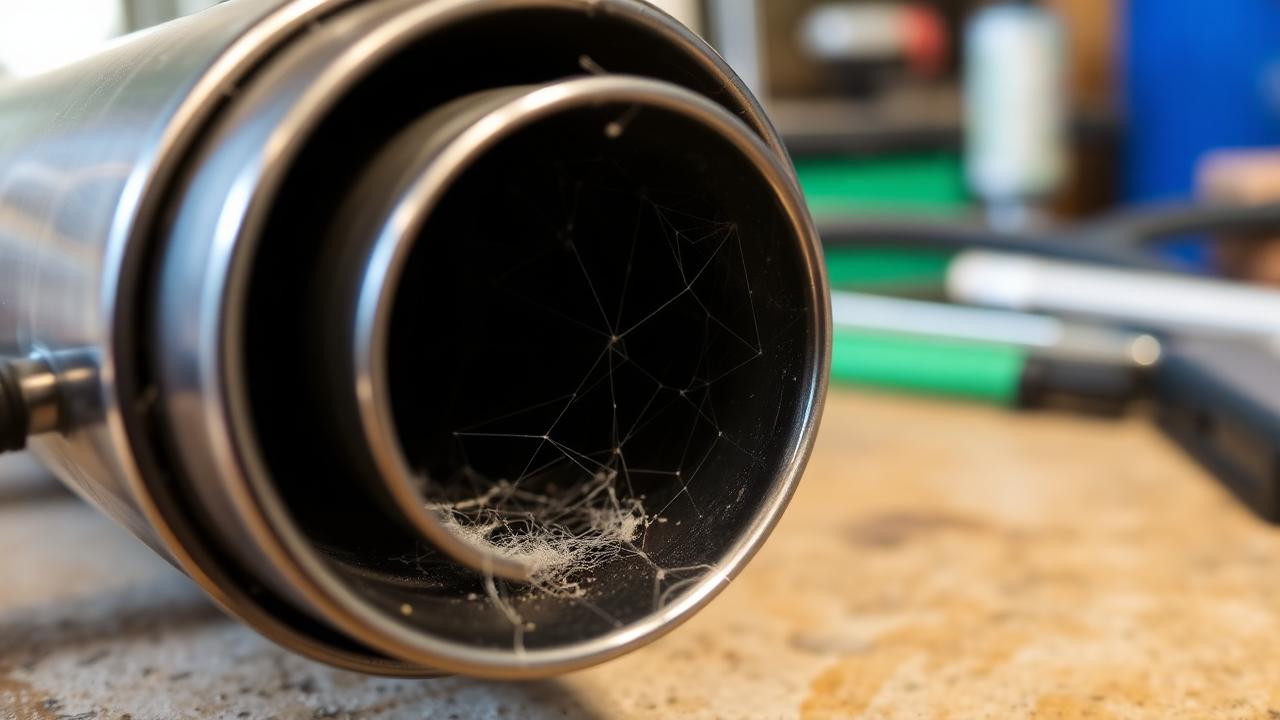
    Inspect the venturi (the wider opening at the rear of each burner tube) with a flashlight. You're looking for white or gray webbing, sometimes with dead spiders or insect debris.

  6. 6

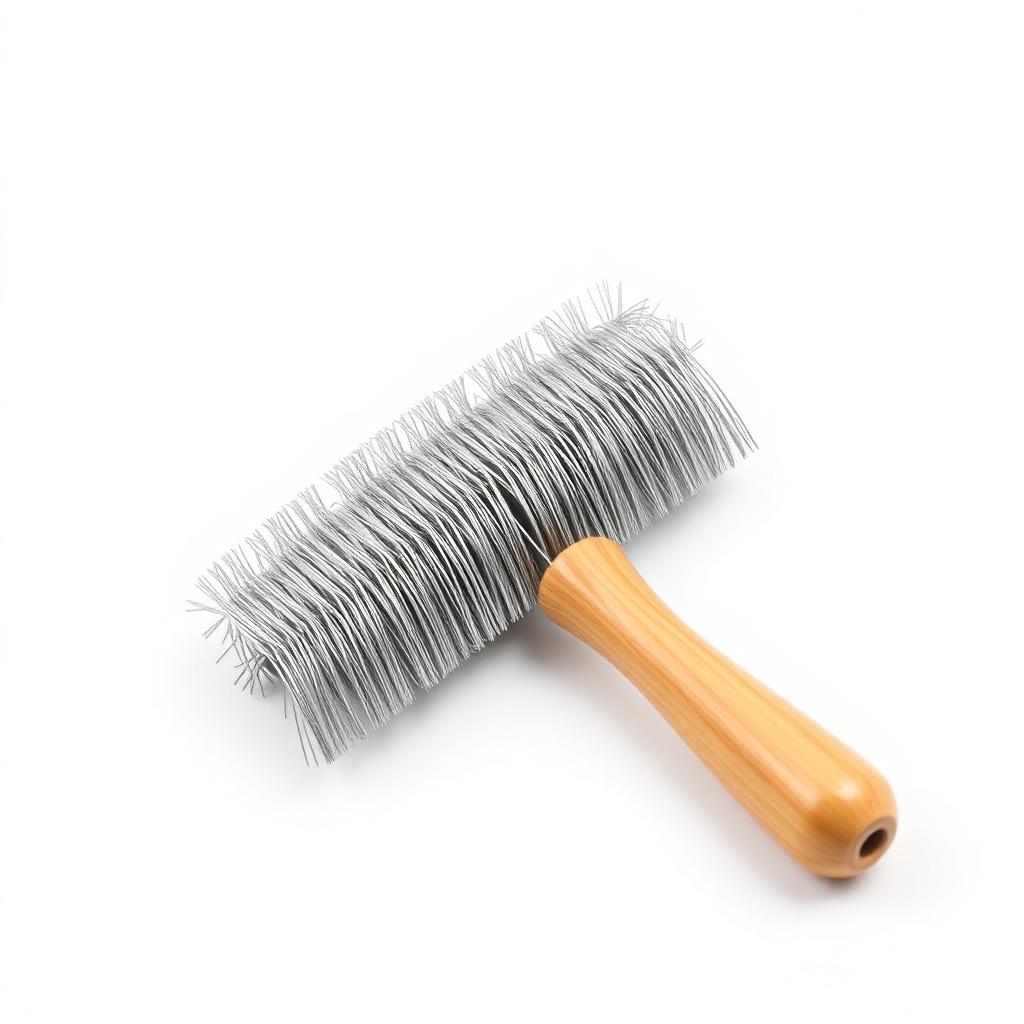
    Clean the venturi with a stiff wire brush — push through the tube from the venturi side. A pipe cleaner or bottle brush works for tight spaces. Remove all visible debris.

  7. 7

    Brush along the burner tube's gas ports (the small holes along the top) to clear any debris that fell through during cleaning.

  8. 8

    Reinstall burner tubes in the correct orientation, replace the flavorizer bars and grates, reconnect propane, and test with one burner on HIGH.

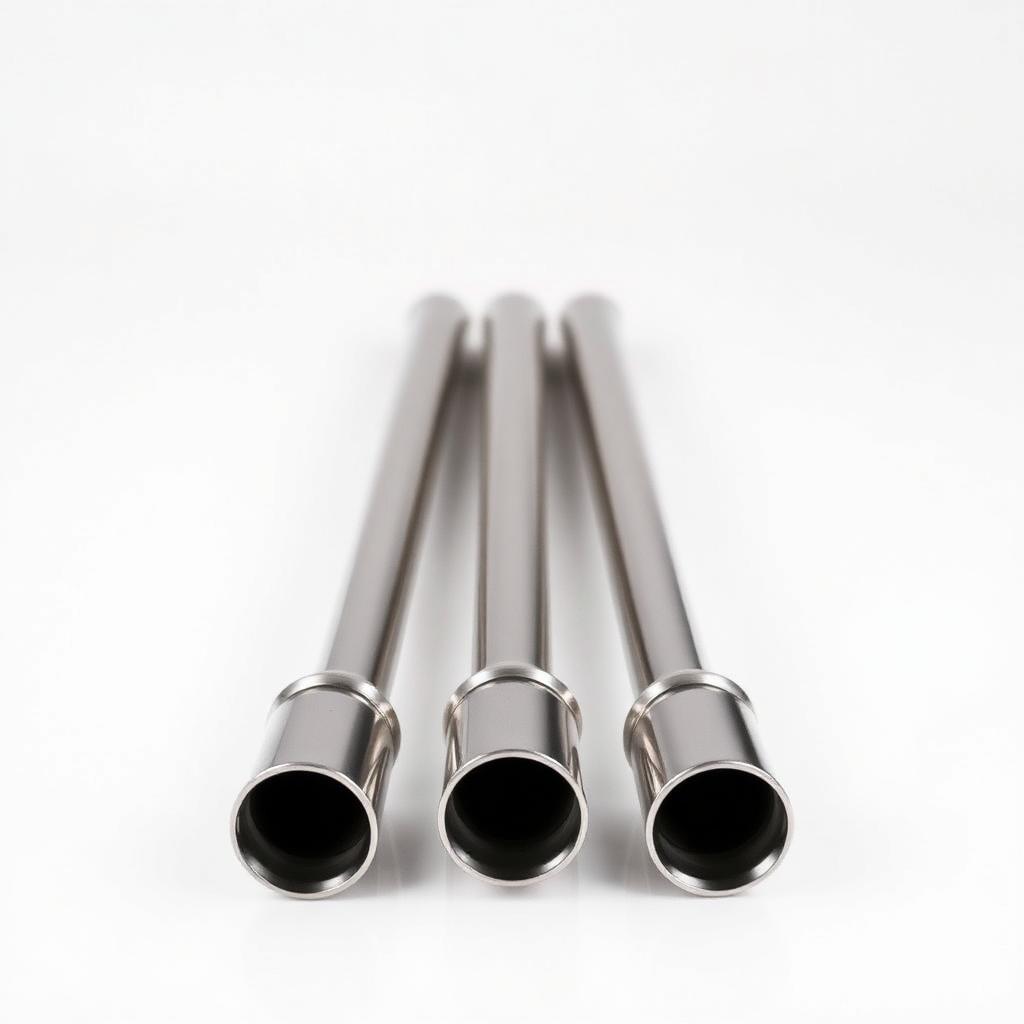
Stainless burner tube with venturi opening visible at one end, showing spider web debris

Prevention

How to stop spider webs from coming back

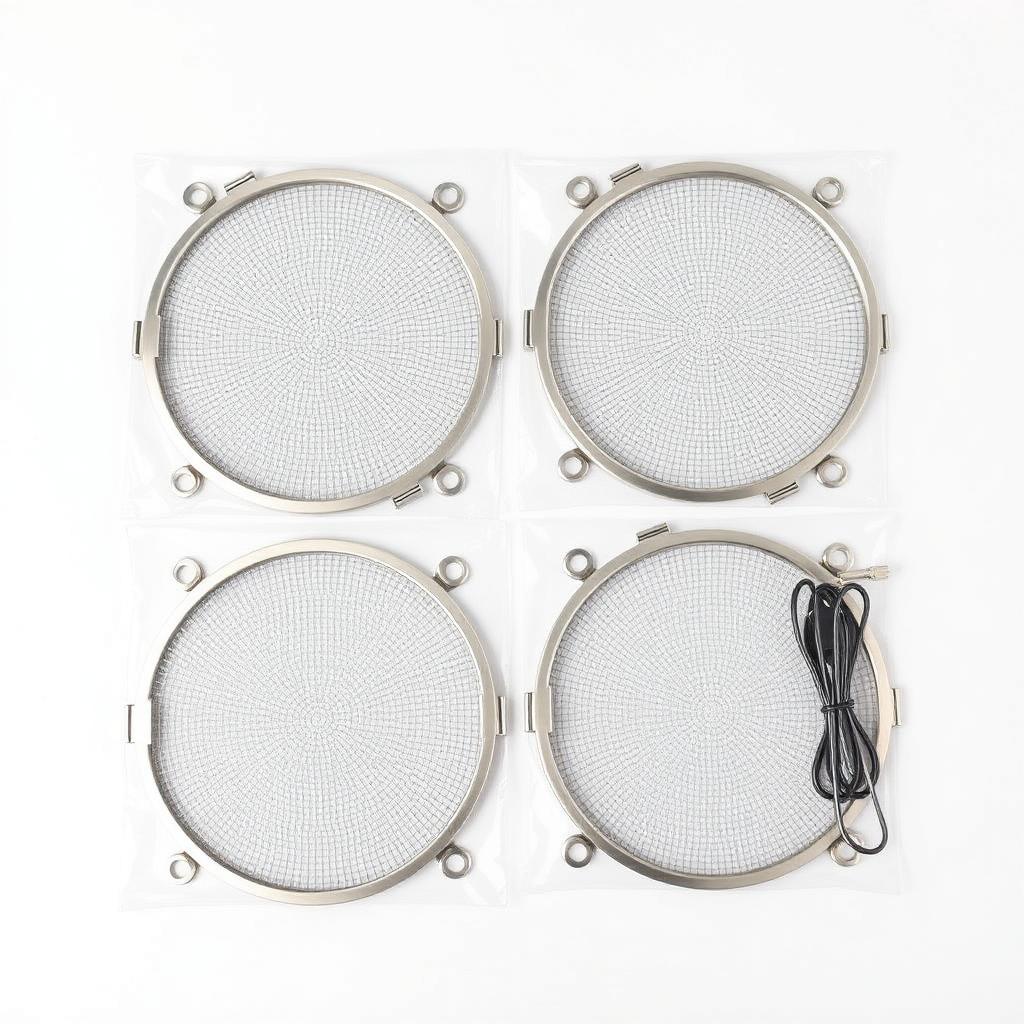
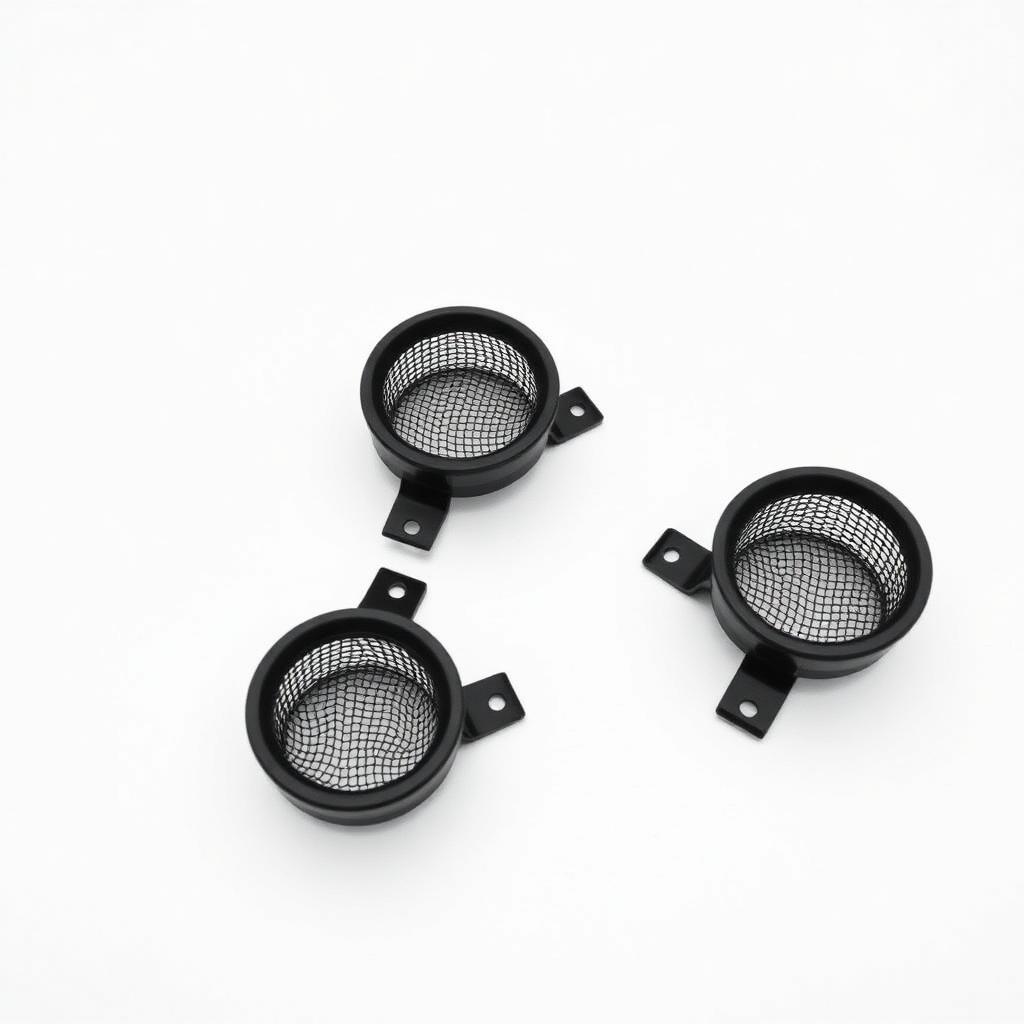
Cleaning once doesn't prevent it from happening again next season. The permanent fix is a venturi insect screen — a small mesh cover that fits over the venturi opening, blocking spiders while allowing air through. Installation is a 5-minute one-time job.

Insect screens are small wire mesh discs sized to fit specific venturi diameters. The mesh acts as a physical barrier — a spider can't get through, but the air the burner needs for combustion still flows freely. Most kits attach via friction fit or a small clip that snaps over the venturi opening, depending on the model.

Universal kits exist for most grills, and brand-specific versions are sold by Weber and Napoleon. Either way, a properly installed screen lasts years if not damaged. Check yours annually when you do the seasonal grill cleaning.

Compatible with: Weber Spirit, Genesis, and Summit; Char-Broil (most models); Napoleon; Nexgrill; Kenmore; Ducane; and most Coleman portable grills.
Venturi insect screen installed on the end of a burner tube

Myth-busting

Bad advice for keeping spiders out

  • Spray bug spray inside the grill

    Insecticides leave residue that ends up on your food. They also don't stop new spiders from building webs the next time the grill cools.

  • Use cedar shavings or essential oils

    Wishful thinking. The smell of propane mercaptan is what attracts spiders; cedar can't compete. Possibly effective for ants, not spiders.

  • Just leave the grill running on LOW between cooks

    Wastes propane and is a fire hazard. Won't deter spiders anyway — they build webs when the grill is OFF and cool.

  • Cover the grill with a tight-fitting cover

    Helps slightly, but spiders fit through the smallest gaps. A cover plus a venturi screen is the real answer, not a cover alone. See our best grill cover guide for picks that pair with venturi screens.

Brand-Specific

Brand quirks

Weber Spirit / Genesis / Summit

Open venturi design at the back of each burner tube. Most prone to spider issues of any major brand. Weber sells branded screen kits, but universal kits also fit. See Weber burner tubes.

Char-Broil (most models)

Slightly more enclosed venturi but still vulnerable. TRU-Infrared models have a different burner system but the gas valves are still vulnerable to flashback from blocked airflow.

Coleman RoadTrip / Portable Grills

Smaller venturi tubes but still affected. Critical to clean before first use each season — these often sit in garages and sheds for months between trips.

Napoleon / Premium gas grills

Heavier construction, screens often factory-installed on Prestige and higher tiers. Verify before adding aftermarket — you don't want to double up.

Ducane / Older Weber-owned brands

Identical venturi design to Weber (Ducane is now Weber-owned). Universal Weber screens fit. Same cleaning procedure applies.

Weber Spirit / Genesis parts

For badly corroded tubes that no longer hold a clean flame after cleaning, see Weber Spirit parts or Weber Genesis parts.

What to buy

The 3 things you actually need

A venturi screen kit prevents the problem from coming back. A small wire brush handles the one-time cleaning. Replacement burner tubes are the answer if yours are past saving after years of yellow-flame operation.

Universal venturi insect screen kitTOP PICK

Venturi Insect Screen Kit (Universal)

Mesh disc kit that fits Weber, Char-Broil, Napoleon, Nexgrill, and most major brands. The single most effective prevention method. $10-15 for a 4-pack.

Check current price
Check Price on Amazon
Weber OEM venturi spider screensOEM

Weber Branded Spider Screens

Official Weber screens for Spirit, Genesis, and Summit. Direct fit, no measuring. Slightly pricier than universal but easier install.

Check current price
Check Price on Amazon
Stiff wire brush for burner tube cleaningBEST VALUE

Stiff Wire Brush (for cleaning)

A small wire brush sized for burner tube cleaning. Stainless bristles, doesn't shed onto grates.

Check current price
Check Price on Amazon
Replacement stainless steel burner tubesAFTERMARKET

Replacement Stainless Burner Tubes

If yours are too corroded after years of yellow-flame operation, fresh burner tubes solve everything at once.

Check current price
Check Price on Amazon

FAQ

Frequently asked questions

Why do spiders build webs in gas grill burner tubes?

Spiders are attracted to the smell of mercaptan, the additive that gives propane its rotten-egg odor. The venturi tube — the wider air-intake opening at the back of each burner — is sheltered, dark, and smells faintly of propane even when the grill is off. That combination is irresistible to several spider species, including Western Black Widows and Brown Recluses.

Are spider webs in a grill dangerous?

The webs themselves aren't toxic, but the airflow blockage they cause is genuinely dangerous. Blocked venturis lead to incomplete combustion, then to flashback — flames escaping from the valve or control panel instead of the burner ports. Flashback can melt knobs, scorch the cabinet, and in rare cases ignite nearby surfaces. Treat any flame outside the burner tube ports as a stop-and-fix problem.

How do I know if I have spider webs in my grill?

Match what you see against the symptoms list: yellow flames instead of blue, popping when igniting, weak heat on one specific burner, whistling from inside the cabinet, or — most diagnostic of all — flame visible anywhere except the burner tube ports. Two or more of these symptoms point to venturi blockage almost every time.

What does flashback in a gas grill look like?

Flashback is small flames burning in the wrong place. Most commonly you'll see a tongue of flame coming out of the gap around a control knob, at the gas valve itself, or from the air-intake opening at the back of the burner tube. The flame is usually small (a few inches) but persistent — it doesn't go out when you turn the knob to LOW, only when you cut the gas at the tank.

Can spider webs cause a grill to explode?

Outright explosion is extremely rare on a grill in the open air with the lid open. The realistic worst-case is sustained flashback that melts plastic knobs, damages the gas valves, scorches the control panel, and in rare instances catches the cabinet on fire. The risk goes up if you have a propane leak elsewhere or if you keep grilling with active flashback for a long session.

How do I clean spider webs from my grill burner tubes?

Shut off and disconnect the gas, let the grill cool, remove the cooking grates and flavorizer bars or heat plates, lift the burner tubes off the manifold, brush out each venturi with a stiff wire brush or pipe cleaner, brush the burner ports along the top, and reinstall. Total time is about 15-20 minutes per burner — roughly 45 minutes for a 3-burner grill.

Do I need special tools to clean spider webs from a grill?

No. A small stiff wire brush (the kind sold for cleaning gun barrels or grill burners), a flashlight, and optionally a pipe cleaner are all you need. No solvents, no compressed air canisters, no specialty cleaners. The cost of a complete tool kit is under $10.

What is a venturi insect screen?

It's a small piece of fine wire mesh sized to fit over the venturi opening at the back of each burner tube. The mesh blocks spiders from getting in while still allowing the air the burner needs for combustion. Most kits include 3-4 screens (one per burner) and either friction-fit or clip-on attachment. Cost is typically $10-15 for a universal kit.

Do venturi screens really work to keep spiders out?

Yes — when correctly sized and securely fitted, they're the only proven prevention. Spider webs require a spider to physically reach the inside of the venturi, and a properly installed screen blocks that. The Weber-branded screens and most universal kits sized to common venturi diameters (around 1 inch) are reliable for years of use.

Will cedar or essential oils keep spiders away from my grill?

No. The smell of propane mercaptan is what draws spiders to the venturi, and cedar oil, peppermint oil, or other natural repellents can't compete with that. They might deter ants or some other insects but they don't deter spiders from a propane scent source. The screen is the only reliable answer.

How often should I check for spider webs in my grill?

Inspect the venturis every spring before the first cook of the season — that's when most spider webs build up. If you cook year-round, a quick visual check every 2-3 months is enough. With insect screens installed, an annual check is plenty.

Why does this happen more in spring?

Two reasons. First, spiders that found shelter inside cool venturis over winter often die there and leave webs behind. Second, spring is peak nesting season for many spider species, and propane-smelling shelters are prime real estate. A grill that worked perfectly last fall and shows symptoms in spring almost always has venturi webs.

Are venturi screens compatible with all grill brands?

Universal kits fit Weber Spirit/Genesis/Summit, Char-Broil (most models), Napoleon, Nexgrill, Kenmore, Ducane, and most Coleman portable grills. A few premium grills (some Napoleon Prestige, higher-end Blaze) ship with factory screens already installed — verify before ordering. Brand-specific Weber kits are also available for slightly easier install.
Can I use insecticide spray inside a grill?

No. Insecticide residue ends up vaporized onto your food during the next cook — many active ingredients (pyrethroids, organophosphates) are not safe to ingest. It also doesn't prevent re-infestation once the residue dissipates. Physical screens are the only safe long-term answer.

How much does a venturi screen kit cost?

Universal screen kits run $10-15 for a 4-pack. Weber-branded OEM screens cost $15-25 depending on the model. Either way it's a one-time spend — a properly fitted screen lasts years and protects your grill from a recurring expensive problem.

Fix it and prevent it

$15 in venturi screens prevents the problem forever. Add a small wire brush and you have a complete spider-web defense kit.

Weber spider screens replacement burner tubes

Independent recommendations · finalplanning-20 affiliate tag