Traeger Error Codes Explained: Every Code, Cause & Fix
Traeger error codes mean your grill detected a fault — but most are user-fixable in 5 minutes. This guide covers every code (LEr, HEr, Error 1 through Error 40, fan, igniter, auger, and probe disconnects, plus app errors), what each one means, why it triggered, and how to fix it.
Pro 575, Pro 780, Ironwood, Timberline, Woodridge, Silverton — every Traeger grill error code controller is covered. Use the lookup table below to jump straight to your code.
16 min read Updated May 2026 Independently researched
Traeger error codes are diagnostic messages displayed on your controller when the grill detects a fault. The most common is LEr (low temperature), usually caused by empty pellets, wet pellets, a failed hot rod igniter, or a fouled RTD temperature probe. HEr (high temperature) usually means a grease fire or fan failure. Error 1 means failed ignition. Most error codes are user-fixable in 5–15 minutes without replacement parts.
Find your code
Error code lookup table
Every Traeger error code we cover, in one place. Tap the code that matches your controller display to jump straight to its full diagnosis and fix.
A walkthrough of the most common Traeger error codes — LEr, HEr, Error 1, and fan/igniter disconnects — fixed live on a Traeger Pro 780.
Video walkthrough coming soon
All Error Codes
Every Traeger error code, explained
Each section below follows the same structure: what the code means, what causes it ranked by likelihood, the exact procedure to fix it, and which part to replace if cleaning and resetting do not resolve the issue.
LEr — Low Temperature Error
What it means: The LEr error appears when your Traeger drops below 125°F during a cook for too long. The controller assumes something has interrupted the heat: pellets, ignition, or the temperature probe lying about what's happening. LEr is the single most-reported Traeger error code — and the most fixable.
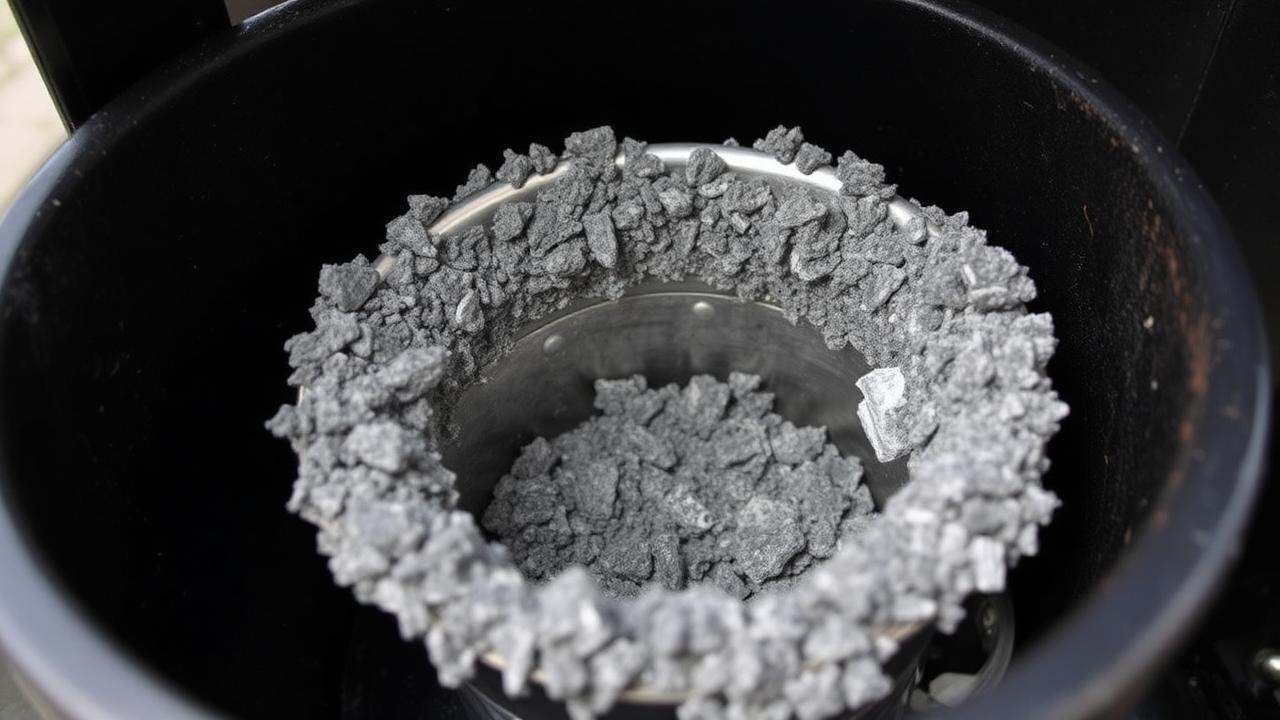
Ash buildup in Traeger fire pot causing LEr error
Most common causes
Empty hopper or low pellets — the most common cause, accounting for roughly 40% of LEr trips.
Wet, dusty, or old pellets blocking the auger and starving the fire.
Fouled RTD temperature probe reading falsely low because of grease coating.
Hot rod igniter has weakened with age and won't re-light if the flame goes out.
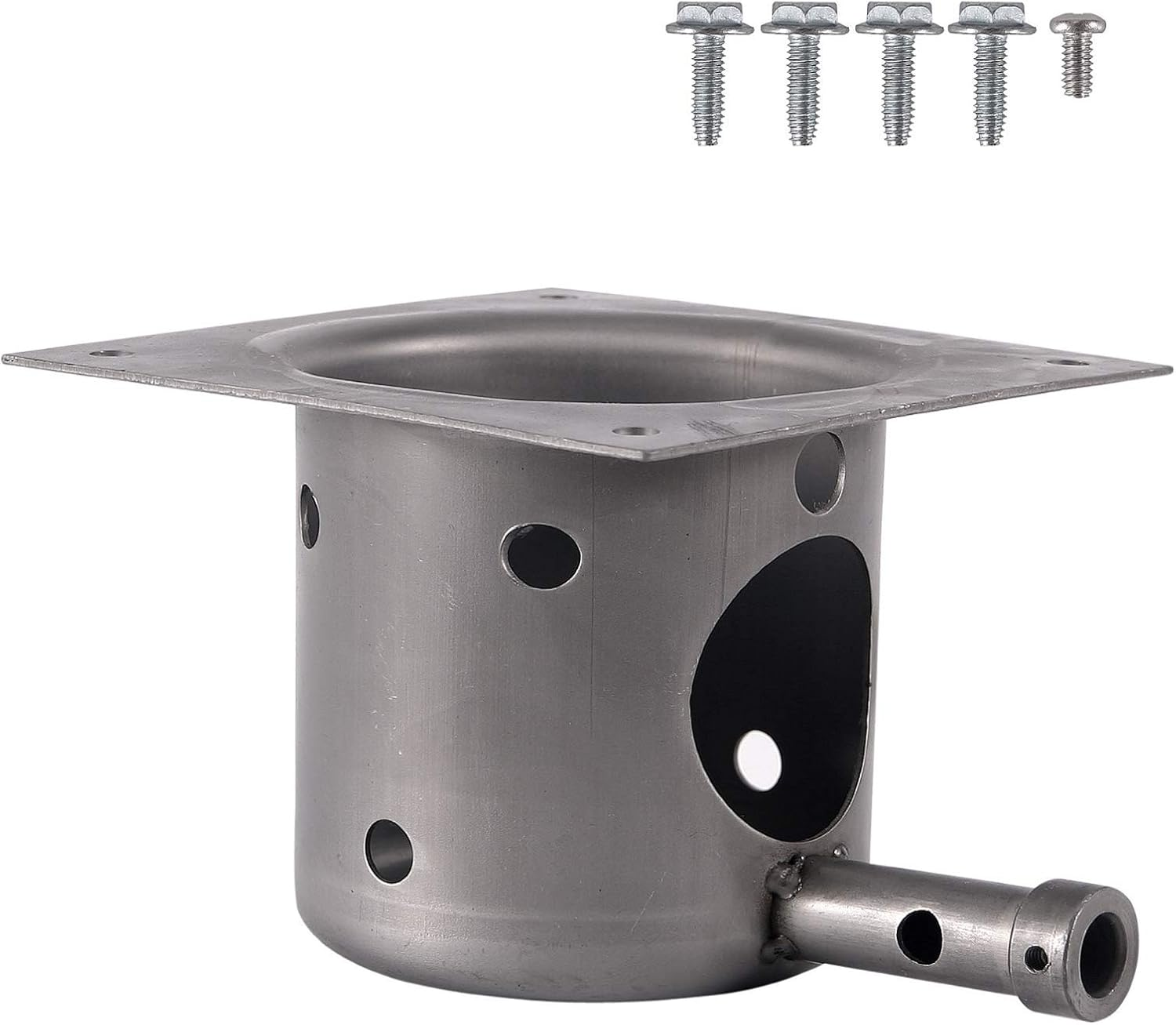
Fire pot ash buildup smothering the flame from below.
Cold-weather operation under 35°F ambient — heat loss exceeds the burn pot's output.
Lid left open too long, dropping cookbox temperature past the recovery window.
Power interruption during the cook that briefly shut down the auger and fan.
How to fix it
1
Power-cycle the grill — turn the controller off, unplug from the wall for a full 60 seconds, then plug back in. This clears any soft fault state on the controller before you go physical.
2
Open the hopper lid and check pellet level. Top off if pellets are below the auger inlet — the auger needs a column of pellets pressing down on it to feed reliably.
3
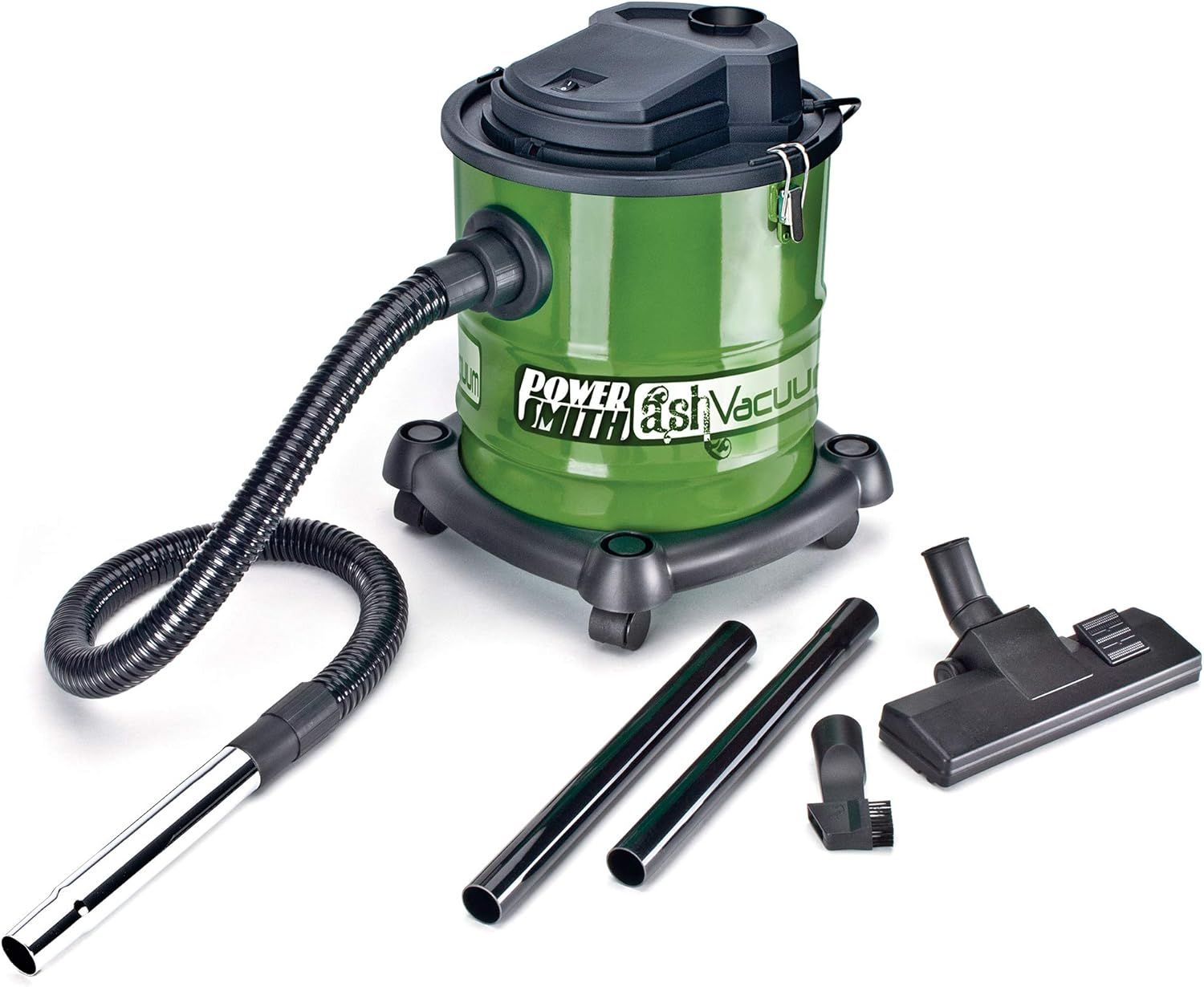
Vacuum the fire pot completely with a heat-tolerant shop-vac. Even a half-full pot smothers the flame from below; aim for bare cast iron at the bottom.
4
Wipe the RTD probe with fine steel wool until the metal sheath is clean and shiny. A grease coating insulates the probe and makes it under-read by 20–40°F.
5
Pull a handful of pellets from the bottom of the hopper. They should feel dry, snap crisply when bent, and have no fine dust at the bottom of the bag. Spongy or crumbly pellets cause LEr.
6
Inspect the hot rod harness connection at the controller and at the fire pot end. A loose connector behaves identically to a failed hot rod.
7
Restart with the lid closed and setpoint at 250°F to test recovery. Closed-lid startup is the only way the controller can build the draft it needs to confirm ignition.
8
Monitor the first 15 minutes. A healthy grill reaches 250°F within 12 minutes; anything slower means the hot rod is weakening even if it eventually catches.
Still happening? If LEr persists after fresh pellets, a clean fire pot, and a clean RTD probe, the hot rod igniter is the next suspect — replace it first (~$30 OEM). If LEr still returns after the hot rod, replace the RTD probe itself.
Why LEr is the most common Traeger error
The Traeger controller doesn't watch absolute temperature alone — it watches the rate of change. If your cookbox loses more than roughly 5°F per minute against the setpoint for several minutes in a row, the controller decides something is interrupting the burn and throws LEr. That sensitivity is why winter cooks, brief lid opens during a long smoke, and even a temporary slowdown in pellet feed can stack up to trip the code even though nothing is mechanically broken. Damp pellets are particularly vicious here because they don't fail outright — they burn at maybe 70% of normal output, which is fine on a calm 70°F day but not enough to overcome heat loss when ambient drops or you load a 14-pound brisket.
Distinguishing LEr from Error 1
Error 1 is an ignition failure — the grill never lit in the first place, the controller ran the full startup cycle without seeing the temperature climb, and the cook never began. LEr is the opposite: the grill did light, ran normally, and then dropped below 125°F somewhere during the cook. The fixes overlap because the underlying parts are the same (pellets, hot rod, fire pot, RTD), but the timing tells you where to start looking. If the code appears in the first ten minutes, treat it as ignition; if it appears an hour into a long cook, treat it as a flame-out and look at pellet supply and hot rod health first.
HEr — High Temperature Error
What it means: The HEr error appears when grill temperature exceeds 550°F (or your controller's specific upper limit). This is a safety shutdown — usually preventing damage from a grease fire or a stuck-on igniter. HEr is the only Traeger error code you should treat as a possible emergency.
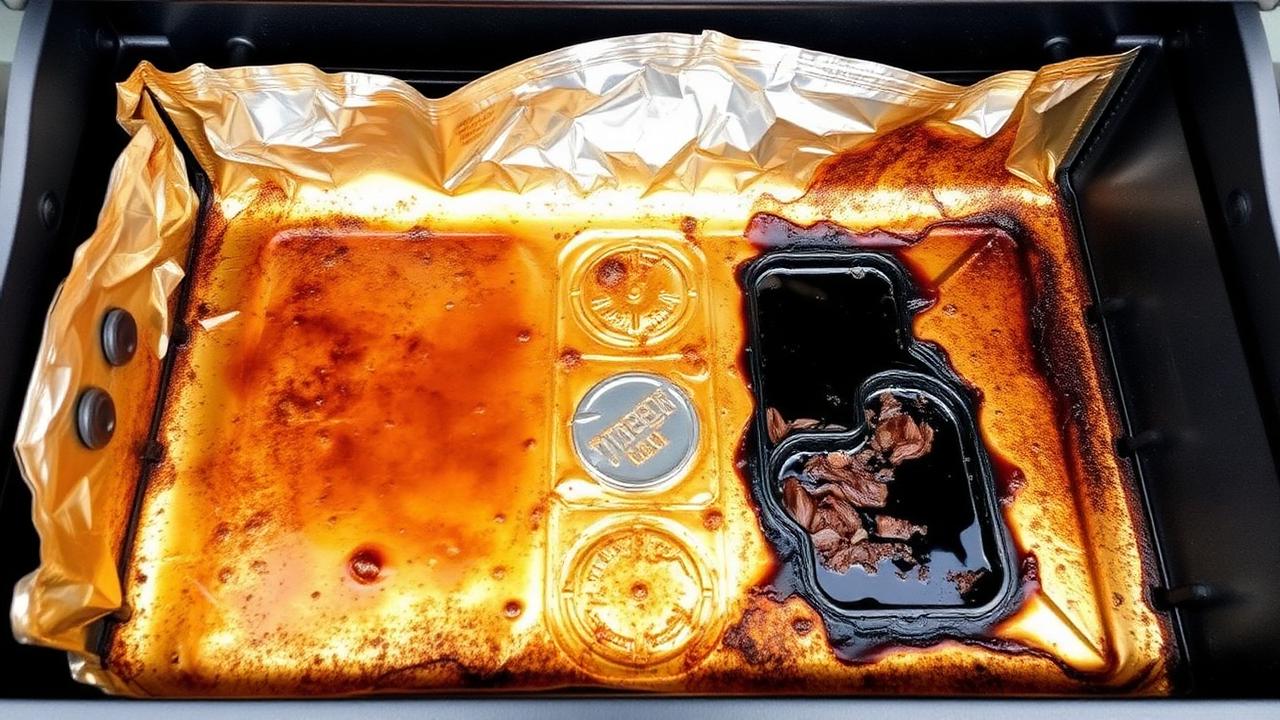
Grease tray fire and HEr error damage
Most common causes
Active grease fire in the drip tray — the most dangerous and common cause, roughly half of HEr cases.
Combustion fan stuck on full power, over-feeding oxygen to the burn pot.
Hot rod igniter stuck on (failed to shut off after ignition completed).
RTD probe reading falsely high because of internal failure or wiring fault.
Auger over-feeding pellets and creating a runaway burn.
How to fix it
1
Turn the grill OFF and unplug it from the wall — do not just turn the controller off. Killing power stops the auger and fan from feeding any active fire.
2
Wait until the entire grill is cool to touch — typically 30–45 minutes. Opening the lid on a hot cookbox after a runaway adds oxygen to whatever's burning.
3
Open the lid only once you've confirmed nothing is venting active flames from the chimney or seams.
4
Pull the grates and the heat deflector out of the cookbox.
5
Remove the drip tray entirely and soak it in a degreaser bath — scraping won't get fully baked-on grease.
6
Shop-vac the fire pot until you see bare cast iron, and clear any fallen ash from the burn-pot well.
7
Inspect the heat deflector for warp damage and the RTD probe wiring for melted insulation. A warped deflector funnels heat directly at the RTD and re-trips HEr on the next cook.
8
Restart on the lowest setpoint with the lid closed and watch the first 20 minutes for repeat behavior.
Still happening? Persistent HEr after a full clean → RTD probe replacement first, then the controller as a last resort.
What "too hot" actually means on a Traeger
The HEr threshold sits around 550°F on most current controllers — well above any normal cooking setpoint and high enough that the controller assumes something has gone wrong rather than the user just searing aggressively. A runaway grill looks distinct from an aggressive sear: flames vent visibly past the chimney cap, the cookbox seams glow faintly, smoke turns from blue-grey to dirty yellow-orange, and grease starts venting from the drip-tray drain. If you see any of those during a cook, kill power immediately — don't wait for HEr to do it for you. The controller is the last line of defense, not the first, and it can take 30–60 seconds to react to a fast grease fire.
Error 1 — Failed to Ignite
What it means: Error 1 means the grill ran its ignition cycle but never detected the temperature rise that indicates a successful light. The hot rod tried, but the pellets didn't catch.
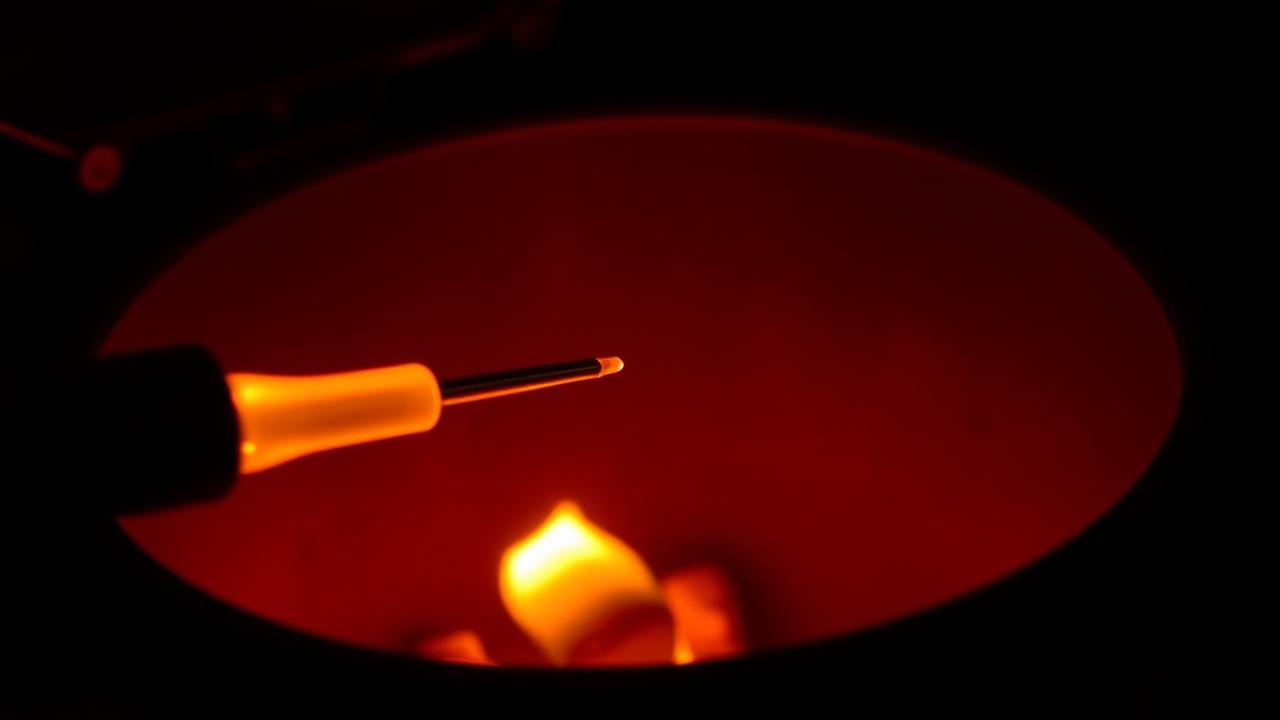
Traeger hot rod glowing inside fire pot
Most common causes
Empty hopper or pellets not feeding to fire pot.
Wet pellets that won't ignite.
Auger jammed — hot rod glowing, no fuel reaching it.
Weak hot rod that gets warm but not hot enough.
Ash-clogged fire pot smothering ignition.
How to fix it
1
Verify hopper pellets are present, dry, and dust-free at the bottom of the hopper where the auger feeds.
2
Manually prime the auger — start a cycle with the grates and heat deflector removed and visually confirm pellets are dropping into the fire pot within the first 90 seconds.
3
Fully clean the fire pot before retrying. A pile of unburned pellets from a prior failed start will smother the next ignition attempt.
4
Inspect the hot rod with the grill cold — it should be a clean grey-black ceramic rod with no cracks. A cracked or coated rod is end-of-life.
5
Restart with the lid closed for proper ignition draft. Open-lid starts on cold pellets are the second most common cause of Error 1 after wet fuel.
Still happening? Hot rod first — cheapest single-cause fix at around $30 OEM. Auger motor at ~$80 if the hot rod doesn't resolve it.
Identifying a weak (not failed) hot rod
Hot rods rarely fail outright. The far more common failure mode is gradual weakening over 12–18 months: the rod still gets warm, even gets visibly orange, but doesn't reach the temperature needed to reliably ignite cold pellets — particularly on the first cook of a cold morning. You'll see Error 1 on cold starts, intermittent LEr after long flame-outs, and longer-than-normal time-to-temp on every cook. If your grill takes more than 12 minutes to reach 250°F or fails to start cleanly below 50°F ambient, the hot rod is weakening even if it hasn't thrown a code yet. Replacing it preemptively for $30 is far cheaper than the brisket you'll write off when it finally fails mid-cook.
The manual ignition trick (temporary workaround)
If the hot rod has died and you can't wait for a replacement, you can light the grill manually as a one-time workaround. Remove the grates and heat deflector, prime the auger until the fire pot has a small mound of pellets, then hold a propane torch (a long-stem grill lighter is not enough) to the pellets through the chimney opening for 30–60 seconds until they're actively burning. Replace the deflector and grates carefully and let the grill run on the auger and fan to maintain the burn. This is a temporary fix only — replace the hot rod before the next cook.
Error 2 — Auger Motor Issue
What it means: Error 2 indicates the controller cannot communicate with or properly drive the auger motor — usually a wiring fault, a jammed auger, or (rarely) a failed motor.
Most common causes
Jammed auger from wet pellets compacted in the tube.
Disconnected wiring harness at the back of the hopper.
Failed auger motor — rare, but possible on grills with 8+ years of use.
How to fix it
Power off and unplug.
Empty the hopper completely.
Remove the auger jam — wet-pellet plugs are the usual culprit. Use a wooden dowel from the fire pot end.
Check wiring connections at the back of the hopper.
Restart with dry pellets.
Still happening? Auger motor only as a last resort after confirming a clean tube and good wiring.
Error 7 — Ignition Timeout
What it means: Same family as Error 1 — the ignition cycle exceeded the controller's time limit without detecting a temperature rise. Functionally identical fix path.
How to fix it
Treat this exactly like Error 1: pellets, auger feed, fire pot cleanliness, then hot rod replacement.
Still happening? Hot rod igniter (~$30 OEM) is the typical cure.
Error 13 — Fire Pot Ash Buildup (Woodridge)
What it means: The newer Woodridge controller detects when the fire pot is choked with ash and stops the cook to prevent grease fires and ignition failures. This code is exclusive to Woodridge-generation controllers.
Most common causes
Cleaning interval skipped. Ash accumulates faster than people expect on Woodridge grills.
How to fix it
Power off and let the grill fully cool.
Shop-vac the fire pot completely — every speck of ash.
Wipe the RTD probe while you have the grates out.
Restart. No replacement parts required.
Error 22 — Controller Communication
What it means: The display panel cannot communicate with the main controller board — usually a loose ribbon cable connection at the rear of the grill or a controller-side fault.
How to fix it
Power off and unplug for 5 minutes.
Open the rear access panel.
Reseat the display ribbon cable connection at the back of the controller.
Power back on.
Still happening? Display ribbon cable is cheap and the right first step. Full controller assembly only if reseating doesn't resolve.
Error 25 — App or Network Communication
What it means: A WiFire-equipped grill cannot reach the Traeger cloud servers. Cooking still works — this is a connectivity error, not a hardware fault.
How to fix it
Restart your router, power-cycle the grill, re-pair via the Traeger app, and check Traeger's server status page if it persists.
Error 27 — Pellet Sensor Error
What it means: Newer Traegers with pellet-level sensors throw Error 27 when the sensor fails to read or reports an impossible value.
How to fix it
Empty the hopper completely.
Wipe the sensor (located inside the hopper, near the auger tube) with a dry cloth.
Recalibrate via the controller settings menu.
Error 28 — Pellet Sensor Calibration
What it means: Pellet sensor calibration failed. Same family as Error 27 but raised specifically when the calibration routine itself fails to complete.
How to fix it
Empty hopper, clean the sensor, run calibration with the hopper empty, then again after refilling.
Error 40 — Igniter Circuit (Woodridge)
What it means: The Woodridge controller detected a fault in the igniter (hot rod) circuit. ER40 is the same code under a different display label. Either the rod failed, the wiring is loose, or — rarely — the controller channel itself has an issue.
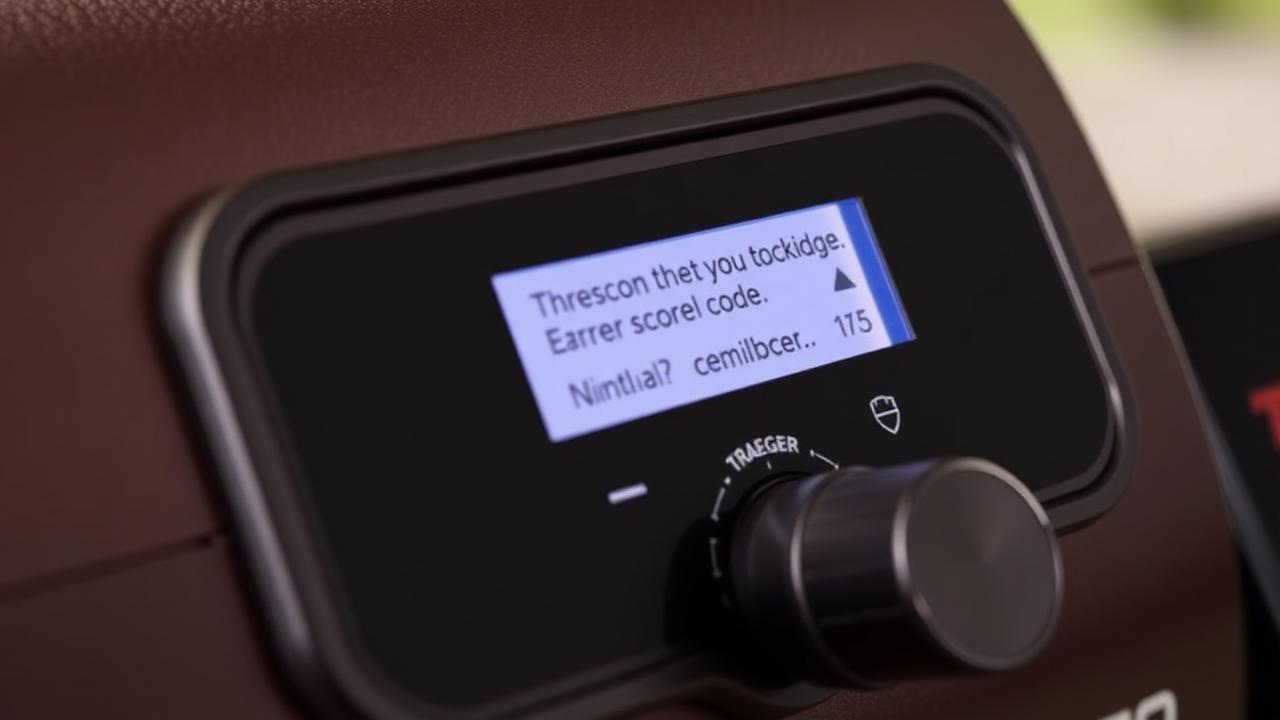
Traeger Woodridge controller showing Error 40
Most common causes
Hot rod end-of-life (most common).
Loose wiring connection at the controller side.
Loose wiring at the fire pot end of the hot rod harness.
Controller channel failure (rare).
How to fix it
1
Power off and unplug the grill at the wall.
2
Open the rear access panel to expose the controller wiring.
3
Check the hot rod wiring connection to the controller. Reseat the connector firmly if there's any play in it.
4
Trace the harness to the fire pot end and reseat the connection there as well — vibration loosens this joint over time.
5
Inspect the hot rod itself for visible cracks or a scorched ceramic body.
6
Restart. If Error 40 persists after both connections are confirmed good, the hot rod is the next replacement.
Still happening? Hot rod igniter is the cure for the vast majority of er40 traeger error code reports.
Why Error 40 is a Woodridge-specific code
Older Traeger controllers (Pro 22, Pro 34, even the early Pro 575) didn't actively monitor the igniter circuit — they ran the hot rod for the prescribed startup window and assumed it worked, then leaned on temperature rise to confirm. The Woodridge controller is the first generation that actively reads current draw through the hot rod and throws Error 40 if the circuit is open or drawing outside spec. The upside is you get warned about a failing hot rod before it actually fails to light. The downside is that loose connections older grills shrugged off now trip a hard fault — that's why reseating both ends of the harness is the first thing to try, not the third.
What to try before replacing the hot rod
Run this diagnostic flow before spending $30 on a replacement: power-cycle for 5 minutes; reseat the controller-side connector; reseat the fire-pot-end connector; visually inspect the hot rod ceramic for cracks; then attempt a cold start. If Error 40 appears immediately on the next start, the rod is open and replacement is needed. If it appears only after the rod has been on for 60+ seconds, the controller is seeing the rod weaken under load — also replace, but the rod still has a few starts left. If the code appears intermittently and only on cold mornings, prioritize the wiring reseat first; thermal contraction at the connectors is the actual culprit roughly a third of the time.
Error 02 — Woodridge Startup Sequence
What it means: The Woodridge controller failed a self-check during startup, usually a sensor reading out of range before ignition begins.
How to fix it
Power off for 5 minutes, restart cold (room-temperature grill, lid closed). If persistent, the RTD probe is the most likely culprit.
Still happening? RTD temperature probe.
Error 0001 — Ironwood Controller Fault
What it means: An Ironwood-specific controller error indicating a sensor or board-level fault. Vague by design — Traeger's own troubleshooting steps are unfortunately broad.
How to fix it
Power-cycle the grill.
Update controller firmware via the Traeger app.
If persistent, contact Traeger support — the Ironwood controller is harder to DIY-fix than older models.
ER1 / ER2 — Older Controllers
What it means: ER1 and ER2 appeared on pre-2020 Traeger controllers (Pro 22, Pro 34, Lil' Tex, Ranger). ER1 usually indicates an RTD probe disconnect; ER2 usually indicates an auger or igniter circuit fault.
How to fix it
Power-cycle, reseat the RTD probe wiring, check auger wiring. On these older grills, controller replacement is often more cost-effective than chasing individual faults.
Still happening? On pre-2020 grills, a full DC-controller upgrade kit is sometimes the smarter move.
Fan Disconnected Error
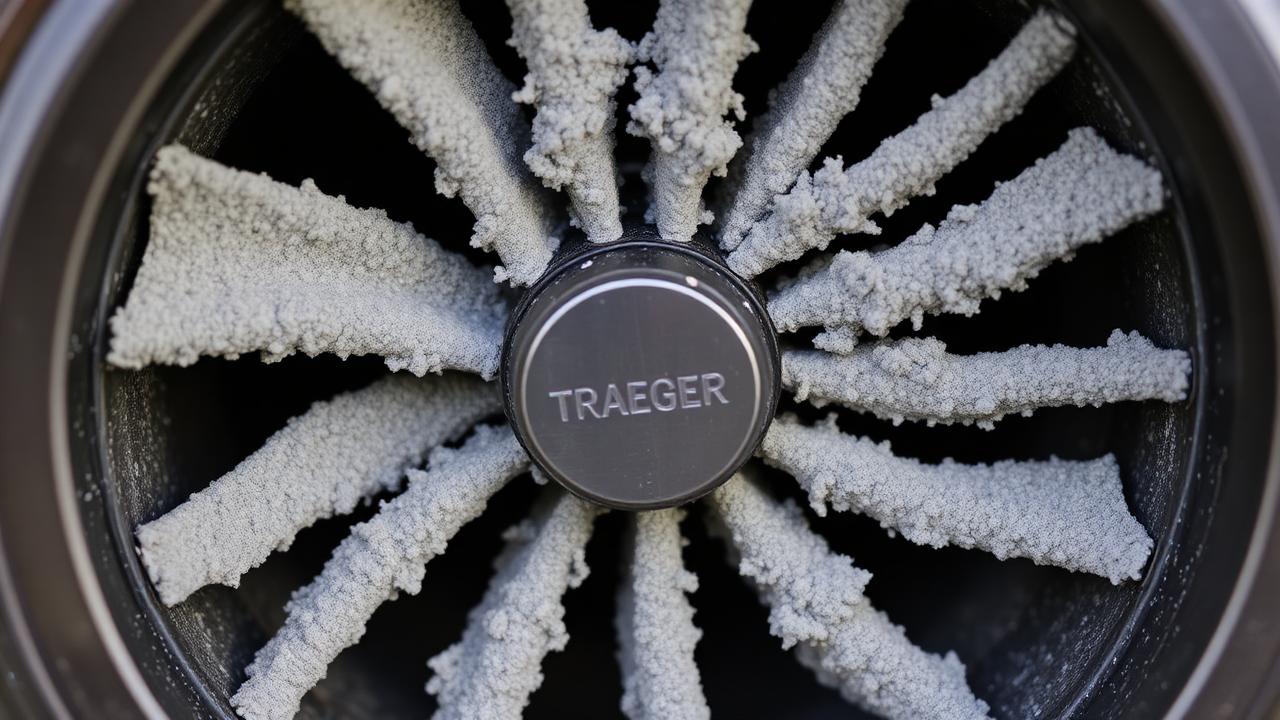
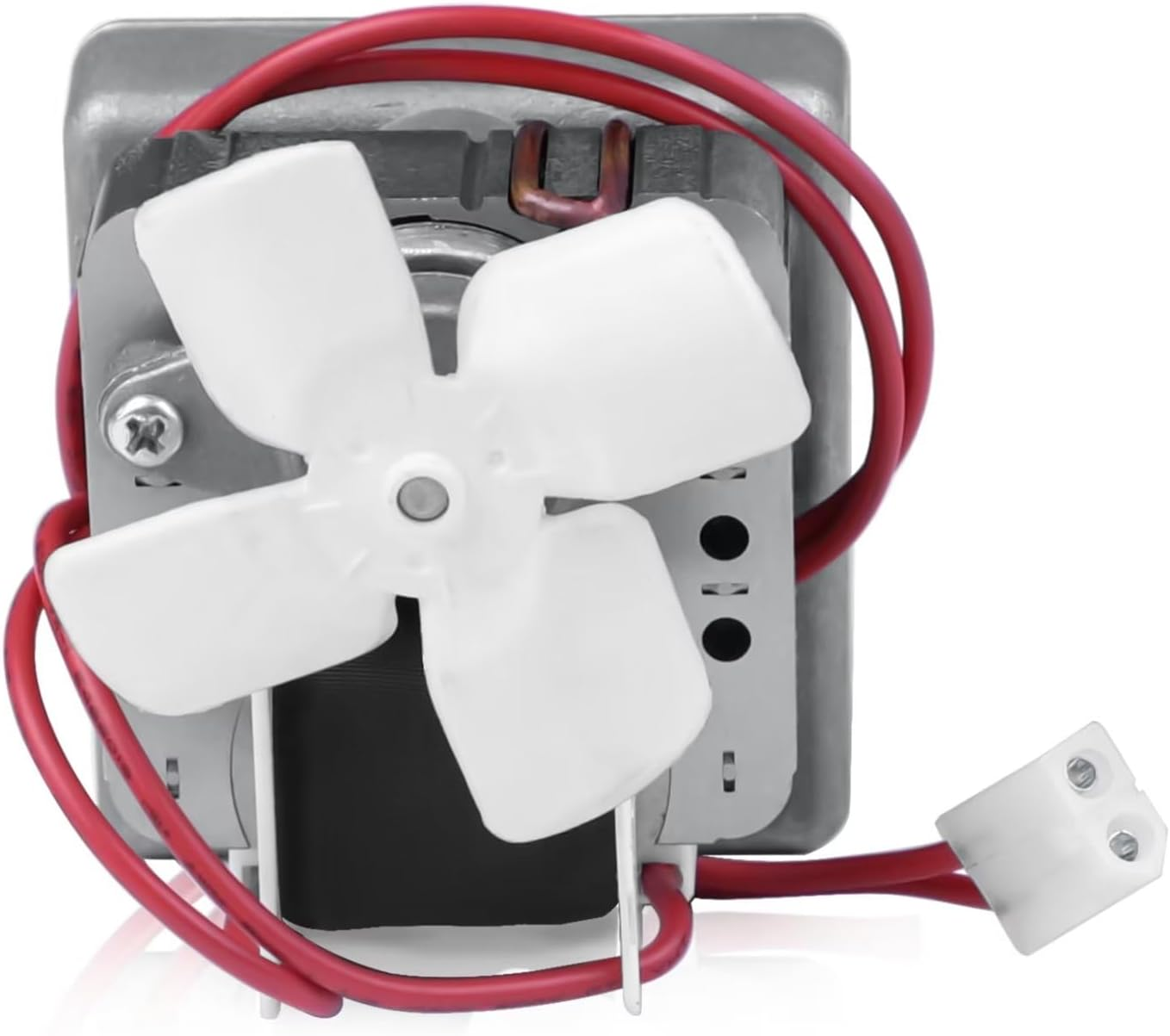
What it means: The controller detects the combustion fan is not running — either the fan failed, the wiring is loose, or debris is jamming the blade. This is the traeger fan disconnected error you'll see on Pro 575, Pro 780, and newer grills.
Traeger combustion fan with ash buildup
How to fix it
Power off and unplug.
Open the rear access panel.
Visually inspect the fan blade for ash buildup. Clean as needed.
Check the wiring connection.
Manually spin the blade by hand — it should turn freely.
Still happening? Combustion fan assembly if the blade won't spin or the motor doesn't draw current after wiring is confirmed good.
Igniter Disconnect Error
What it means: The hot rod igniter circuit is open — the controller isn't seeing current draw through the igniter when it should be drawing power.
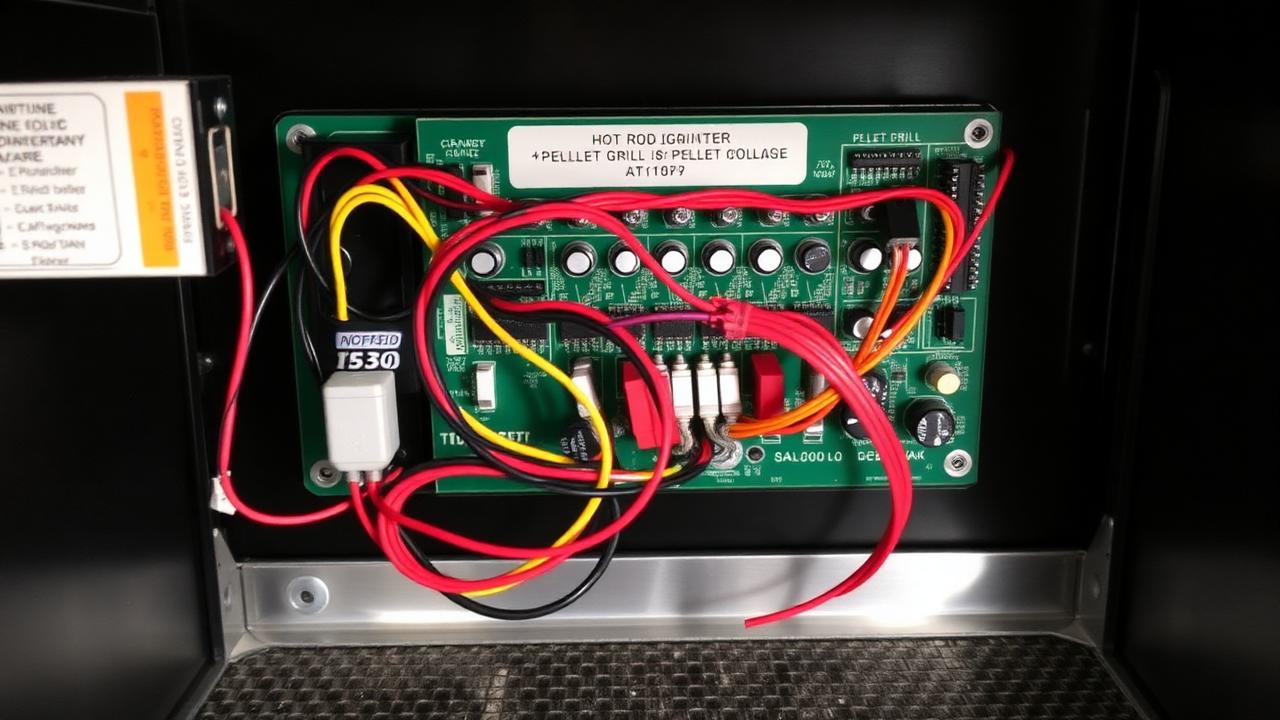
Traeger hot rod igniter wiring connection at controller
How to fix it
Power off, open the rear access panel, check the two igniter wiring connections (one near the controller, one near the fire pot), and reseat both.
Still happening? Hot rod igniter.
Auger Disconnect / Jammed Auger
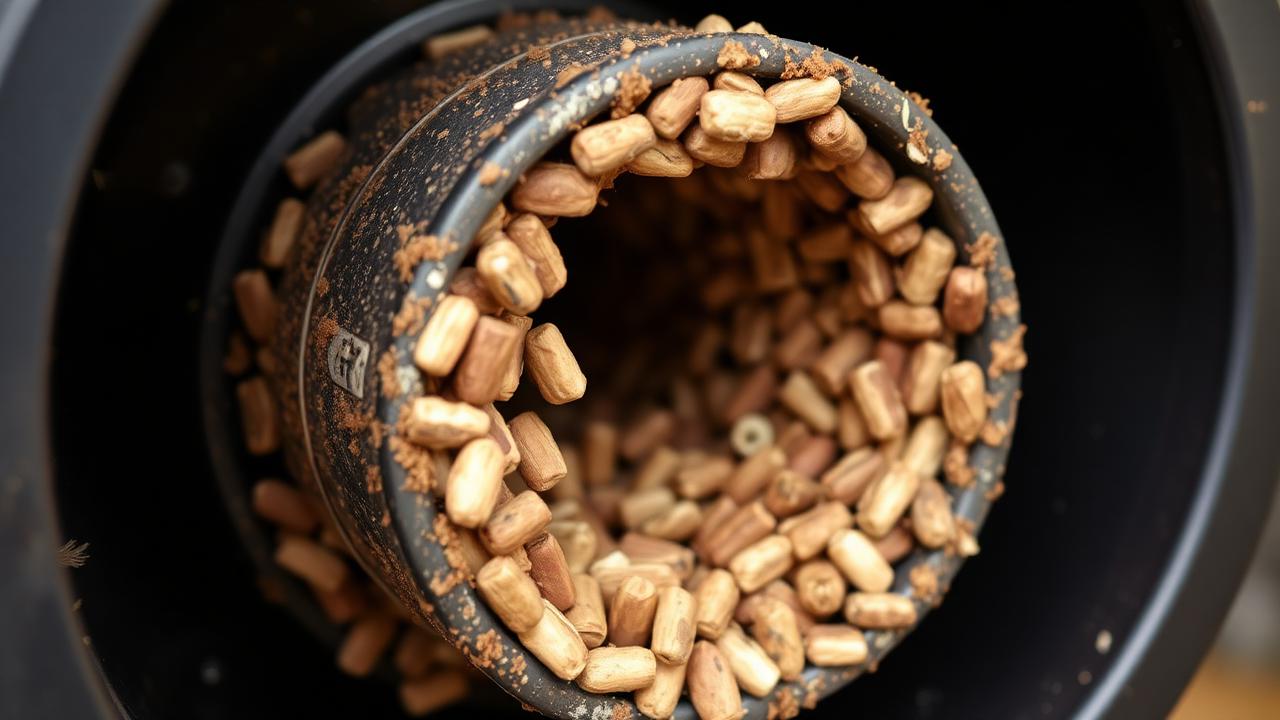
What it means: The controller cannot read or drive the auger motor — usually a physical jam (wet pellets compacted in the auger tube) rather than electrical failure.
Wet pellet jam in Traeger auger tube
How to fix it
Empty the hopper, then push the wet-pellet plug back into the hopper from the fire-pot side using a wooden dowel. Never use metal tools on the auger flighting.
Still happening? Auger motor — rarely the actual failure point.
Probe Error / Bad Probe / Flame Sensor / Lid Sensor
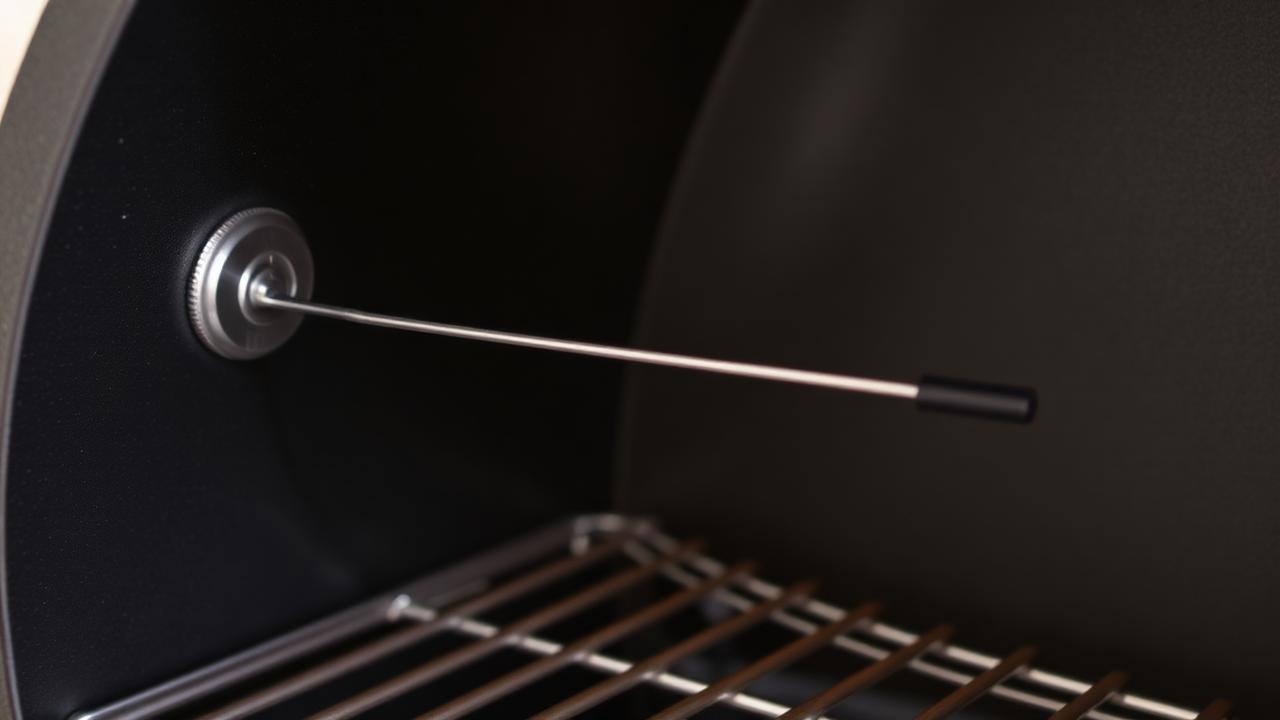
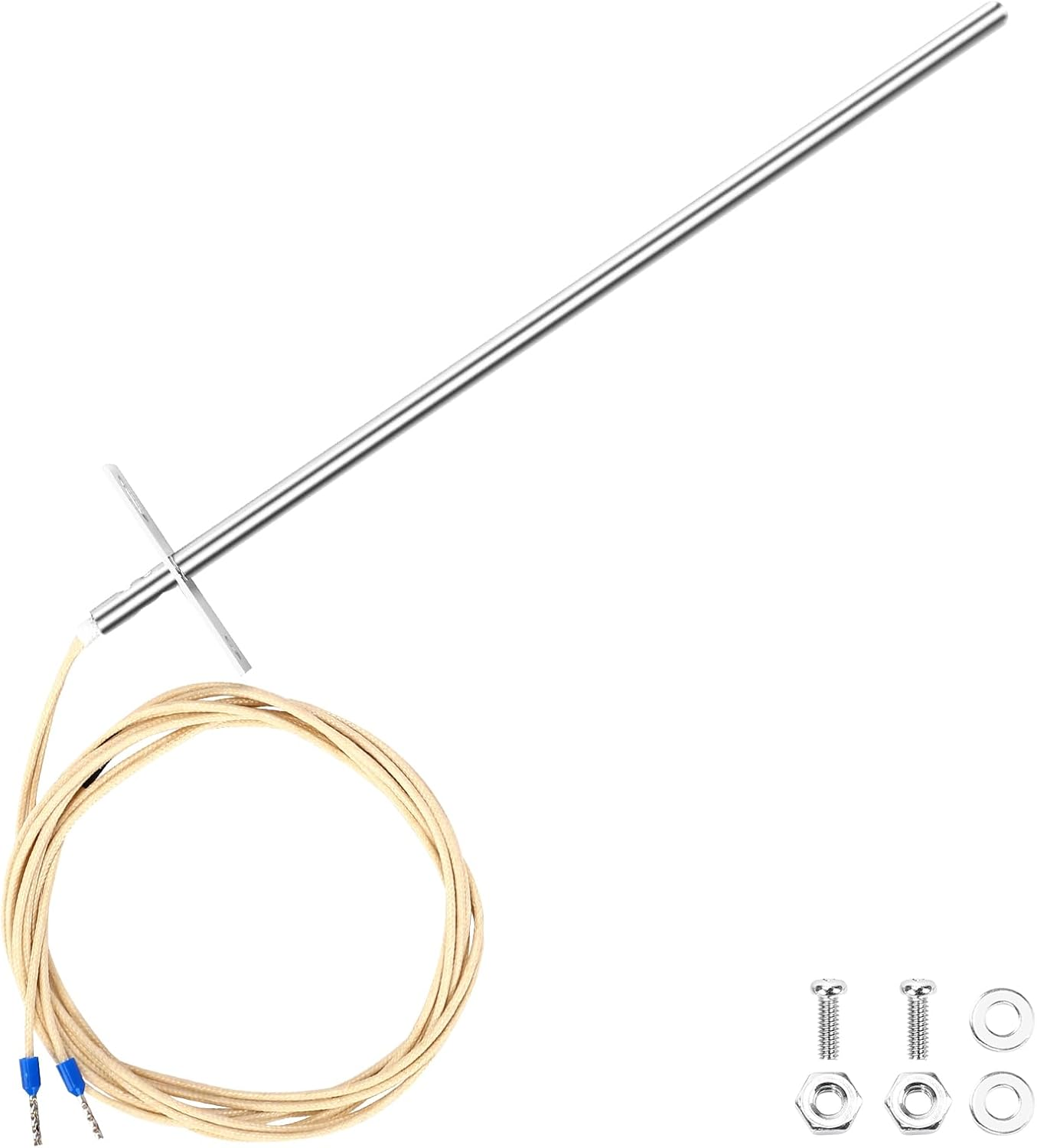
What it means: An umbrella section for any sensor-side error. The internal RTD measures grill temperature; the meat probe measures food temperature; the flame sensor (newer models) verifies a flame is present; the lid sensor detects open/closed.
Traeger RTD probe location in cooking chamber
How to fix it
RTD: clean any grease coating with steel wool, reseat the wiring connector, replace if reading wildly inaccurate.
Meat probe: try a known-good probe — the meat probe itself is often the failure, not the controller.
Flame sensor: clean ash buildup; rare to fail outright.
Lid sensor: verify the magnet and reed switch align when the lid is fully closed.
Still happening? Whichever probe is reading wrong.
App Errors 21, 22, 25 / Provisioning / WiFi
What it means: Connectivity errors between the Traeger app and the grill — not cooking errors. The grill still works perfectly without WiFi.
How to fix it
Error 21: app-side timeout — close and reopen the Traeger app.
Error 22: cloud server issue — check Traeger's status page.
Error 25: pairing/provisioning failed — restart the router, factory-reset the grill's WiFi, re-pair.
"Error provisioning grill": usually a 2.4GHz vs 5GHz issue — Traeger only supports 2.4GHz networks.
Model-Specific Notes
Quirks by Traeger model
Not every Traeger throws every code. Controller generation matters more than model name. Here's what to expect on each Traeger smoker error codes range.
Pro 22 / Pro 34 (older AC controllers)
These pre-2020 grills throw ER1 and ER2 instead of the modern numeric codes. ER1 is almost always an RTD probe disconnect; ER2 is auger or igniter circuit. Numeric Error 1, 13, 22, 40 codes do not apply here.
Pro 575 / Pro 780 (current generation)
The codes in this guide map directly. LEr and Error 1 are the two most-reported issues on these grills, both usually pellet-supply or hot rod problems. Updated WiFire firmware throws Error 22 and Error 25 occasionally after router changes.
Ironwood 650 / 885 / Ironwood (2022+)
Ironwoods throw Error 0001 as a catch-all controller fault that's deliberately vague. Firmware updates resolve about half of these. The downdraft exhaust system also makes Ironwoods more sensitive to fan errors than Pro-series grills.
Timberline 850 / 1300 / Timberline XL
Timberlines share most codes with the Ironwood. The Timberline XL adds a flame sensor error (#probe) and lid sensor error that older grills don't have. Pellet sensor errors 27 and 28 are common on heavily-used Timberlines.
Woodridge / Woodridge Pro / Woodridge Elite
The Woodridge controller is the only one that throws Error 02, Error 13, and Error 40. Error 13 (fire pot ash) is the most common — these grills are stricter about cleaning intervals than older Traegers.
Silverton 620 / 810 (Costco)
Silvertons use a controller similar to the Pro 780 and share its error code set. HEr is more commonly reported on Silvertons because of the larger cookbox holding heat after grease fires start.
Replacement Parts
Replacement parts for the most common Traeger fixes
Three parts fix roughly 80% of recurring Traeger error codes: hot rod igniter, RTD temperature probe, and auger motor. Buy the cheapest suspect first.
OEM
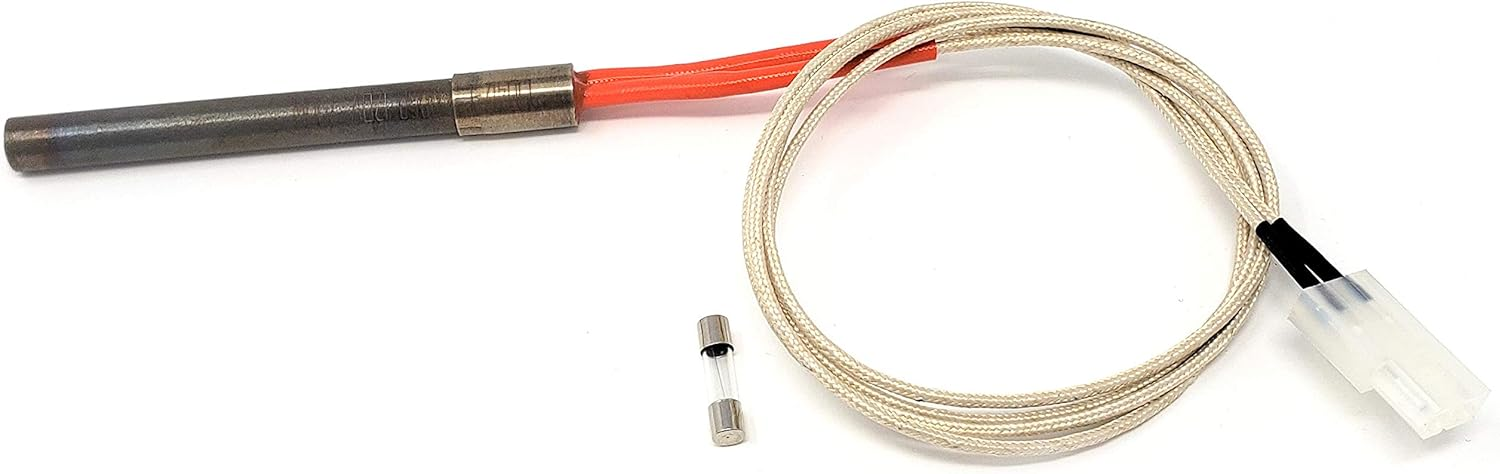
OEM Traeger Hot Rod Igniter
Direct OEM replacement. The single most common fix for recurring LEr, Error 1, and Error 40 (Woodridge).
Eight habits that eliminate most Traeger error codes before they ever appear on your controller. None take more than 10 minutes.
Vacuum the fire pot before every cook — eliminates LEr and Error 13 outright.
Store pellets in an airtight container with a desiccant pack — wet pellets cause LEr, Error 1, and auger jams.
Clean the RTD probe quarterly with fine steel wool — grease coating is the #1 cause of false LEr and HEr trips.
Inspect hot rod and igniter wiring connections at the start of each grilling season.
Run a 500°F+ burn-off for 20 minutes every 20 cooks — clears grease before it can cause HEr.
Replace pellets older than 6 months — they absorb humidity even in sealed bags.
Cover the grill outdoors year-round — moisture in the hopper is the leading cause of recurring errors.
Update controller firmware via the Traeger app monthly — fixes silent bugs that throw Error 22 and Error 25.
Decision · Warranty
When to fix it yourself, and when to call Traeger
DIY this
✓Hot rod igniter replacement (~30 min, ~$30 OEM)
✓RTD temperature probe swap (~15 min)
✓Clearing an auger jam (no parts needed)
✓Fire pot ash cleaning (5 min, no parts)
✓Reseating the combustion fan wiring
✓Resolving WiFire / app errors 21, 22, 25
✓Updating controller firmware via app
Call Traeger support
✗Controller failure on a grill still under the 3-year warranty
✗Persistent Ironwood Error 0001 after firmware update
✗Auger motor that hums but won't turn (in-warranty)
✗Anything involving structural damage from a grease fire
✗Repeated HEr after a documented over-temp event
✗Hopper or cookbox electrical shorts
FAQ
Frequently asked questions
What does LEr mean on a Traeger?
LEr is a low-temperature error. The grill dropped below 125°F during a cook for too long, usually because the pellets ran out, the hot rod failed to relight after a flame-out, or the RTD temperature probe is fouled and reading falsely low.
How do I fix LEr error on my Traeger?
Power-cycle the grill, check pellet level, vacuum out the fire pot completely, wipe down the RTD probe with steel wool, confirm pellets are dry, and restart with the lid closed. Monitor the first 15 minutes. If LEr returns, the hot rod igniter is the next part to replace.
What does HEr mean on a Traeger?
HEr is a high-temperature error — the grill exceeded roughly 550°F and shut down for safety. The two leading causes are a grease fire in the drip tray and a failed RTD probe reading falsely high. Treat HEr as a possible active fire until the grill is cool to the touch.
How do I clear a high temp error on a Traeger?
Turn the grill off and unplug it immediately, open the lid to vent, wait until the grill is fully cold, clean the grease tray and fire pot completely, inspect the RTD probe, and restart on the lowest setting while watching for repeat behavior.
Why does my Traeger keep going into LEr error?
Recurring LEr almost always means one of three things: the pellets in your hopper are damp or dusty, the fire pot is full of ash and smothering the flame, or the hot rod igniter is too weak to relight after a normal flame-out. Address all three before replacing parts.
What does Error 1 mean on a Traeger?
Error 1 means the grill ran an ignition cycle but never detected the temperature rise that signals a successful light. The hot rod tried, the pellets did not catch. Empty hopper, wet pellets, or a weak hot rod are the usual causes.
What is Traeger Error 40?
Error 40 (also shown as ER40) is exclusive to the newer Woodridge controller and indicates a fault in the igniter circuit. Either the hot rod failed, the wiring at the controller is loose, or — rarely — the controller channel itself has failed.
What does Error 13 mean on a Traeger Woodridge?
Error 13 means the Woodridge controller detected excessive ash buildup in the fire pot and stopped the cook to prevent grease fires and ignition failure. There is no replacement part — vacuum the fire pot completely and restart.
How long does a Traeger hot rod last?
Plan on 3–5 years of regular use. Heavy users (200+ cooks per year) often see hot rods fail closer to year 3, while light weekend users can stretch to 7+ years. A weakening hot rod throws LEr and Error 1 long before it dies completely.
How do I know if my RTD probe is bad?
A bad RTD probe usually shows up as wildly inaccurate temperature readings — your grill says 350°F while a Thermoworks probe reads 220°F, or vice versa. Persistent LEr or HEr after pellets, fire pot, and igniter check out is the other tell. Replacement is a 15-minute job.
Can I use my Traeger grill while the app shows an error?
Yes. App errors 21, 22, and 25 are network or cloud connectivity issues — they don't affect cooking. The grill operates perfectly without a WiFire connection. You only lose remote monitoring and recipe push.
Why is my Traeger grill stuck in startup?
A grill stuck on startup either failed to detect a flame within the controller's timeout window (Error 1 or Error 7) or has an auger that is not feeding pellets to the fire pot. Check pellet level first, then check whether the auger is turning during startup.
What does fan disconnected mean on a Traeger?
It means the controller is not detecting current draw through the combustion fan circuit. The fan is unplugged, the wiring is loose at the rear access panel, or the fan motor has failed. Inspect for ash jamming the blade before assuming the motor is dead.
How do I reset my Traeger after an error code?
Turn the controller off, unplug the grill from the wall for 5 minutes, plug it back in, and start a cold-start cycle with the lid closed. This clears most controller-side errors and is the first step Traeger support will ask you to perform.
Why does my Traeger error out in cold weather?
Below about 35°F, the controller has trouble holding setpoint because heat loss through the cookbox exceeds what the burn pot can produce on low. Move the grill to a sheltered spot, raise the setpoint by 25°F to compensate, and close the lid as soon as you load food.
How often should I clean my Traeger fire pot?
Vacuum the fire pot every 2–3 cooks, and do a full cookbox clean (grates, drip tray, fire pot, ash) every 20 hours of cook time. Newer Woodridge models are stricter and will throw Error 13 if you push past 30+ hours of buildup.
Can wet pellets cause an error code?
Yes — wet pellets are the single most common cause of LEr, Error 1, Error 7, and auger jams. Damp pellets swell, refuse to ignite, and compact in the auger tube. Always store pellets in a sealed container.
What's the difference between LEr and Error 1?
Error 1 happens during startup — the grill never reached temperature in the first place. LEr happens after a successful start — the grill was running and then dropped below 125°F mid-cook. The fixes overlap (pellets, hot rod, fire pot) but the timing tells you where to look.
Why won't my Traeger ignite?
Three causes account for almost every no-ignition failure: empty or wet pellets, an auger that is not feeding pellets to the fire pot, or a hot rod igniter that is no longer hot enough to light wood. Check all three before assuming controller failure.
How do I update the firmware on my Traeger?
Open the Traeger app, go to your grill's settings, and tap Firmware Update if one is available. Keep the grill plugged in and within Wi-Fi range during the update. Most Error 22 and Error 25 reports are resolved by a missed firmware update.
What does Error 22 mean on a Traeger?
Error 22 means the display panel cannot communicate with the main controller board. It is almost always a loose ribbon cable behind the controller. Power off, unplug, reseat the ribbon connector, and power back on.
Why does my Traeger app say error provisioning?
An error provisioning grill message means the app could not pair with your grill's Wi-Fi radio. The most common cause is that your home network broadcasts on 5GHz only — Traeger grills only connect to 2.4GHz. Enable a 2.4GHz band on your router and re-pair.
How much does it cost to replace a Traeger hot rod?
Around $30 for an OEM Traeger hot rod and $15–20 for a quality aftermarket replacement. Both install in under 30 minutes with a Phillips screwdriver. The hot rod is the cheapest single-cause fix for recurring LEr and Error 1 problems.
Is my Traeger error covered under warranty?
Traeger covers parts (not labor) for 3 years on Pro-series grills and 3–5 years on Ironwood, Timberline, and Woodridge. Controller failures, hot rods, RTD probes, and auger motors are all covered if your grill is in the warranty window. Register the grill at Traeger's site to confirm dates.
When should I replace my Traeger controller?
Only when you have already replaced the RTD probe, hot rod, and meat probe and the controller is still throwing intermittent errors. Controllers rarely fail outright — they get blamed for failures that are actually upstream sensor issues. Replace as a last resort.