Live Guide · Gas Grill Troubleshooting

Why Is My Gas Grill Not Getting Hot? 8 Causes & Fixes

Gas grill not getting hot enough to sear, only reaching 300°F when it should hit 500–600°F? You're not alone — it's the #1 gas grill complaint after igniter failures. This guide walks through the 8 most common causes (in order of likelihood) for Weber, Char-Broil, Napoleon, Nexgrill, Brinkmann, and natural gas grills, with a 60-second diagnostic to point you to the exact fix.

14 min read Updated May 2026 Independently researched

Quick Answer · 60 seconds

Why is my gas grill not getting hot?

A gas grill not getting hot enough usually has one of three causes: (1) the regulator tripped into bypass mode after a tank swap or rushed opening, restricting gas flow to 25%, (2) burner tubes are clogged with grease or spider webs, or (3) the propane tank is nearly empty. The bypass mode reset takes 60 seconds and costs nothing. If only one burner is weak, the burner tube itself is the problem.

Run the Diagnostic

60-second diagnostic — find your exact problem

Match your symptoms to the right cause. Each one links straight to the fix below.

Video Guide

Watch: Gas grill heat troubleshooting

A walkthrough of the 4 most common causes — regulator bypass, clogged burners, spider webs, and the propane tank gauge test — on a Weber Spirit E-310.

Video walkthrough coming soon

All 8 Causes

The 8 reasons your gas grill isn't getting hot (in order of likelihood)

Most gas grill heat problems trace back to fuel delivery — either the regulator, the tank, or the burner tubes. We've ranked these from most common (regulator bypass) to least common (orifice wear).

1. Regulator Bypass Mode (45% of cases)
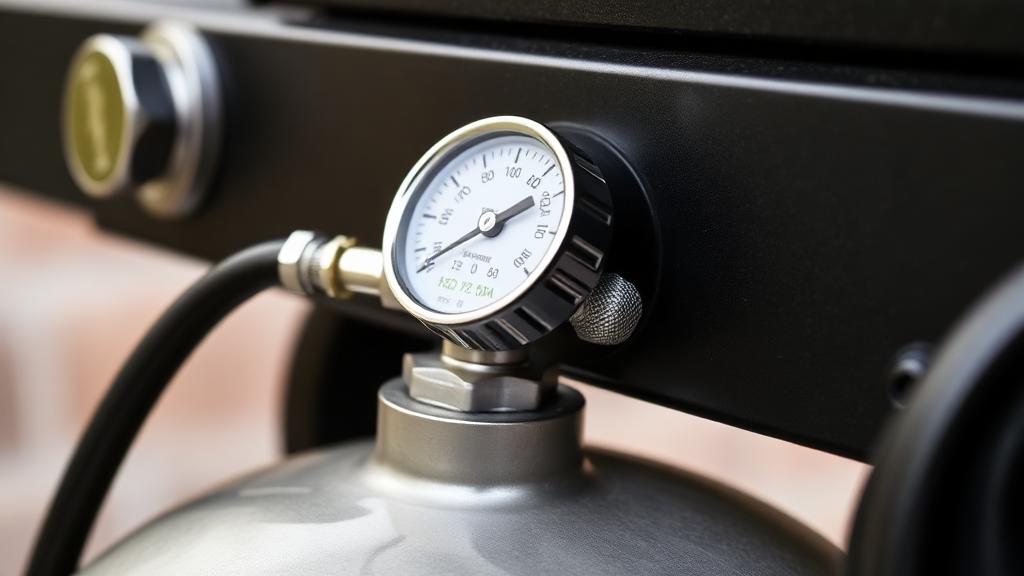
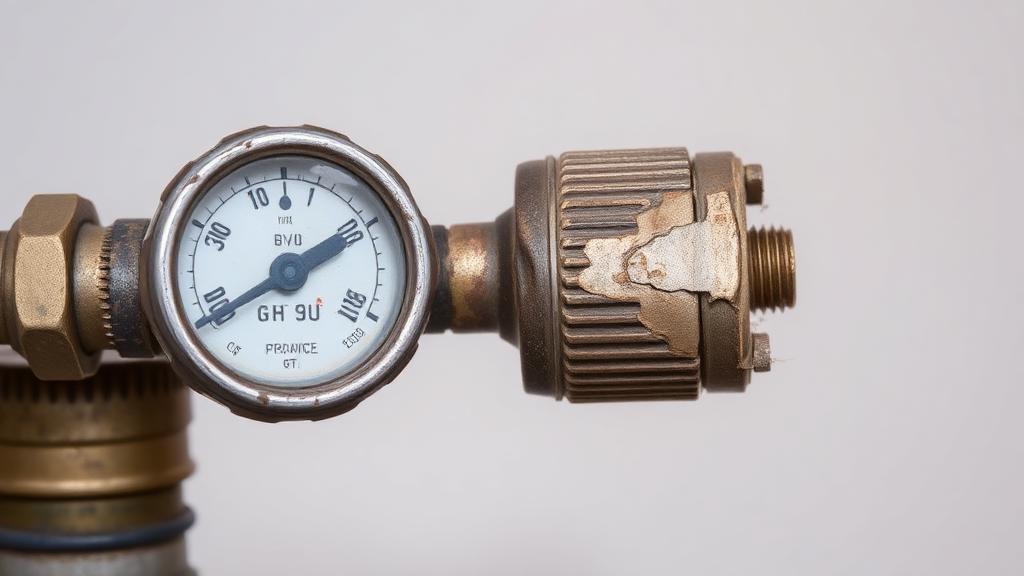
Propane regulator and tank connection showing bypass mode position

What's happening

Your propane regulator has a built-in Excess Flow Valve (EFV) that closes if it detects too much gas flow at once — usually triggered by opening the tank valve too fast while a burner is even slightly open. In bypass mode, the regulator restricts gas to roughly 25% of normal flow, which is why your grill maxes out at 250–300°F instead of 500°F+.

Symptoms

  • — ALL burners weak, not just one
  • — Started after a tank swap, refill, or hose disconnect
  • — Grill maxes out at 250–300°F regardless of knob setting
  • — Lazy yellow flames instead of full blue 6-inch flames

How to fix it

  1. 1

    Turn all burner knobs to OFF — even a knob cracked a quarter turn will re-trip the EFV.

  2. 2

    Close the propane tank valve completely (clockwise, hand-tight, no wrench).

  3. 3

    Disconnect the regulator from the tank by unscrewing the QCC1 coupling counterclockwise.

  4. 4

    Wait 30–60 seconds for the Excess Flow Valve to release. Don't rush this — it's the actual reset.

  5. 5

    Reconnect the regulator HAND-TIGHT only — the seal is from compression on the O-ring, not torque.

  6. 6

    Open the tank valve SLOWLY: quarter turn, wait five seconds, then continue opening the rest of the way.

  7. 7

    Wait 5 more seconds before touching any burner knob — let pressure equalize.

  8. 8

    Light ONE burner first on HIGH. A full blue 6-inch flame within 10 seconds means the reset worked.
2. Clogged Burner Tubes (20% of cases)

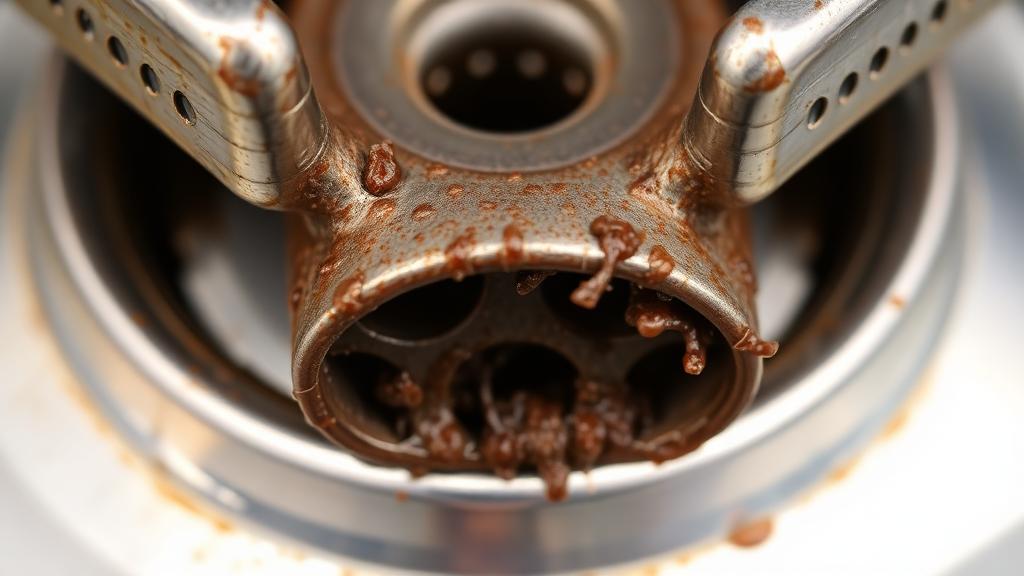
Stainless steel burner tube with clogged gas ports and grease buildup

What's happening

Burner tubes have small gas ports drilled along their length. Grease drippings, food debris, ash, and rust can clog individual ports — leaving you with a burner that lights but produces weak flames in patches. If only ONE burner is weak while others are fine, this is almost always the cause. Spider webs in the burner inlet (the venturi end) are a related sub-cause that produces the same symptom.

Symptoms

  • — One specific burner weak while others are normal
  • — Visible patches of no flame along the burner tube
  • — Yellow flame tips instead of full blue flames
  • — Symptoms appeared after winter storage (spider webs)

How to fix it

  1. 1

    Turn off the grill and let it cool completely. Cap the propane tank valve.

  2. 2

    Remove the cooking grates and flavorizer bars or heat plates above the burners.

  3. 3

    Lift out each burner tube — most slide off the gas valve manifold orifice.

  4. 4

    Use a wire brush or pipe cleaner to scrub every gas port along the tube clear.

  5. 5

    For stubborn clogs, soak the tube in white vinegar for 30 minutes, then re-brush.

  6. 6

    Hold the burner tube up to a light source — every port should let light through clearly.

  7. 7

    Reinstall, ensuring the burner inlet fully seats over the manifold orifice.

  8. 8

    Test on HIGH — a full blue flame should now run the entire length of the tube.

3. Aging or Weakening Regulator (8% of cases)

Aged propane regulator with cracked hose showing wear damage

What's happening

The rubber diaphragm inside your regulator fatigues with age. After 10+ years it loses elasticity, output pressure drops, and the grill never quite reaches advertised temps even when bypass mode is cleared. Visible cracking, fraying, or kinks on the hose are also dead giveaways. This is the cause behind "gas grill not as hot as it used to be" complaints.

Symptoms

  • — Grill is 10+ years old
  • — Gradual heat loss over time, not sudden
  • — Visible damage on regulator or hose
  • — Hissing or whistling sound from the regulator during use

How to fix it

  1. 1

    Inspect: any visible cracks, kinks, or melted spots on the hose = immediate replacement.

  2. 2

    Age test: if you can't remember when you bought the regulator, it's old enough to replace.

  3. 3

    Soap test: brush 50/50 dish-soap-and-water on every threaded connection with the tank open. Bubbles = leak = replace.

  4. 4

    Reset first using the bypass procedure above — sometimes "weakening" is just a tripped EFV.

  5. 5

    If the reset doesn't restore full pressure, replace the entire hose-and-regulator assembly.

  6. 6

    Buy Weber Genuine for Weber owners; DOZYANT Universal for Char-Broil, Nexgrill, Brinkmann, Kenmore.

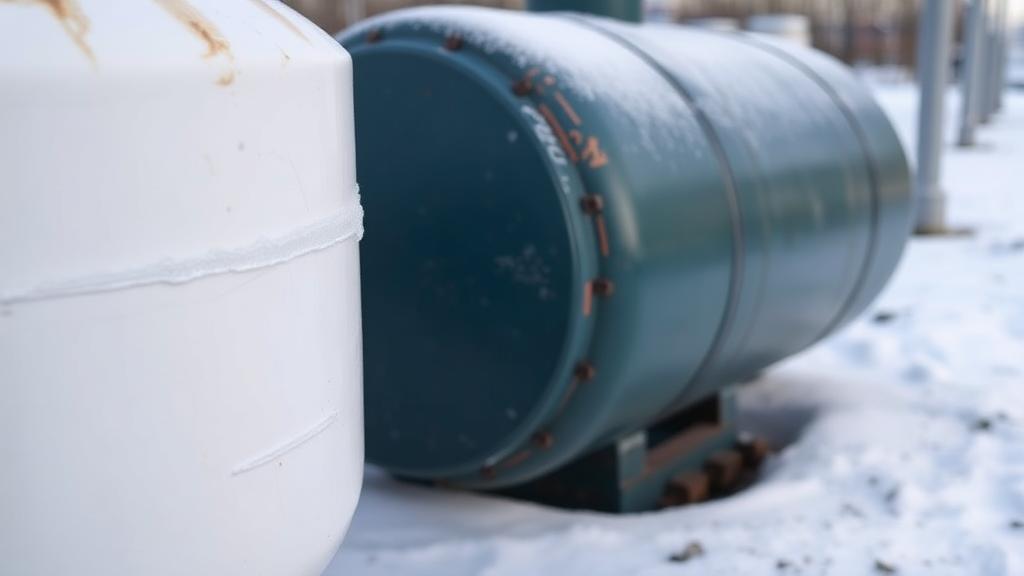
4. Cold Weather Propane Pressure (15% of cases)

Propane tank in cold weather with frost forming on the side

What's happening

Propane only burns as a vapor, not a liquid. At temperatures below about 40°F, propane vaporizes more slowly in the tank, reducing the pressure the grill receives. The colder it is, the worse the effect. At -40°F, propane stops vaporizing entirely. This is why gas grill not getting hot in cold weather is a seasonal complaint, not a permanent failure.

Symptoms

  • — Worked fine in warm weather, weak heat only in cold conditions
  • — Frost forming on the propane tank during use
  • — Heat output drops noticeably as the cook continues

How to fix it

  1. 1

    Use a full or nearly-full tank — more liquid surface area means faster vaporization in the cold.

  2. 2

    Position the tank in direct sunlight if possible. Sunlight on a black tank can add 10°F+ of effective temperature.

  3. 3

    Wrap the tank in an insulated propane tank cover ($20–30). Never use electric warmers or open flames on a tank.

  4. 4

    Run only 1–2 burners on HIGH instead of all 4 — concentrates available pressure where you need it.

  5. 5

    For winter cooking below 20°F, consider natural gas conversion if your model supports it.

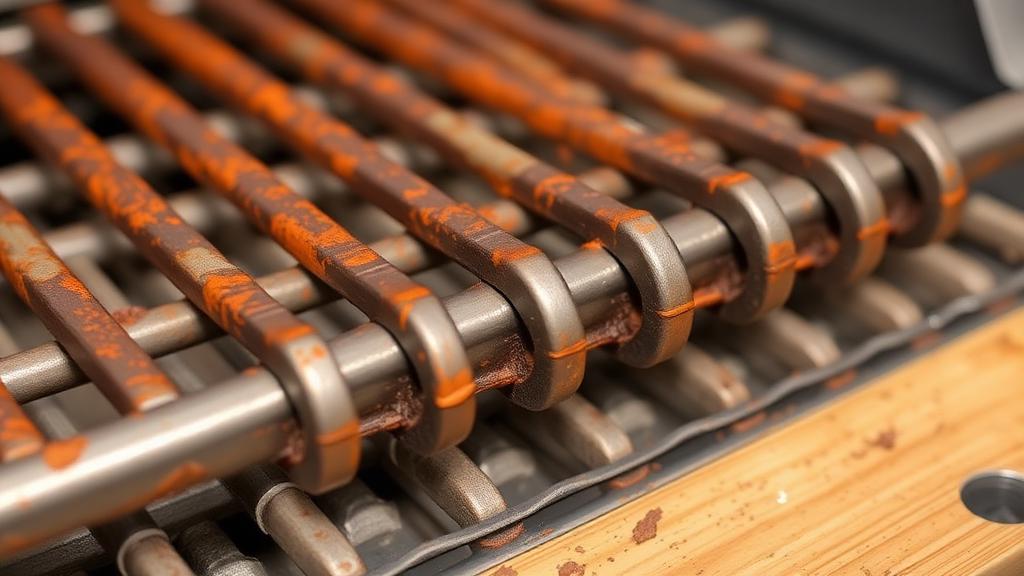
5. Missing or Damaged Flavorizer Bars / Heat Plates (5% of cases)

Rusted and warped flavorizer bars from a Weber gas grill

What's happening

Flavorizer bars (Weber) and heat plates/heat shields (everyone else) sit between the burners and the cooking grates. They protect burners from grease, vaporize drippings for flavor, AND distribute heat across the cooking surface. Missing or burned-through bars create cold spots and let heat escape downward instead of rising to the grates.

Symptoms

  • — Visible cold spots on the cooking surface
  • — Food cooks unevenly side-to-side
  • — Drippings cause flare-ups instead of vaporizing for flavor
  • — Visible rust-through holes or warping on the bars themselves

How to fix it

  • Remove grates and inspect every bar at the start of each season.
  • Bars with holes through them or that have shifted out of position lose heat-distribution efficiency.
  • Replace any damaged bars — they're a wear part designed for replacement every 3–5 seasons.
  • Weber owners: Weber flavorizer bars guide.
  • Other brands: heat shields & heat plates guide.

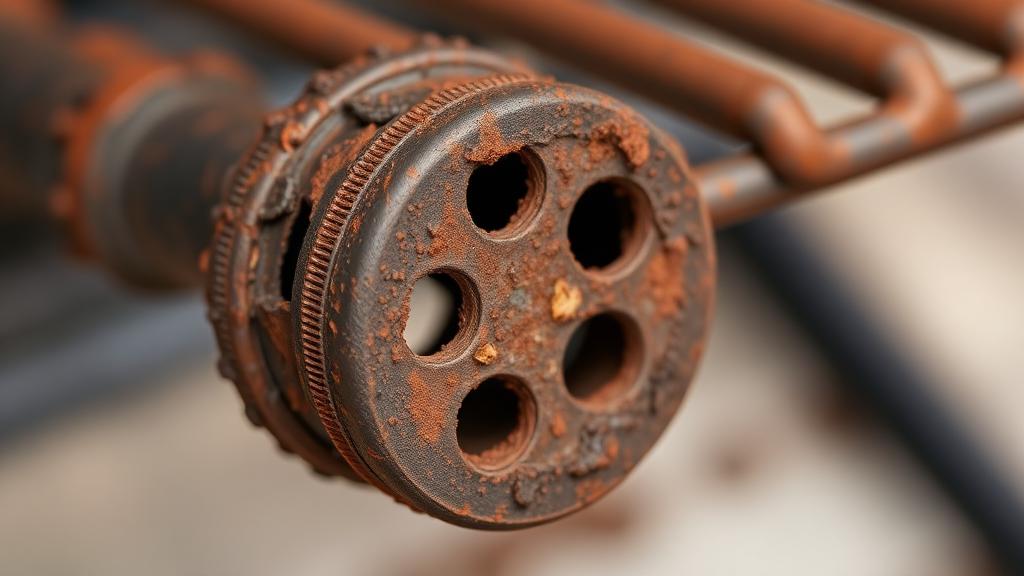
6. Worn-Out Burner Tubes (4% of cases)

Rusted-through burner tube showing corrosion damage

What's happening

Stainless steel burners eventually corrode from the inside out. Carbon-steel and aluminized burners fail faster. When the metal thins, gas leaks out of unintended places, the flame pattern becomes erratic, and BTU output drops by 30–50%. Once burners are this far gone, no amount of cleaning helps. This is also the answer to "installed new burner tubes on gas grill not as hot" — the replacement burners may have been low-grade aluminized instead of stainless.

Symptoms

  • — Visible rust holes through the burner tube wall
  • — Flame escapes from the sides instead of the top ports
  • — Burner is 5+ years old
  • — Gradual heat loss that cleaning didn't fix

How to fix it

  • Replace. There's no rescuing a corroded burner tube.
  • Stainless steel burners last 5–10 years; carbon-steel and aluminized burners last 3–5.
  • Aftermarket stainless burners are typically 30–50% cheaper than OEM and last just as long.
  • Weber Spirit, Genesis, Summit: Weber burner tubes guide.

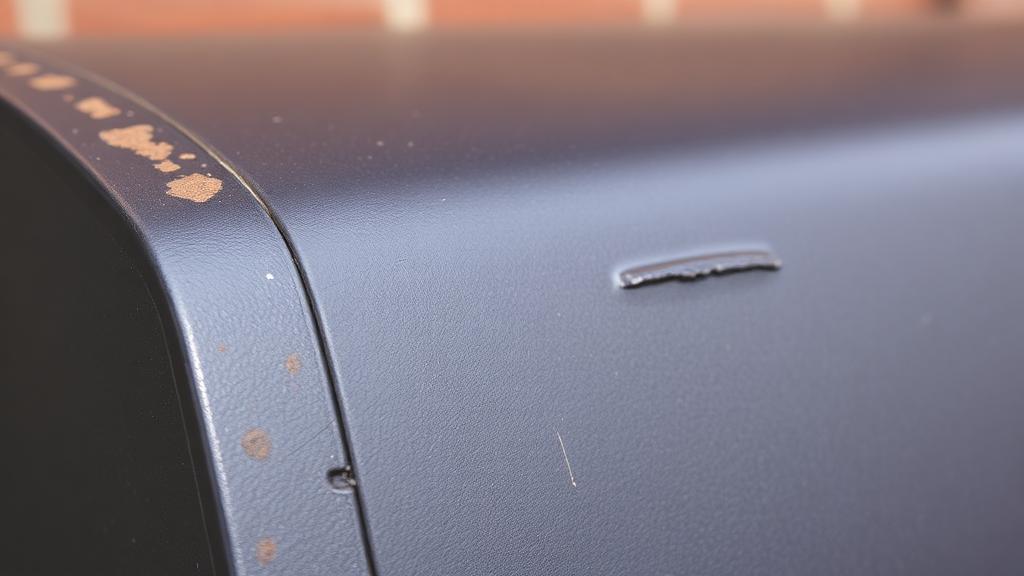
7. Lid Seal & Insulation Issues (2% of cases)

Worn lid gasket on a gas grill with visible gaps

What's happening

The lid acts as an oven, trapping heat above the cooking surface. If the lid gasket is worn, the lid is warped, or the cookbox has air gaps, heat escapes faster than the burners can produce it. You generate the heat — you just can't keep it.

Symptoms

  • — Heat thermometer reads high but food cooks slowly
  • — Heat escapes visibly from the lid edges
  • — Gasket is brittle or pulling away from the lid

How to fix it

  • Inspect the gasket — should be soft, pliable, fully sealed against the cookbox.
  • Replace with an OEM gasket kit if damaged (typically $20–40).
  • For Weber kettles: check the lid alignment — they sometimes get knocked out of round.
  • For built-in grills: check the cookbox panel seams for warping or air gaps.

8. Brand-New Grill Setup Issues (1% of cases)

Brand new gas grill with parts inspection

What's happening

New gas grills that never reach temperature from day one usually have one of three issues: shipping damage to the regulator or hose, bypass mode triggered during the first tank connection, or a factory-set conversion mismatch.

How to fix it

  • Run the regulator bypass reset (cause #1 above) — covers 70% of new-grill heat issues.
  • Inspect the regulator and hose for shipping damage (kinks, dents, melted spots).
  • Verify fuel type matches the grill — propane grills have a QCC1 regulator; natural gas grills connect directly to a house gas line with no QCC1.
  • If under warranty (most are 1–3 years), contact the manufacturer before disassembling anything.

Brand-Specific Quirks

Differences worth knowing — by brand

Weber (Spirit, Genesis, Summit)

Weber's QCC1 regulator is functionally identical to universal aftermarket parts; flavorizer bars are the #1 wear part on a weber gas grill not getting hot enough. See Weber Spirit parts and Weber Genesis parts.

Char-Broil

TRU-Infrared models are MORE sensitive to bypass mode than tube burners. A charbroil gas grill not getting hot is almost always the regulator first, then the infrared emitter plates. Standard tube-burner Char-Broils behave like any other brand.

Napoleon

Napoleon Prestige and Rogue ship with heavier-duty factory regulators that fail less often. If it's tripped, the reset almost always works. Replacement Napoleon OEM is preferred for built-in installs.

Nexgrill / Kenmore

Often share parts (Kenmore is re-badged Nexgrill). The universal DOZYANT regulator always fits. Budget-tier burners corrode faster — plan on replacement at the 4-year mark instead of 8–10.

Brinkmann

Older brand, parts harder to source from the manufacturer. Universal aftermarket parts work well — DOZYANT regulator, universal stainless burner tubes, and universal heat plates are the standard repair kit.

Natural Gas Grills

Different regulator (no QCC1, no bypass mode). Heat issues point to house-line pressure or orifice clogs, not the regulator. See the natural gas section below.

Natural Gas Grills

If you have a natural gas grill, read this

A natural gas grill not getting hot enough behaves differently than propane. Natural gas grills don't use a QCC1 regulator and don't experience bypass mode. Heat issues on NG grills point to: (1) low house-line pressure, (2) clogged orifices (the small brass jets at the gas valve), or (3) the gas valve itself.

Quick natural gas diagnostic: try ONE burner with all others off. If that one burner reaches full flame, your house line pressure can't supply ALL burners at once — usually a regulator-at-the-meter issue and a call to your gas utility. If even one burner is weak, the orifice for that burner is clogged and needs cleaning or replacement.

This applies equally to a weber genesis natural gas grill not getting hot enough, weber summit grill natural gas not getting hot, and nexgrill natural gas grill not hot enough — the architecture is the same across brands.

Replacement Parts

Parts that fix the 4 most common heat problems

Three replacement parts cover the vast majority of gas grill heat failures: a fresh regulator, stainless burner tubes, and a new set of heat plates. All four cards below are QCC1-standard or universal-fit.

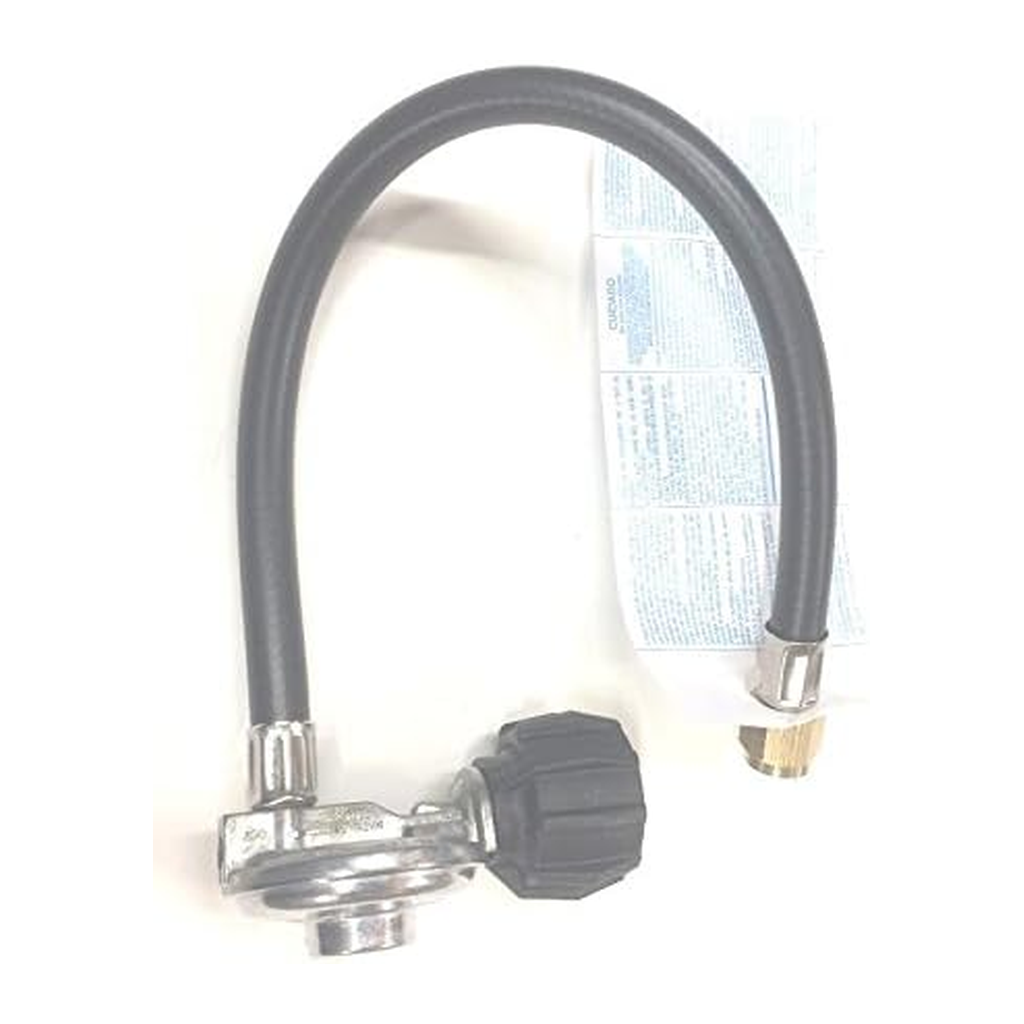
Weber genuine propane regulator and hose assemblyOEM

Weber Genuine Regulator + Hose

OEM replacement for Spirit, Genesis, and Summit. Pre-cut hose length matched to Weber cabinet routing. The right call for Weber owners who want everything to look factory.

Check current price
Check Price on Amazon
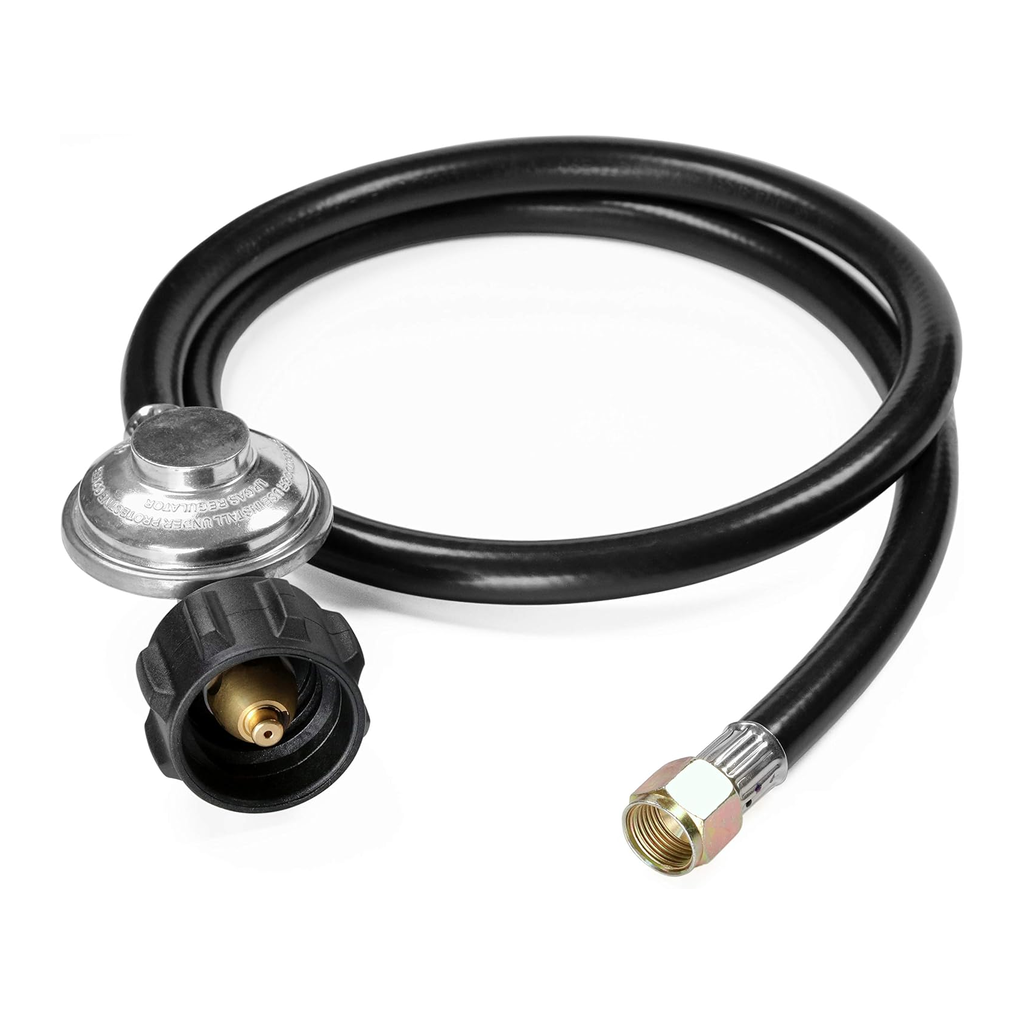
DOZYANT universal QCC1 propane regulator and hoseBEST VALUE

DOZYANT Universal Regulator + Hose

3-foot QCC1 hose with low-pressure regulator. Works on Char-Broil, Nexgrill, Royal Gourmet, Brinkmann, Kenmore. About half the price of OEM, built to the same Type-1 spec.

Check current price
Check Price on Amazon
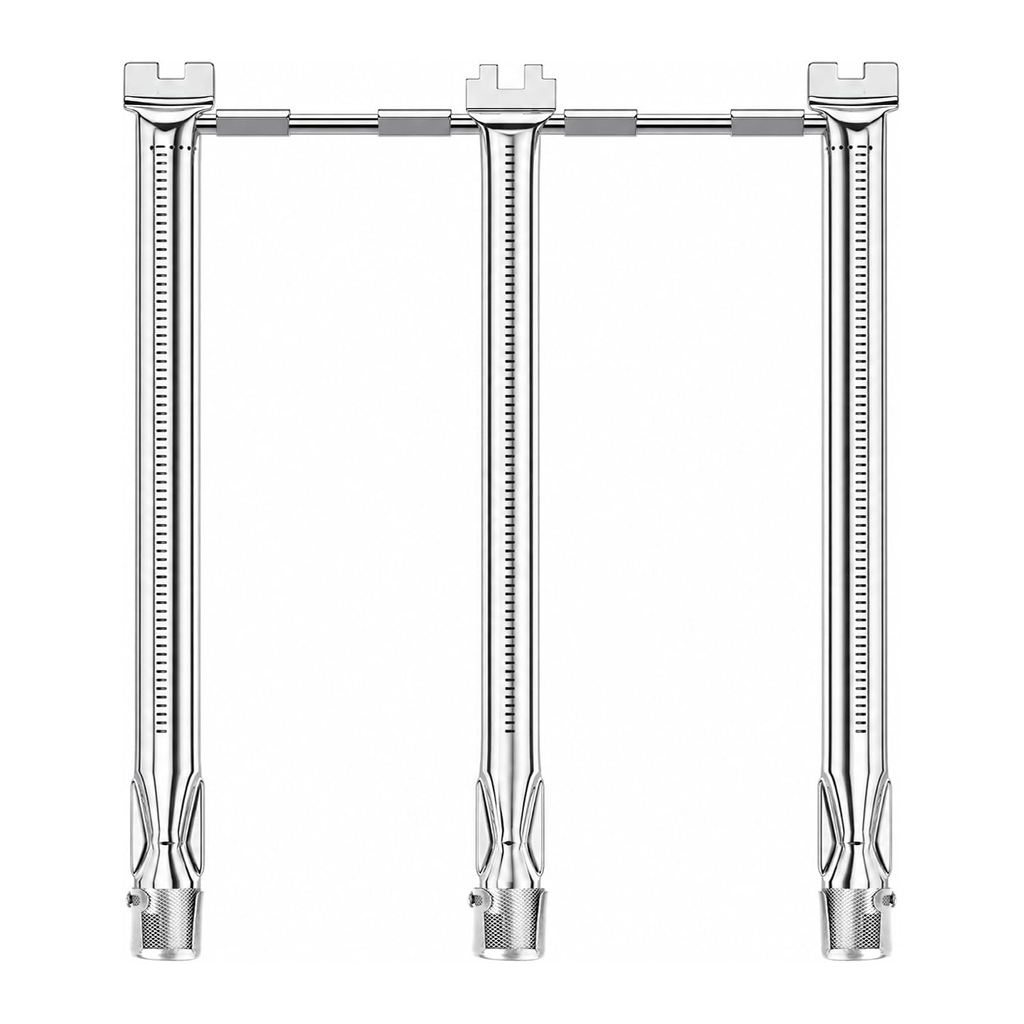
Set of three stainless steel replacement burner tubes for gas grillsAFTERMARKET

Replacement Burner Tubes (Stainless Steel)

Universal stainless burner tubes that fit most Weber, Char-Broil, Nexgrill, and Brinkmann gas grills. Stainless lasts 5–10 years vs 3–5 for aluminized.

Check current price
Check Price on Amazon
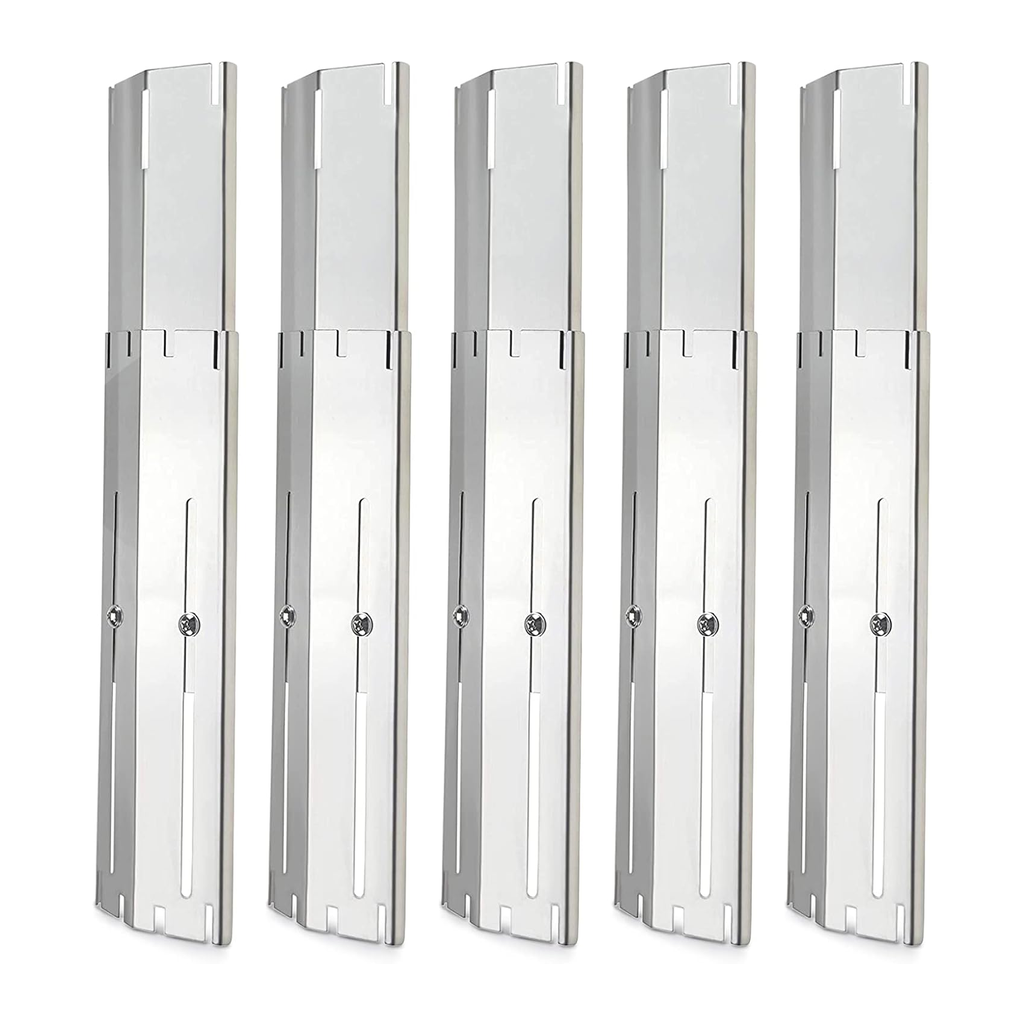
Set of five adjustable stainless steel universal heat plates for gas grillsBEST VALUE

Universal Heat Plates Set

Adjustable stainless heat plates that protect burners and distribute heat. Replaces worn flavorizer bars on most major brands. Sold in sets of 3–5.

Check current price
Check Price on Amazon

Worth adding to the same order

Two cheap accessories that prevent the next heat problem before it starts.

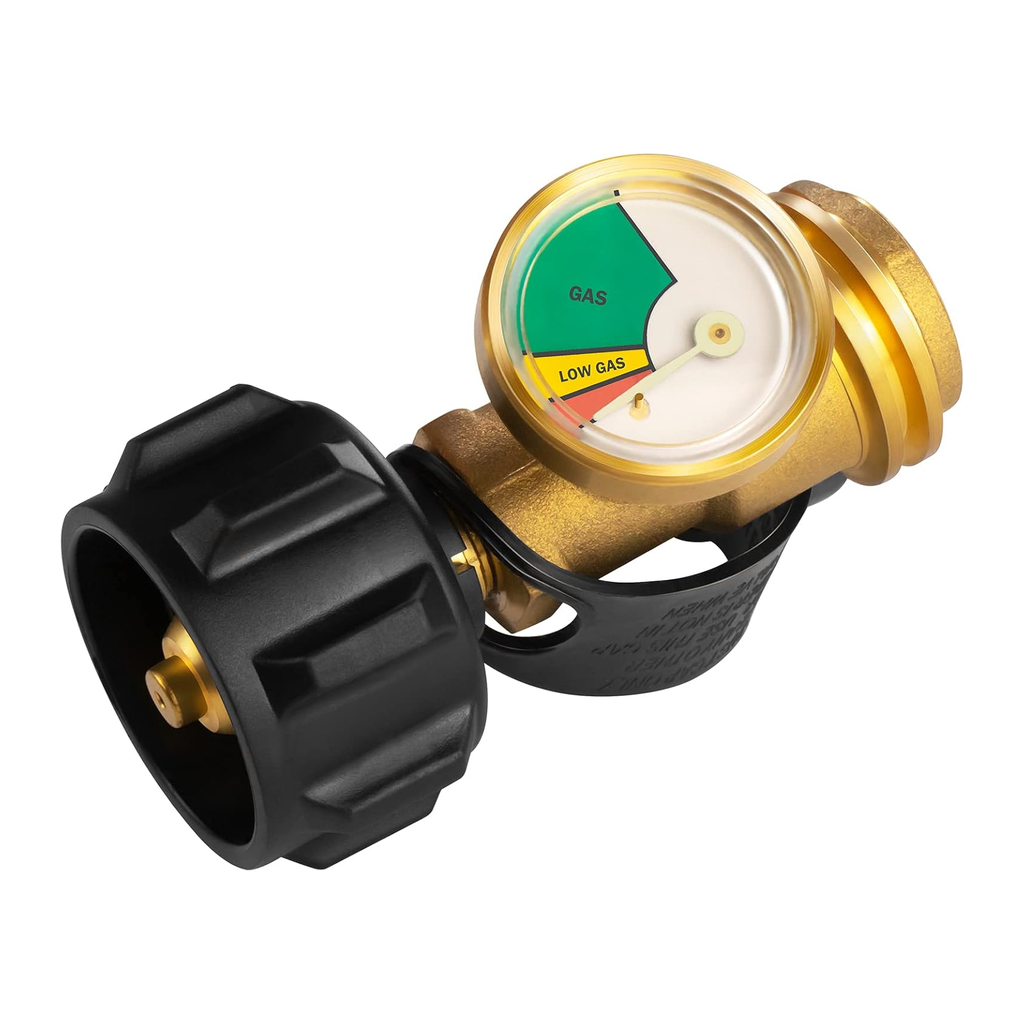
Propane tank gauge with green and red pressure indicator attached to QCC1 connector

Magnetic Propane Tank Gauge

Sticks to the side of the tank and shows fuel level by temperature. Rules out 'empty tank' before you even touch the regulator.

Check current price
Check Price on Amazon
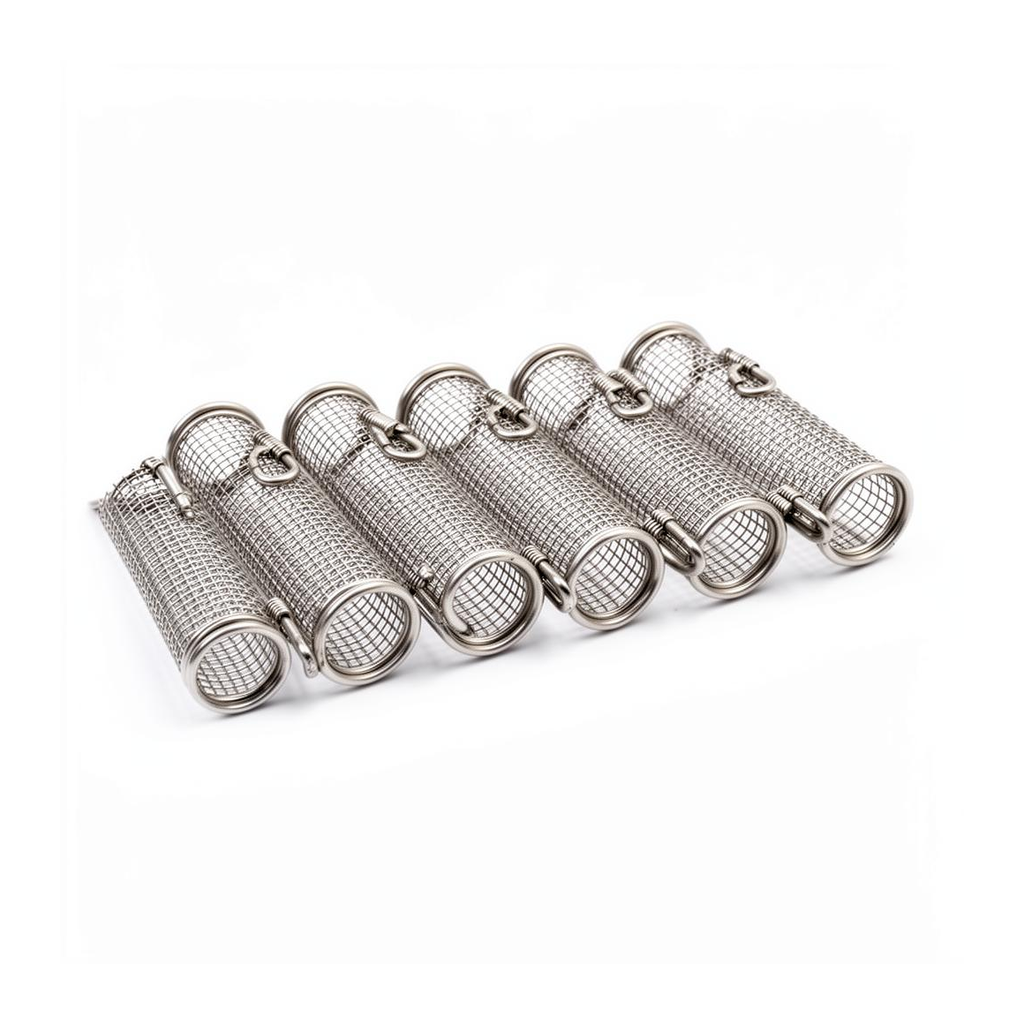
Stainless steel mesh insect catcher screen kit for gas grill burner inlets

Burner Insect Catcher Screen Kit

Stainless mesh screens that fit over the burner inlet to keep spider webs out. The single best $10 you can spend to prevent next-spring heat problems.

Check current price
Check Price on Amazon

Prevention

How to keep your grill at full heat year-round

  • Open the tank valve SLOWLY every time (prevents regulator bypass).
  • Check burner tubes for clogs at the start of each season — a 10-minute check.
  • Cover the grill outdoors year-round (prevents spider webs and moisture damage).
  • Replace flavorizer bars or heat plates every 3–5 seasons.
  • Replace your regulator every 10 years even with no symptoms.
  • Keep your propane tank above 25% — bypass mode triggers more often on near-empty tanks.
  • Inspect the hose annually for cracks, kinks, and melted spots.
  • Run a 500°F+ burn-off for 15 minutes once per month to clear grease from burner ports.

Decision · Repair vs Replace

When to fix it, when to replace the whole grill

Fix it

  • — Regulator issues (replacement is $25–60)
  • — Clogged burners (cleaning is free, replacement is $30–80)
  • — Worn flavorizer bars or heat plates ($30–60 to replace)
  • — Damaged lid gasket ($20–40)
  • — Spider webs in burner tubes (free fix)

Time to replace

  • — Cookbox bottom rusted through
  • — Multiple burner tubes corroded simultaneously
  • — Lid won't close properly anymore
  • — Grill is 15+ years old AND needs $200+ in parts
  • — At ~$300 in parts, a new mid-tier grill makes more sense

FAQ

Frequently asked questions

Why is my gas grill not getting hot?

The most common cause is regulator bypass mode — the propane regulator's Excess Flow Valve has tripped and is restricting gas flow to about 25% of normal. Other common causes include clogged burner tubes, a low propane tank, spider webs in the burner inlet, cold weather slowing propane vaporization, and worn-out burner tubes. The regulator reset takes 60 seconds and fixes about 45% of cases.

Why is my gas grill not getting hot enough?

Gas grill not getting hot enough almost always traces to one of three fuel-delivery problems: (1) regulator stuck in bypass mode after a tank swap, (2) clogged or corroded burner tubes restricting gas flow, or (3) propane tank below 25% on a cold day. A healthy gas grill should hit 500–600°F on HIGH within 10–15 minutes. If yours caps at 300°F, start with the regulator reset.

Why won't my gas grill get to 500 degrees anymore?

If your grill used to hit 500°F and now caps at 300–400°F, the regulator is the prime suspect — it's either tripped into bypass or the internal diaphragm has fatigued with age. Run the 60-second bypass reset first. If the reset doesn't restore full heat after two attempts, the regulator-and-hose assembly needs replacement. Worn burner tubes and damaged flavorizer bars are the next two suspects.

How do I reset my gas grill regulator?

Turn every burner knob OFF, close the propane tank valve, disconnect the regulator, wait 30–60 seconds, reconnect hand-tight only, open the tank valve slowly (quarter turn → wait → continue), wait 5 more seconds, then light one burner on HIGH. A full blue flame within 10 seconds confirms the reset worked. See our full grill regulator reset guide for step-by-step photos.

Why is my Weber grill not getting hot enough?

Weber Spirit, Genesis, and Summit gas grills use the same QCC1 regulator design as every other propane grill, so the #1 cause of a Weber gas grill not getting hot enough is the same bypass-mode trip. The #2 Weber-specific cause is worn or rust-through flavorizer bars allowing heat to escape downward instead of rising to the cooking grates. Replace bars every 3–5 seasons.

Why did my Char-Broil grill stop getting hot?

Char-Broil grills use a standard QCC1 regulator, so the bypass reset works exactly the same way. TRU-Infrared Char-Broil models are MORE sensitive to bypass mode than tube burners — they need full regulator pressure to glow correctly. If the reset doesn't hold, the DOZYANT universal regulator is a direct replacement on every Char-Broil model.

Can a propane tank run out and still light the grill?

Yes. As propane gets low, internal tank pressure drops gradually. The grill can still light and produce flame, but heat output craters because the regulator can't deliver normal pressure. A magnetic tank gauge ($10–15) shows fuel level and rules out an empty tank in 5 seconds before you start tearing into the regulator.

Does cold weather affect propane grill heat?

Yes — significantly. Below about 40°F, propane vaporizes more slowly inside the tank, reducing the pressure delivered to the grill. At 0°F, output can drop by half. At -40°F, propane stops vaporizing entirely. The fix isn't a regulator reset; it's a fuller tank, sun exposure, or running fewer burners on HIGH to concentrate pressure.

Why is my natural gas grill not as hot as propane?

Natural gas runs at lower pressure than propane (4–7 inches water column vs. 11 inches), but a properly tuned NG grill should still reach 500°F+. If yours caps at 350–400°F, the orifices are likely partially clogged or the house regulator at the meter is delivering low pressure. Try ONE burner on HIGH with all others off — if that one burner reaches full flame, your house line can't supply all burners simultaneously.

How long do gas grill burner tubes last?

Stainless steel burner tubes last 5–10 years. Aluminized or carbon-steel burners fail faster — typically 3–5 years. Once you can see rust holes through the tube wall or flame escaping from the sides instead of the top ports, no amount of cleaning will help. Replace with stainless aftermarket tubes for the best price-to-longevity ratio.

Why is only one of my burners weak?

If only one burner is weak while the others are fine, the regulator and tank are not the problem — gas pressure is shared equally by all burners off the same manifold. The cause is almost always a clogged burner tube (grease, ash, or spider webs blocking the gas ports) or a clogged orifice at the manifold. Pull that one tube, clean the ports with a wire brush, and confirm light passes through.

How can I tell if my regulator is bad?

A bad regulator shows up as: weak flames on every burner even after a careful reset, hissing or whistling noises from the regulator body during use, visible cracks or melted spots on the regulator, hose damage (kinks, cracking, fraying), or persistent gas smell with all knobs OFF. Any of these means the assembly needs replacement, not another reset attempt.

Should I clean my burner tubes or replace them?

Clean if the tube is structurally intact — no rust holes, no warping, gas ports just clogged with grease or debris. Replace if you can see daylight through the tube wall, the inlet end is corroded, or flames escape from unintended places. Stainless steel tubes are the only worthwhile replacement; carbon-steel and aluminized tubes won't last.

What temperature should my gas grill reach?

A healthy gas grill on HIGH with the lid closed should reach 500–600°F within 10–15 minutes. Premium grills (Weber Genesis, Summit, Napoleon Prestige) often hit 650–700°F. If yours caps at 350–400°F, something is wrong with fuel delivery or heat retention. The lid thermometer is your diagnostic — don't trust the burner appearance alone.

Why is my brand new gas grill not getting hot?

New grills that never reach temperature usually have one of three issues: (1) bypass mode triggered during the first tank connection (the most common — about 70% of cases), (2) shipping damage to the regulator or hose, or (3) a fuel-type mismatch. Run the regulator bypass reset first. If under warranty, contact the manufacturer before disassembling anything.

How do I fix spider webs in my burner tubes?

Spider webs are a leading cause of single-burner heat loss — small spiders crawl up the burner inlet during the off season and build webs that block gas flow. Pull the burner tube, look into the inlet end, and clear any webbing with a pipe cleaner or wire. Install a burner insect catcher screen kit ($10–15) to prevent it next season.

Can I use my gas grill in winter?

Yes, with two adjustments. Use a full propane tank (more liquid means faster vaporization), and expect longer preheats. Plan on 20–25 minutes to reach searing temperature instead of 10–15. If outdoor temps drop below 20°F, you may not be able to run all four burners on HIGH simultaneously — propane simply can't vaporize fast enough to keep up.

Why is my grill flame yellow instead of blue?

A yellow or orange flame means incomplete combustion — too little air mixing with the gas. Causes include clogged burner air shutters (the adjustable openings at the burner inlet), spider webs in the tube, a burner that has shifted off the manifold orifice, or the wrong gas type for your orifice size. Yellow flames also produce soot and lower heat output.

How often should I replace flavorizer bars?

Plan on replacing flavorizer bars (Weber) or heat plates (other brands) every 3–5 seasons under regular use. Inspect at the start of each season — bars with rust holes, warping, or shifting position have lost their heat-distribution function and let heat escape downward. Replacement bars are $30–60 for a full set.

Will replacing burner tubes make my grill hotter again?

Yes — if the burners are actually worn. Corroded tubes lose 30–50% of BTU output by leaking gas out unintended places and producing erratic flame patterns. Replacing them with new stainless tubes restores full heat. But replacement won't help if the real problem is upstream (regulator) or downstream (lid seal, missing flavorizer bars).

Why does my grill take longer to heat up than it used to?

Gradual heat loss over years of use almost always means the regulator's internal diaphragm has fatigued. Output pressure drops slowly, and preheat times creep upward. After 10+ years, replacement is overdue even if the grill still reaches temp eventually. The other cause is gradual burner-tube corrosion that hasn't yet produced visible holes.

Is it worth fixing an old gas grill or should I buy new?

Fix it if total parts cost is under $200 and the cookbox is structurally sound. Replace the whole grill if the cookbox bottom is rusted through, multiple burner tubes need replacement simultaneously, the lid won't seal anymore, or the grill is 15+ years old AND needs $200+ in parts. Compare new mid-tier grill cost against repair total — at $300 in parts, new makes more sense.

How much does it cost to fix a gas grill that won't heat?

Cost ranges by cause: regulator reset = $0, regulator + hose replacement = $25–60, burner tube replacement = $30–80 per tube, flavorizer bars/heat plates = $30–60 per set, lid gasket = $20–40, spider web removal = free. Most heat problems are fixable for under $80 total — well under the cost of a new grill.

Why does my grill lose heat when I open the lid?

Some heat loss is normal — that's why you minimize lid-open time. But excessive heat loss with the lid CLOSED means the lid gasket is worn, the lid is warped, or the cookbox has air gaps. Inspect the gasket — it should be soft and fully sealed against the cookbox edge. Replacement gasket kits run $20–40 for most brands.

Can a clogged orifice cause low grill heat?

Yes. Orifices are the small brass jets at the gas valve manifold that meter gas into each burner tube. They have very small holes and can clog with debris, especially on natural gas grills where house-line sediment occasionally makes it through. A clogged orifice produces a weak, narrow flame on one specific burner. Clear with a thin wire (or replace — they're under $5 each).

Replace with confidence

Three replacement parts cover 80% of gas grill heat problems — a fresh regulator, stainless burner tubes, and a new set of heat plates.

Weber regulator tank gauge spider catcher