Charcoal going out 10 minutes after lighting? Coals glowing red but never building heat? You're not alone — keeping charcoal lit reliably is the #1 frustration for new Weber Kettle owners. This guide covers the 7 most common reasons charcoal won't stay lit (in order of likelihood), the chimney-starter method that works every time, and how to add charcoal mid-cook for long sessions on Weber Kettle, Smokey Mountain, kamado, and any charcoal grill.
13 min read Updated May 2026 Independently researched
Charcoal won't stay lit for one of 7 reasons: (1) blocked airflow from a full ash catcher, (2) closed bottom vents, (3) old or moisture-damaged charcoal, (4) too few coals to sustain combustion, (5) wind cooling the fire, (6) lid closed too soon before coals fully caught, or (7) low-quality fuel. The fastest fix: use a chimney starter, wait until 80% of coals are ash-gray, then transfer to a clean grill with both vents fully open.
Emergency · Save your dinner
Coals dying mid-cook? Revive them in 90 seconds
1
OPEN BOTH VENTS FULLY — top damper and bottom intake, all the way wide.
2
Remove the cooking grate temporarily (use long tongs).
3
Use long tongs to redistribute coals — break apart any clumps, spread evenly across the bottom.
4
Add 6-8 fresh briquettes around the edges (not on top) so they catch from the live coals.
5
Wait 5 minutes with the lid OFF — let oxygen reach the fire before closing.
Diagnose your problem
What's killing your charcoal?
Match your symptoms to the right cause. Each one links straight to the fix below.
Watch: How to light charcoal that stays lit for hours
A walkthrough of the chimney-starter method, vent management, and the Minion method for long cooks — on a Weber 22-inch Kettle.
Video walkthrough coming soon
All 7 Causes
The 7 reasons your charcoal won't stay lit (ranked by likelihood)
Charcoal problems almost always trace back to airflow, fuel quality, or technique. We've ranked these from most common (blocked airflow) to least common (low-quality fuel). For each, you'll find what's happening, telltale symptoms, and step-by-step fixes.
1. Blocked Airflow (35% of cases)
What's happening
Charcoal needs constant oxygen to stay lit. Every charcoal grill has bottom intake vents (under the firebox) and a top exhaust damper (in the lid). If either is blocked by ash buildup, closed by accident, or restricted by debris, the fire smothers. A full ash catcher is the #1 cause — it blocks airflow from below while also dropping fresh ash onto the coals from above.
Most owners empty their ash catcher once a season. That's roughly 5-10 cooks too infrequent. Ash compacts as the kettle cools and reheats, eventually fusing into a gray brick that has to be chipped out. By the time you notice "the fire dies fast lately," the catcher has been choking airflow for weeks.
Symptoms
— Coals were burning hot, then faded fast (within 15 minutes)
— Thick smoke drifting from the bottom vents
— Glowing coals turning gray quickly
— You can't remember the last time you emptied the ash catcher
How to fix it
1
Open BOTH the bottom intake vents AND the top damper fully — wide open.
2
Let the grill cool, then empty the ash catcher completely (most Weber Kettles have a One-Touch sweeper handle — rotate it back and forth 5-10 times to drop ash through).
3
Inspect the bottom intake vents themselves — they should slide freely without grinding.
4
Brush out the bottom of the kettle bowl if ash has caked on the inside surface.
5
Make sure the bottom grate (charcoal grate) isn't crusted over with old ash — flip it and scrape.
6
Reassemble and re-light with a clean ash bed.
7
From now on: empty the ash catcher after every 2-3 cooks, not just annually.
2. Too Few Coals (20% of cases)
What's happening
Charcoal needs a critical mass to sustain combustion. Below a certain quantity, coals can't keep each other hot enough — they light, glow, and die. Most beginners use HALF the charcoal they actually need. The minimum for a 22-inch Weber Kettle is around 60-70 briquettes (one full standard chimney). For lump charcoal, it's roughly two-thirds of a chimney by volume.
Symptoms
— Coals never get past red-glowing stage
— Fire dies within 20 minutes even with vents open
— Only the center coals are burning
How to fix it
1
Use a chimney starter — every time, no exceptions.
2
Fill the chimney completely full (60-70 briquettes for standard chimney size).
3
Light from the bottom — newspaper or lighter cubes, not lighter fluid.
4
Wait 15-20 minutes — coals should be 80% covered in gray ash before pouring.
5
Pour ALL the coals into the grill — don't try to "save half for later".
6
For long cooks (over 1 hour), you'll add more coals later; for short cooks, a full chimney is correct.
7
If using lump charcoal, add 20% more than briquettes by volume (lump burns hotter but shorter).
3. Bad Charcoal Arrangement (15% of cases)
What's happening
Charcoal arrangement matters as much as quantity. Coals spread in a single thin layer can't transfer heat to each other — the fire spreads slowly or dies. Coals piled into a tight mound concentrate heat but create cold spots where fresh coals can't catch. The right shape depends on your cook.
Symptoms
— Center coals burn hot but edges die
— Fire spreads to half the bed and stops
— Hot zones and dead zones in the same cook
How to fix it
1
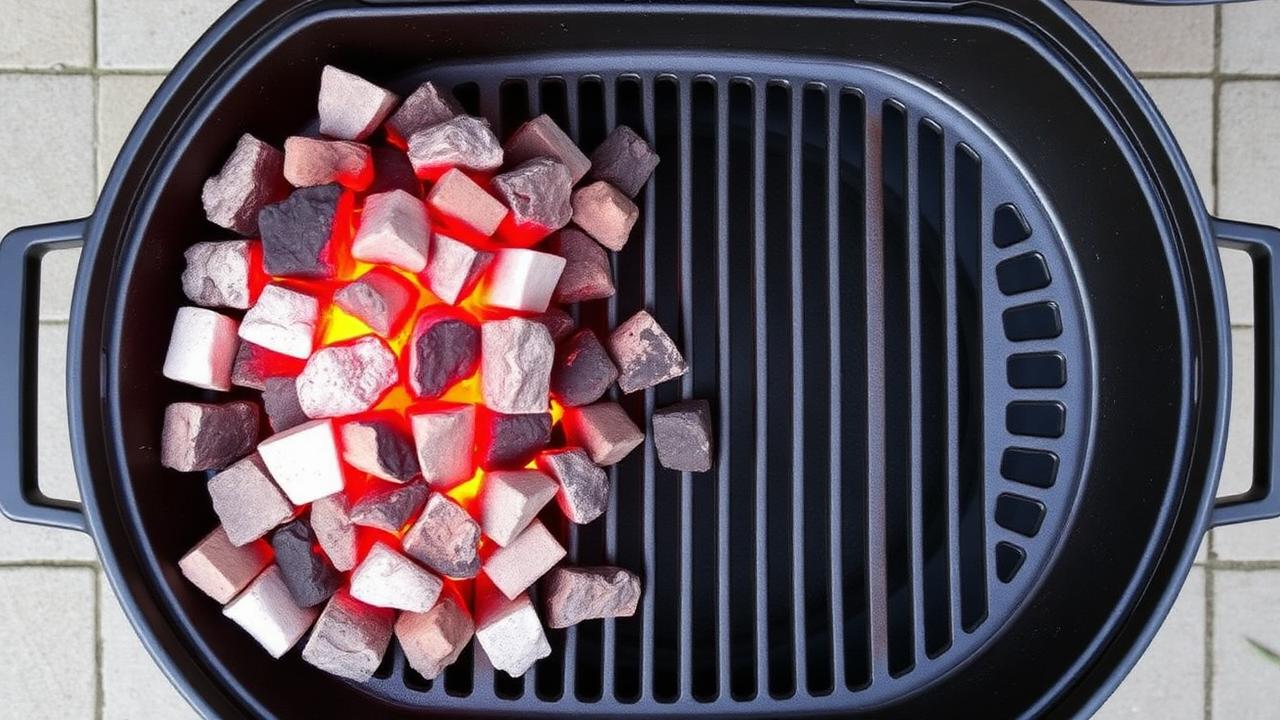
For DIRECT high heat (steaks, burgers): pile all coals on ONE side of the grill, leave the other half empty (two-zone setup).
2
For INDIRECT cooking (ribs, whole chicken): coals on both sides, drip pan in the middle.
3
For LONG slow cooks: use the snake/Minion method (see below).
4
NEVER spread coals in a thin single layer across the entire bottom — that's how fires die.
5
Coals should be at least 2 layers deep wherever they sit.
6
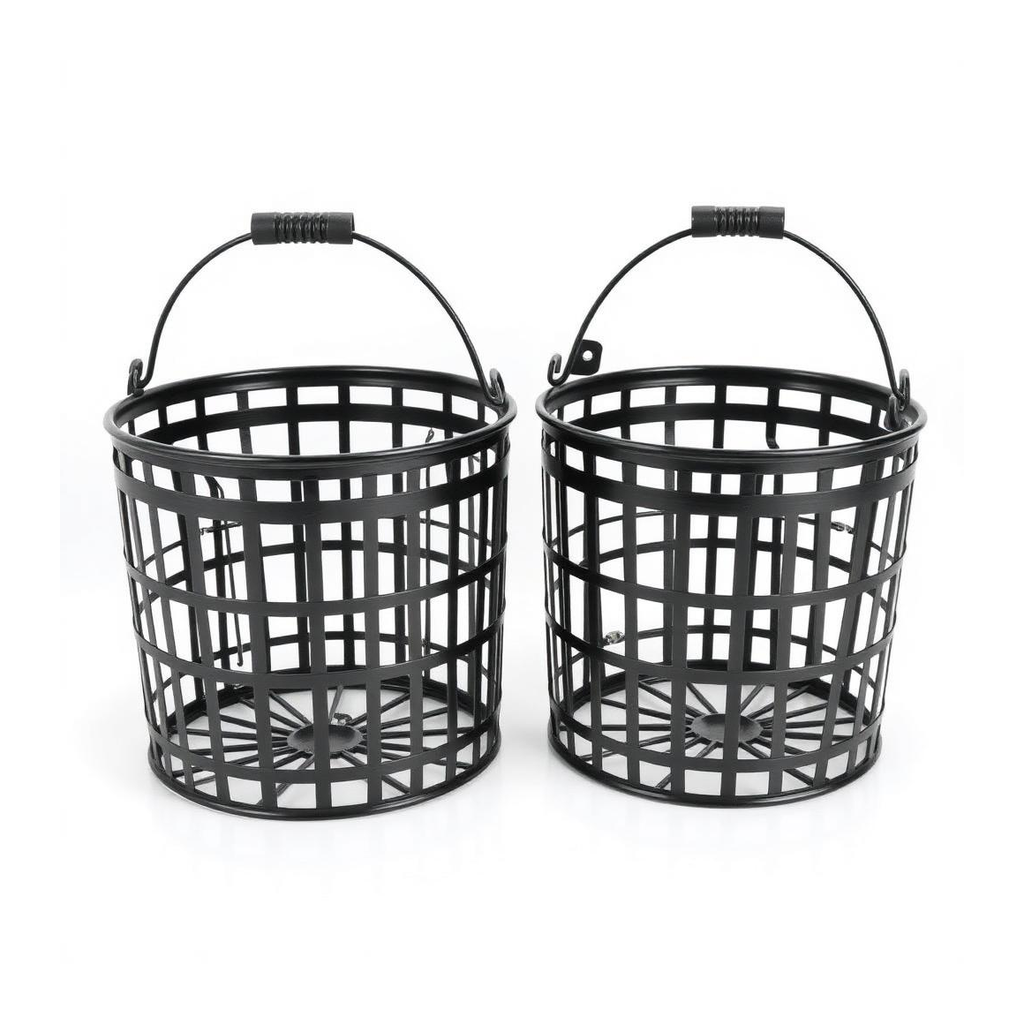
Use a charcoal divider or basket if you have one — keeps coals piled where you want them.
7
After dumping from the chimney, spread with long tongs into your chosen arrangement BEFORE putting the cooking grate back.
4. Wind (10% of cases)
What's happening
Wind affects charcoal grills more than people realize. A 10mph wind can drop your grill's internal temperature by 50-100°F. Strong winds blow through the bottom vents faster than coals can absorb the oxygen, paradoxically cooling rather than feeding the fire. They also pull heat out the top damper faster than it accumulates.
Symptoms
— Fire was fine yesterday but won't catch today
— Gust of wind = visible temp drop on the thermometer
— Coals on the windward side burn faster than the leeward side
How to fix it
Position the grill so the bottom vents face AWAY from the prevailing wind (not into it).
Set up a windbreak — solid wall, fence, or even a folded patio chair on the windward side.
Close the bottom intake vents to about 50% instead of fully open in heavy wind.
Open the top damper wider than usual to compensate for slower bottom intake.
For wind over 20mph: cancel and cook tomorrow, or move the grill into a sheltered spot.
Never grill in a fully enclosed space (garage, covered porch) — CO poisoning risk.
5. Closing the Lid Too Early (8% of cases)
What's happening
Charcoal needs sustained oxygen flow until it's fully lit. Closing the lid before the coals have caught fire properly suffocates them — they were trying to spread the flame but suddenly oxygen dropped. The general rule: keep the lid OFF until 80%+ of coals are gray-ashed.
Symptoms
— Coals look good when you close the lid, but 10 minutes later they're nearly dead
— Only the surface coals seem to ignite
How to fix it
Light coals in a chimney with the LID OFF the grill entirely.
Pour coals into the grill, then leave the lid OFF for another 5 minutes.
Only put the lid on when coals are 80%+ ash-gray on top.
Once the lid goes on, control temp with vents (not by removing the lid).
For Weber Kettle: lid notch should align with one of the bottom vents to direct airflow across coals.
6. Old or Moisture-Damaged Charcoal (8% of cases)
What's happening
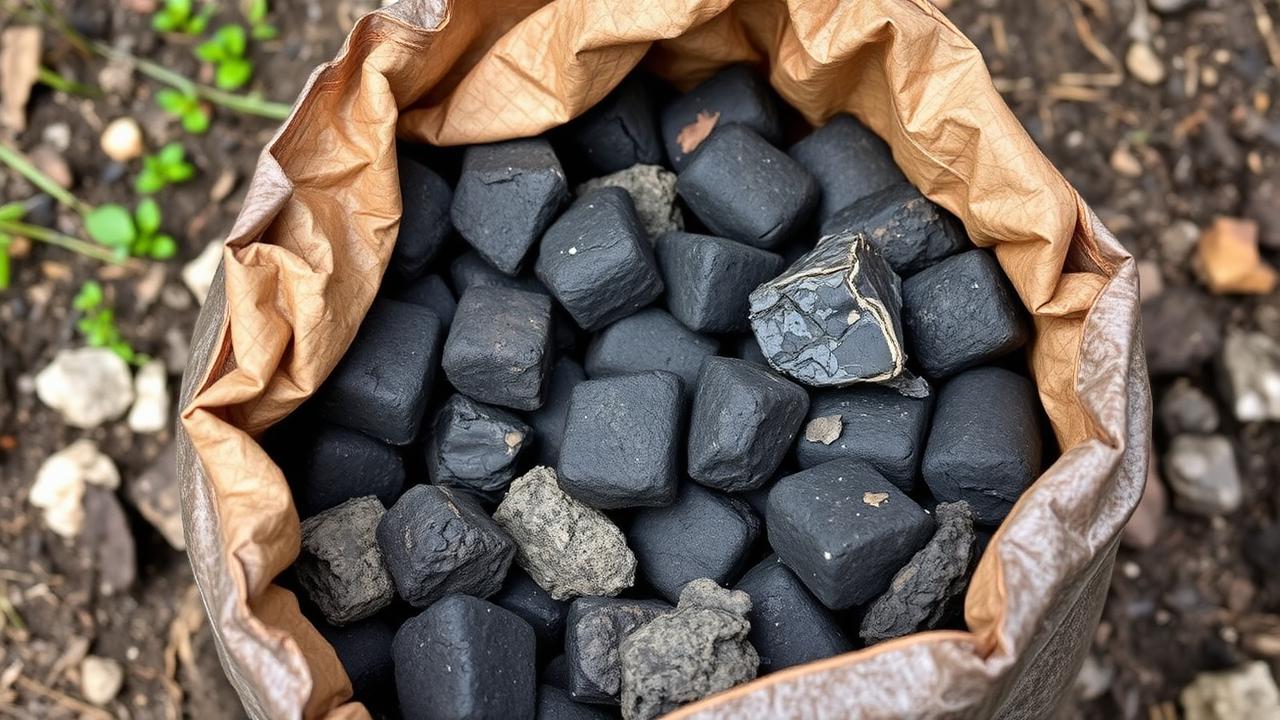
Charcoal absorbs moisture from the air. A bag that sat in your garage all winter is 5-15% water by weight — and water doesn't burn. Old or damp briquettes light reluctantly, smolder instead of catching, and produce mostly smoke. You're not crazy — last year's leftover charcoal really is harder to light.
Symptoms
— Charcoal smells musty
— Briquettes feel slightly soft (proper briquettes are rock-hard)
— Excessive white smoke at light-up
— Fire takes 30+ min in the chimney instead of 15-20
Squeeze test: a briquette you can dent with your fingernail is too damp.
Spread damp charcoal in the sun for a full day to dry it out (works for surface moisture only).
For deeply moisture-damaged charcoal: cut your losses, buy fresh.
Store new bags inside, in a sealed container — a galvanized trash can is the gold standard.
Don't store charcoal in the garage during humid summers either.
Keep the kettle itself dry between cooks. See our best grill cover guide for picks that fit Weber kettles and Performers.
7. Low-Quality Charcoal (4% of cases)
What's happening
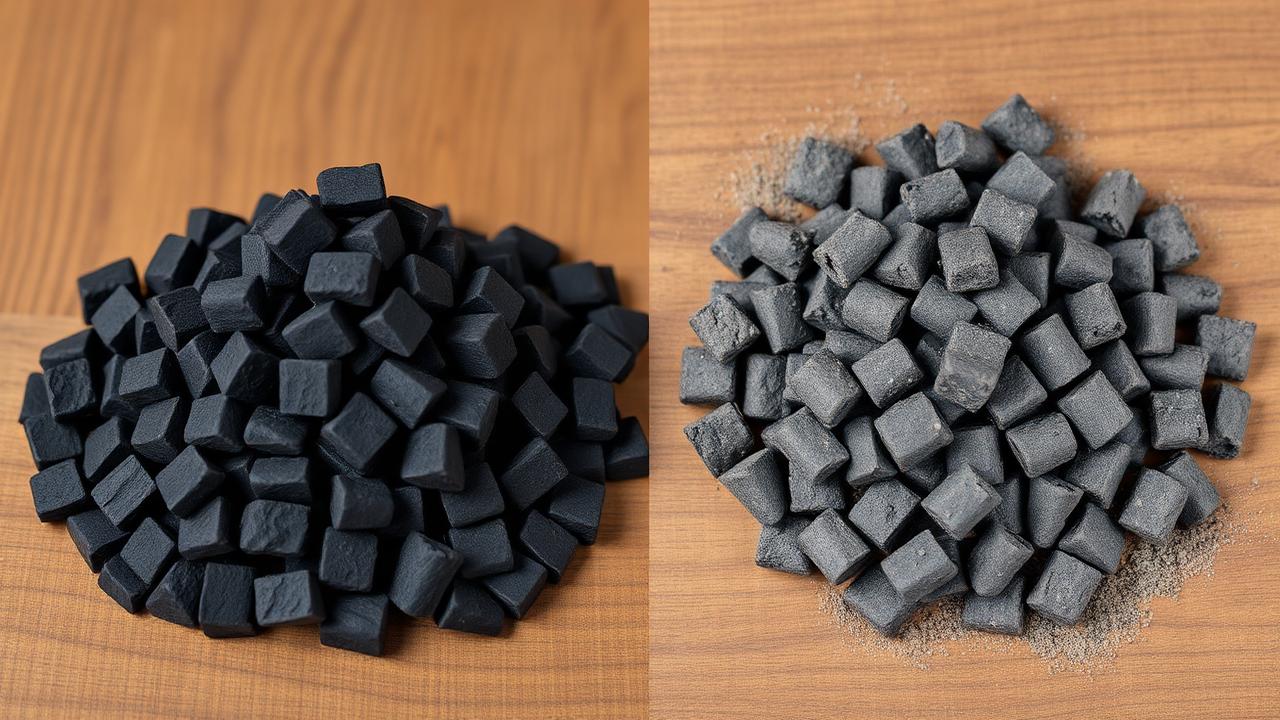
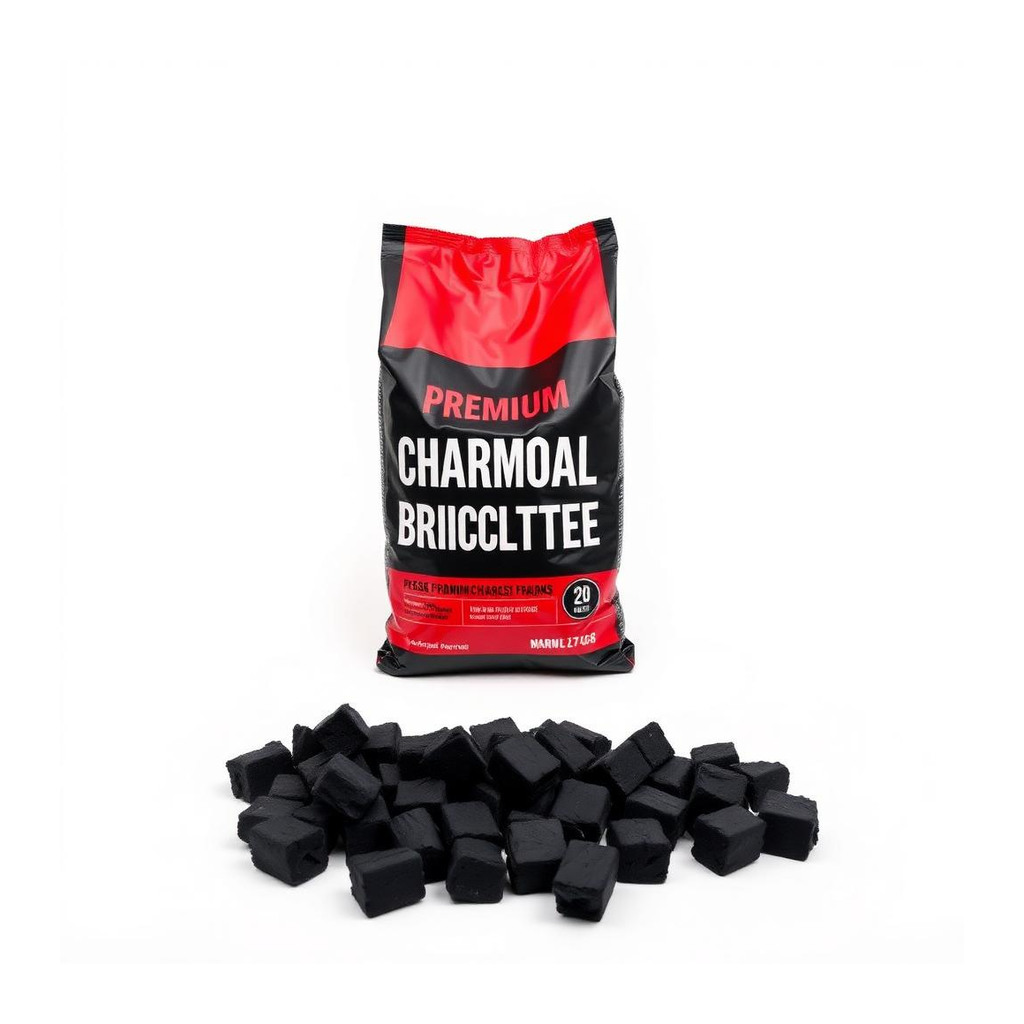
Not all charcoal is equal. Cheap briquettes contain anthracite coal, mineral binders, and fillers that don't burn well — they light slowly, produce more ash, and die faster. Premium briquettes (Weber, B&B, Kingsford Pro) and good lump charcoal (Royal Oak, Fogo, Jealous Devil) burn hotter and longer with less ash. If you've ruled everything else out, the fuel is the problem.
Symptoms
— You've ruled out the other 6 causes
— Premium charcoal works fine but the brand you have doesn't
— Excessive ash production (more than half the volume becomes ash)
How to fix it
For briquettes: stick with Weber, B&B Char-Logs, Kingsford Pro, Royal Oak.
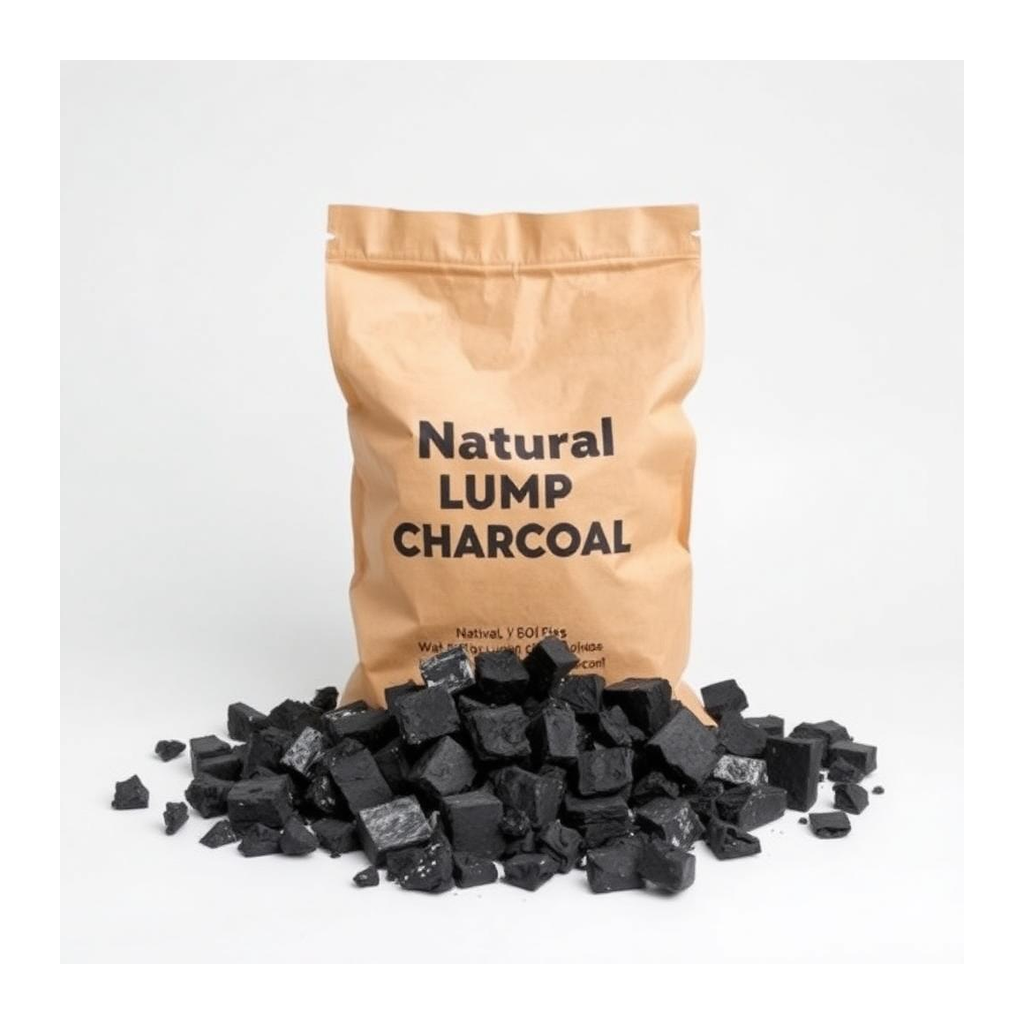
For lump: Royal Oak, Fogo, Jealous Devil, Big Green Egg.
Lump charcoal burns 25% hotter than briquettes but 30% shorter.
For long cooks (10+ hours), briquettes are actually better — more consistent.
For high-heat searing, lump is the better choice.
The Foolproof Method
The chimney starter method: how to light charcoal that stays lit
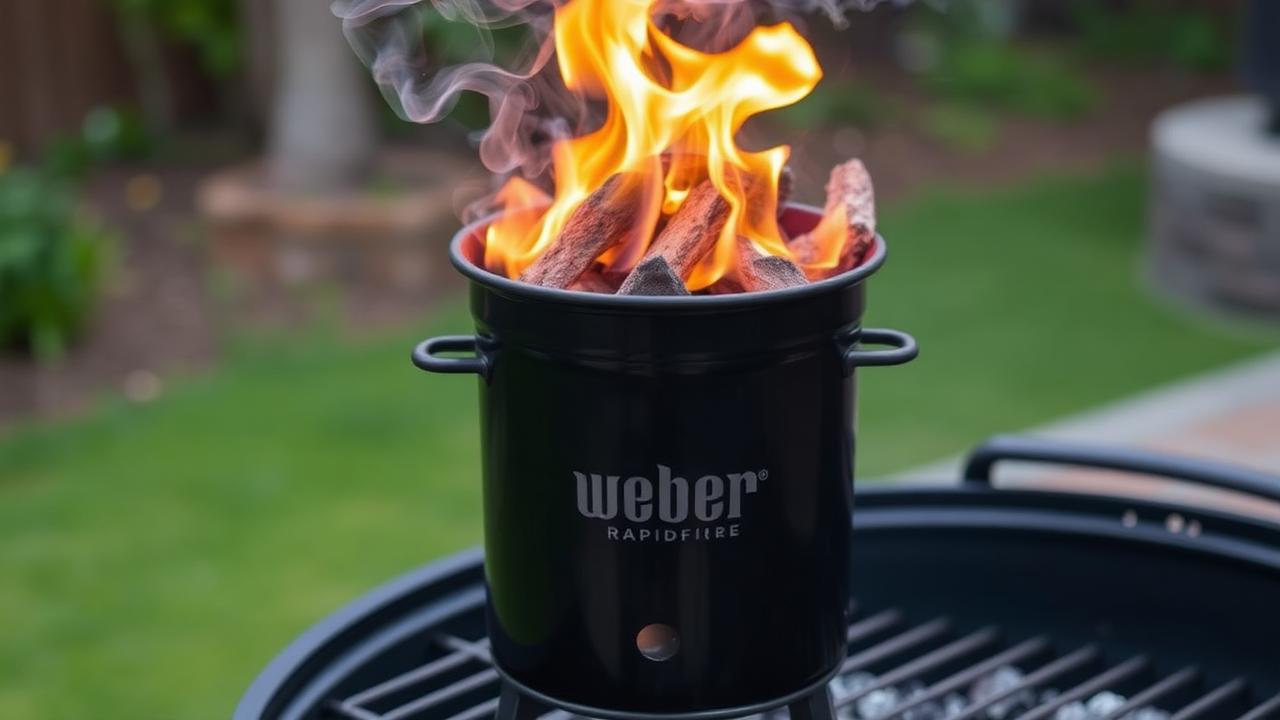
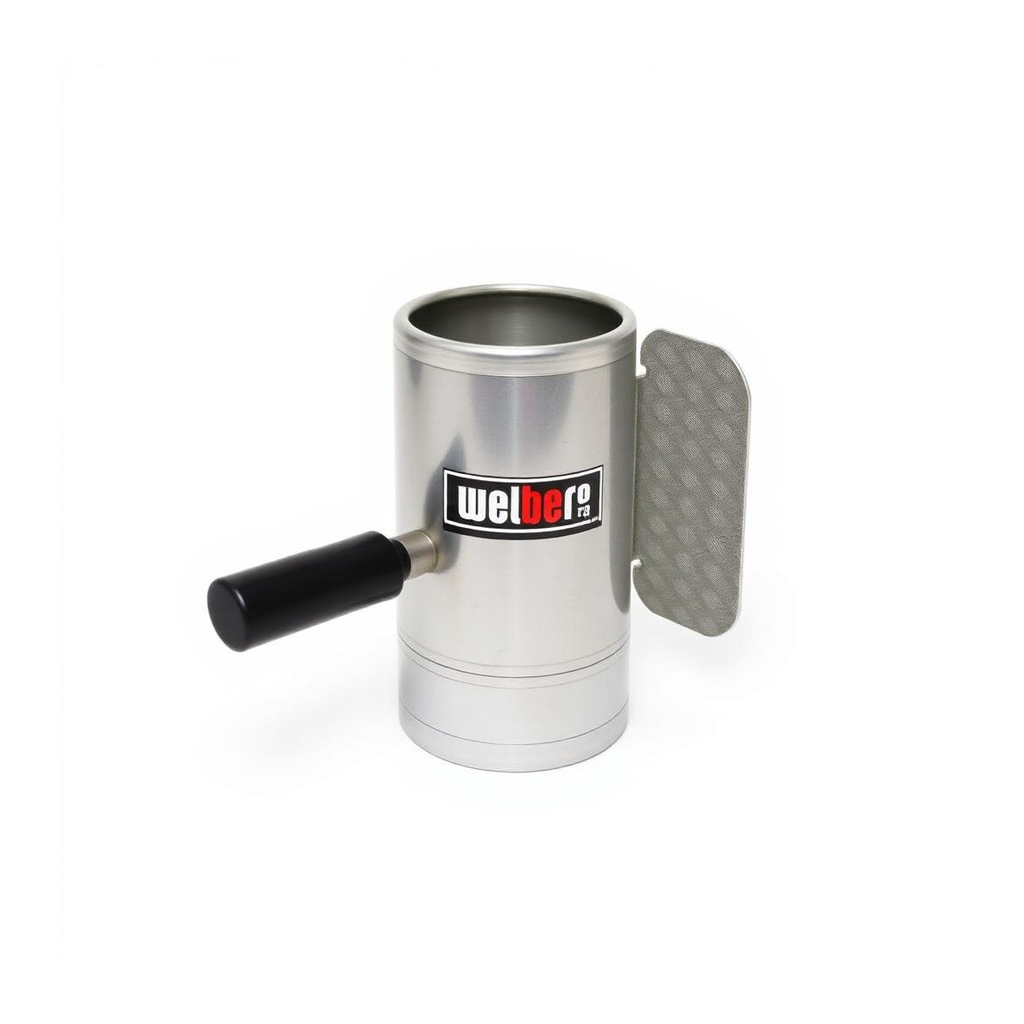
Forget lighter fluid. The chimney starter method gets coals fully lit in 15-20 minutes with no chemical taste, less smoke, and far better reliability than any other technique. If you do nothing else from this guide, do this.
1
Fill the chimney completely with charcoal — briquettes or lump.
2
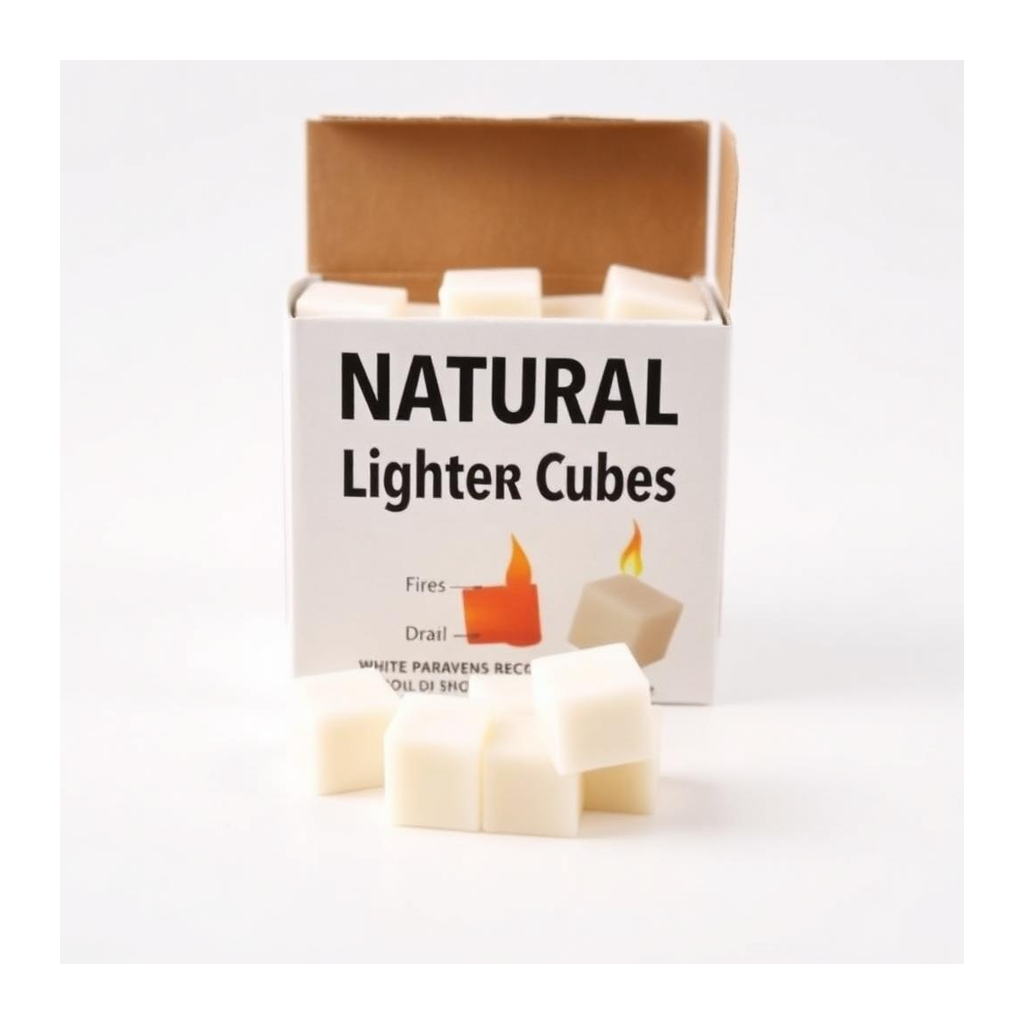
Crumple 2-3 sheets of newspaper or set 2 lighter cubes in the bottom chamber.
3
Place the chimney on the lower grate of your grill (or any safe heat-resistant surface).
4
Light the paper or lighter cubes through the bottom holes.
5
WAIT — don't rush. Coals at the bottom should glow red within 5 minutes.
6
After 15-20 minutes, the top coals should be 80% covered in gray ash.
7
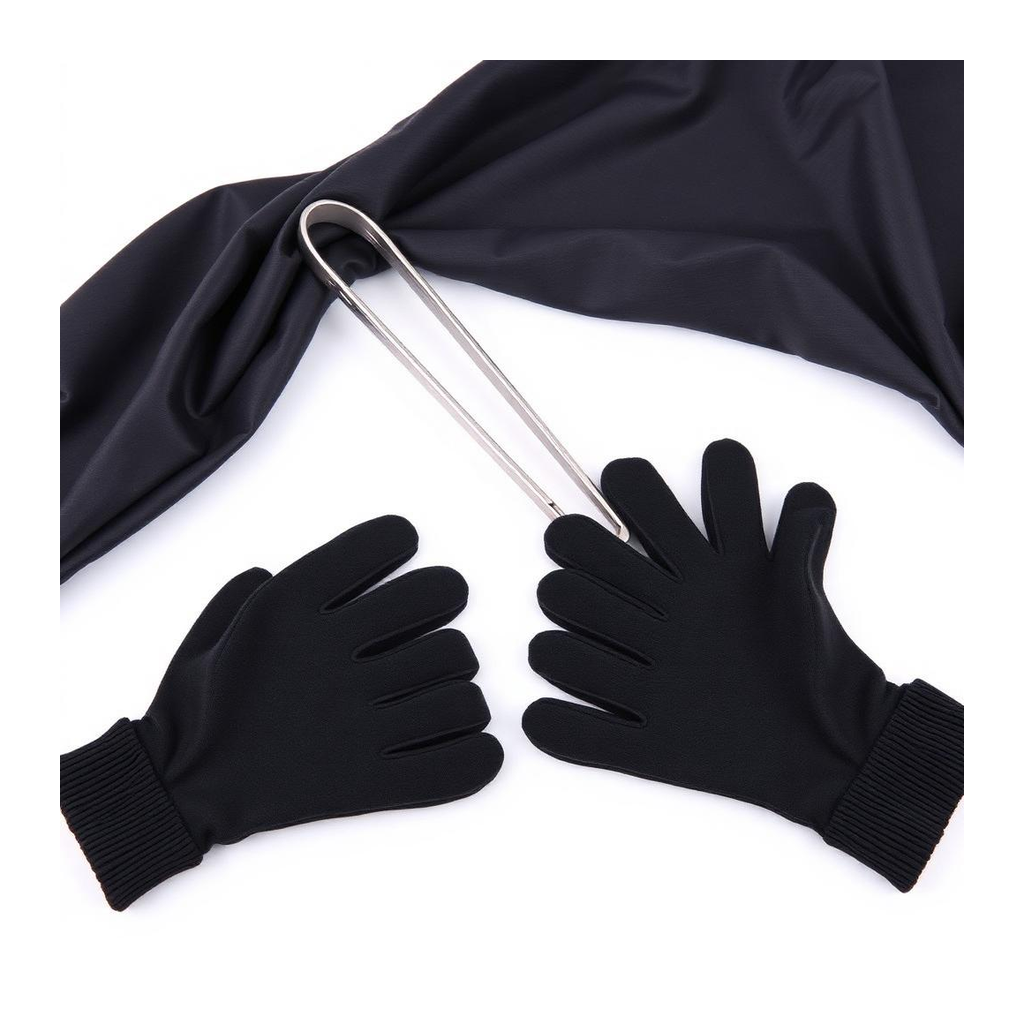
Pour the lit coals into the grill — wear heat-proof gloves, watch for wind.
8
Replace cooking grate, let it heat up for 5 minutes, then cook.
Visual Identification
How to tell when charcoal is ready
1
First 5 minutes: small flames at the bottom of the chimney, no gray ash yet — NOT READY.
2
10-15 minutes: flames have stopped, coals are glowing red-orange under a thin gray layer — ALMOST READY.
3
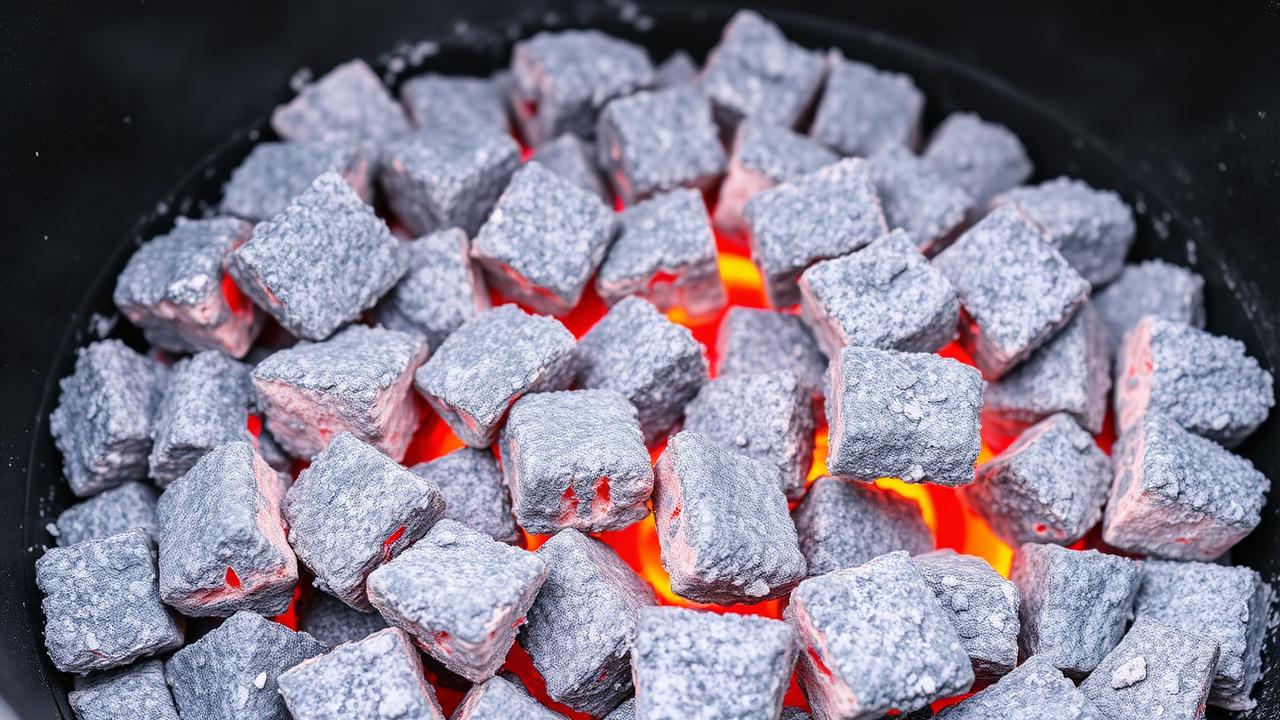
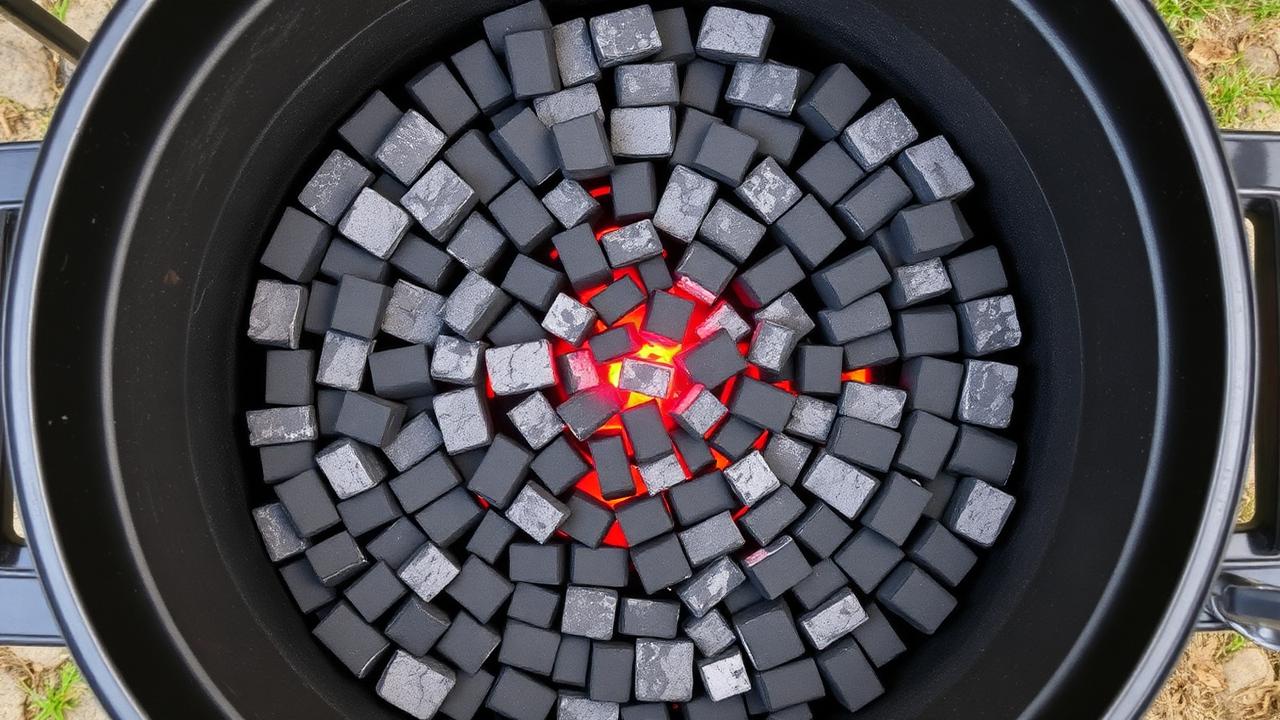
15-20 minutes: 80%+ of coals have a uniform gray ash coating, slight red glow visible underneath when you peek — READY, dump now.
Long-Cook Techniques
How to keep charcoal lit for 6+ hours
For brisket, pork shoulder, ribs, or any low-and-slow cook, you need charcoal that lasts. Two techniques make a single chimney last 6-12 hours.
The Minion Method (WSM, kamado)
— Place a large pile of UNLIT briquettes in the firebox
— Light a small amount of charcoal (8-12 briquettes) in a chimney
— Dump the lit coals on top of the unlit pile
— Lit coals slowly transfer flame to the unlit pile, extending burn time to 8-12 hours
— Works best for cooks at 225-275°F
The Snake Method (Weber Kettle)
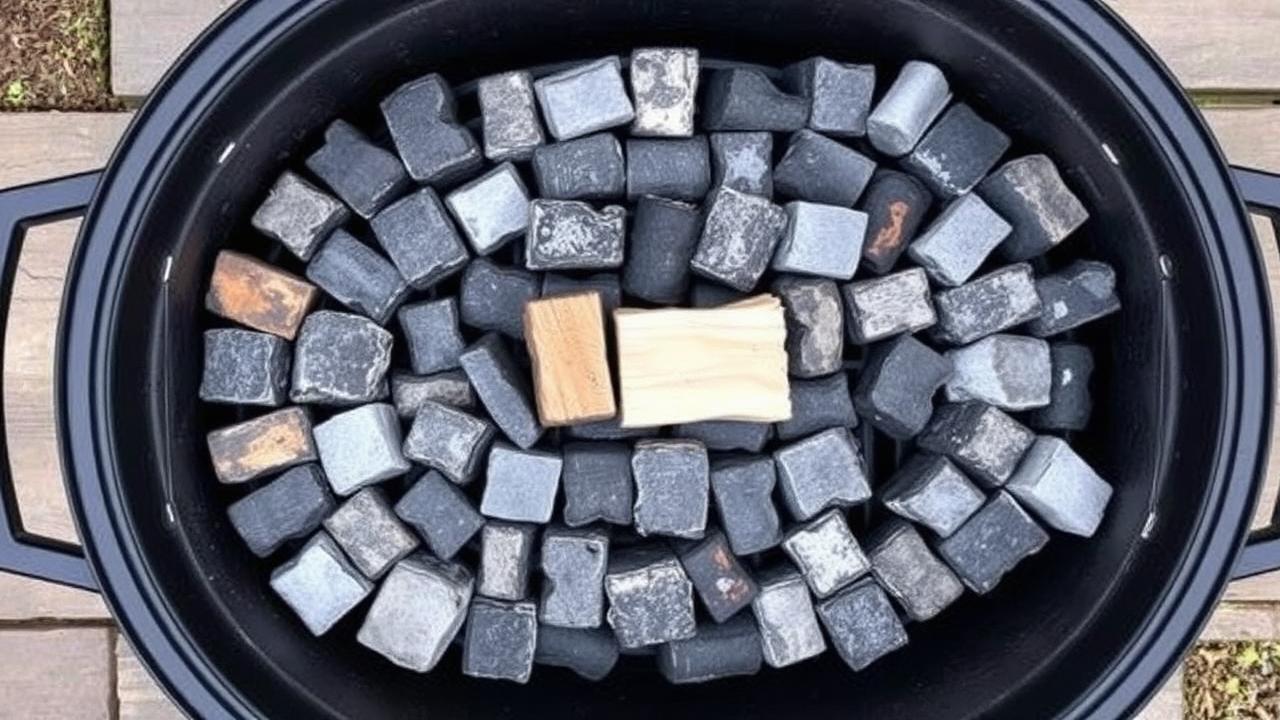
— Arrange unlit briquettes in a single curved line around the perimeter, 2 wide and 2 high
— Add wood chunks on top of the briquette snake at intervals for smoke
— Light only ONE END of the snake with 8-10 lit coals from a chimney
— The fire slowly burns along the snake — 6-8 hours of cooking time
— Works best at 225-250°F for brisket and pork shoulder
Refueling
How to add charcoal mid-cook without killing the fire
Long cooks sometimes need a refuel. Done wrong, fresh coals smother the existing fire.
Light a fresh half-chimney of coals 20 min before you'll need them.
Don't dump unlit coals directly on the existing fire — it suffocates the lit coals.
When adding lit coals: open the lid, push existing coals to one side, add new coals to the other side.
Briefly open both vents fully for 5 minutes after refueling — helps new coals catch.
Skip the refuel entirely if you're within 90 min of finishing — let the existing coals carry you home.
Grill-Type Notes
Quirks by charcoal grill type
Weber Kettle (22-inch, Master-Touch, Performer)
One-Touch sweeper handle is the #1 maintenance item. Empty ash catcher every 2-3 cooks. Vent dial on the lid corresponds to numbered positions — 1 (closed) to 5 (full open). See Weber charcoal accessories and the 22-inch Master-Touch review.
Weber Smokey Mountain (WSM)
Designed for the Minion method specifically. Water pan moderates temperature; keep it filled. Three burner doors at the bottom; don't open all three at once. See WSM parts guide.
Kamado grills (Big Green Egg, Kamado Joe)
Ceramic walls retain heat exceptionally well but airflow is more sensitive. Bottom intake AND top damper both have to be open precisely; small adjustments matter more than on a Kettle. Use lump charcoal exclusively, not briquettes.
Char-Griller / Char-Broil charcoal
Generally have larger air leaks than Weber; vent management matters less, fuel quality matters more. Use slightly more charcoal than you would in a Kettle of similar size.
Offset smokers
Different beast — firebox and cookbox are separate. Charcoal staying lit is rarely the problem; airflow between chambers usually is. Check that the firebox door, smokestack, and intake damper are all open during start-up.
Portable charcoal (Jumbo Joe, Smokey Joe)
Smaller capacity means smaller fires die faster. Use a half-chimney minimum. Don't expect 8-hour cooks from a 14-inch grill — these are designed for short, hot cooks like burgers and brats.
Without Lighter Fluid
How to light charcoal without lighter fluid
Lighter fluid works but leaves a chemical aftertaste, can flare dangerously, and isn't necessary. Better options:
Mid-range lump charcoal with consistent piece sizing. Better value than premium brands for most cooks. Burns hotter than briquettes — great for searing.
Bad advice that's keeping your fire from staying lit
❌ "Stack briquettes in a pyramid"
Outdated technique from before chimney starters existed. Slower, less reliable, more lighter fluid needed.
❌ "Pour lighter fluid on hot coals"
Dangerous (flashback risk) and unnecessary. Once coals are lit, they don't need more fluid.
❌ "Use newspaper as fuel under coals"
Newspaper burns out fast and leaves embers, not lit charcoal. It belongs in the chimney, not the firebox.
❌ "Blow on the coals to fan them"
Works briefly but raises ash into the air (and your food). Open the vents instead.
❌ "Cheap charcoal is fine if you use more of it"
More cheap charcoal = more cheap-charcoal taste, more ash, faster die-offs. Premium charcoal at half the volume outperforms.
Expectations
How long should charcoal stay lit?
Briquettes: 60-70 briquettes from a full chimney will burn at usable temperature for 60-90 minutes if you do nothing to extend them. For longer cooks, add coals or use the Minion/Snake methods.
Lump charcoal: burns 25% hotter but 30% shorter — expect 45-60 minutes of usable heat from the same volume. Bigger pieces last longer than smaller ones.
A "dying fire" within 20 minutes is NOT normal — that's a problem to fix. A fire fading after 90 minutes is just charcoal physics — it's done its job.
Prevention · Every Cook
The pre-cook checklist for a fire that stays lit
Empty the ash catcher BEFORE every cook (or every 2-3 cooks at minimum).
Open both vents fully BEFORE lighting.
Use a chimney starter — every time, no exceptions.
Fill the chimney completely — minimum 60-70 briquettes for standard grills.
Wait 15-20 minutes — 80%+ of coals should be ash-gray before pouring.
Keep the lid OFF until coals are dumped and arranged.
Position the grill away from prevailing wind, or use a windbreak.
Store charcoal indoors in a sealed container — moisture is the enemy.
FAQ
Frequently asked questions
Why does my charcoal keep going out?
Charcoal goes out for one of seven reasons: blocked airflow from a full ash catcher, closed bottom vents, too few coals to sustain combustion, old or moisture-damaged charcoal, wind cooling the fire, the lid closed too soon before coals fully caught, or low-quality fuel. The single most common cause is a full ash catcher choking the bottom intake vents. Empty it before every cook and the problem usually disappears.
Why won't my charcoal stay lit?
Charcoal that won't stay lit almost always traces to airflow, fuel quantity, or fuel quality. Open both vents fully, use a chimney starter with a full load (60-70 briquettes), and pour the coals only when 80%+ are gray-ashed. If your charcoal grill won't stay lit even after that, the bag of charcoal is probably old and needs to be replaced.
How do I keep my charcoal grill lit?
Three rules: (1) empty the ash catcher and open both vents before every cook, (2) use a chimney starter with a full load of charcoal — never spread coals thin and try to light them in place, (3) leave the lid OFF until 80% of the coals are ash-gray, then close it and control temperature with the bottom vent only. That covers 95% of charcoal grilling.
How do I get charcoal to stay lit?
Use a chimney starter every time. Fill it completely (60-70 briquettes for a standard chimney). Light it with newspaper or lighter cubes from the bottom. Wait 15-20 minutes until the top coals are covered in gray ash. Pour into a clean grill with both vents wide open. This is the single most reliable way to get charcoal to stay lit.
How do I tell if charcoal is fully lit?
Charcoal is fully lit when 80% or more of the coals on top of the chimney are coated in a uniform gray ash layer, with red glow visible underneath when you peek. If you still see flames or black coals on top, wait longer. Pouring before the coals are fully ashed is the most common reason a fire dies within 20 minutes.
How long does charcoal stay lit?
A full chimney of briquettes (60-70) burns at usable cooking temperature for 60-90 minutes if you do nothing to extend them. Lump charcoal burns 25% hotter but 30% shorter — expect 45-60 minutes from the same volume. For longer cooks, use the Minion method (Weber Smokey Mountain) or Snake method (Weber Kettle) to make a single chimney last 6-12 hours.
Are charcoals supposed to stay lit on their own?
Yes — once charcoal is fully lit (80% gray ash) it should burn at usable cooking temperature for at least 60 minutes with no intervention besides vent control. If your coals consistently die within 20 minutes, that's a problem to fix — usually airflow (vents or ash catcher) or fuel quality, not the amount of charcoal.
How do I light charcoal without lighter fluid?
Five better options: (1) chimney starter with crumpled newspaper, (2) lighter cubes (Weber, Fire Up) — 2 cubes light a full chimney, (3) electric charcoal starter wand, (4) tumbleweeds or fatwood fire starters, (5) a propane or MAP gas torch. The chimney starter with newspaper is free and works in 15-20 minutes with no chemical taste.
How do I keep charcoal lit in the wind?
Position the grill so the bottom vents face AWAY from the prevailing wind, not into it. Set up a windbreak — a solid wall, fence, or even a folded patio chair on the windward side. In heavy wind, close the bottom vent to about 50% (counterintuitive but it stops wind from blowing through faster than coals can absorb the oxygen) and open the top damper wider to compensate. For wind over 20mph, cancel and cook tomorrow.
Can I add fresh charcoal to a lit grill?
Yes, but light the new coals separately first. Don't dump unlit briquettes directly onto an existing fire — they smother the lit coals before they catch. Light a half-chimney 20 minutes before you'll need them, push existing coals to one side, and add the new lit coals to the other side. Open both vents fully for 5 minutes after refueling to help the new coals catch.
Why does my charcoal die when I close the lid?
You're closing the lid before the coals are fully lit. Charcoal needs sustained oxygen until 80%+ of the coals are gray-ashed. Closing the lid early suffocates them mid-ignition. Keep the lid OFF the entire time the coals are in the chimney, and for another 5 minutes after pouring. Only put the lid on when the coal bed is fully gray on top.
Is lump charcoal or briquettes better for staying lit?
Briquettes are more consistent and burn longer (60-90 min for a chimney) — better for long cooks, smoking, and anyone learning charcoal grilling. Lump burns 25% hotter but 30% shorter — better for high-heat searing. Lump is also more sensitive to airflow and can die faster in poor conditions. For staying lit reliably, briquettes win.
Why won't Kingsford charcoal stay lit?
Kingsford Original lights and burns reliably when fresh. If yours won't stay lit, the most likely culprits are: a moisture-damaged bag (Kingsford absorbs humidity faster than premium brands), too few briquettes in the chimney, or blocked airflow from a full ash catcher. Try a full chimney (60-70 briquettes) from a fresh bag stored indoors and most Kingsford problems disappear.
How do I keep a Weber Kettle lit for 6 hours?
Use the Snake method. Arrange unlit briquettes in a curved line around the perimeter of the charcoal grate, 2 wide and 2 high. Add wood chunks on top of the snake at intervals for smoke. Light only ONE END of the snake with 8-10 lit coals from a chimney. The fire slowly burns along the snake — 6-8 hours of cooking time at 225-250°F. Keep both vents open about a quarter of the way.
What is the Minion method?
The Minion method (developed for the Weber Smokey Mountain) places a large pile of unlit briquettes in the firebox, then drops 8-12 lit coals on top. The lit coals slowly transfer flame to the unlit pile underneath, extending burn time to 8-12 hours at 225-275°F. It's the standard technique for low-and-slow cooks on the WSM and works on kamado grills too.
What is the Snake method?
The Snake method is the Weber Kettle equivalent of the Minion method. Briquettes are arranged in a single curved line (a 'snake') around the perimeter of the charcoal grate — 2 wide and 2 high — with wood chunks on top for smoke. Lighting only one end of the snake produces a slowly creeping fire that lasts 6-8 hours, perfect for brisket and pork shoulder.
How many briquettes do I need for a Weber Kettle?
A full standard chimney holds 60-70 briquettes — that's the minimum for a 22-inch Weber Kettle. For a 26-inch Master-Touch, use 80-90. For an 18-inch Original Kettle, 45-55. Going below the minimum is the second-most-common reason charcoal won't stay lit — coals can't sustain each other's heat below a critical mass.
Why does my charcoal produce too much ash?
Excessive ash usually means low-quality charcoal — generic store-brand briquettes use more mineral fillers than premium brands, and a higher percentage of the briquette becomes ash instead of heat. If more than half the volume of your fire becomes ash, switch brands. Premium briquettes (Weber, B&B Char-Logs, Kingsford Pro) and good lump (Royal Oak, Fogo) produce 30-40% less ash.
Can old charcoal go bad?
Yes. Charcoal absorbs moisture from the air. A bag that's been in your garage all winter is 5-15% water by weight, and water doesn't burn. Old or damp briquettes light reluctantly, smolder instead of catching, and produce mostly smoke. Briquettes you can dent with your fingernail are too damp. Store charcoal indoors in a sealed container — a galvanized trash can is the gold standard.
How do I store charcoal so it stays dry?
Indoors, in a sealed container. A galvanized metal trash can with a tight lid is the gold standard — keeps moisture and pests out. Plastic storage bins work too. Avoid: garages during humid summers, basements with concrete floors (concrete wicks moisture), unsealed paper bags. A 40-pound bag stored properly stays usable for 2+ years.
Why is my kamado / Big Green Egg charcoal dying?
Kamado grills retain heat exceptionally well but airflow control is more sensitive than on a Kettle. Both the bottom intake AND the top damper have to be open precisely — small adjustments matter more. Use lump charcoal exclusively (briquettes leave too much ash for the small firebox), light a smaller area than you would on a Kettle, and don't close the top damper too far when you reach target temperature.
What's the best charcoal that stays lit longest?
For burn time: Weber Briquettes and B&B Char-Logs hold heat longest (90+ minutes from a chimney load). For high-heat performance: Royal Oak Lump and Fogo Lump burn hotter but shorter (45-60 min). For long cooks (10+ hours), briquettes outperform lump because they're more consistent. Avoid 'instant light' or match-light products — they burn fast and add chemical taste.
Three pieces of gear cover 95% of charcoal grilling problems — a quality chimney starter, premium briquettes, and a charcoal divider for two-zone cooking.