Live Guide · Traeger Troubleshooting

Traeger Auger Jammed, Stuck, or Not Turning? Complete Fix Guide

Auger not turning, grill won't start, or hearing a grinding sound from the hopper? Auger problems are the most common reason a Traeger fails mid-cook — and 70% of the time it's wet pellets, not a broken part. This guide covers the 6 causes (in order of likelihood), step-by-step procedures to clear jams, clean the auger, prime it correctly, and replace the motor or shear pin when DIY won't fix it. Pro 22, Pro 34, Pro 575, Pro 780, Ironwood, Timberline, Woodridge, Ranger, Scout — all models covered.

16 min read Updated May 2026 Independently researched

Quick Answer · 60 seconds

Why won't my Traeger auger turn?

A Traeger auger that won't turn has 6 likely causes: (1) wet pellets compacted into a jam — most common, fixed by emptying the hopper and dislodging the plug, (2) sheared shear pin between motor and auger, (3) failed auger motor (rare but possible), (4) controller fault preventing the motor from running, (5) electrical disconnect in the wiring, or (6) brand-new grill that needs initial priming. Most jams clear in 15-20 minutes without replacement parts.

First · 60 seconds

Is your auger actually jammed?

Three quick tests separate a jammed auger from a motor failure or controller fault. Run them before you take anything apart.

Test 1 — Listen test

Power on the grill. Within 30 seconds you should hear the auger motor running — a slow, steady grinding sound about once every 15-20 seconds (the motor pauses between feeds). NO SOUND at all? The motor isn't running — likely electrical or controller issue, not a jam. CONTINUOUS LOUD GRINDING? The motor is straining against a jam.

Test 2 — Pellet flow test

With the grill on, remove the cooking grate and drip tray. Look down into the fire pot. After 60 seconds, you should see fresh pellets dropping in. NO PELLETS? Auger isn't feeding (jam OR electrical). PELLETS PRESENT but grill won't reach temp? Different problem — see our Traeger error codes page for LEr (low temp error) troubleshooting.

Test 3 — Visual hopper check

Empty the hopper completely. Shine a flashlight down to the bottom — you should see the auger shaft turning slowly. NOT TURNING? Could be jam OR motor failure — the procedures below distinguish them.

Diagnose your problem

What's causing your auger problem?

Match your symptoms to the right cause. Each one links to the fix.

Video Guide

Watch: Clearing a Traeger auger jam

A walkthrough of the wet-pellet clear procedure, auger removal, and motor inspection — on a Traeger Pro 780.

Video walkthrough coming soon

All 6 Causes

The 6 causes of Traeger auger problems (ranked by likelihood)

Auger issues are the #1 reason a Traeger fails mid-cook. The good news: 70% of cases trace back to wet pellets, which is a free fix. We've ranked these from most common to least common.

1. Wet Pellet Jam (45% of cases)
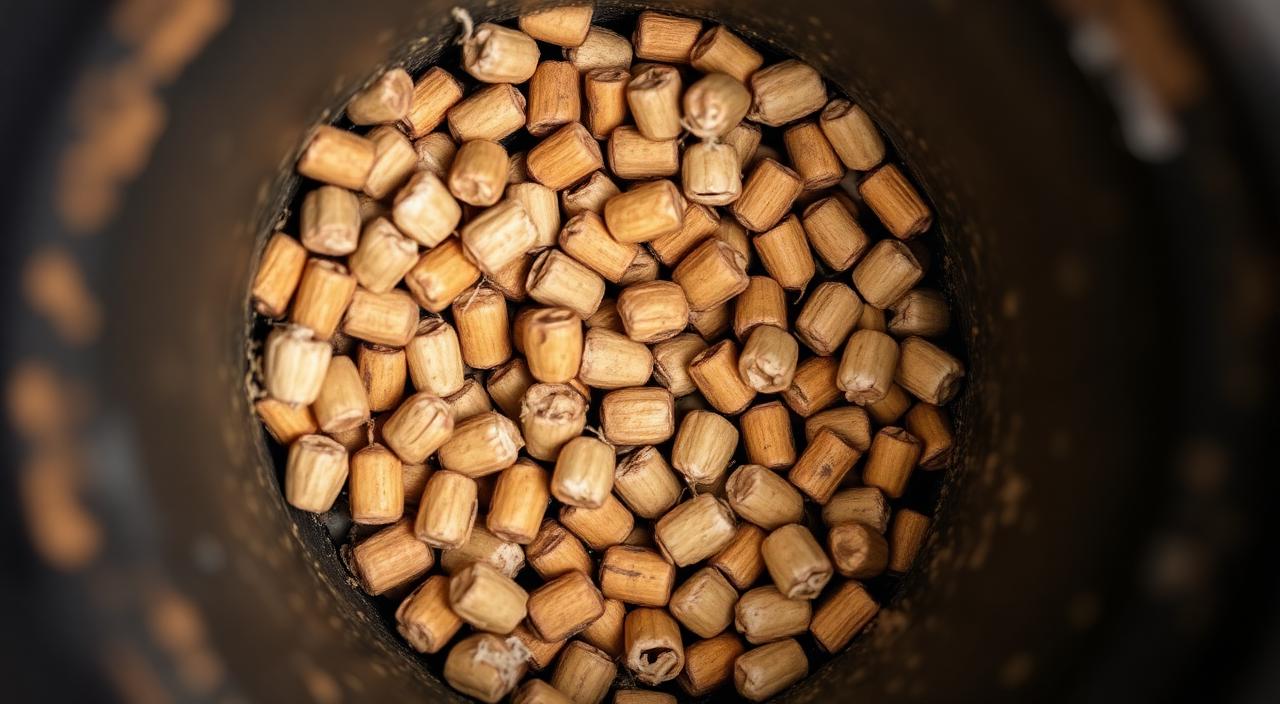
Wet, swollen Traeger pellets compacted into a jam in the auger tube

What's happening

Traeger pellets are compressed sawdust held together by lignin (a natural wood binder). When moisture reaches them — from humid air, rain, or condensation in the hopper — pellets swell, expand, and bond together. The expanded mass jams in the auger tube, where the spiral can't push it forward.

This is the #1 auger problem on every Traeger model — Pro 22, Pro 34, Pro 575, Pro 780, Ironwood, Timberline, Woodridge, Ranger, Scout, Tailgater. It's especially common after the grill sits unused for weeks, after a rainstorm with the cover on (humidity gets trapped), or anywhere humid summers are the norm. People assume their auger or motor is broken; almost always, it's just water-damaged pellets.

Symptoms

  • — Pellets in the hopper but none reaching the fire pot
  • — Auger motor sounds like it's straining (slower or grinding)
  • — The bottom of the hopper has soft or swollen pellets
  • — Recent humid weather, rain, or grill stored uncovered

How to fix it

  1. 1

    Power OFF the grill completely and unplug it (do NOT just turn off — wait for full power-down).

  2. 2

    Empty the hopper of ALL pellets by hand — scoop them out into a bucket, save dry ones for later.

  3. 3

    Vacuum any remaining pellet dust from the hopper bottom.

  4. 4

    With the hopper completely empty, you can now see the auger shaft. Try to manually turn it by hand (clockwise from the front of the grill).

  5. 5

    If you feel resistance halfway down, that's the wet-pellet plug. Use a long wooden dowel or chopstick (NEVER metal) to push the plug back into the hopper from the fire pot side.

  6. 6

    Remove the loosened wet pellets from the hopper — DO NOT try to feed them through; they'll re-jam.

  7. 7

    Refill with fresh, dry pellets only — confirm they're not from the same bag that caused the jam.

  8. 8

    Power on the grill and run the priming procedure (see Section 7 below) before the first cook.
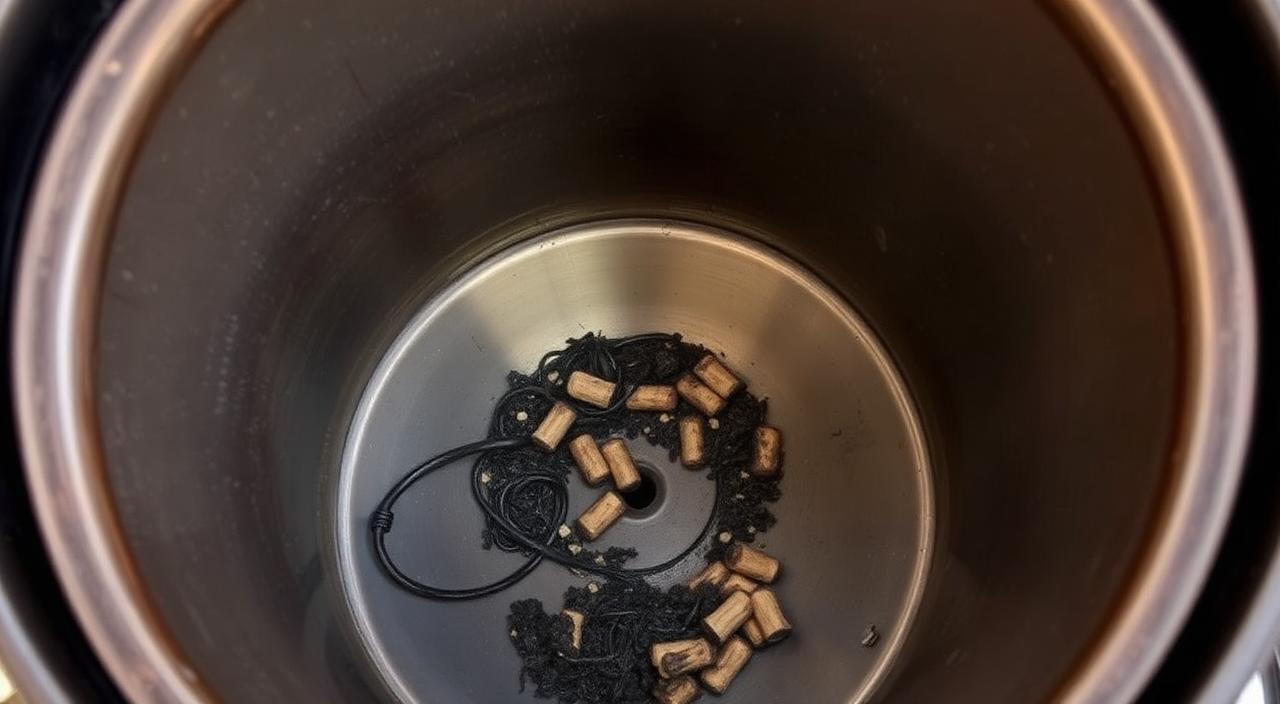
2. Brand-New Grill or Empty Auger (15% of cases)

Empty Traeger auger tube visible from the fire pot end

What's happening

A brand-new Traeger ships with an empty auger tube. Same goes for any Traeger that ran out of pellets mid-cook. The auger spiral has nothing to grip — it spins but doesn't move pellets forward until the tube fills. This isn't a fault, it's expected behavior the manual underexplains.

Symptoms

  • — Brand-new grill on first startup
  • — Recent run-out of pellets mid-cook
  • — No error code, auger sounds normal
  • — Pellets aren't flowing yet despite fresh fill

How to fix it

  1. 1

    Fill the hopper at least halfway with fresh dry pellets.

  2. 2

    Run the priming sequence: turn the controller to SMOKE or set 150°F, leave on for 3-4 minutes.

  3. 3

    Open the lid and watch the fire pot — pellets should begin dropping after 2-4 minutes.

  4. 4

    Once pellets are dropping, you can ignite normally or set your target temperature.

  5. 5

    For models without explicit prime mode: set to LOW (150°F) and run for 4 minutes before ignition.

  6. 6

    The auger is 'primed' once pellets reach the fire pot — you do NOT need to re-prime between cooks unless you let it run completely empty.

3. Sheared Shear Pin (15% of cases)

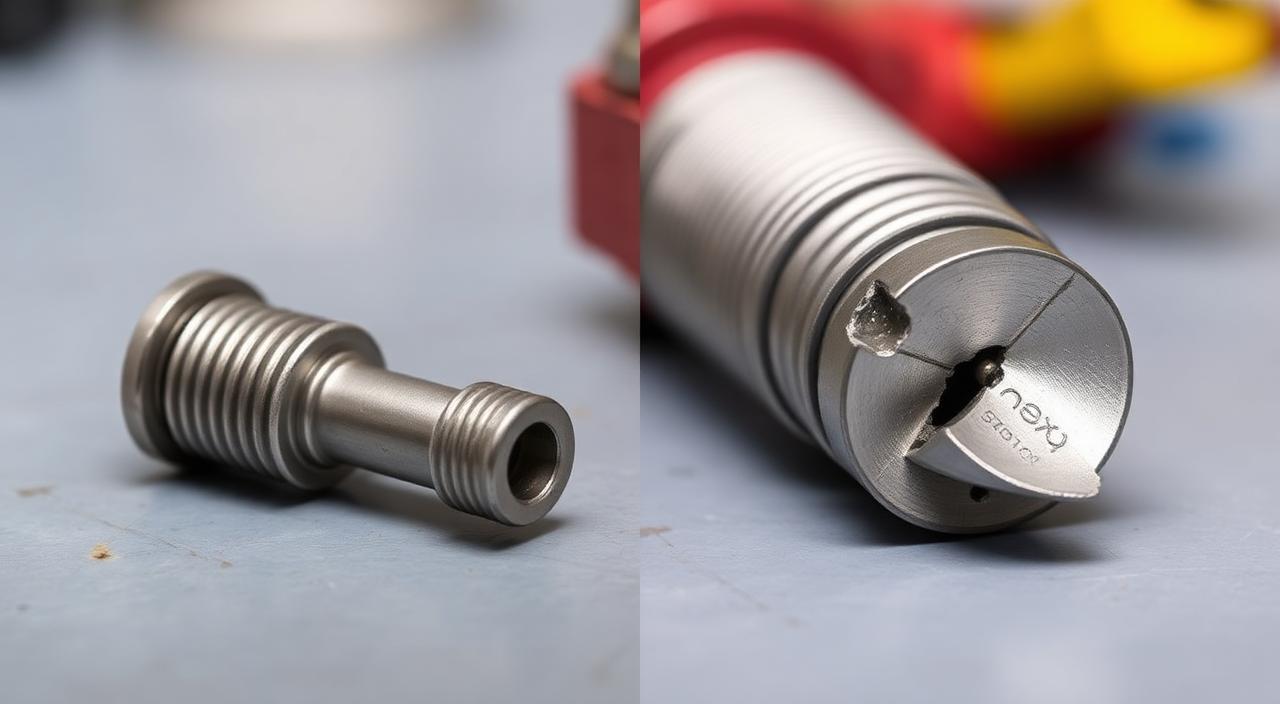
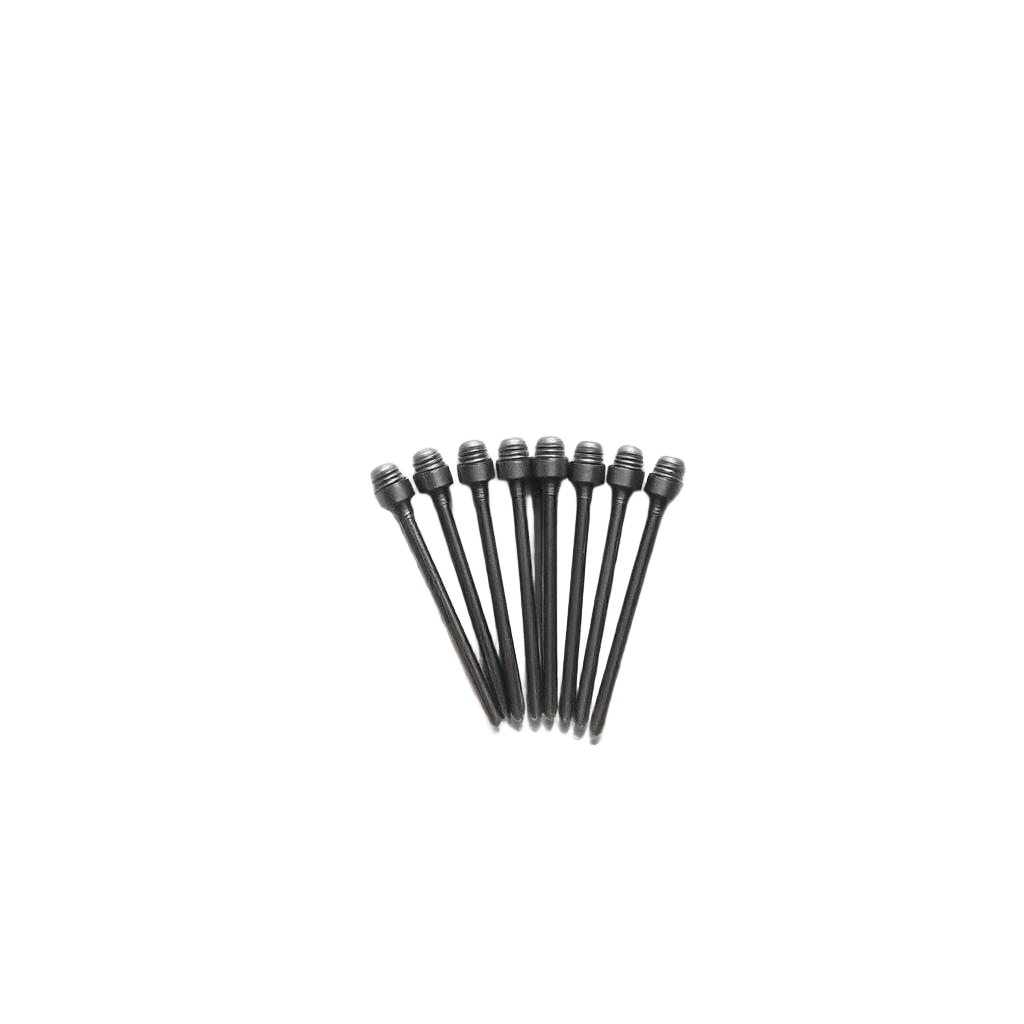
Traeger shear pin location showing intact vs sheared comparison

What's happening

Between the auger motor and the auger shaft, most Traeger models have a small metal "shear pin" — a deliberate weak point designed to break before the motor does. When the auger jams (often from foreign objects or extremely dense compacted pellets), the shear pin breaks instead of the motor. Result: motor spins, auger doesn't.

Symptoms

  • — Motor sounds completely normal (same speed as before)
  • — No error code displayed
  • — But no pellets feeding to the fire pot
  • — Recent hard jam (foreign object, dense compaction)

How to fix it

  1. 1

    Power OFF and unplug the grill.

  2. 2

    Empty the hopper completely.

  3. 3

    Access the back panel — typically held by 4-6 screws.

  4. 4

    Locate the auger motor (mounted to the back of the hopper).

  5. 5

    The shear pin is in the coupling between the motor shaft and auger shaft — usually a small steel pin going through both.

  6. 6

    If the pin is sheared, fragments may have fallen into the auger tube — vacuum these out.

  7. 7

    Insert a replacement shear pin (Traeger sells these for $5-10; aftermarket equivalents work).

  8. 8

    Reassemble and test.

4. Loose Wiring or Electrical Disconnect (10% of cases)

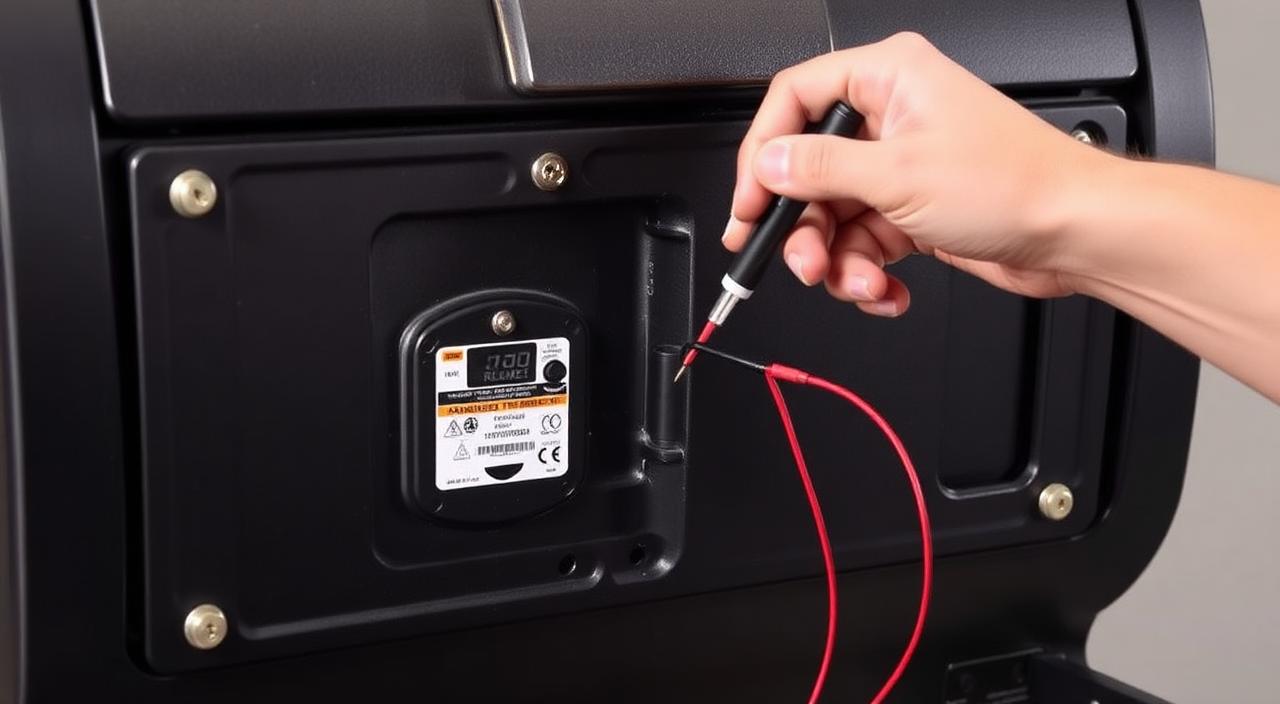
Traeger auger motor wiring harness connection visible at the back panel

What's happening

The auger motor connects to the controller via a 2-wire harness. Vibration, age, or rodent damage can loosen this connection. The controller tells the motor to run, but the signal doesn't reach it. This is what triggers the "Auger Disconnect" error on newer Traegers.

Symptoms

  • — Intermittent operation (works sometimes, not others)
  • — Recent power-cycle made it worse
  • — Controller shows "Auger Disconnect" or similar error

How to fix it

  • Power OFF and unplug.
  • Open the back access panel.
  • Locate the 2-wire harness from the controller to the auger motor.
  • Disconnect the harness, inspect for corrosion or burn marks.
  • Reseat firmly — should click into place.
  • Power on and test.
  • If error persists, the wiring harness itself needs replacement (rare).

5. Failed Auger Motor (8% of cases)

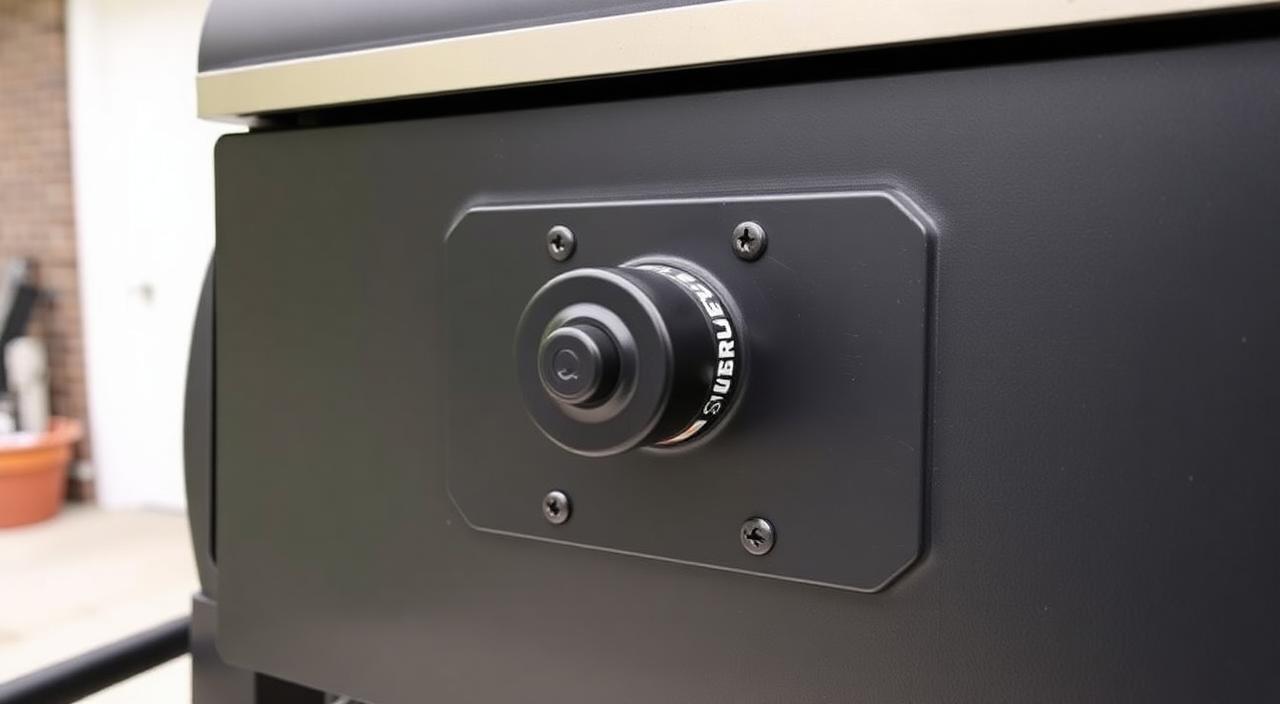
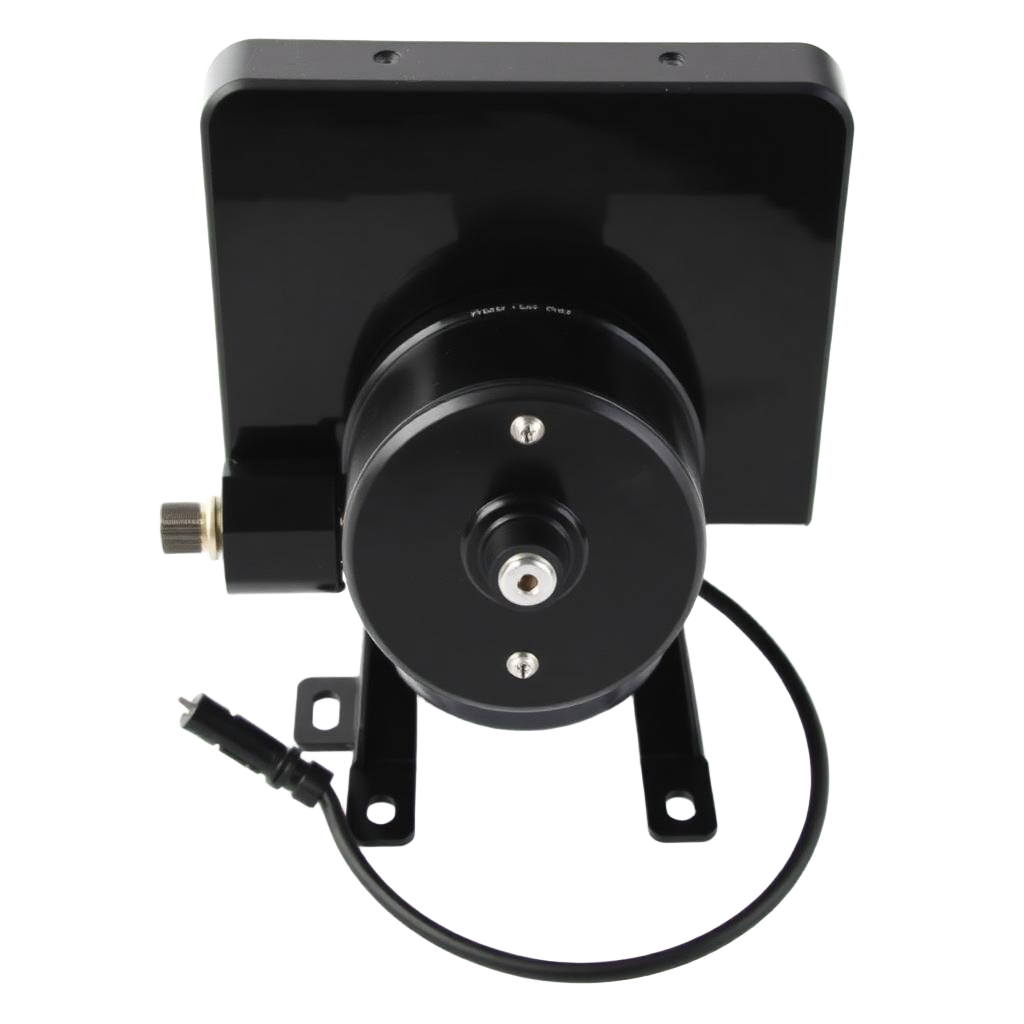
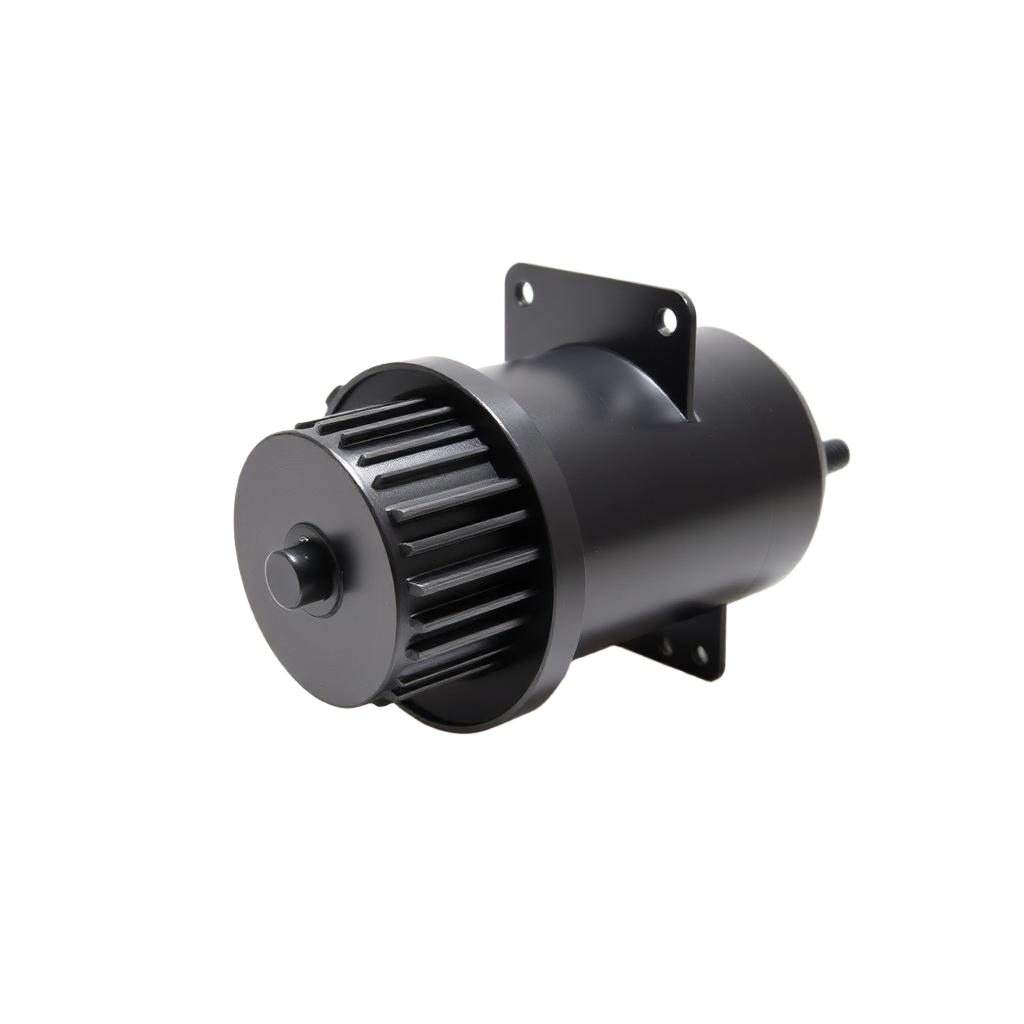
Traeger auger motor mounted to the back of the hopper showing replacement candidate

What's happening

The auger motor is a small electric gearmotor rated for thousands of hours of use, but it does eventually fail. Usually you'll hear it before it dies — grinding, slower-than-normal rotation, intermittent operation, then nothing. Average lifespan: 5-8 years of regular use.

Symptoms

  • — No sound at all from the auger area (motor isn't running)
  • — Worked yesterday but completely silent today
  • — Motor is more than 5 years old
  • — Intermittent failures preceded the complete stop

How to fix it

  • Confirm with a multimeter: 120V at the motor terminals when the grill should be running the auger.
  • If 120V is present but motor doesn't run → motor is dead, replace.
  • If no 120V → controller or wiring issue, not the motor.
  • Replacement is straightforward DIY: remove 2-4 screws, disconnect wiring, swap motor, reverse the process.
  • Time to replace: 30-60 minutes.
  • Cost: $40-80 for the motor.

6. Controller Fault (5% of cases)

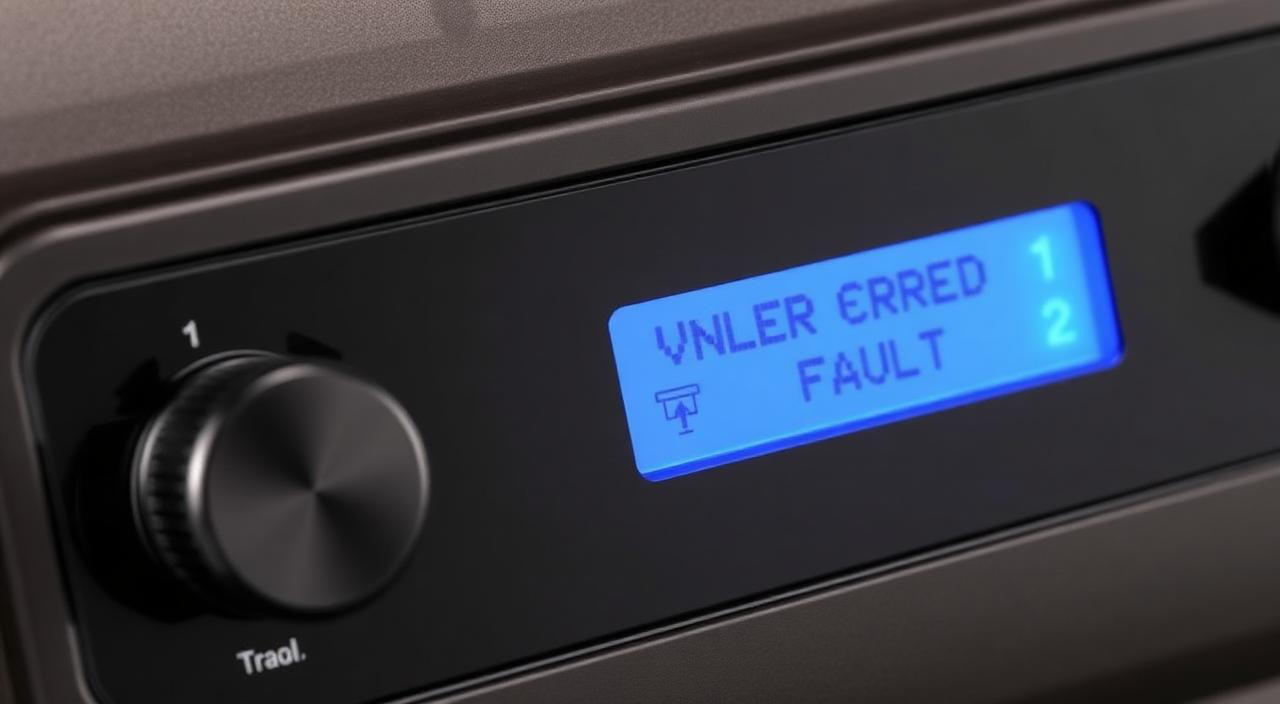
Traeger controller display showing error or fault state

What's happening

The controller (the digital display board) tells the auger motor when to run. If the controller fails, the motor never receives the signal. Usually accompanied by other symptoms: display flickering, random shutdowns, error codes that don't match the actual problem.

Symptoms

  • — Display flickering or partial display
  • — Multiple unrelated errors appearing
  • — Auger isn't the only thing that doesn't work properly

How to fix it

  • This is the most expensive auger-related fix ($100-200 for controller replacement).
  • Try a controller reset first: unplug grill for 5 minutes, plug back in.
  • Update controller firmware via the Traeger app if WiFire-equipped.
  • For Pro 575/Pro 780: controller is field-replaceable, ~30 min job.
  • For Ironwood/Timberline: controller swap is more involved, may warrant Traeger support contact (especially if under warranty).
  • For older Pro 22/Pro 34: controller is harder to source — these grills may not be worth the controller cost.

Priming Procedure

How to prime a Traeger auger correctly

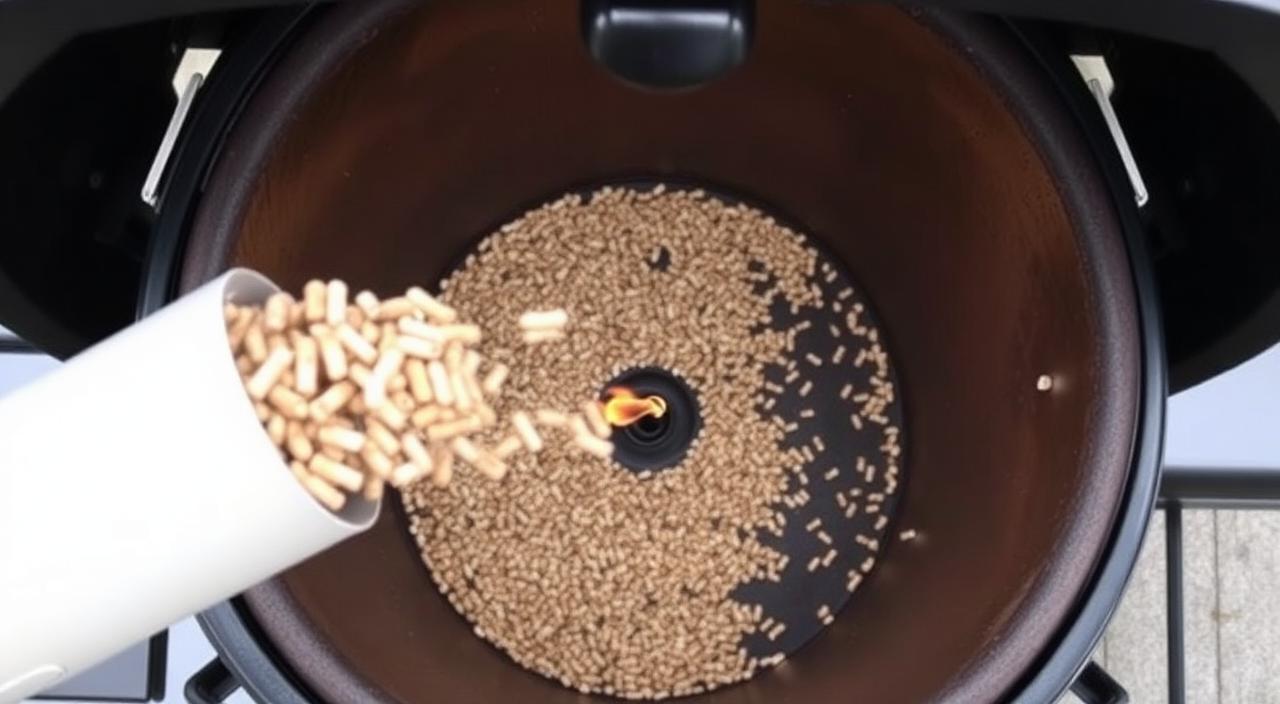
Priming the auger means filling the auger tube with pellets so the spiral can grip and push them forward. You need to prime in 3 situations: (1) brand-new grill, (2) you ran out of pellets mid-cook, (3) you just cleared a jam or replaced the auger. Some owners call this "charging" the auger — same procedure either way.

Priming for current Traeger models (Pro 575, Pro 780, Ironwood, Timberline, Woodridge)

  1. 1

    Fill the hopper at least halfway with fresh, dry pellets.

  2. 2

    Plug in the grill (don't ignite yet).

  3. 3

    On the controller, find SMOKE or set 150°F as the lowest setting.

  4. 4

    Press START or POWER ON — the auger will begin feeding immediately.

  5. 5

    Open the lid and watch the fire pot — pellets should drop after 2-4 minutes.

  6. 6

    Once pellets are visible in the fire pot, the auger is primed.

  7. 7

    You can now ignite normally (raise to your cooking temperature).

Priming for older Traeger models (Pro 22, Pro 34, Tailgater, Junior, Bronson)

  1. 1

    Fill the hopper at least halfway.

  2. 2

    Plug in the grill.

  3. 3

    Set the dial controller to SMOKE.

  4. 4

    Power on, but DO NOT light the igniter yet (don't press the 'high' or auto-ignite).

  5. 5

    Run for 4-5 minutes — auger runs continuously on these models in SMOKE.

  6. 6

    When pellets fall into the fire pot, the prime is complete.

  7. 7

    Now light normally via the manual or auto-ignite procedure.

Common question · Do I need to prime every time?

No. Once primed, the auger tube stays full of pellets between cooks. You only need to re-prime if: you ran out of pellets, you cleared a jam, you replaced the auger or motor, or the grill has been completely empty for weeks. Normal daily/weekly use does NOT require re-priming.

Traeger fire pot with pellets dropping during a successful prime

Deep Clean

How to clean a Traeger auger (annual maintenance)

Beyond clearing jams, the auger should be cleaned annually to remove built-up pellet dust, wood resin, and any moisture residue. This 30-minute procedure prevents 80% of future auger problems.

  1. 1

    Power off and unplug the grill.

  2. 2

    Empty all pellets from the hopper.

  3. 3

    Remove the cooking grates and drip tray.

  4. 4

    Remove the fire pot if accessible (some models require unscrewing 2-4 fasteners).

  5. 5

    Use a shop vac to clean ALL pellet dust from the hopper bottom and the auger tube.

  6. 6

    Wipe down the auger shaft with a clean dry cloth — remove any sticky resin buildup.

  7. 7

    For deep cleaning, the auger can be fully removed (see section below) for inspection.

  8. 8

    Reassemble and prime with fresh pellets.

Auger Removal

How to remove the auger from a Traeger

Full auger removal is needed if you're replacing the auger, replacing the motor, or doing a deep inspection. Most Traegers have a similar process; specifics vary by model.

  1. 1

    Power off, unplug, empty hopper.

  2. 2

    Remove the fire pot (if applicable) for fire-pot-side auger access.

  3. 3

    Open the back access panel (4-6 screws).

  4. 4

    Disconnect the auger motor wiring harness.

  5. 5

    Remove the motor mounting screws (typically 4).

  6. 6

    Pull the motor straight back — the auger shaft will come with it on some models, or separately.

  7. 7

    Inspect the shear pin coupling between motor and auger shaft.

  8. 8

    For full auger replacement, the shaft itself slides out from the hopper end (long pull straight back).

Model-Specific

Quirks by Traeger model

Pro 22 / Pro 34 (older controllers)

Auger runs continuously in SMOKE mode (no on/off cycling). Older shear pin design — Traeger sold this pin separately for ~$8. Replacement auger motor is a discontinued part for Pro 22; aftermarket only. Pro 34 auger replacement is one of the highest-volume Traeger searches; aftermarket compatibility is good.

Pro 575 / Pro 780 (D2 controllers)

Current-generation auger with cycled operation (runs in pulses, not continuously). Motor is a standard 1.6 RPM gearmotor. Easy DIY swap, 30 min. See our Pro 575 vs Pro 780 comparison.

Ironwood 650 / 885

Heavier-duty auger motor; jams less frequently but failures are more expensive when they happen. Controller is more integrated — controller faults are harder to isolate from motor faults.

Timberline 850 / 1300

Same auger system as Ironwood but larger hopper. Wet pellet jams are more common because larger hoppers hold pellets longer (more exposure to humidity).

Woodridge / Woodridge Pro (newest controllers)

New Error 40 / ER40 indicates igniter circuit, NOT auger — but new owners often misdiagnose. See our Traeger error codes guide for clarification.

Ranger / Scout (portable models)

Smaller auger, more easily jammed by foreign objects. Field repair is harder (less accessible). Don't store with pellets in the hopper. Ranger and Scout auger jams are usually one-time events from foreign matter, not moisture.

Century 22 / Century 34

Walmart-exclusive Traeger lineup. Same auger design as Pro 22/34. Shear pin is more failure-prone on this lineup (cheaper internal materials). Keep a spare pin on hand if you own one.

Tailgater / Junior Elite / Bronson

Discontinued portable Traegers, same auger system as Pro 22/34. Parts increasingly hard to find for older models. Tailgater auger priming uses the older-model SMOKE-only procedure described above.

Texas Elite 34 / Eastwood / Select Elite

Mid-cycle Traeger lineups using the same Pro 34 auger architecture. Auger stuck or motor not turning on these models follows the standard procedure above. Aftermarket motor support is good.

Replacement Parts

Traeger auger replacement parts that actually work

Three categories cover every auger-related replacement: the auger motor itself (most common end-of-life part), shear pins and bushings (cheap consumables), and prevention gear that keeps pellets dry so the problem doesn't return.

Auger motors

Traeger OEM auger motorOEM

Traeger OEM Auger Motor

Direct-fit replacement for Pro 575, Pro 780, Ironwood, Timberline (verify model fit). 1.6 RPM gearmotor, factory-spec. The safe choice for in-warranty repairs and Traeger-loyal owners.

Check current price
Check Price on Amazon
Aftermarket compatible auger motorBEST VALUE

Aftermarket Compatible Auger Motor

Compatible replacement that fits most current Traeger models — Pro 575, Pro 780, and similar. About half the price of OEM, same gear ratio. Good choice when the grill is past warranty.

Check current price
Check Price on Amazon

Shear pins and small parts

Traeger shear pin replacement kitOEM

Traeger Shear Pin Kit

Multi-pack of OEM-spec shear pins. Keep a spare on hand — they break at the worst time. Fits Pro 22, Pro 34, Pro 575, Pro 780, and most Traeger augers with a pinned coupling.

Check current price
Check Price on Amazon
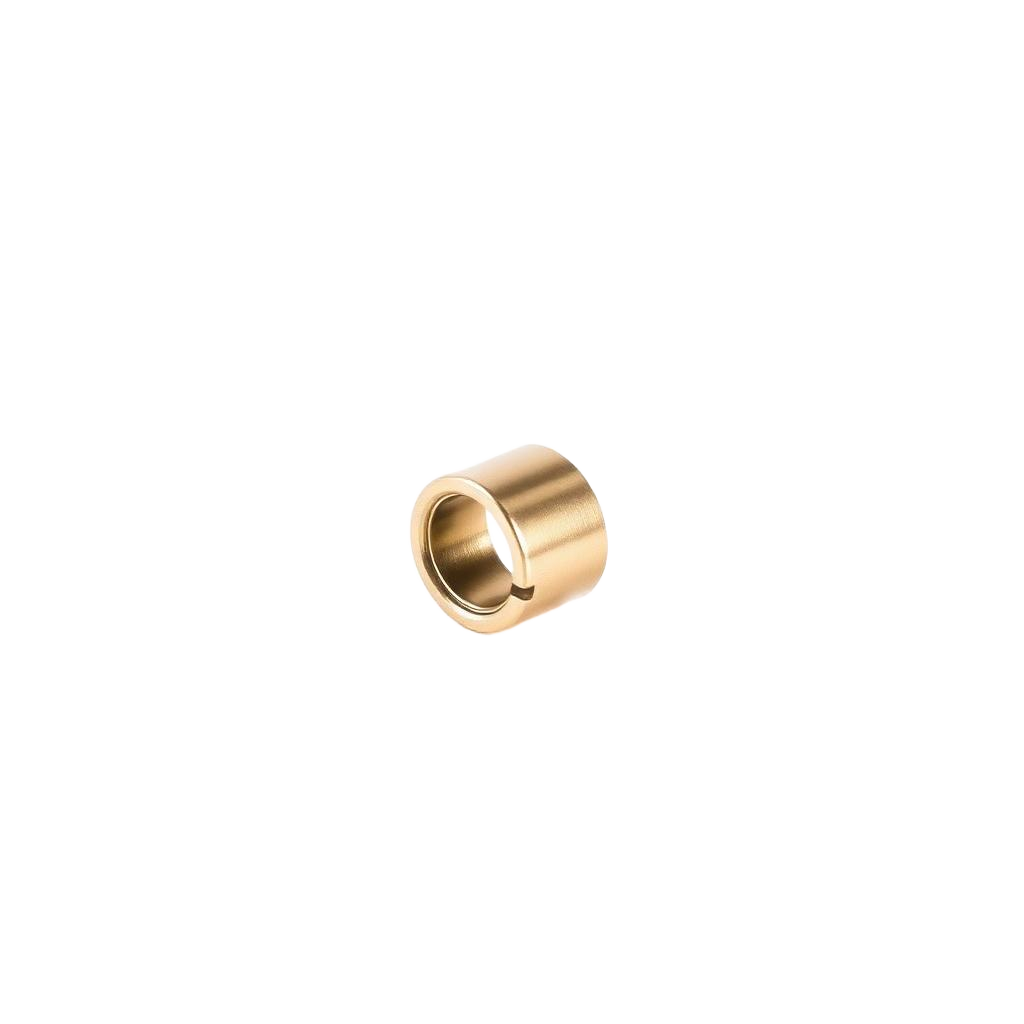
Traeger auger bushing bearing replacementAFTERMARKET

Auger Bushing / Bearing Replacement

The small bearing inside the hopper that the auger rides on. Replace if you see grinding or hear screeching that doesn't go away after a wet-pellet clear. Cheap fix that prevents premature motor failure.

Check current price
Check Price on Amazon

Prevention: keep pellets dry

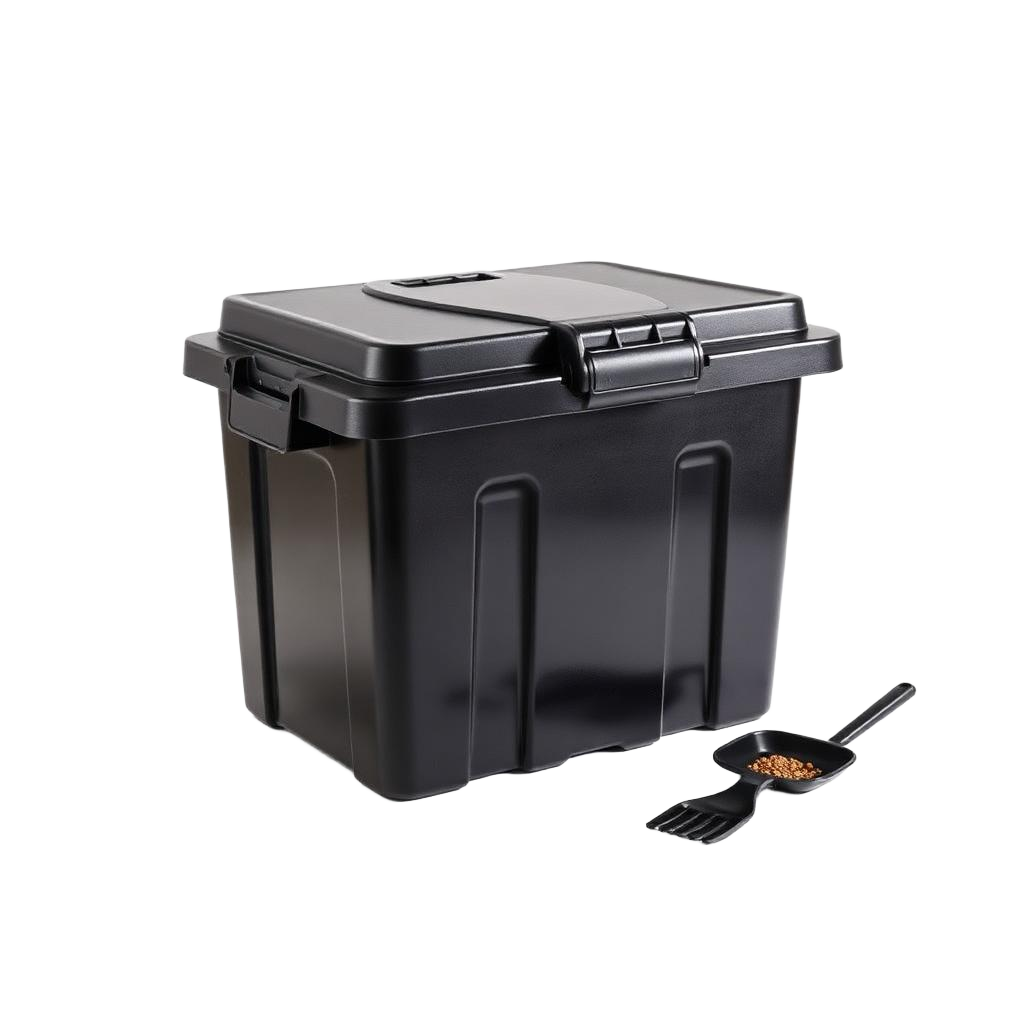
Airtight 40 lb pellet storage containerTOP PICK

Sealed Pellet Storage Container (40 lb)

Airtight 40 lb capacity container. Eliminates wet-pellet jams entirely. The single best ROI accessory for any Traeger owner — pays for itself the first jam it prevents.

Check current price
Check Price on Amazon
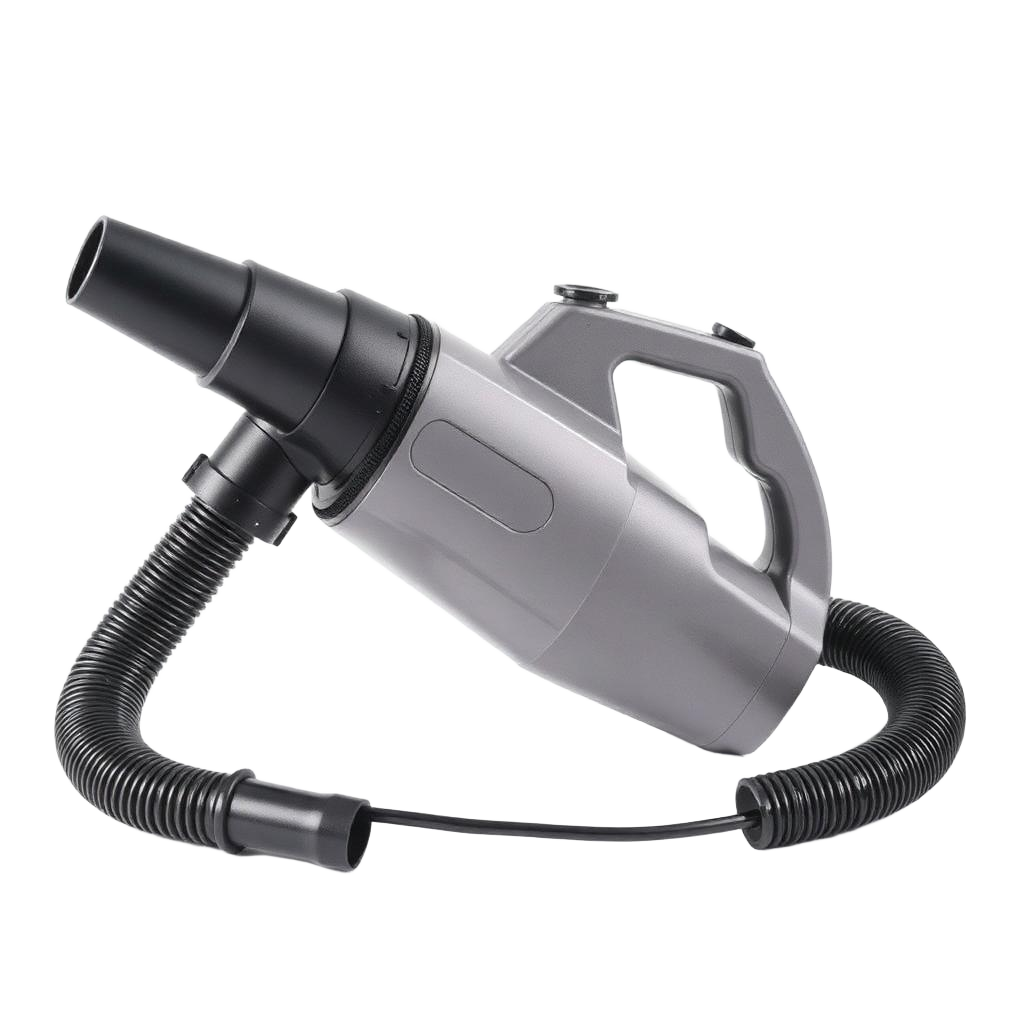
Ash vacuum sized for pellet grill maintenanceBEST VALUE

Pellet Hopper Vacuum

Small ash vacuum sized for pellet grill maintenance. Use for monthly cleaning of hopper dust and the annual auger deep-clean procedure described above.

Check current price
Check Price on Amazon

Myth-busting

Bad advice for Traeger auger problems

  • "Just keep cycling power until the auger frees itself"

    Repeated power cycles strain the motor against the jam, often causing motor damage that wasn't there originally.

  • "Use any cheap pellets to save money"

    Off-brand or low-quality pellets break apart into dust, which compounds future jams. Stick with Traeger, Lumber Jack, Bear Mountain, or Pit Boss.

  • "Force the auger with a metal rod from the fire pot side"

    Metal rods damage the auger shaft and can knock the shear pin out of alignment. Use a wooden dowel or chopstick.

  • "Leave pellets in the hopper between cooks (it's fine)"

    In humid climates, this is the #1 cause of wet-pellet jams. Empty the hopper if you're not cooking within 1-2 days.

  • "If it's still under warranty, do nothing — Traeger will fix it"

    True for motor and controller failures, but NOT for wet pellet jams (which are user-fault). Traeger won't pay to clear a jam under warranty.

Decision · Warranty

When to fix it yourself, when to call Traeger

DIY this

  • — Wet pellet jam clear
  • — Auger priming
  • — Shear pin replacement
  • — Wiring harness reseat
  • — Annual deep clean

Call Traeger

  • — Motor failure in first 3 years of ownership (covered under warranty)
  • — Controller failure during warranty
  • — Persistent Ironwood Error 0001 after troubleshooting
  • — Anything involving structural damage to the hopper/auger tube
  • — When DIY repair would void remaining warranty

Different Appliance

Auger jam in a pellet stove (not a Traeger)?

If you searched "pellet stove auger jam" and landed here — you might be in the right place, you might not. Traegers and pellet stoves use similar auger designs, and the wet-pellet jam fix above works on both. The procedures for clearing the jam, replacing shear pins, and storing pellets dry transfer directly.

Where they differ: pellet stoves typically have larger augers, faster feed rates, and combustion chambers designed for continuous burn. The motor amperage is higher, and shear pin specs are different. For pellet-stove-specific issues, brand sites (Harman, Quadrafire, Castle, Englander) have model-specific guidance we can't match.

FAQ

Frequently asked questions

How do I know if my Traeger auger is jammed?

Three quick tests: (1) Power on the grill — within 30 seconds you should hear the auger motor running once every 15-20 seconds. Continuous loud grinding means the motor is straining against a jam; no sound at all means the motor isn't running. (2) Look down into the fire pot after 60 seconds — no pellets dropping means the auger isn't feeding. (3) Empty the hopper and watch the auger shaft — if it doesn't turn, you have either a jam or motor failure.

What does a jammed Traeger auger sound like?

A jammed auger sounds like a slower-than-normal grinding or straining noise from the back of the hopper, often longer in duration than the normal 1-2 second feed pulse. Healthy augers make a brief soft whirr every 15-20 seconds. A jam makes a louder, longer, sometimes pulsing strain. If you hear nothing at all, the motor isn't running — that's an electrical or motor failure, not a jam.

Why is my Traeger auger not turning?

Six possible causes: wet pellets compacted into a jam (most common — 45% of cases), the auger needs priming on a new grill or after running out of pellets, a sheared shear pin between motor and auger, a loose wiring harness, a failed auger motor, or a controller fault. Start with the wet-pellet check before suspecting a broken part — most cases trace back to moisture in the hopper.

How do I clear a jammed auger on a Traeger?

Power off and unplug, empty all pellets from the hopper by hand, vacuum any pellet dust, then use a wooden dowel or chopstick (never metal) to push any compacted pellet plug back into the hopper from the fire-pot side. Refill with fresh dry pellets only and run the priming procedure before the first cook. Total time: about 20 minutes, no replacement parts needed.

Why does my Traeger auger keep jamming?

Recurring jams almost always trace to one root cause: pellets are getting wet between cooks. Either the bag of pellets absorbed moisture in storage, or pellets sat in the hopper through humid days or overnight rain. The fix is an airtight pellet storage container and emptying the hopper if you're not cooking within a day or two. If jams continue with dry storage, inspect the hopper lid seal.

How do I clean wet pellets out of a Traeger auger?

Empty the hopper of all pellets by hand. Vacuum the dust at the bottom. With the hopper empty, push any compacted plug from the fire-pot side back toward the hopper using a wooden dowel — never metal. Discard all wet pellets; do not try to feed them through. Refill with dry pellets and prime the auger before lighting.

Does the Traeger auger always turn?

No. On modern Traegers (Pro 575, Pro 780, Ironwood, Timberline, Woodridge) the auger pulses — a short feed every 15-20 seconds rather than continuous rotation. On older models (Pro 22, Pro 34, Tailgater) the auger does run continuously in SMOKE mode but cycles at higher temperatures. Continuous rotation outside SMOKE mode is actually a controller fault.

How fast does the Traeger auger turn?

Most Traeger auger motors are 1.6 RPM gearmotors — slow by design. The auger spins at roughly one revolution every 35-40 seconds when running. The pulsed-feed controllers on current models run the motor for 1-3 seconds at a time, every 15-20 seconds, to maintain the target temperature. Faster rotation would over-feed and snuff the fire.

Do I need to prime my Traeger auger every time?

No. Once primed, the auger tube stays full of pellets between cooks. You only need to re-prime if: you ran out of pellets mid-cook, you cleared a jam, you replaced the auger or motor, or the grill has been completely empty for weeks. Normal daily or weekly use does not require re-priming — just turn it on and cook.

How do I prime the auger on a Traeger Pro 34?

Fill the hopper at least halfway with dry pellets, plug in the grill, set the dial controller to SMOKE, then power on without lighting the igniter. The Pro 34's auger runs continuously in SMOKE — pellets should drop into the fire pot within 4-5 minutes. Once you see pellets in the fire pot, the prime is complete and you can light normally.

How do I prime the auger on a Traeger Tailgater?

Same procedure as the Pro 22/34: fill the hopper, set the dial to SMOKE, power on (do not auto-ignite). The auger runs continuously in SMOKE on the Tailgater. Watch the fire pot — pellets should drop within 4-5 minutes. Once they do, the prime is complete and you can ignite normally.

Why won't my brand new Traeger auger turn?

Most of the time, it is turning — a brand-new Traeger ships with an empty auger tube and the spiral has nothing to grip on the first run. Set to SMOKE or 150°F, fill the hopper, and let it run for 3-4 minutes; pellets will start dropping. If you see no movement of the auger shaft after the priming attempt, check the wiring harness at the back of the hopper before suspecting a defective motor.

How do I know if my Traeger auger motor is bad?

Confirm with a multimeter: with the grill set to a temperature that should run the auger, you should read approximately 120V at the motor terminals. If 120V is present and the motor doesn't run, the motor is dead and needs replacement. If there's no voltage, the problem is upstream — controller or wiring — not the motor itself.

How much does a Traeger auger motor cost?

OEM Traeger auger motors typically run $60-90 depending on model. Aftermarket compatible motors that fit the same Pro 575/780/Ironwood/Timberline applications cost $35-50, often with similar gear ratios and amperage ratings. Either is a 30-60 minute DIY swap.

How long does a Traeger auger motor last?

Average lifespan is 5-8 years of regular use. Heavily-used grills (more than 50 cooks per year) tend to fail closer to 5 years; light use can stretch to 10+ years. Most failures are gradual — slower rotation, intermittent operation, then complete stop. If the motor is over 5 years old and acting up, plan for replacement rather than chasing intermittent symptoms.

Can I replace the Traeger auger motor myself?

Yes. On Pro 575, Pro 780, Ironwood, Timberline, and Woodridge models, motor replacement is a 30-60 minute DIY job: power off, unplug, open the back panel, disconnect the wiring harness, remove 4 mounting screws, swap the motor, reverse the process. The Pro 22/34 process is similar but with discontinued OEM parts; aftermarket-only on those.

What is a Traeger shear pin?

The shear pin is a small steel pin in the coupling between the auger motor shaft and the auger shaft. It's a deliberate weak point: when the auger jams hard, the pin breaks before the motor does — saving the expensive motor. Result of a sheared pin: motor sounds completely normal but the auger doesn't move pellets.

How do I replace a Traeger shear pin?

Power off, unplug, empty the hopper. Open the back panel and locate the auger motor coupling. The shear pin goes through both the motor shaft and the auger shaft. Knock out the broken pin, vacuum any fragments out of the auger tube, insert a replacement (Traeger OEM is ~$5-10 for a multi-pack), and reassemble. Total time: about 30 minutes.

Can wet pellets damage my Traeger auger?

Yes — repeatedly. Wet pellets swell, compact, and create hard plugs that the auger has to push against. This strains the motor (shortening its life) and can shear the shear pin. Worst case: a recurring wet-pellet jam is the leading cause of premature auger motor failure on Traegers under 5 years old.

How should I store Traeger pellets to prevent jams?

Store new bags in an airtight container (40lb sealed pellet container is the standard). Keep them off the floor and out of garages with high humidity. Empty the hopper between cooks if you won't grill within 1-2 days, especially in humid climates or after rain. Don't leave the hopper exposed to weather between sessions even with the grill cover on.

Why is my Traeger auger making a grinding noise?

Grinding usually means the auger is straining against resistance — almost always a wet-pellet jam, sometimes a foreign object that fell into the hopper. Less commonly, a worn auger bushing or bearing produces a screeching grind that's distinct from jam-strain. Power off immediately and run the wet-pellet clear procedure before continuing — repeated grinding shortens motor life.

Is my Traeger auger problem covered under warranty?

Failed motors and controller failures are typically covered under the standard 3-year Traeger warranty. Wet-pellet jams are NOT covered (Traeger considers them user-fault). Shear pin replacement is rarely covered either. Check Traeger's current warranty terms on their site, since policies have shifted over the years.

Replace with confidence

Three parts fix 90% of recurring Traeger auger problems — a replacement motor for end-of-life motors, a shear pin kit for jam recovery, and an airtight pellet storage container to stop the problem at the source.

aftermarket auger motor auger bushing pellet vacuum