Live Guide · Maintenance Decision

When to Replace Weber Flavorizer Bars: 7 Signs It's Time

Weber flavorizer bars are a wear part — they're designed to be replaced periodically. But how do you know when "periodically" is now? Bars with holes, severe rust-through, or warping cause uneven heat, flare-ups, and let drippings hit the burner tubes directly. This guide covers the 7 visual signs that mean replacement (not cleaning), how long bars should last by material, and direct replacement links for every Weber model — Spirit E-210/E-310, Spirit II, Genesis 300/II, Summit.

11 min read Updated May 2026 Independently researched

Quick Answer · 60 seconds

When should Weber flavorizer bars be replaced?

Weber flavorizer bars should be replaced when you see rust-through holes, deep warping, peeled porcelain coating exposing bare steel, or major flaking. Porcelain-coated bars typically last 3-5 years; stainless steel bars last 5-10 years. Surface rust on stainless can be cleaned and is normal. Replace immediately if drippings are reaching the burner tubes underneath, even on cosmetically-decent-looking bars.

If You're New to This · 60 seconds

What flavorizer bars do (and why you need them)

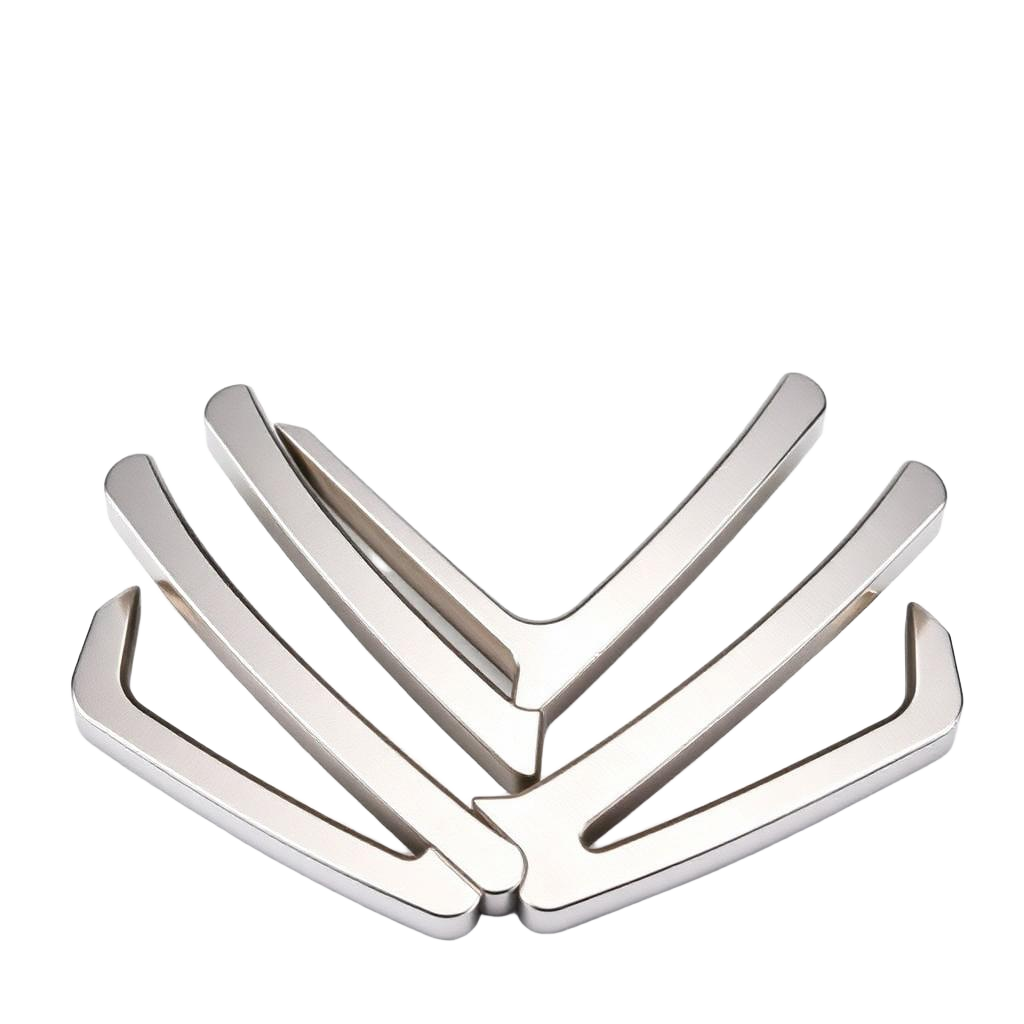
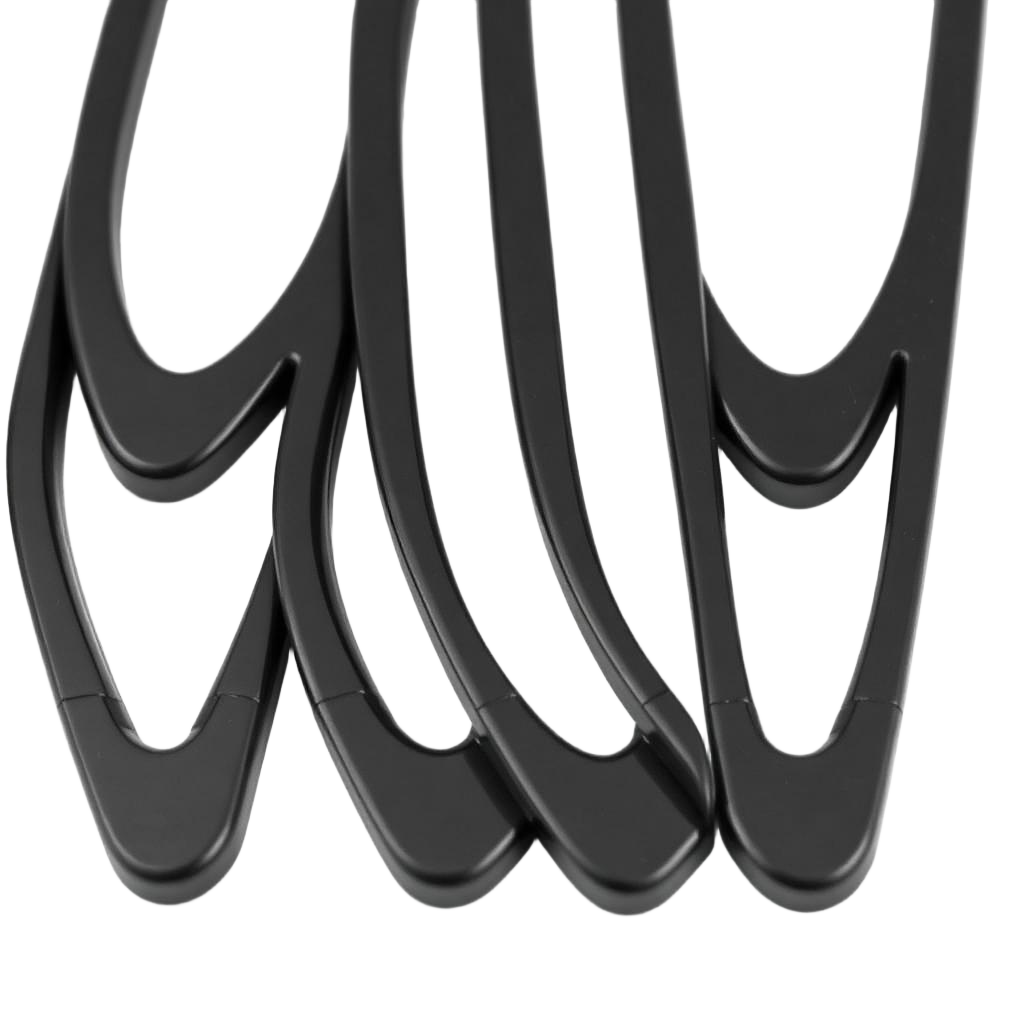
Flavorizer bars are angled metal strips that sit directly above your grill's burner tubes, below the cooking grates. Weber invented and trademarked the name in the 1980s — other brands call them heat plates, heat tents, flame tamers, or flavor bars, but they all serve the same purpose. Their job: catch drippings from food, vaporize them on contact with the heat, and turn that vapor into the smoky flavor that defines grilled food.

They also protect your burner tubes from grease and food debris. Without flavorizer bars, drippings hit the burner ports directly — clogging them, igniting as flare-ups, and corroding burners faster. So yes, you need them. No, you can't grill safely or effectively without them. If yours are missing or destroyed, replace before your next cook.
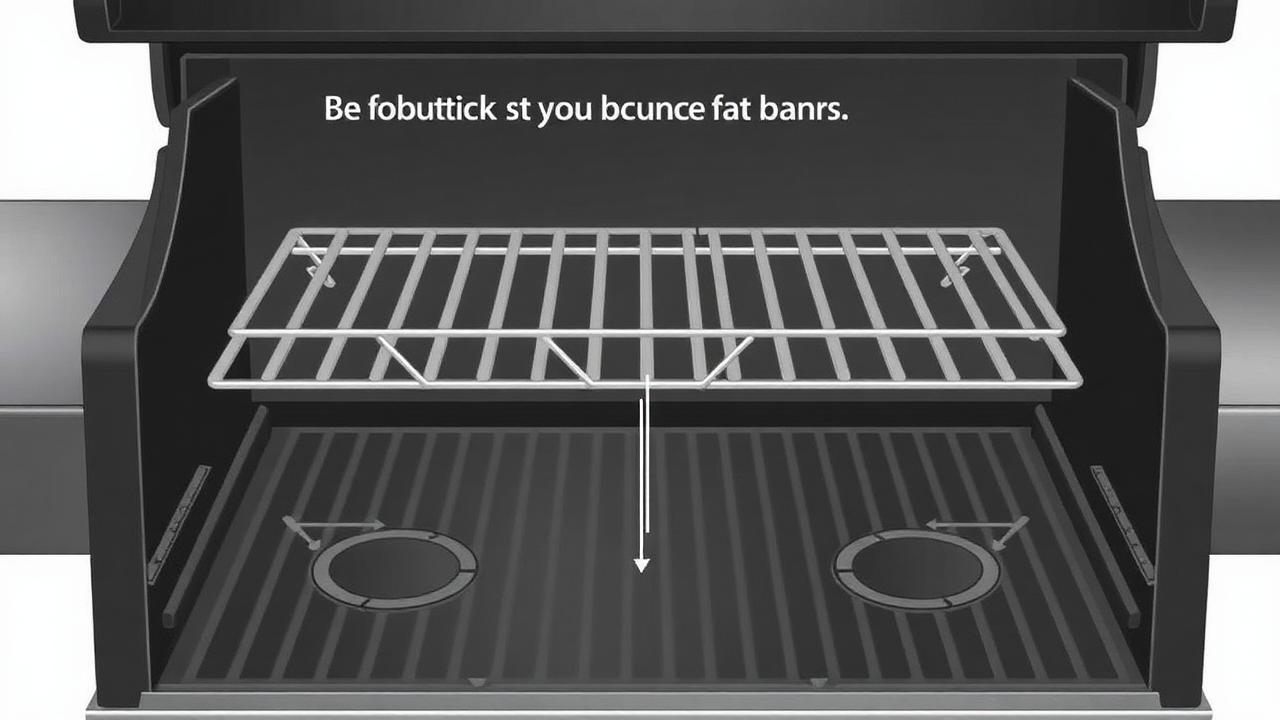
Cross-section view of Weber grill showing flavorizer bars positioned between cooking grates and burner tubes

The 7-Point Check

7 visible signs your flavorizer bars need replacement

Inspect your bars by removing the cooking grates and looking directly at them. Match what you see — 1 sign means inspect closer, 2+ signs means replace now.

Video Guide

Watch: Inspecting and replacing flavorizer bars

A walkthrough of the 7-point inspection and a side-by-side comparison of new vs worn-out bars on a Weber Spirit E-310.

Video walkthrough coming soon

What to Look For

Each sign, explained

1. Rust-through holes

REPLACE NOW
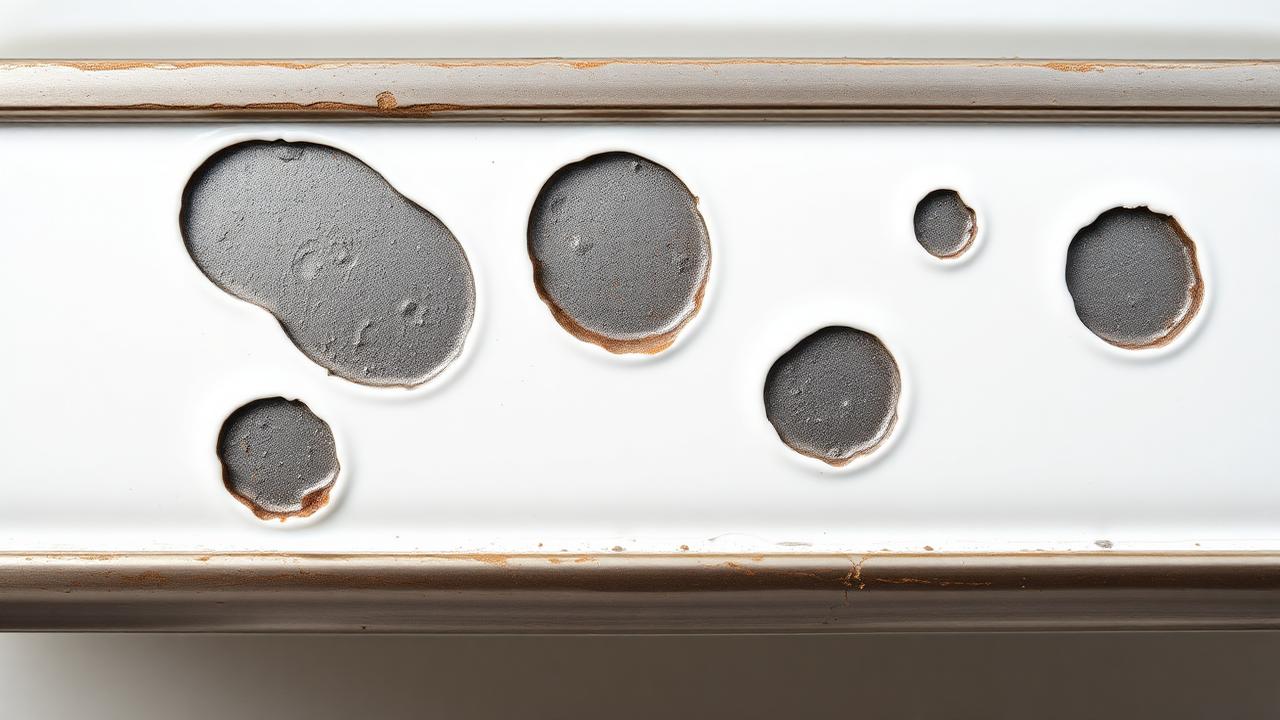
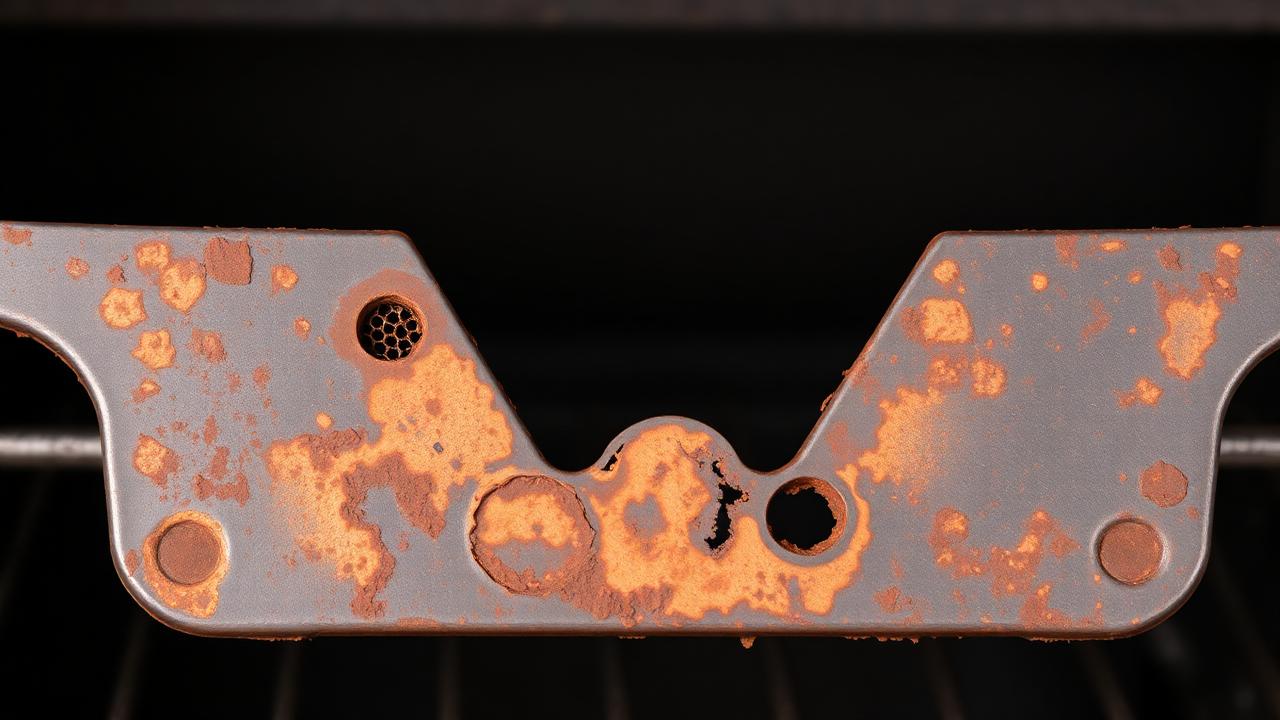
Weber flavorizer bar with visible rust-through holes

Hold the bar up to a light source. If you can see daylight through any spot, the bar has failed. Holes typically form along the bottom ridge where drippings pool, or at the bar's lowest point where moisture sits between cooks. This is non-recoverable damage.

What it means: Replace now — drippings are reaching your burner tubes underneath.

2. Severe warping

REPLACE NOW
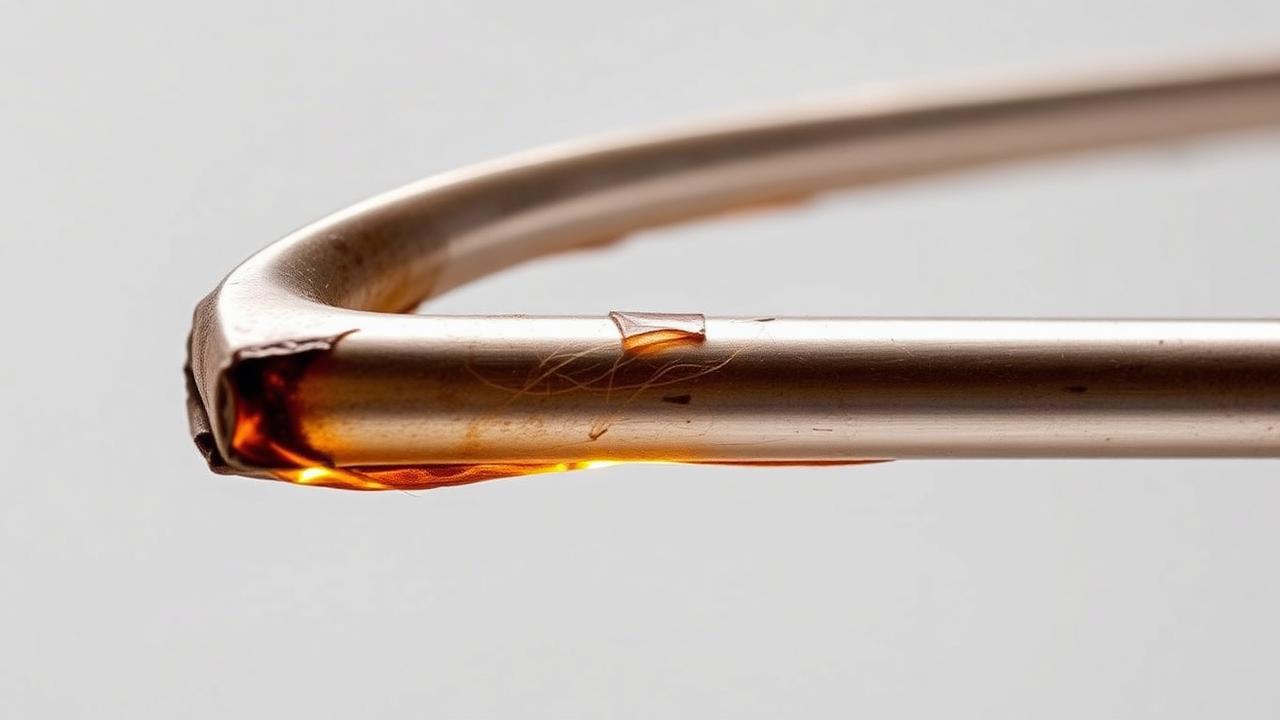
Warped flavorizer bar showing visible bending at one end

Heat over years bends thin metal. A warped bar no longer covers its burner tube properly — drippings escape past the bar and hit the burner directly. Severe warping means the bar curves upward at one or both ends, OR bows in the middle by more than ½ inch.

What it means: Replace — heat distribution is compromised and drippings are reaching the burners.

3. Major flaking

REPLACE NOW
Flavorizer bar with major coating flaking exposing bare metal

Porcelain-coated bars can lose their coating in chips or sheets. Stainless steel bars can develop a flaking surface oxide. When more than 30% of the bar surface has lost its coating or finish, the bare metal underneath corrodes rapidly.

What it means: Replace — bare metal won't last another season.

4. Porcelain peeled exposing steel

REPLACE SOON
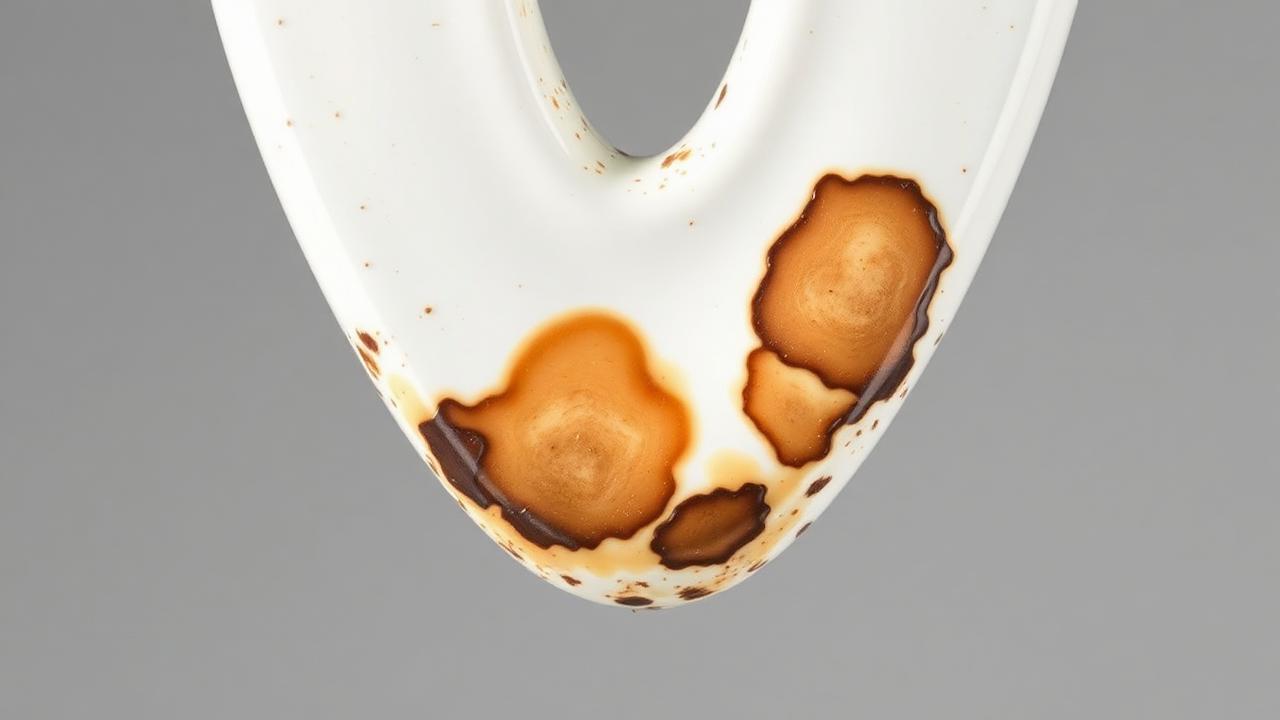
Porcelain flavorizer bar with patches of bare steel showing through

Weber's porcelain-coated bars protect the underlying steel. When the porcelain peels in patches (less than 30% of the bar), you're in a gray zone — the bar still functions, but the exposed steel rusts in those spots and will spread.

What it means: Replace soon (this season) — bar will fail completely within a year.

5. Deep grease ridges

REPLACE SOON
Flavorizer bar with thick grease ridges built up along the peak edge

Some grease buildup is normal and burns off. Deep grease ridges along the bar's peak edge — buildup that won't clean off even after a 30-minute hot-water soak — indicate the bar's surface texture has changed and lost its vaporizing properties.

What it means: Replace soon — the bar is causing flare-ups instead of preventing them.

6. Mild (partial) warping

REPLACE SOON
Flavorizer bar with slight bow but still covering the burner

Slight bow but bars still substantially cover the burners. Heat distribution is slightly affected but not dramatically. Replacement is recommended but not urgent — get through this season, plan to replace before next.

What it means: Replace soon, but DIY-clean-and-monitor until the season ends.

7. Surface rust on stainless steel

CLEAN, DON'T REPLACE
Stainless steel flavorizer bar with light surface rust

Surface rust on stainless steel bars looks alarming but is usually cosmetic. Stainless steel rusts when the protective chromium oxide layer is damaged — typically by grease deposits trapping moisture. A wire brush plus a vegetable-oil treatment restores the bar.

What it means: Clean, don't replace. Bars are still functional.

Lifespan Expectations

How long should your flavorizer bars last?

Material matters more than brand. The same Weber Spirit grill with porcelain bars vs stainless bars gives you wildly different replacement timelines.

Porcelain-coated bars (Weber's default)

Lifespan
3-5 years with normal use
Failure mode
Porcelain peels, exposing steel, then bar rusts through
Cost
$30-50 for a Spirit set
Pros
Cheaper upfront, factory-spec for most Weber models
Cons
Half the lifespan of stainless, replace more often

Stainless steel bars

Lifespan
5-10 years with normal use
Failure mode
Surface oxidation that cleans up, eventual warping at very high heat
Cost
$60-90 for a Spirit set
Pros
Twice the lifespan, looks better, no peeling
Cons
Double the upfront cost, surface rust looks worse than it is
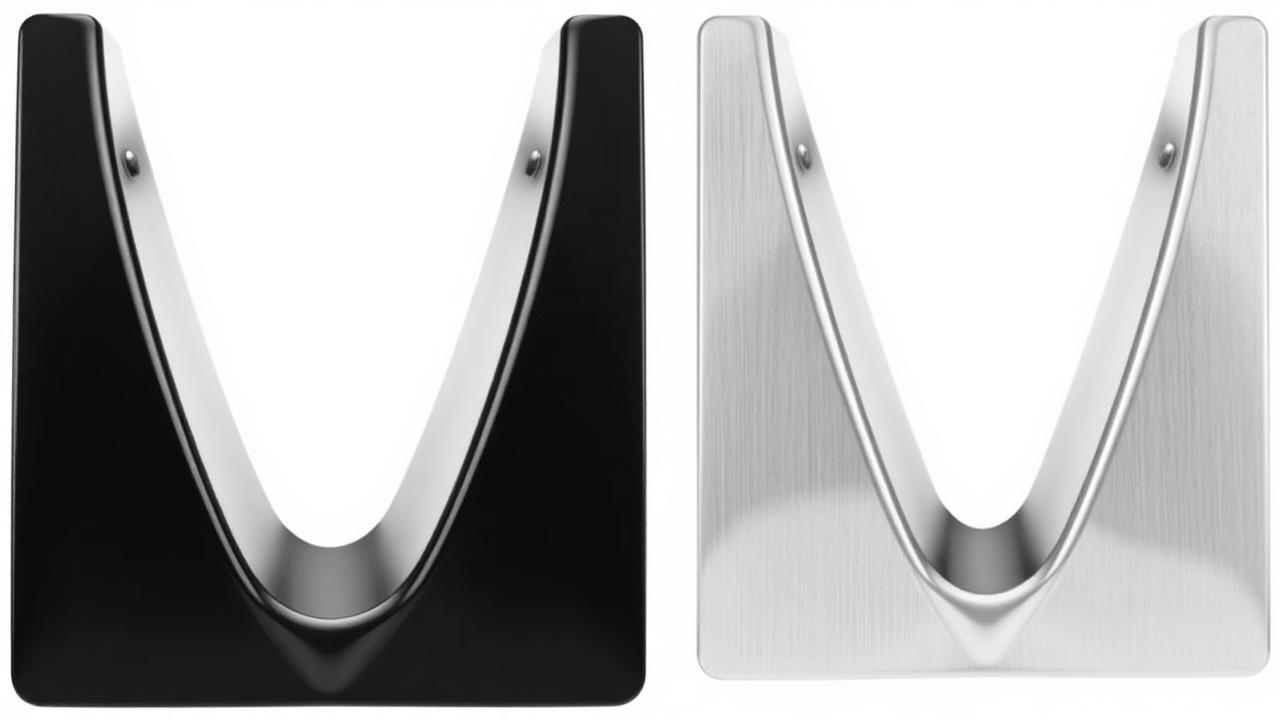
Side-by-side comparison of porcelain-coated and stainless steel flavorizer bars

Choosing Your Replacement

Stainless steel vs porcelain flavorizer bars — which to buy

If you're replacing porcelain bars with new ones, you can stick with porcelain OR upgrade to stainless. Both fit the same brackets. Here's how to choose.

Stick with porcelain if...

  • — You replace bars proactively (every 3-4 years before failure)
  • — Budget matters more than upfront longevity
  • — You want the factory-original look on your Weber
  • — You grill 1-2 times per week or less

Upgrade to stainless if...

  • — You grill 3+ times per week
  • — You want to replace once and forget it for 7+ years
  • — You're tired of seeing porcelain flake off
  • — You live in a humid or coastal climate
  • — Cost-per-year over the bar's lifespan matters more than upfront cost

Before You Replace

Can you save your current bars with cleaning?

Surface rust on stainless? Yes — clean. Light grease buildup? Yes — clean. Peeled porcelain? No — bare steel won't recover. Rust-through holes? No — non-recoverable. Severe warping? No — heat damage is permanent.

The full cleaning procedure (steel-wool method for stainless, light-soak method for porcelain, dry-and-oil finishing) lives in our Weber flavorizer bars parts guide. If your bars passed the 7-sign checklist above with no red flags, clean them. If you have one or more red flags, skip cleaning and order new ones.

Find Your Replacement Set

Replacement flavorizer bars by Weber model

Bar size and count vary by model. Use this guide to find the exact replacement set for your Weber.

Weber Spirit (2-burner: E-210, S-210, Spirit II E-210)

3 bars per grill, 15.3" length, sold as a set. Available in porcelain (factory spec) or stainless (upgrade). Spirit and Spirit II E-210 use the same bar size, but verify the bracket style on Spirit II before ordering — Weber redesigned the bracket clip in 2013.

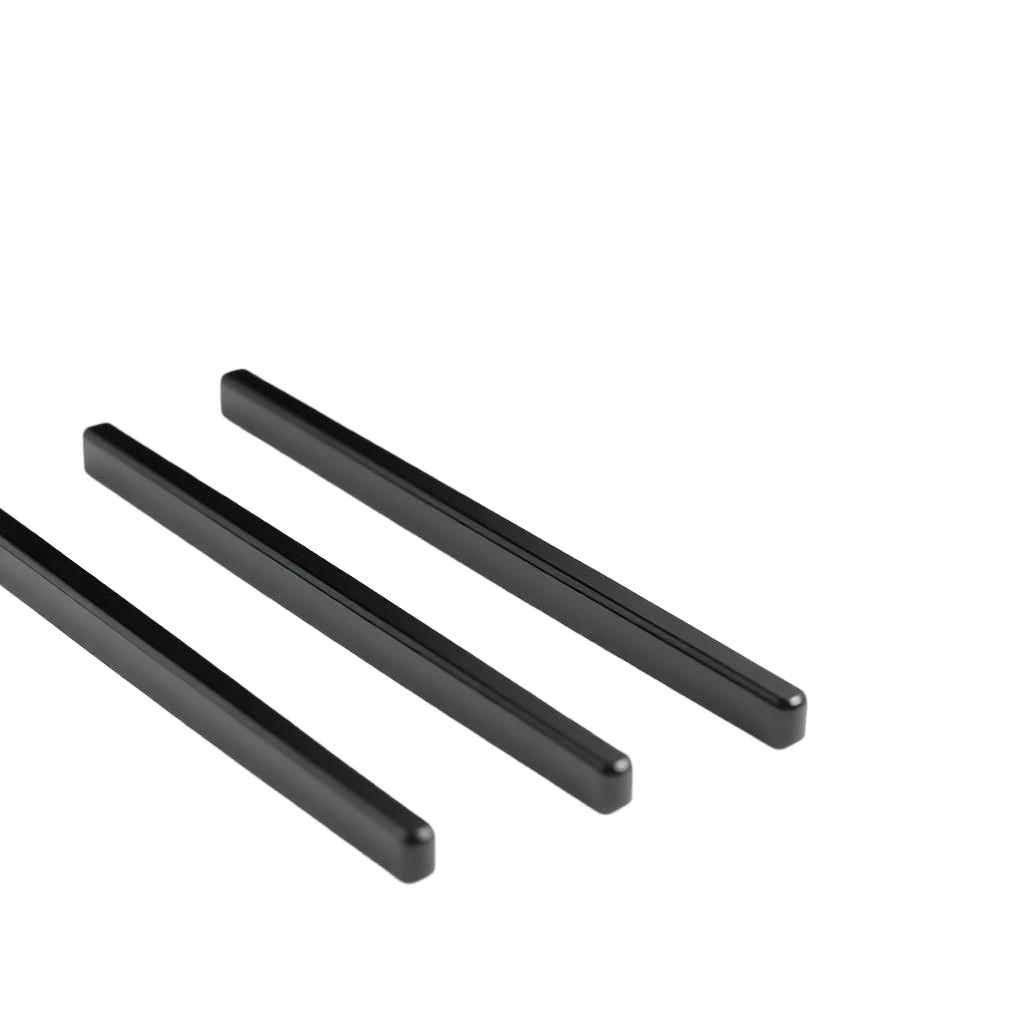
Weber Spirit E-210 porcelain flavorizer bars set of 3OEM

Spirit E-210 Porcelain Flavorizer Bars (Set of 3)

Direct OEM-spec replacement for the 2-burner Spirit and Spirit II E-210. Porcelain coating, 15.3 inch length. The factory-original look.

Check current price
Check Price on Amazon
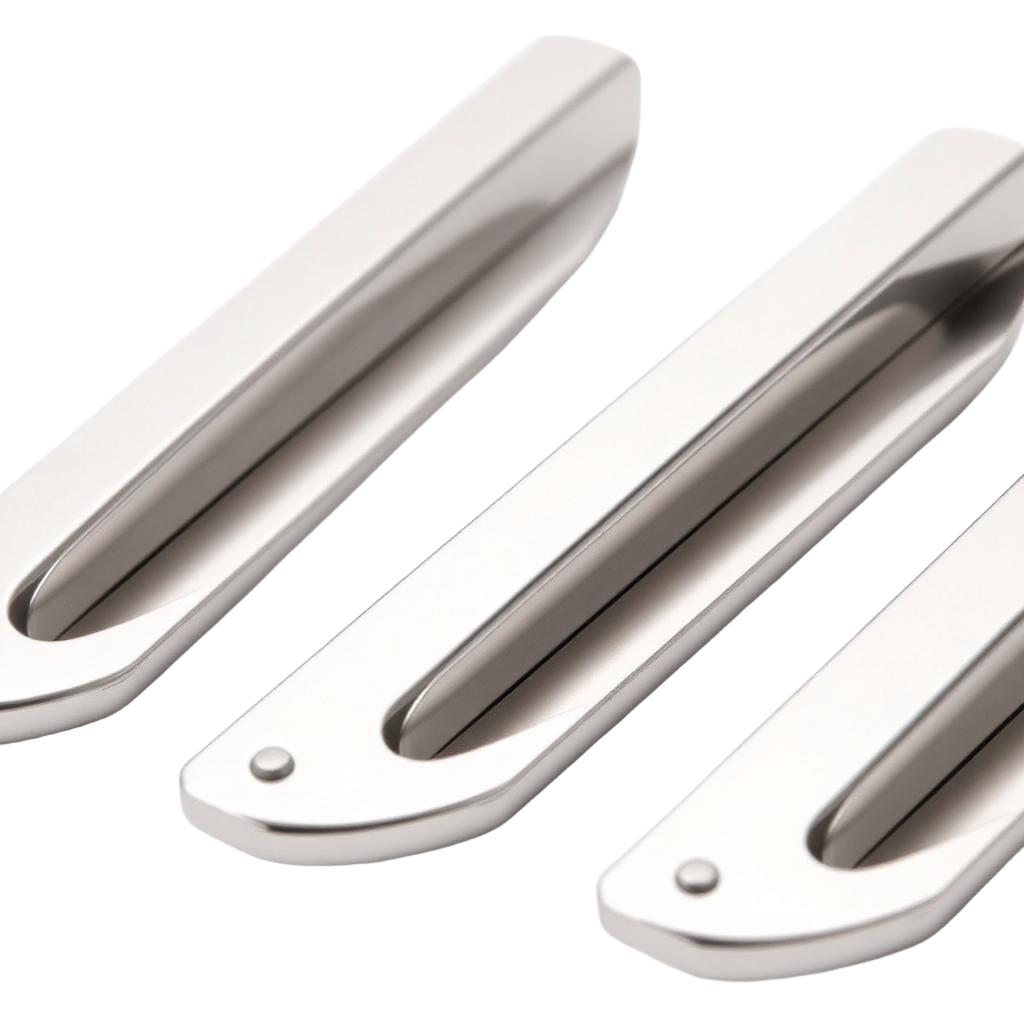
Weber Spirit E-210 stainless steel flavorizer barsBEST VALUE

Spirit E-210 Stainless Steel Flavorizer Bars

Stainless upgrade for the 2-burner Spirit. Same fit, double the lifespan vs porcelain. Best long-term value if you grill 3+ times per week.

Check current price
Check Price on Amazon

Weber Spirit (3-burner: E-310, S-310, Spirit II E-310)

5 bars per grill (3 main bars over the burners plus 2 narrower fillers between), 15.3" length on the main bars. Spirit II E-310 is the same size as the original Spirit E-310 — they share replacement sets.

Weber Spirit E-310 porcelain flavorizer bars set of 5OEM

Spirit E-310 Porcelain Flavorizer Bars (Set of 5)

OEM-spec replacement for the 3-burner Spirit and Spirit II E-310. Porcelain coating, 5-bar set. The widest-fitment Spirit replacement.

Check current price
Check Price on Amazon
Weber Spirit E-310 stainless steel flavorizer barsBEST VALUE

Spirit E-310 Stainless Steel Flavorizer Bars

Stainless upgrade for the 3-burner Spirit. 5-7 year lifespan vs 3-5 for porcelain. Best fit for frequent grillers and humid climates.

Check current price
Check Price on Amazon

Weber Genesis 300 Series (original, 2007-2016)

5 bars per grill, 16.875" length — important: this is a different size from both the Spirit and the newer Genesis II. Don't substitute Spirit bars in an original Genesis. Covers Genesis E-310, EP-310, S-310, and the Premium variants from 2007 through the redesign in 2017.

Weber Genesis 300 original porcelain flavorizer barsOEM

Genesis 300 Original Flavorizer Bars (16.875 in)

OEM-spec replacement for the original Genesis 300 series, 2007-2016. 5-bar set, 16.875 inch length. Verify length before ordering — Genesis II uses different bars.

Check current price
Check Price on Amazon

Weber Genesis II (300 series, 2017-2021)

5 bars per grill, with a different bracket system than the original Genesis 300. Genesis II uses Weber's GS4 grilling system — bars sit in deeper channels and won't accept original Genesis bars. Verify model year before ordering.

Weber Genesis II porcelain flavorizer barsOEM

Genesis II 300 Series Flavorizer Bars (Porcelain)

Direct-fit replacement for Weber Genesis II 300 series, 2017-2021. Porcelain coating, GS4-bracket compatible. Confirm year before ordering — Genesis II ≠ original Genesis 300.

Check current price
Check Price on Amazon
Weber Genesis II stainless steel flavorizer barsBEST VALUE

Genesis II 300 Series Stainless Flavorizer Bars

Stainless upgrade for Genesis II. Doubles the replacement interval, fits the same GS4 brackets. The best long-term option for Genesis II owners.

Check current price
Check Price on Amazon

Weber Genesis Silver / Gold (older — pre-2007)

5-6 bars depending on size class, 21.5" length on most. These are the longest flavorizer bars Weber makes — much longer than Spirit or modern Genesis bars. Replacement sets remain widely available because of how many older Genesis grills are still in service.

Weber Genesis Silver Gold porcelain flavorizer bars 21.5 inchOEM

Genesis Silver / Gold Flavorizer Bars (21.5 in)

Replacement set for the pre-2007 Weber Genesis Silver and Gold. 21.5 inch length on most variants. Confirm count (5 or 6) by checking your existing setup.

Check current price
Check Price on Amazon

Weber Summit (S-450, S-470, S-650, S-670, etc.)

8-9 bars depending on burner count, 17" length on most Summit models. Summit bars are stainless steel by default — Weber doesn't sell a porcelain Summit set. Check model number against your grill before ordering.

Weber Summit stainless steel flavorizer barsOEM

Summit Stainless Steel Flavorizer Bars

Replacement stainless flavorizer bars for Weber Summit S-450, S-470, S-650, S-670 and similar. Verify bar count (8 or 9) for your specific Summit model before ordering.

Check current price
Check Price on Amazon

Need the broader Summit parts catalog? See our Weber Summit parts guide.

Weber Spirit II LX, SX, EX

Spirit II LX, SX, and EX use the same flavorizer bars as the standard Spirit II E-310 — order from the 3-burner Spirit section above. Bracket geometry is identical across the Spirit II line.

Weber Go-Anywhere / Q1200 / portable models

Portable Weber gas models don't use traditional flavorizer bars. Q1000-series and Go-Anywhere use a single curved heat plate (or no plate at all on some generations). For replacements, see our heat plates for portable and non-Weber grills guide.

Not sure which Weber model you have?

Check the sticker on the back of your grill cabinet for the model number. We're building a dedicated how to find your Weber model number guide that will appear here shortly. Until then, the model is printed in 3-character codes (e.g. E-310, S-470) at the top of the sticker, with the year of manufacture below.

Warranty

Are Weber flavorizer bars covered under warranty?

Weber covers porcelain-coated flavorizer bars for 2 years against manufacturing defects (rust-through, peeling within normal use). Stainless steel bars on Spirit, Genesis, and Summit are covered for 5 years on the same defects. But — "normal wear" is NOT covered. If bars are rust-through after 4 years, that's wear, not defect.

Contact Weber Customer Care (800-446-1071 or weber.com support) BEFORE ordering replacements if you suspect warranty applies. They typically need: proof of purchase, grill serial number (sticker on the back of the cabinet), and photos of the failed bars. Average warranty replacement time: 2-3 weeks. Buy aftermarket if you need immediate replacement.

Installation

How to install new flavorizer bars

The full procedure takes about 5 minutes per grill. No tools required. The hardest part is matching the right replacement set to your model — see the by-model guide above before ordering.

  1. 1

    Remove the cooking grates from your grill — gloves recommended if recently used or just cleaned.

  2. 2

    Lift out the old flavorizer bars — they sit in pre-formed slots/brackets, no tools needed.

  3. 3

    Drop the new bars into the same slots, peaked side UP. Each bar covers one burner tube.

  4. 4

    Replace the cooking grates. First cook on HIGH for 15 minutes burns off any factory coating residue.

FAQ

Frequently asked questions

How often should I replace my Weber flavorizer bars?

Plan on replacing porcelain-coated Weber flavorizer bars every 3-5 years and stainless steel bars every 5-10 years under normal use (1-2 cooks per week). Heavy users (3+ cooks per week) cut both timelines in half. Coastal climates with salt air shorten lifespan by about 30%. Inspect at the start of each season — material lifespan is a guideline, not a calendar.

How do I know when to replace flavorizer bars?

Replace immediately if you see rust-through holes, severe warping (bars curling up at the ends or bowing more than ½ inch), or major flaking that leaves most of the bar exposed. Replace soon if porcelain is peeling in patches, deep grease ridges won't clean off, or bars are partially warped but still cover the burners. Surface rust on stainless can be cleaned and is normal — don't replace for cosmetic rust alone.

How long do Weber flavorizer bars last?

Porcelain-coated bars last 3-5 years on average. Stainless steel bars last 5-10 years. Lifespan depends on cook frequency, climate (humidity and salt air shorten it), and whether you cover the grill between uses. The first failure point on porcelain bars is coating peel; on stainless bars it's eventual warping at the highest-heat burner position.

Can I use my Weber grill without flavorizer bars?

No — you should not. Without flavorizer bars, drippings hit the burner tube ports directly. That clogs the ports, ignites as flare-ups, and corrodes the burners far faster than normal. You'll also lose the smoke-flavor effect that flavorizer bars create by vaporizing drippings. If your bars are missing or destroyed, replace before your next cook.
Are flavorizer bars necessary?

Yes. Flavorizer bars (and the equivalent heat plates / heat tents on non-Weber grills) serve three purposes: they protect the burner tubes from grease, they vaporize drippings to create the smoky flavor of grilled food, and they distribute heat evenly across the cooking surface. Skip them and you trade flavor for flare-ups and shorten your burner life.

What do flavorizer bars do?

Flavorizer bars are angled metal strips above the burner tubes. They catch drippings from food, vaporize them on contact with the heat, and turn that vapor back into smoke that flavors the food above. They also shield the burner tubes from grease and food debris, preventing flare-ups and extending burner life. Weber invented and trademarked the name in the 1980s — other brands sell the same part as heat plates, heat tents, or flame tamers.

Are rusted flavorizer bars safe to use?

Surface rust on stainless steel bars is cosmetic and safe — it scrubs off and doesn't transfer to food. Rust-through holes, deep pitting, or porcelain that has peeled to bare rusting steel are NOT safe to keep using: they let drippings reach the burner tubes and they can flake rust into your food. Clean what's salvageable, replace what isn't.

Which is better — stainless steel or porcelain flavorizer bars?

Stainless steel bars last roughly twice as long (5-10 years vs 3-5 years for porcelain) and cost roughly twice as much, so cost-per-year is almost identical. Choose stainless if you grill 3+ times per week, live in a humid or coastal climate, or want to replace once and forget it for 7+ years. Choose porcelain if you grill less often, want the factory-original look, or prefer lower upfront cost.

Are flavorizer bars covered under Weber's warranty?

Weber covers porcelain-coated flavorizer bars for 2 years against manufacturing defects (rust-through within normal use, peeling) and stainless bars for 5 years on the same defects. Normal wear is NOT covered — if bars are rust-through after the warranty window, that's wear. Contact Weber Customer Care (800-446-1071) before ordering replacements if you believe warranty applies; you'll need proof of purchase, the grill serial number, and photos of the failure.

Should I clean my flavorizer bars or replace them?

Clean if your bars show only surface rust on stainless, light grease buildup, or light discoloration. Replace if you see any of the three red-flag signs: rust-through holes, severe warping, or major flaking. The middle category — peeled porcelain in patches, deep grease ridges, partial warping — means clean now to get through the season but plan to replace before the next season starts.

How do I clean flavorizer bars?

For stainless: wire-brush the surface while still warm, scrape off heavy grease with a putty knife, then wipe with vegetable oil to restore the protective chromium oxide layer. For porcelain: brush gently (a stiff brush will scratch the coating), soak in hot water for 30 minutes if heavily greased, then dry completely before reinstalling. The full procedure lives in our Weber flavorizer bars guide.

How much does it cost to replace flavorizer bars?

Porcelain-coated replacement sets run $30-50 for a 3-bar Weber Spirit set and $40-60 for a 5-bar Spirit or Genesis set. Stainless steel sets run $60-90 for the same configurations. Summit sets (8-9 bars) run $90-150. Add 5 minutes of installation labor — it's the simplest DIY repair on a gas grill, no tools required.

Can I use stainless steel flavorizer bars on a porcelain Weber?

Yes. Stainless and porcelain bars use the same brackets and slots on the same grill model — they are interchangeable upgrades. The brackets in your grill don't know or care what material the bar is made of. The only thing that matters is matching the size to your specific Weber model (Spirit ≠ Spirit II, Genesis 300 ≠ Genesis II 300).

Why do my flavorizer bars rust so quickly?

Three common reasons: bars stay wet between cooks (cover the grill, dry bars after rain), grease buildup traps moisture against the metal (clean after every few cooks), or you live in a coastal/humid climate that shortens all metal-part lifespans by about 30%. Porcelain bars also rust faster once the coating chips — small peels expose bare steel that rusts and spreads.

Do all Weber grills use flavorizer bars?

All Weber gas grills (Spirit, Genesis, Summit, and the Q-series larger models) use flavorizer bars. Weber charcoal grills (Kettle, Performer, Smokey Mountain) do not — they don't have burner tubes to protect. Smaller portable Weber gas models (Q1000, Go-Anywhere) use a simplified heat plate design rather than the angled-bar shape of full-size grills.

What's the difference between flavorizer bars and heat plates?

Functionally, none — they do the same job. 'Flavorizer Bars' is Weber's trademarked name for theirs. 'Heat plates,' 'heat tents,' 'heat shields,' 'flame tamers,' and 'flavor bars' are all the same component sold by other brands. Heat plates are usually flat with raised channels; Weber's flavorizer bars are angled like a tent. Both catch drippings, vaporize them, and protect the burners.

Can I install flavorizer bars myself?

Yes — it's the easiest DIY repair on a gas grill and takes under 5 minutes. Remove the cooking grates, lift out the old bars (they sit in pre-formed slots — no tools, no fasteners), drop in the new bars peaked side up, replace the grates, and run the grill on HIGH for 15 minutes to burn off any factory coating residue. If new bars don't sit flat in the slots, you have the wrong size.

What happens if I grill without flavorizer bars?

Three immediate problems and one long-term one. Immediate: drippings hit burner tubes directly causing flare-ups, food loses the vaporized-drip smoke flavor, and heat distribution gets uneven (hot spots above burners, cold spots between them). Long-term: burner tube ports clog with grease and corrode in months instead of years, leading to a much more expensive burner replacement.

Time to replace? Get the right set.

Direct replacement links for every Weber model — Spirit, Genesis, Summit. Both porcelain and stainless options.

Independent recommendations · finalplanning-20 affiliate tag