Troubleshooting & Parts Guide
Grill Heat Shield & Heat Plate Replacement Guide (2026)
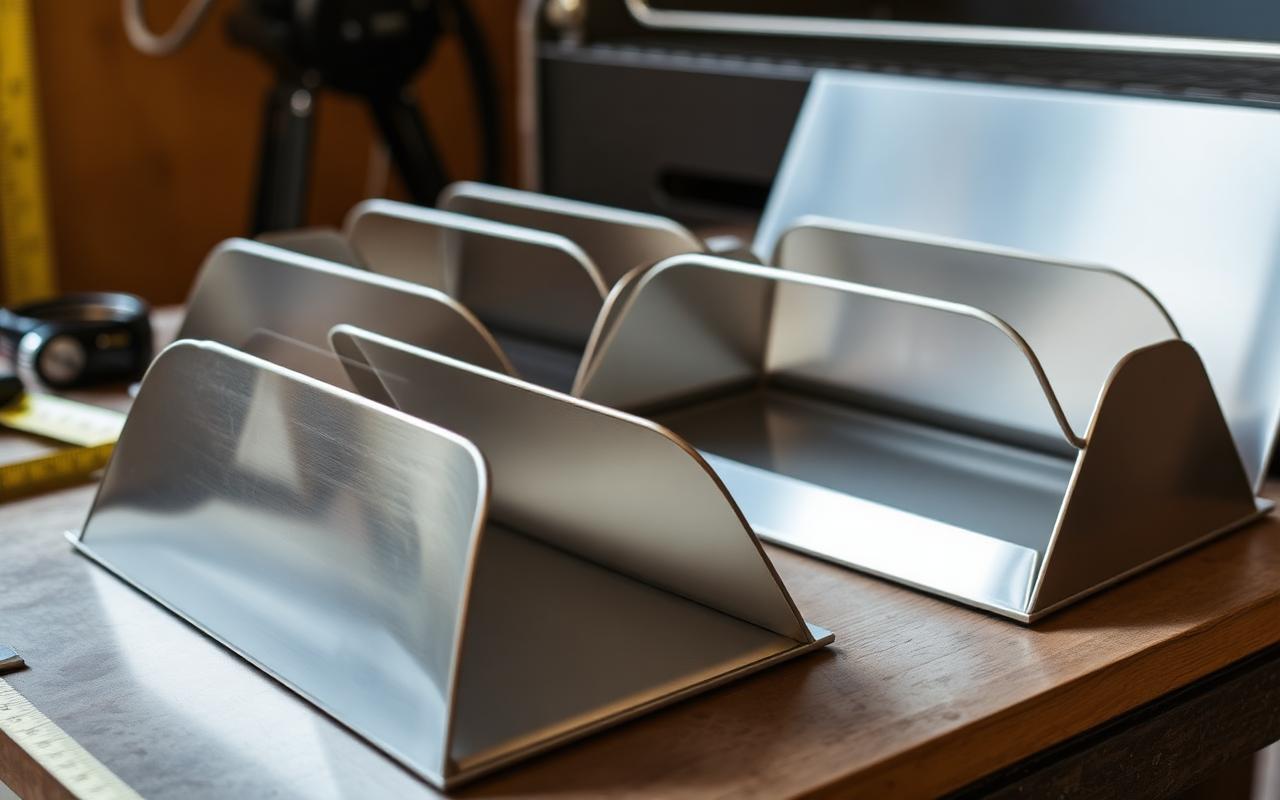
Heat shield, heat plate, heat tent, flame tamer, burner cover, flame cover — these are all names for the same physical part on a gas grill: the metal panels that sit between the burner tubes and the cooking grates. They protect the burners from grease drippings, vaporize juices for flavor, and distribute heat evenly across the cooking surface. They're also the most-replaced part on most gas grills (after igniters), failing every 2-3 years on budget grills and every 5-7 years on premium grills. After cross-referencing replacement parts catalogs, owner reports across BBQ Brethren and Reddit's r/grilling, and brand-specific compatibility data, here's the honest verdict on identifying your heat shields, when they need replacement, and which third-party replacements actually fit — including the universal-fit options that work across most major gas grill brands.
Start Here
Heat Shield, Heat Plate, Heat Tent, Flame Tamer — Same Part, Different Names
If you've been searching for replacement parts and getting confused by the terminology, here's the clarification: heat shield, heat plate, heat tent, flame tamer, burner cover, flame cover, heat deflector (in-grill use), flavorizer bar (Weber's proprietary name), and grill shield all refer to the same physical part. It's the metal panel that sits between the burner tubes and the cooking grates on a gas grill — typically tent-shaped or flat with raised edges, designed to protect the burner from drippings while vaporizing juices for flavor.
Different brands use different names for marketing reasons. Weber calls them "Flavorizer Bars." Char-Broil and most other brands call them "heat tents" or "heat plates." Generic third-party manufacturers call them "heat shields" or "flame tamers." Functionally identical; just different vocabulary. When shopping for replacements, search by your grill brand AND by the generic term ("heat plates" OR "heat tents" OR "flame tamers") to see all available options.
A separate but related product — sometimes confusingly called a "grill heat shield" — is a fireproof panel that mounts on a WALL behind your grill to protect siding, decking, or fences from radiant heat. That's a different product entirely (covered in Section 8 below). If you're searching for the in-grill component above the burner, you want what this page covers. If you're searching for a wall-mounted protection panel, jump to Section 8.
Diagnose First
5 Signs Your Heat Shields Need Replacing
Heat shields don't need replacement on a strict schedule — they fail when they fail. Here are the 5 signs that mean it's time to replace, ranked by urgency.
Sign 1: Rust Holes Visible Through the Plate
The most definitive sign. When you can see daylight through holes in the heat plate (typically along the bottom edge where grease accumulates), the plate is no longer protecting the burner below it. Drippings now hit the burner directly, accelerating burner failure. Replace immediately — a $20 heat plate replacement prevents an $80 burner replacement.
Sign 2: Plates Are Warped or Bent
Heat plates that have warped from heat cycling no longer sit flat over the burners. The result: uneven heat distribution, hot spots, and cold zones across the cooking surface. Warped plates also accelerate the wear of cooking grates above them. Replace within 1-3 cooks — warping gets worse fast.
Sign 3: Heavy Rust Coverage (More Than 50% of Surface)
If rust covers more than half of the plate's surface even after thorough cleaning, the structural integrity is compromised. The plate may still function, but it's actively shedding rust particles into the burner area below. Replace at next cleaning cycle rather than continuing to clean.
Sign 4: Yellow or Uneven Flames Below the Plates
A working heat plate distributes burner heat evenly. If you're seeing yellow flames (incomplete combustion), uneven flame patterns, or flames that lick high on one side and low on another, the plates may be obstructing or redirecting gas flow. Clean first; if cleaning doesn't restore even blue flames, replace.
Sign 5: Heavy Pitting or Flaking Coating
On porcelain-coated heat plates, look for chips that expose the steel underneath. Once exposed, the steel rusts within weeks regardless of cleaning. Pitted or chipped plates have ~6 months of useful life remaining. Plan replacement within 1-2 months of seeing significant porcelain damage.
When in doubt, replace. Heat plates cost $15-40 per set for most grills; the cost of NOT replacing (failed burners, uneven cooking, accelerated grease fires) is meaningfully higher. Don't let a $20 part become an $80+ replacement cascade.
Get the Right Fit
How to Measure Heat Plates Before Buying Replacements
Heat plate replacements come in dozens of sizes; ordering the wrong size is the #1 reason replacement parts get returned to Amazon. Before ordering, measure your existing plates with a tape measure and write down three dimensions: length (longest side), width (shortest side), and shape (flat rectangle, tent shape, or angled).
Most heat plates fall into standard size ranges: small (12-14 inches), medium (15-17 inches), and large (18-22+ inches). Most 4-burner gas grills use 4 medium plates totaling roughly 15-17 inches each in length. 6-burner grills use 6 plates of similar dimensions. Premium brands like Weber Genesis use Flavorizer bars that are specifically sized to that line — order Weber-specific Flavorizer bars by your model number for guaranteed fit.
Pay attention to the plate shape: flat plates with raised edges sit horizontally above the burner; tent-shaped plates have an inverted V profile that channels drippings to the sides. Most modern grills use tent shapes; older grills use flat plates. Mixing shapes during replacement compromises heat distribution.
Also measure the gap between burners — the heat plate length should match the full distance covered by each burner with about 1/2 inch of overlap on each end. Plates that are too short leave burner sections exposed; plates that are too long bend during installation.
Universal Options
Best Universal Heat Plates (Fits Most 4-6 Burner Gas Grills)
Universal 304 Stainless Steel Heat Plates (4 or 6-pack)
Stainless steel (304 grade) is the most durable heat plate material — typically lasts 5-8 years vs 2-3 years for porcelain-coated steel and 1-2 years for aluminum. Universal stainless heat plate sets from BBQ-Element, Uniflasy, and SafBbcue are sized for the most common 4-burner and 6-burner grills (15-17 inch plates). Verify dimensions against your existing plates before ordering.
Owner reviews across Amazon and BBQ Brethren consistently confirm that 304 stainless universal sets perform identically to brand-specific stainless options at 30-50% lower price. The trade-off: slightly less precise fit than brand-specific plates (they may have small gaps or overlaps depending on your grill's exact dimensions). For most owners, the cost savings outweigh the minor fit imprecision.
- Material: 304 stainless steel
- Pack size: 4 or 6 plates
- Plate size: 15-17 in (verify yours)
- Price tier: $35-65 per set
- Lifespan: 5-8 years
Universal Porcelain-Coated Steel Heat Plates (4-pack)
Porcelain-coated steel heat plates are the budget option — about half the price of stainless, with about half the lifespan. They work fine for casual grillers (under 30 cooks per year), but heavy users will replace them every 2-3 years vs every 5-8 years for stainless.
The porcelain coating prevents rust as long as it remains intact. When the coating chips (eventual, with use), the exposed steel rusts quickly. For owners who replace heat plates every few years anyway and don't want to spend $50+ on stainless, porcelain-coated is the budget-friendly choice.
- Material: Porcelain-coated steel
- Pack size: 4 plates
- Plate size: 15-17 in (verify yours)
- Price tier: $20-35 per set
- Lifespan: 2-3 years
By Brand
Heat Plate Replacements by Grill Brand
| Your Grill Brand | Recommended Replacement | Material | Price | Notes |
|---|---|---|---|---|
| Weber Spirit (200/300 series) | Weber Flavorizer Bars (Spirit-specific) or 304 stainless universal | Stainless steel | $40-70 | Weber's Flavorizer bars are heat plates with proprietary branding. Browse on Amazon |
| Weber Genesis (II, III, all generations) | Weber Genesis Flavorizer Bars | Stainless steel | $50-90 | Verify your Genesis model year for fit. Browse on Amazon |
| Weber Q-series (Q1200, Q2000, Q3200) | Weber Q-specific Flavorizer Bars | Stainless steel | $30-50 | Smaller portable grill design. |
| Char-Broil Performance / Performance Pro | Char-Broil 80003913 heat tent set or universal | Stainless or porcelain | $25-45 | Multiple options depending on burner count. Browse on Amazon |
| Char-Broil Commercial / Tru-Infrared | Char-Broil-specific heat tents | Stainless steel | $35-60 | Tru-Infrared models use different geometry — verify. Browse on Amazon |
| Nexgrill (most 4-burner models) | Nexgrill heat plates set or universal 4-pack | Stainless steel | $30-50 | Multiple Nexgrill model variations. Browse on Amazon |
| Monument Grills | Monument-specific or universal 4-pack | Stainless steel | $25-45 | Newer brand, fewer official parts options. |
| Pit Boss gas grills | Pit Boss heat plates or universal | Stainless steel | $30-50 | Pellet grills use different setup — see Pit Boss pellet notes. |
| Royal Gourmet 4-burner gas | Royal Gourmet heat plates or universal | Stainless or porcelain | $20-35 | Documented 2-3 year failure cycle. Browse on Amazon |
| Brinkmann (legacy brand) | Brinkmann-specific or universal (many discontinued) | Stainless steel | $25-40 | May need universal due to discontinuation. Browse universal |
| Kenmore (most 4-burner) | Universal stainless 4-pack | Stainless steel | $30-50 | Kenmore parts often Sears-specific; universal is safer. Browse universal |
Universal heat plates work for ~80% of gas grills if you measure accurately. Brand-specific plates cost slightly more but eliminate guesswork — particularly worth the premium for Weber Spirit/Genesis (proprietary Flavorizer bar geometry) and premium grills (Lynx, Bull, Solaire). For most other brands, universal stainless is the smart buy.
Installation
How to Replace Heat Plates: 6-Step DIY Guide
Heat plate replacement is one of the easiest grill repairs — typically 15-20 minutes with no special tools beyond a flathead screwdriver. Here's the standard process for most gas grills.
- Disconnect the propane tank or natural gas supply. Safety first — never work on a grill with active gas connection. Turn the tank valve fully off and disconnect the regulator hose.
- Wait for the grill to cool completely. If the grill was recently used, wait 60+ minutes. Hot heat plates are sharp and dangerous to handle.
- Remove the cooking grates. Lift them out and set aside. This exposes the heat plates below.
- Remove the old heat plates. Most heat plates simply lift out — they sit on small tabs or hangers attached to the grill body. Some Char-Broil and Nexgrill models have small clips or screws holding plates in place; check for these before forcing.
- Clean the burner area below. With heat plates removed, you have access to the burner tubes — a perfect time to brush them clean with a wire brush, clear any clogged gas ports with a thin needle, and vacuum loose ash and debris.
- Install the new heat plates. New plates should drop into place over the burners, sitting on the same tabs or hangers as the old ones. Verify each plate covers the full burner length below it. Replace cooking grates and reconnect gas.
Test the install: turn on the gas at the tank, light the grill, and watch the flames briefly. They should be even and blue. If you see uneven flames or yellow patches, the plates may be misaligned — re-check seating. Most issues resolve with a simple re-positioning.
Avoid These
5 Mistakes That Make Heat Plate Replacement Worse
- "Buying without measuring first" — The #1 mistake. Heat plates come in dozens of sizes; ordering generic "4-pack" without measuring your grill leads to plates that don't fit. Always measure existing plates first.
- "Mixing old and new plates" — Replacing only the worst plate while leaving 3 old plates creates uneven heat distribution. Replace all plates as a complete set, even if some are still functional. The cost difference between full-set and single-plate is usually $10-15.
- "Buying aluminum to save money" — Aluminum heat plates last 12-18 months and warp under high heat. The minimal savings vs porcelain-coated or stainless ($5-10) isn't worth the shorter lifespan.
- "Skipping the burner cleaning step during replacement" — When heat plates are out, you have access to burners. Brushing burners clean and clearing gas ports adds 5 minutes to the repair and meaningfully improves grill performance for the next 6-12 months.
- "Not checking for porcelain chip protection on coated plates" — Some porcelain-coated heat plates have chips visible from the factory. Inspect plates carefully before installing. Once installed, chips spread quickly during heat cycles. Return defective plates rather than installing them.
Different Product
Wall Heat Shields: Protecting Your House From Grill Heat
If you came here searching for a "grill heat shield" that mounts on the wall behind your grill, you're looking for a different product than the in-grill heat plates this page covers. Wall heat shields are fireproof or heat-resistant panels that mount on siding, decking, fences, or stucco BEHIND your grill to prevent radiant heat damage. These are commonly required when grills are positioned within 3 feet of combustible materials.
Wall heat shields are typically made of stainless steel, aluminum, or fiberglass-cement composite. They mount with screws or hanging brackets, sit 1-2 inches off the protected wall to allow air gap, and reflect/absorb radiant heat away from the wall. Common sizes are 24×36 inches up to 48×60 inches depending on your grill size and the wall area to protect.
For owners with vinyl siding, wood decking, or fences within 3 feet of their grill, wall heat shields are a real necessity — radiant heat from a gas grill at 500°F can melt vinyl siding within an hour of cooking. For owners with concrete, brick, or stone walls behind the grill, no shield is needed (these materials are inherently heat-resistant). Verify your situation before purchasing.
FAQ
Frequently Asked Questions
What are grill heat shields called?
What's the difference between a heat plate and a flame tamer?
How often should heat plates be replaced?
What size heat plates does my grill need?
Are universal heat plates as good as brand-specific replacements?
Should I replace just the rusted plate or all of them?
Can I clean rusted heat plates instead of replacing?
What's the difference between Weber Flavorizer bars and regular heat plates?
Will heat plates from a different brand fit my grill?
What's a 'heat shield for behind my grill' and how is it different?
Related Guides
Keep Reading
Live Guide
How to Stop Grill Flare-Ups: 7 Causes & Fixes
The 7 causes of grill flare-ups, food-specific tactics for burgers, chicken, and bacon, and which heat plates actually help.
Troubleshooting
How to Clean Rusty Grill Grates
Vinegar soak, baking soda paste, chainmail scrubber, and the diagnostic test for when rust means it's time to replace.
Troubleshooting
Grill Igniter Not Working: Diagnosis & Fix
Battery-first diagnostic for Weber, Char-Broil, Nexgrill, and Royal Gourmet — the $1.50 fix that solves 60% of cases.
Parts Hub
Weber Charcoal Grill Replacement Parts
Replacement grates, ash catchers, dampers, and accessories for every Weber kettle and Performer.
Parts Hub
Royal Gourmet Grill Parts Hub
Series-based replacement grates, heat plates, igniters, and burners for the CC1830 family and beyond.