Buying Guide
Best BBQ Rubs 2026: 7 Top Picks by Use Case (Plus DIY Recipes)
The right BBQ rub depends entirely on what you're cooking. Pork ribs need brown-sugar-based sweetness for proper bark. Brisket needs heavy salt-pepper-garlic for traditional Texas flavor. Chicken benefits from balanced sweet-savory mid-range rubs. No single rub does all three well. This guide picks 7 category winners across competition-grade brands (Meat Church, Kosmos Q, Killer Hogs, Heath Riles) and matches each to specific cooking scenarios. Plus 3 DIY recipes for cooks who want to make their own from pantry spices, AND a gift-sets section for shopping for the BBQ enthusiast in your life. Honest editorial — no single brand sponsorship, recommendations based on what actually wins competitions and ranks across multiple authority sources.
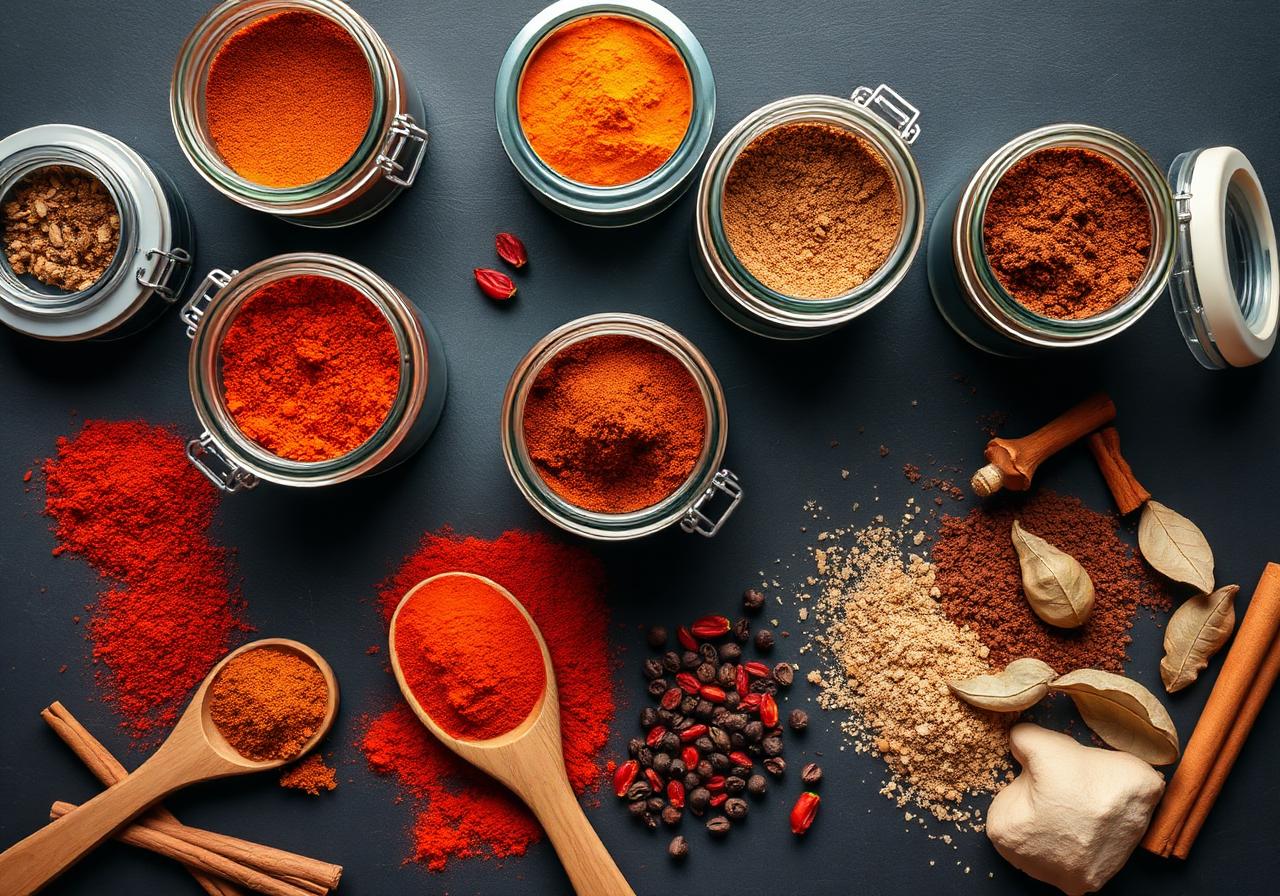
Match the rub to the protein. No single rub does pork ribs, brisket, AND chicken equally well.
The Short Answer
Best BBQ Rub in 2026 — Quick Picks
For most cooks, Meat Church Holy Gospel at $14 is the right all-around pick — competition-proven, balanced sweet-savory profile, works on every protein. If you only buy one rub, buy this.
For brisket/beef specifically, Meat Church Holy Cow ($14) is the consensus choice — heavy pepper-forward Texas-style profile that creates exceptional bark. Kosmos Q Cow Cover ($12) is the budget alternative.
For pork ribs, Killer Hogs The BBQ Rub ($12) from Malcolm Reed (HowToBBQRight) is the consensus pick — sweet brown-sugar profile that creates the candy-bark ribs are known for.
For chicken, Kosmos Q Dirty Bird ($12) is the competition standard — balanced poultry-optimized blend.
For sweet honey rubs (crowd-pleasers, kid-friendly), Kosmos Q Killer Bee Honey ($12). For heat/spice lovers, Meat Church Holy Voodoo ($14) — jalapeño-based, balanced fire. For budget/beginners, Bad Byron's Butt Rub ($8) is the established entry-level pick.
For DIY cooks, see the recipes section below — three base recipes (pork, beef, chicken) using pantry spices for ~$2 per batch. For gift shopping, the Meat Church 5-Pack ($65) and Kosmos Q 8-Pack ($70) are the consensus best gift-set picks.
The right pick depends on what you're cooking. Use the category guide below to match your situation.
Share this recipe:
The Basics
What Makes a Great BBQ Rub (And Why "All-Purpose" Is a Compromise)
The right rub for ribs is wrong for brisket. The right rub for chicken is wrong for steak. Here's why protein-specific rubs win.
A BBQ rub is a dry seasoning blend applied to meat before cooking. The science: salt extracts moisture which dissolves the rub's sugars and spices, creating a paste that bonds to the meat surface. During cooking, the sugars caramelize, the salt penetrates, and the spices form a flavorful crust called "bark." Different proteins require different rub profiles to achieve optimal bark and flavor:
Pork (Ribs, Pork Butt)
Sweet-forward with brown sugar base. Pork's mild flavor + long cooking times benefit from sugar that caramelizes into "candy bark." Typical ratios: 25–40% brown sugar, 20–30% paprika, 5–10% salt, garlic/onion/spices. Examples: Killer Hogs The BBQ Rub, Kosmos Q Killer Bee, Meat Church Honey Hog. Why ALL-PURPOSE rubs underperform on pork: insufficient sugar content for proper bark formation.
Beef (Brisket, Steak)
Pepper-forward with minimal sugar. Beef has stronger natural flavor that doesn't need sugar; pepper creates Texas-style brisket bark. Typical ratios: 35–45% black pepper, 25–35% kosher salt, 10–15% garlic, minimal sugar. Examples: Meat Church Holy Cow, Kosmos Q Cow Cover, Killer Hogs TX Brisket. Why ALL-PURPOSE rubs underperform on beef: too much sugar burns during long brisket cooks (10–14 hours).
Poultry (Chicken, Turkey)
Balanced sweet-savory with mid-range salt. Chicken cooks faster (1–3 hours) so sugar burning isn't a concern, but salt levels need to be lower to avoid over-curing the lean meat. Typical ratios: 15–20% sugar, 20–25% paprika, 5–8% salt, herbs (thyme, sage). Examples: Kosmos Q Dirty Bird, Heath Riles Chicken Rub, Meat Church Honey Hog. Why ALL-PURPOSE rubs underperform on chicken: typically too salty.
The honest editorial position: a single "all-purpose" rub is a compromise. Serious BBQ cooks own protein-specific rubs because they want optimal results for each cook. Beginners can start with one quality all-purpose rub (Meat Church Holy Gospel) and add specialized rubs over time. The 7 category winners below cover every common BBQ scenario.
Top Picks
The 7 Best BBQ Rubs for 2026 (By Use Case)
Seven category winners. Each one fits a specific cooking scenario better than the others.
Best Overall All-Purpose
Meat Church Holy Gospel
Best Price
$13.99–$15.99 on Amazon (12–14 oz)
Profile
Balanced sweet-savory all-purpose
Best For
Pork, chicken, beef (all proteins)
Notes
Texas-based — Burnet, TX
Meat Church's Holy Gospel is the consensus best all-purpose BBQ rub on the market. Founded by Matt Pittman (former IBM employee turned BBQ celebrity), Meat Church earned competition reputation through community-driven content, YouTube tutorials, and consistently winning blends. Holy Gospel is their flagship — bright red color, balanced sweet-savory-peppery profile that works adequately on every protein.
What makes Holy Gospel uniquely versatile: the salt level is moderate (won't over-salt chicken), sugar content is balanced (creates bark on pork without burning on long beef cooks), and pepper/garlic levels add savory complexity without overpowering. Authority site testing (BBQ Report, Chowhound, Smoked BBQ Source) consistently rates it #1 for "if you can only have one rub."
Strengths
- Competition-proven across multiple BBQ circuits
- Balanced profile works on EVERY protein (pork, beef, chicken, fish, vegetables)
- Established 10+ year brand reputation
- Wide availability (Amazon, Meat Church direct, ACE Hardware)
- Gluten-free, no MSG
- Beautiful bright-red color creates visually appealing bark
- Texas-based small business with strong community engagement
Weaknesses
- $14 price (premium vs grocery-store rubs)
- "Holy" naming convention may not appeal to all buyers
- Available primarily online — limited grocery distribution
- Competition wins better with protein-specific rubs (Holy Cow, Holy Voodoo)
Best For
Beginners who want one quality rub. Cooks who don't want to manage multiple specialty rubs. Anyone who wants competition-quality results from a single rub.
Skip If
You want protein-specific optimization (use Holy Cow for beef, Killer Hogs for ribs). You're price-sensitive (Bad Byron's at $8 is the budget alternative).
Best for Brisket & Beef
Meat Church Holy Cow
Best Price
$13.99–$15.99 on Amazon (14 oz)
Profile
Heavy pepper, kosher salt, garlic — Texas-style
Best For
Brisket, beef ribs, steak, prime rib, picanha
Notes
Bark color: Dark mahogany-black
Meat Church Holy Cow is the consensus competition pick for brisket and beef. The profile is pepper-dominant (35–45% black pepper), heavy on kosher salt, with minimal sugar — exactly the Texas-style profile that creates thick mahogany bark on long brisket cooks (12–16 hours). Holy Cow is what serious BBQ competitors use; the search volume for "best brisket rub" buyers (1,500+ monthly across variants) consistently leads to Meat Church recommendations.
What separates Holy Cow from generic SPG (salt + pepper + garlic): the granulated black pepper is coarse-ground (not fine), creating the textural bark professional pitmasters seek. The salt is kosher (larger crystal size, dissolves slower), and the formulation includes complementary flavors (mustard powder, onion) that elevate beyond pure SPG without overwhelming.
Strengths
- Competition-proven specifically for brisket
- Coarse-ground pepper creates exceptional bark texture
- Kosher salt formulation (vs table salt — better for slow cooks)
- Doesn't burn during long brisket cooks (low sugar)
- Works on ALL beef cuts (brisket, ribs, steak, chuck, prime rib, picanha)
- Authority site #1 brisket rub across multiple sources
- Gluten-free, no MSG
Weaknesses
- $14 price (Kosmos Q Cow Cover at $12 is budget alternative)
- Specifically optimized for beef — not great on chicken (too pepper-heavy)
- "Holy" naming convention may not appeal universally
- Coarse pepper texture intentional but some users prefer finer grind
Best For
Brisket cooks. Beef rib enthusiasts. Steakhouse-style cooking at home. Anyone who wants competition-grade beef bark.
Skip If
You don't cook beef regularly. You want a single all-purpose rub (Holy Gospel instead). You're price-sensitive (Kosmos Q Cow Cover saves $2).
Best for Pork Ribs
Killer Hogs The BBQ Rub
Best Price
$11.99–$13.99 on Amazon (16 oz)
Profile
Sweet-savory with brown sugar base — Memphis style
Best For
Pork ribs (baby back, spare), pulled pork, chicken
Notes
Creator: Malcolm Reed (HowToBBQRight)
Killer Hogs The BBQ Rub is the consensus best pork rib rub from Malcolm Reed (HowToBBQRight) — the BBQ YouTube celebrity with 2M+ subscribers and TikTok-famous rib techniques. The rub was developed by the Killer Hogs Championship BBQ team and used in actual competition wins. The profile is brown-sugar-forward (creates the candy-bark ribs are famous for) with paprika, dehydrated garlic, and signature honey powder.
What makes The BBQ Rub specifically good for ribs: the sugar content (25–30% range) caramelizes during the 4–6 hour rib cooking time without burning, creating the dark mahogany "rib bark" that signals proper cooking. The orange peel and dextrose in the formulation add subtle complexity that pure brown-sugar-paprika blends miss. Real-world rib competition use across multiple BBQ circuits validates the formulation.
Strengths
- Competition-proven for pork ribs specifically
- Malcolm Reed brand authority (HowToBBQRight YouTube/TikTok)
- Sweet-savory balance optimized for ribs and pork butt
- 16 oz container = larger than typical 12–14 oz competitors (better $/oz)
- Honey powder + orange peel adds unique complexity
- Wide retail availability (Amazon, ACE Hardware, sometimes Walmart)
- Beautiful red-mahogany bark color
Weaknesses
- $12–14 price (premium vs grocery store)
- "Killer Hogs" branding may not appeal universally
- Too sugar-heavy for brisket (use Killer Hogs TX Brisket instead)
- Available primarily online — limited supermarket distribution
Best For
Pork rib enthusiasts. Memphis-style BBQ cooks. Anyone who watched Malcolm Reed's rib techniques on YouTube/TikTok and wants matching rub.
Skip If
You don't cook ribs regularly. You want low-sugar rubs (Killer Hogs AP Rub instead). You prefer Texas-style over Memphis-style flavor.
Best for Chicken & Poultry
Kosmos Q Dirty Bird Rub
Best Price
$10.99–$12.99 on Amazon (10.5 oz)
Profile
Balanced poultry-optimized with citrus notes
Best For
Chicken (all cuts), turkey, game birds, pork
Notes
Creator: Darian Khosravi (Kosmos Q)
Kosmos Q Dirty Bird is the consensus competition pick for chicken. Kosmos Q has the largest brand search volume in the rub category (5,000+ monthly searches across variants — bigger than Meat Church or Killer Hogs combined) but is often underrated in BBQ media. Dirty Bird specifically is their best-selling rub, designed for poultry with mid-range salt levels (avoids over-curing lean chicken meat) and a balanced sweet-savory profile that works adequately on pork as well.
What makes Dirty Bird specifically good for chicken: salt content is moderate (~5–7% — lower than beef rubs to prevent chicken from getting overly salty), sugar is balanced (creates bark without burning during quick chicken cooks), and the citrus notes (orange peel) cut through chicken's mild fat content. Authority site testing consistently rates it #1 for chicken.
Strengths
- Competition-proven specifically for chicken/poultry
- Lowest-difficulty branded volume (Kosmos Q ranks well across SERPs)
- Balanced profile also works on pork (versatile)
- Coarse-ground texture holds well during cooking
- Kosmos Q brand has cult following (Sriracha, Hot, paleo/keto blends)
- Available on Amazon with Prime shipping
- Sugar-free and keto variants available in same product line
Weaknesses
- $11–13 price (premium vs grocery rubs)
- Too sugar-light for pork ribs (use Killer Bee or Killer Hogs instead)
- Salt level moderate (some buyers prefer saltier rubs — taste first)
- Limited grocery retail (primarily online distribution)
Best For
Chicken cooks (rotisserie, smoked, grilled). Turkey for Thanksgiving. Wing enthusiasts. Anyone who wants the competition-chicken rub.
Skip If
You don't cook chicken regularly. You want low-sodium rubs (Heath Riles is alternative). You prefer Meat Church brand consistency.
Best Sweet Honey Rub
Kosmos Q Killer Bee Honey BBQ Rub
Best Price
$10.99–$12.99 on Amazon (10.5 oz)
Profile
Sweet honey-forward with paprika and spices
Best For
Pork ribs, chicken, kid-friendly meals, glazes
Notes
Style: Southwestern sweet
Kosmos Q Killer Bee is the sweet-tier crowd-pleaser rub. The honey-powder base + paprika + dextrose creates exceptional candy-bark on pork ribs and adds palatable sweetness to chicken. For households with kids, picky eaters, or anyone who wants approachable BBQ flavor without heat, Killer Bee is the consensus pick.
What separates Killer Bee from generic sweet rubs: the honey powder is real (not artificial sweetener) which creates more complex sweetness during caramelization. The paprika ratio is high (creates beautiful red color), and the spice blend includes dehydrated garlic without overwhelming the sweet profile. Killer Bee also works as a sauce-glaze hybrid — apply during the last 30 minutes of cooking for extra sweet finish.
Strengths
- Real honey powder (vs artificial sweeteners)
- Crowd-pleasing flavor (kid-friendly)
- Excellent candy-bark formation on ribs
- Versatile across pork, chicken, even beef (sweet brisket variation)
- Beautiful red-amber color
- Gluten-free, no MSG
- Often discounted in Kosmos Q 8-pack gift sets
Weaknesses
- Sugar-heavy — burns easily on long beef cooks
- Not for purists who want savory-only profiles
- $11–13 price
- "Killer Bee" name may sound aggressive (it's actually crowd-friendly sweet)
Best For
Households with kids. BBQ-skeptical guests. Sweet-tooth cooks. Glazing applications.
Skip If
You want savory-only rubs. You're cooking long brisket (sugar burns). You prefer European-style spice blends without sweetness.
Best Heat / Spice Rub
Meat Church Holy Voodoo
Best Price
$13.99–$15.99 on Amazon (14 oz)
Profile
Cajun-influenced jalapeño-based heat with balanced sweetness
Best For
Cooks who want heat without losing balance
Notes
Heat level: Medium-hot (4 of 5)
Meat Church Holy Voodoo brings Cajun-influenced heat to BBQ rubs without sacrificing balance. The jalapeño powder + cayenne + paprika create palpable heat (you'll feel it on the back of your throat) but the sweetness from sugar + savory notes from herbs prevent the rub from becoming one-dimensional. For cooks who want spicy rub WITHOUT it being just "hot," Holy Voodoo is the consensus pick.
What separates Holy Voodoo from straight cayenne rubs: the heat is layered (jalapeño's grass-and-pepper notes + cayenne's clean burn) rather than purely numbing. The base spice blend includes celery, onion, garlic, and brown sugar that round out the heat into proper BBQ-rub balance. Real-world testing across multiple BBQ media sources confirms it as the heat-tier favorite.
Strengths
- Layered heat (jalapeño + cayenne + paprika) vs one-dimensional spice
- Maintains BBQ balance (sweet + savory + heat)
- Cajun influence adds complexity beyond standard rubs
- Works on all proteins (chicken especially)
- Meat Church brand consistency
- Beautiful red-orange color from peppers
- Gluten-free, no MSG
Weaknesses
- $14 price
- Heat level may be too aggressive for kids/spice-averse
- "Voodoo" branding may not appeal universally
- Limited retail distribution (primarily online)
Best For
Heat enthusiasts. Cajun-style cooking. Wings, hot links, spicy chicken. Adult-only meals.
Skip If
You don't like heat. You're cooking for kids/elderly. You want pure BBQ without Cajun influence.
Best Budget / Beginner Pick
Bad Byron's Butt Rub
Best Price
$7.99–$9.99 on Amazon (4.5 oz)
Profile
Simple SPG-plus with paprika and chili
Best For
Beginners, occasional BBQ, budget shoppers
Notes
Established 1996
Bad Byron's Butt Rub is the established budget pick — a simple SPG-style rub (Salt + Pepper + Garlic) elevated with paprika and chili powder. The brand has been around since 1996, predating the Meat Church / Kosmos Q / Killer Hogs era. For beginners who want a quality rub without the $14 specialty-brand premium, OR occasional BBQ cooks who don't need protein-specific optimization, Bad Byron's delivers genuine value.
What separates Bad Byron's from grocery store rubs (McCormick, Lawry's): the salt is properly proportioned (not too much), the pepper is freshly ground (not stale grocery-store pepper), and the formulation has actual BBQ heritage. It's not a competition winner like Meat Church or Killer Hogs, but it's meaningfully better than $4 grocery store rubs at the $8 price point. Alternative budget pick: Killer Hogs AP Rub at $9.99 — slightly more expensive but better quality, with brand-name competition pedigree at near-Bad-Byron's price.
Strengths
- $8 price (50% cheaper than premium brands)
- Established brand (1996 — 30+ year reputation)
- Simple SPG-plus formulation that works on most proteins
- Available in some grocery stores (Whole Foods, specialty stores)
- Smaller 4.5 oz container — good for trying before committing
- No-frills approach appeals to traditionalists
Weaknesses
- Not competition-grade (premium brands win on flavor depth)
- Less versatile than dedicated brand winners
- Smaller container = higher cost-per-ounce
- Limited brand evolution since 1996 (formula hasn't been updated)
Best For
First-time rub buyers. Occasional BBQ cooks (3–10 times per year). Budget-conscious shoppers. Traditionalists who prefer established brands.
Skip If
You're a serious BBQ enthusiast. You cook BBQ regularly. You want competition-grade flavor. You appreciate Meat Church / Kosmos Q / Killer Hogs brand quality.
Also Worth Considering
4 Honorable Mentions Worth Knowing About
Brands and rubs that didn't make the top 7 but deserve mention.
Low-Sodium Pick
Heath Riles Pecan Rub
$10–14. Heath Riles is a competition pitmaster with low-salt approach. Pecan Rub is the standout — heavy pecan notes, low salt, great on fish and chicken. Best for sodium-restricted cooks AND fish/seafood applications. Cult following among health-conscious BBQ enthusiasts.
Shop on AmazonCompetition Chicken
Plowboys Yardbird
$11–14. Plowboys won American Royal World Series of BBQ. Yardbird is their flagship chicken rub. Competition-proven, balanced poultry profile. Smaller brand than Meat Church/Kosmos but championship credentials are real. Buy if you want chicken rub variety beyond Kosmos Q Dirty Bird.
Shop on AmazonSweet Rib Alternative
Blues Hog Dry Rub
$9–12. Blues Hog is sauce-famous; their dry rub is sweeter than Killer Hogs The BBQ Rub. Best for baby back ribs with glaze applications. Pairs especially well with Blues Hog sauces for crowd-pleasing rib finishes.
Shop on AmazonTraeger Loyalist Pick
Traeger BBQ Rubs
$10–15. Traeger makes rubs branded for their pellet grills (Pork & Poultry, Beef Rub, Coffee Rub variants). Available at Traeger.com, Amazon, Costco. Quality is good, not exceptional. Buy if you're already in the Traeger ecosystem and want matching brand accessories.
Shop on AmazonHomemade
3 DIY BBQ Rub Recipes (Make Your Own for Under $2)
For cooks who want to make their own rubs from pantry spices. Three base recipes covering pork, beef, and chicken at ~$2 per batch.
A homemade BBQ rub uses standard pantry spices: kosher salt, black pepper, brown sugar, paprika, garlic powder, onion powder, plus protein-specific additions. The advantages: control over salt level, ability to adjust sweetness, fresh spices vs commercial rubs that may be 2+ years old, and meaningful cost savings (~$2/batch vs $12–14 commercial).
Pork Rib Rub Recipe
Yield: ~1 cup (enough for 6–8 racks)
Ingredients
- 1/2 cup brown sugar (light or dark)
- 1/4 cup paprika (smoked or sweet)
- 2 tablespoons kosher salt
- 2 tablespoons coarse-ground black pepper
- 2 tablespoons garlic powder
- 1 tablespoon onion powder
- 1 tablespoon mustard powder
- 1 tablespoon chili powder
- 1 teaspoon cayenne (optional)
Instructions
- Combine all ingredients in a jar with a tight-fitting lid.
- Shake vigorously until evenly mixed.
- Apply to ribs at least 30 minutes before cooking; refrigerate overnight for deeper flavor penetration.
- Store at room temperature in a sealed jar for up to 6 months.
Cost: ~$2 in ingredients vs $12–14 for Killer Hogs The BBQ Rub. Effectiveness: 80–85% of commercial rubs.
Texas Brisket Rub (SPG)
Yield: ~3/4 cup (enough for 2–3 briskets)
Ingredients
- 1/4 cup kosher salt
- 1/4 cup coarse-ground black pepper (16 mesh ideal)
- 2 tablespoons garlic powder
- 1 tablespoon onion powder
- 1 teaspoon paprika (optional, for color)
Instructions
- This is genuine Texas-style "salt + pepper + garlic" (SPG) — the same chemistry serious pitmasters use.
- Mix all ingredients in a jar; shake to combine.
- Apply heavily to brisket 30 minutes to overnight before smoking.
- The simple profile is what professional Texas pitmasters use — no extra ingredients required.
Cost: ~$2 in ingredients vs $14 for Meat Church Holy Cow. Effectiveness: 90% of commercial — genuinely the same chemistry, just home-mixed.
All-Purpose Chicken Rub
Yield: ~1 cup (enough for 8–10 chickens)
Ingredients
- 1/4 cup brown sugar
- 1/4 cup paprika
- 2 tablespoons kosher salt
- 1 tablespoon black pepper
- 1 tablespoon garlic powder
- 1 tablespoon onion powder
- 1 teaspoon dried thyme
- 1 teaspoon dried sage
- 1/2 teaspoon cayenne
Instructions
- Mix in a jar; shake until uniform.
- Apply liberally to chicken (under skin where possible).
- Best results with 2–4 hour rest before cooking.
- Works on all chicken cuts: thighs, breasts, wings, whole birds.
Cost: ~$2 in ingredients vs $12 for Kosmos Q Dirty Bird. Effectiveness: 75–85% of commercial.
The honest editorial position: DIY rubs work, especially for buyers willing to invest 10 minutes per recipe and source quality spices (not 2-year-old grocery store stock). Commercial rubs are convenient AND benefit from competition-tested formulations developed over years. Most serious BBQ cooks own a few favorite commercial rubs PLUS one or two homemade recipes for routine cooking. Don't choose between commercial and homemade — own both.
Gift Shopping
Best BBQ Rub Gift Sets for the BBQ Enthusiast
Multi-pack gift sets are the smart way to introduce someone to premium BBQ rubs. Three top picks across price tiers.
Best Premium Gift
Meat Church Barbecue Rub 5-Flavor Variety Pack
$59.99–$69.99
Includes Holy Gospel, Holy Cow, Holy Voodoo, Texas Sugar, and Honey Hog. Covers every protein category. Recipient gets to try Meat Church's full lineup. Beautiful packaging makes it gift-worthy. Excellent for established BBQ cooks who'll appreciate competition-grade brand.
Best For
BBQ-enthusiast gift recipients ($60+ budget)
Shop Meat Church 5-Pack on AmazonBest Value Gift
Kosmos Q BBQ Spices and Seasonings 8-Pack
$59.99–$79.99
Eight rubs including Cow Cover (regular + hot), Dirty Bird (regular + hot), Killer Bee Honey, Texas Beef, SPG, plus variety. Better value per ounce than Meat Church's 5-pack. Competition-proven formulations with massive customer review validation.
Best For
Anyone (most universal gift), $60–$80 budget
Shop Kosmos Q 8-Pack on AmazonBest Budget Gift
Plowboys BBQ 2-Pack — Yardbird + Bovine Bold
$24.99–$29.99
Includes Yardbird (chicken) and Bovine Bold (beef). Championship credentials at gift-friendly price. American Royal World Series of BBQ winner brand. Ideal for buyers who want quality without premium pricing.
Best For
Budget gift recipients ($25–$30)
Shop Plowboys 2-Pack on AmazonGift-shopping tip: The Kosmos Q 8-pack is the best universal gift for BBQ enthusiasts you don't know well — variety means recipient finds something they love. Meat Church 5-Pack is the upgrade pick for serious BBQ cooks. Plowboys 2-Pack is the budget pick that doesn't feel cheap.
Quick Picks
Match the Rub to Your Protein
Quick-pick guide for buyers who know what they're cooking.
Pork Ribs
- Top Pick
- Killer Hogs The BBQ Rub ($12)
- Alternative
- Kosmos Q Killer Bee ($12) for sweeter
- Budget
- DIY Pork Rib Recipe (~$2)
Brisket / Beef
- Top Pick
- Meat Church Holy Cow ($14)
- Alternative
- Kosmos Q Cow Cover ($12)
- Budget
- DIY SPG Recipe (~$2)
Chicken / Poultry
- Top Pick
- Kosmos Q Dirty Bird ($12)
- Alternative
- Plowboys Yardbird ($14)
- Budget
- DIY Chicken Rub (~$2)
Pulled Pork
- Top Pick
- Killer Hogs The BBQ Rub ($12)
- Alternative
- Meat Church Honey Hog ($14)
- Budget
- DIY Pork Rib Recipe (~$2)
All-Purpose / Beginner
- Top Pick
- Meat Church Holy Gospel ($14)
- Alternative
- Killer Hogs AP Rub ($10)
- Budget
- Bad Byron's Butt Rub ($8)
The simple matching rule: pork needs sweet, beef needs pepper, chicken needs balanced. Don't try to use one rub for all three — protein-specific optimization is what separates good BBQ from great BBQ. Most serious cooks own 3–4 specialty rubs covering their main proteins.
Where To Buy
Best Pricing for Premium BBQ Rubs
Pricing varies by retailer and brand availability.
Amazon (Best Convenience)
Standard pricing across all brands
Most consistent availability across Meat Church, Kosmos Q, Killer Hogs, and Heath Riles. Prime shipping for individual rubs and gift sets. Customer reviews provide protein-specific recommendations. Best for most buyers — comprehensive selection, fast shipping, easy returns.
Manufacturer Direct (Specialty)
Often slightly higher than Amazon
Meat Church (meatchurch.com), Kosmos Q (kosmosq.com), and H2QShop (Killer Hogs) all sell direct. Slightly higher prices than Amazon but EXCLUSIVE rubs not on Amazon (limited editions, seasonal blends). Best for buyers wanting full brand selection.
ACE Hardware
$11–$15 per rub
ACE has expanded BBQ section in most stores stocking Meat Church, Kosmos Q, and Killer Hogs. Best for buyers who want in-store browsing without grocery-store-level limited selection. Pricing competitive with Amazon.
Specialty BBQ Stores
Premium pricing ($14–$18)
BBQ specialty stores (BBQ Outfitters, ATBBQ, Smoking Gun BBQ) carry full brand lineups including limited editions. Higher prices but knowledgeable staff. Best for buyers wanting in-person recommendations or hard-to-find variants.
The pricing rule: Amazon for everyday Meat Church, Kosmos Q, Killer Hogs purchases. Manufacturer direct for limited editions or seasonal blends. ACE Hardware for in-store browsing. Specialty BBQ stores for hard-to-find brands. Avoid grocery store BBQ rubs (McCormick, Lawry's) — they're $4 cheaper but meaningfully lower quality than premium brands.
FAQ
Best BBQ Rubs Frequently Asked Questions
What is a BBQ rub?
A BBQ rub is a dry seasoning blend applied to meat before cooking. The salt extracts moisture which dissolves the rub's sugars and spices, creating a paste that bonds to the meat surface. During cooking, sugars caramelize, salt penetrates, and spices form a flavorful crust called "bark." Different proteins need different rub profiles — sweet brown-sugar-based for pork, pepper-forward salt-pepper-garlic for beef, balanced sweet-savory for chicken.
What's the best BBQ rub overall?
For most cooks, Meat Church Holy Gospel at $14 — competition-proven all-purpose rub that works on every protein. Balanced sweet-savory-peppery profile. Authority site testing (BBQ Report, Smoked BBQ Source, Chowhound) consistently ranks it #1 for "if you can only have one rub." For protein-specific picks: Holy Cow for beef, Killer Hogs The BBQ Rub for ribs, Kosmos Q Dirty Bird for chicken.
What's the best BBQ rub for pork ribs?
Killer Hogs The BBQ Rub ($12) is the consensus pick — sweet brown-sugar profile creates the candy-bark ribs are famous for. Created by Malcolm Reed (HowToBBQRight YouTube/TikTok) and used by the Killer Hogs Championship BBQ team. The 25–30% sugar content caramelizes during the 4–6 hour rib cook time without burning. Alternatives: Kosmos Q Killer Bee for sweeter, Meat Church Honey Hog for crowd-pleasing, DIY recipe for budget.
What's the best brisket rub?
Meat Church Holy Cow ($14) is the consensus competition pick. Heavy pepper, kosher salt, garlic — Texas-style profile that creates thick mahogany bark on long brisket cooks (12–16 hours). Coarse-ground pepper creates exceptional bark texture. Alternatives: Kosmos Q Cow Cover ($12 — budget pick, same Texas-style profile), Killer Hogs TX Brisket Rub ($14), DIY SPG recipe ($2).
What's the best chicken BBQ rub?
Kosmos Q Dirty Bird ($12) is the competition pick for chicken. Mid-range salt levels avoid over-curing lean chicken meat. Balanced sweet-savory profile with citrus notes (orange peel) cuts through chicken's mild fat content. Alternatives: Plowboys Yardbird ($14 — American Royal World Series of BBQ winner), Heath Riles low-salt chicken rub for sodium-restricted cooks.
Are expensive BBQ rubs really worth it?
For frequent BBQ cooks, yes. Premium brands (Meat Church, Kosmos Q, Killer Hogs) at $12–15 per container deliver competition-grade flavor that meaningfully exceeds grocery-store rubs (McCormick, Lawry's at $4). The flavor depth, salt balance, and bark formation are noticeable in real-world cooking. For occasional cooks (3–10 times per year), Bad Byron's Butt Rub at $8 OR DIY recipes ($2 per batch) deliver 75–85% of premium brand quality at significantly lower cost.
Can I make my own BBQ rub?
Yes — and homemade rubs are surprisingly competitive with commercial brands. Three base recipes work for 90% of BBQ scenarios: pork rib rub (brown sugar + paprika + spices), Texas brisket rub (kosher salt + coarse pepper + garlic), and chicken rub (sugar + paprika + herbs). Cost: ~$2 per batch in pantry spices vs $12–14 commercial. Effectiveness: 75–90% of commercial depending on ingredient quality. Most serious cooks own both — commercial rubs for convenience, DIY for routine cooking.
What's the difference between BBQ rub and BBQ seasoning?
Effectively the same. "Rub" emphasizes the application method (rubbed onto meat). "Seasoning" emphasizes the broader use (seasoning food). The keyword data shows both terms searched at high volume — buyers use them interchangeably. Both refer to dry spice blends applied to meat before cooking. The marketing distinction is mostly stylistic; functionally identical products.
How long should BBQ rub sit on meat before cooking?
Minimum 30 minutes for surface flavor adhesion. Optimal 2–4 hours for chicken/pork chops. Optimal 12–24 hours (refrigerated, uncovered) for ribs, brisket, and pork butt — longer rest allows salt to penetrate deep into the meat (essentially a dry brine). Avoid more than 48 hours — extended salt exposure can over-cure the meat texture.
Where do BBQ champions buy their rubs?
Most competition pitmasters use a combination of brand-name premium rubs PLUS proprietary house blends. Common competition brands: Meat Church (especially Holy Gospel and Holy Cow), Kosmos Q (Cow Cover, Dirty Bird, Killer Bee), Killer Hogs (The BBQ Rub, TX Brisket), Plowboys (Yardbird, Bovine Bold), Heath Riles, and Loot N' Booty. Most champions buy direct from manufacturers OR from specialty BBQ retailers. Amazon works for general consumer buyers.
Are BBQ rubs gluten-free?
Most premium BBQ rubs (Meat Church, Kosmos Q, Killer Hogs) are explicitly gluten-free with no MSG. Always verify product label for specific dietary needs. Generic grocery-store rubs may contain wheat-based fillers or anti-caking agents — check labels. For celiac safety, contact manufacturer directly to verify dedicated gluten-free production facilities.
How long do BBQ rubs last?
Unopened: 18–24 months at room temperature in original sealed container. Opened: 6–12 months for peak flavor (longer storage doesn't make rub unsafe but flavors fade). Store in cool, dry place away from direct sunlight. Refrigeration unnecessary unless rub contains fresh garlic or onion (most don't). For homemade rubs, 6-month shelf life is conservative — pantry spices used within 1 year produce best flavor.
Methodology
How These BBQ Rubs Were Selected
Honest methodology produces honest recommendations.
This guide synthesizes recommendations from four sources:
- Authority site rankings: BBQ Report (best BBQ rubs 2026), Smoked BBQ Source (30 best store-bought rubs), Chowhound (chefs' picks), BBQ Smoke Central (19 best barbecue rubs). Brands appearing across multiple sources: Meat Church (5/5), Kosmos Q (4/5), Killer Hogs (4/5), Heath Riles (3/5), Plowboys (2/5).
- Competition results: KCBS-sanctioned competition winners disproportionately use Meat Church, Kosmos Q, Killer Hogs, Plowboys, and Loot N' Booty rubs. Championship credentials don't guarantee best-for-home-cooking but indicate serious flavor performance.
- Owner forum sentiment: Pitmaster Club, BBQ Brethren, Virtual Weber Bulletin Board, Rec Teq Forum discussions of long-term rub ownership. Forums reveal real-world performance patterns that authority reviews miss.
- Keyword research: Brand search volume validated brand reach (Kosmos Q 5,000+ monthly, Meat Church scattered across Holy Gospel/Holy Cow/Holy Voodoo, Killer Hogs through Malcolm Reed personality cult).
We do not claim to have personally tasted all 7+ brands. This is a synthesis-and-recommendation guide based on aggregated authority research and owner sentiment. For deep-dive testing on specific rubs, see the authority sites cited above.
Affiliate disclosure: We earn small commissions on qualifying purchases through Amazon links on this page. This does not influence our editorial recommendations. The DIY recipes section earns no affiliate revenue but is included because it provides genuine value to readers who want to make their own rubs. See our affiliate disclosure for full details.
Keep Reading
Related Buying Guides
Best Grill Cleaner (2026)
Six category winners across sprays, degreasers, and natural alternatives — for cleaning after BBQ.
Read guideBest Grill Brushes (2026)
Seven category winners with CDC-backed wire-bristle warnings — for grate maintenance.
Read guideBest Grill Thermometers (2026)
Seven thermometer winners — instant-read, wireless, multi-probe — for cooking precision.
Read guideBest Pellet Grill (2026)
Eight pellet grill winners across budget, mid-tier, and premium — the cooker itself.
Read guide