Weeknight Recipe
Smoked Pork Tenderloin: The 1-Hour Weeknight Pork Recipe (Pull at 145°F)
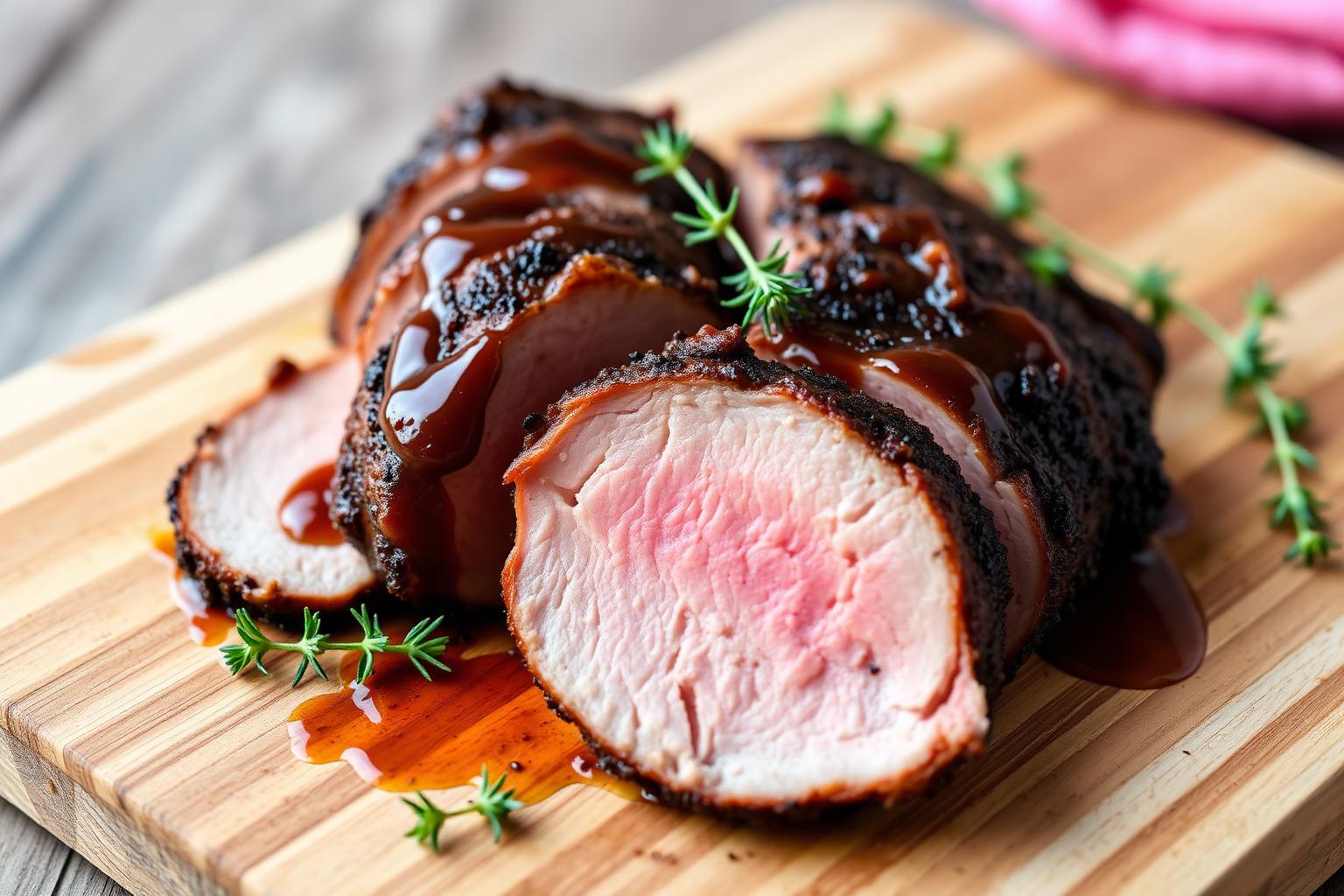
Smoked pork tenderloin is the fastest smoker pork recipe you'll ever cook — done in 1-1.5 hours, juicy, and meaningfully better than oven-roasted pork tenderloin. Two critical things most home cooks miss: First, pork tenderloin (the small 1-1.5 pound cut that comes in pairs) is NOT pork loin (the much larger 3-5 pound roast) — they cook completely differently. Second, the USDA changed the pork minimum temperature from 160°F to 145°F in 2011. If you're still cooking pork to 160°F+, you're cooking it to death. Modern pork at 145°F is fully safe AND juicy. Total time: 1-1.5 hours of mostly hands-off smoking. The weeknight pork dinner that beats every grocery-store rotisserie alternative.
The Recipe
Smoked Pork Tenderloin
Rated 4.9 — based on 287 reader ratings
Prep Time
5 min (+ optional 4-12 hr brine)
Cook Time
60-90 min
Rest Time
5-10 min
Serves
4-6
Smoker temp: 225°F (Super Smoke if available)
Pull temp: 145°F internal (USDA-safe, juicy)
Recommended pellets: Apple, Cherry, Pecan, or Traeger Signature Blend
Share this recipe:
Key Distinction
Pork Tenderloin vs Pork Loin: Two Different Cuts
The most common mistake in pork tenderloin recipes: home cooks buy pork loin instead. They're completely different cuts with different cook times. Here's how to tell them apart.
Walk into any grocery store and you'll see two cuts that sound similar: "pork tenderloin" and "pork loin." Sometimes the labels get mixed up. Sometimes shoppers grab the wrong package. The difference matters — using a pork loin in a tenderloin recipe produces dry, raw, or completely undercooked results.
This Recipe
Pork Tenderloin
- Size: 2 inches diameter, 10-12 inches long
- Weight: 1-1.5 lbs each (sold in pairs, 2-3 lbs per package)
- Shape: Long, thin, cylindrical — like a fat sausage
- Texture: Naturally tender (rarely-used muscle)
- Cook time: 1-1.5 hours total
- Pull temp: 145°F internal
- Cost: $4-7/lb at most grocery stores
Identification: comes in vacuum-sealed clear packaging, usually labeled "pork tenderloin" or "pork tender." Two pieces per package is standard.
Not This Recipe
Pork Loin (Different Cut)
- Size: 4-5 inches diameter, varies in length
- Weight: 3-5 lbs each (single piece per package)
- Shape: Wider, thicker, more like a small roast
- Texture: Lean but firmer (more-used muscle)
- Cook time: 3-5 hours
- Pull temp: 145°F internal (same minimum, longer cook)
- Cost: $3-5/lb (slightly cheaper per pound)
Identification: usually labeled "pork loin," "pork loin roast," or "boneless pork loin." Single large piece per package, often with fat cap on top.
The simple test: pork tenderloins come in pairs (two per package), pork loins come solo (one big piece per package). If your package has two pieces totaling 2-3 lbs, you have tenderloins. If your package has one piece weighing 3-5 lbs, you have a pork loin — different recipe entirely. This recipe is for tenderloins. Don't try to apply this 1-hour cook time to a pork loin — you'll undercook it badly.
Temperature Truth
The USDA Changed Pork Minimum to 145°F in 2011 (Most Home Cooks Don't Know)
If your parents or grandparents taught you to cook pork until "no pink" or "to 160°F or beyond," that guidance is 14+ years out of date.
For decades, USDA recommended cooking pork to 160°F minimum to avoid trichinosis (a parasitic infection from undercooked pork). Modern pork production has effectively eliminated trichinosis risk through proper feed and processing standards. In 2011, USDA officially lowered the pork minimum to 145°F with a 3-minute rest period. This brought pork in line with beef and lamb safety standards.
Why this matters for tenderloin specifically:
145°F Is Fully Safe
Modern commercial pork is safe at 145°F internal temperature with a 3-minute rest. The 3-minute rest allows residual heat to complete any pathogen elimination. This is current USDA guidance, not a controversial opinion. Major medical and food safety organizations (FDA, CDC, AMA) align with this standard. There is NO safety reason to cook commercial pork past 145°F.
145°F Is Dramatically Juicier
Pork loses moisture rapidly past 150°F. At 145°F, the meat is still juicy with subtle pink hue (which is safe and normal). At 160°F+ the meat has lost 25-30% of its moisture and turned gray-brown. The texture difference is dramatic — like comparing medium-rare steak to well-done. Once you've tasted properly-cooked 145°F pork, going back to 160°F+ feels like deliberately ruining the meat.
145°F Is What Restaurants Serve
Restaurants serve pork at 145°F because it's both safe AND tastes meaningfully better. Steakhouse pork chops, restaurant pork tenderloin, fine-dining roasted pork — all at 145°F. The "well-done pork" expectation is a holdover from outdated home cooking guidance. Modern restaurants treat pork like beef: cook to internal temperature, never to "no pink."
The practical rule for this recipe: pull pork tenderloin at 145°F internal. Rest 5-10 minutes (carryover adds 3-5°F, finishing at 148-150°F final). The pork will have a slight pink hue — that's safe, juicy, and exactly what you want. If you've been cooking pork past 160°F your whole life, this single change will transform your pork cooking.
Before You Start
What You'll Need
Two pork tenderloins (1.5 lbs each typical), simple seasoning, and a sharp knife for trimming silverskin.
The Ingredients
Homemade Pork Tenderloin Rub
- 2 tablespoons brown sugar
- 1 tablespoon smoked paprika
- 1 teaspoon kosher salt
- 1 teaspoon black pepper
- 1 teaspoon garlic powder
- 1 teaspoon onion powder
- 1/2 teaspoon ground mustard
- 1/2 teaspoon dried thyme
- 1/4 teaspoon cayenne (optional)
The brown sugar caramelizes beautifully on the lean pork surface. Don't skip it. The rub should be sweet-leaning to balance pork's mild flavor — savory-only rubs leave the meat tasting flat.
The Equipment
On the boning knife: silverskin is the thin connective membrane on top of pork tenderloin. Removing it is non-negotiable — leaving it on produces chewy, rubbery texture that's distinctly unpleasant. A sharp boning knife (Victorinox 6-inch Boning Knife at $25) or paring knife is the right tool. Dull knives bunch up the silverskin and remove valuable meat with it. Sharp knife = clean removal in 30 seconds per tenderloin.
Step by Step
How to Smoke Pork Tenderloin (5 Steps in 75 Minutes)
Five steps. Mostly hands-off smoking. The silverskin removal is the only technique-sensitive step; everything else is foolproof.
- 1
PREP
Trim silverskin and season (5 minutes)
Remove tenderloins from packaging. Pat dry with paper towels.
The silverskin removal: Each tenderloin has a thin, shimmery silver-white membrane running along the top side. This is silverskin (connective tissue). It must come off — leaving it on produces unpleasantly chewy texture in the cooked pork.
Use a sharp boning knife or paring knife. Slide the knife tip just under one end of the silverskin. Tilt the blade slightly upward (toward the silverskin, away from the meat). Slide the knife along the length of the silverskin in a smooth motion, pulling the silverskin away as you go. The goal is to remove the silverskin without removing meat underneath.
Some pieces of silverskin are easier than others — you may need 2-3 passes per tenderloin to get it all. Total time: 30-60 seconds per tenderloin once you've done it once or twice.
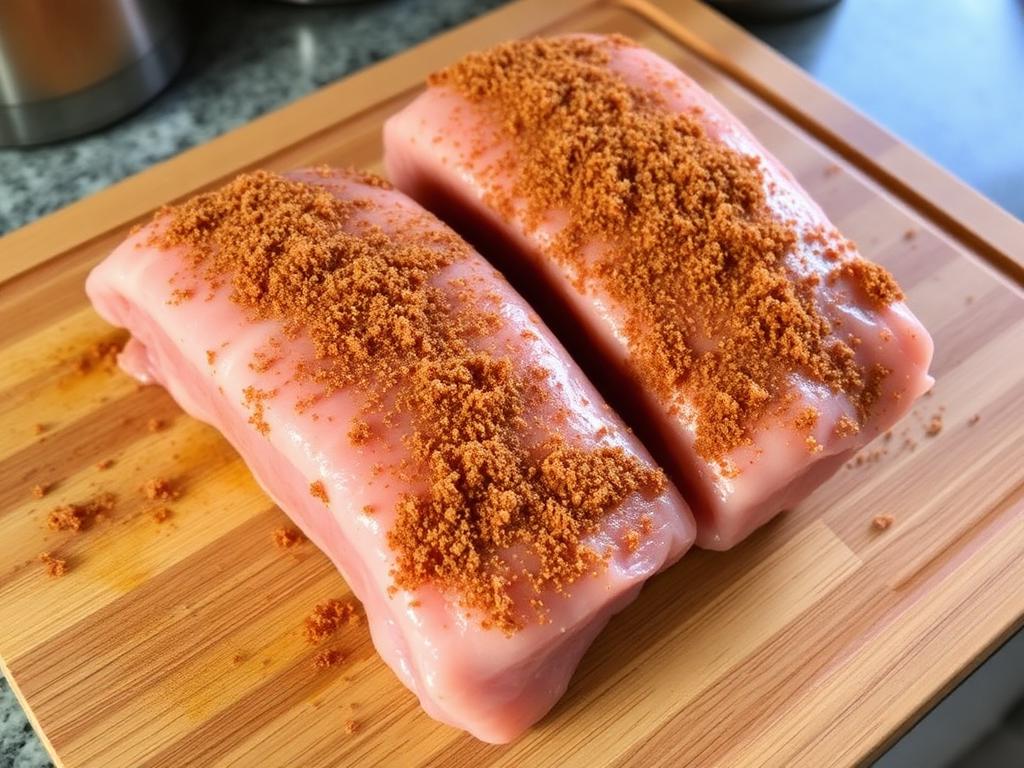
After silverskin removal, drizzle olive oil OR yellow mustard on tenderloins as binder. Apply dry rub generously to all sides — about 1.5 tablespoons of rub per tenderloin. Press the rub into the meat with your hands (not too hard — the meat is delicate).
Let the seasoned tenderloins sit at room temperature for 20-30 minutes while the smoker preheats. Cold meat from the fridge cooks unevenly.
Time: 5 minutes active + 20-30 minute rest
- 2
PREHEAT
Preheat smoker to 225°F (Super Smoke if available)
Fire up your smoker and set it to 225°F. If your model has Super Smoke mode (Ironwood, Timberline, Woodridge Pro), enable it for the entire cook — pork tenderloin is a perfect candidate for Super Smoke since the cook is short enough that the dense smoke won't overpower the meat.
Recommended wood for pork tenderloin:
Apple: Mildest, most popular. Beautiful golden-mahogany color.
Cherry: Slightly bolder than apple with subtle fruit sweetness.
Pecan: Underrated nutty profile. Pairs especially well with brown sugar in the rub.
Hickory: Bolder traditional BBQ smoke. Use moderately — pork tenderloin's mild flavor can be overwhelmed.
Traeger Signature Blend: Balanced default if uncertain.
AVOID mesquite: too aggressive for the relatively short cook and delicate pork flavor.
Time: 15 minutes preheat
- 3
SMOKE
Smoke at 225°F to 130-135°F internal (~45-60 minutes)
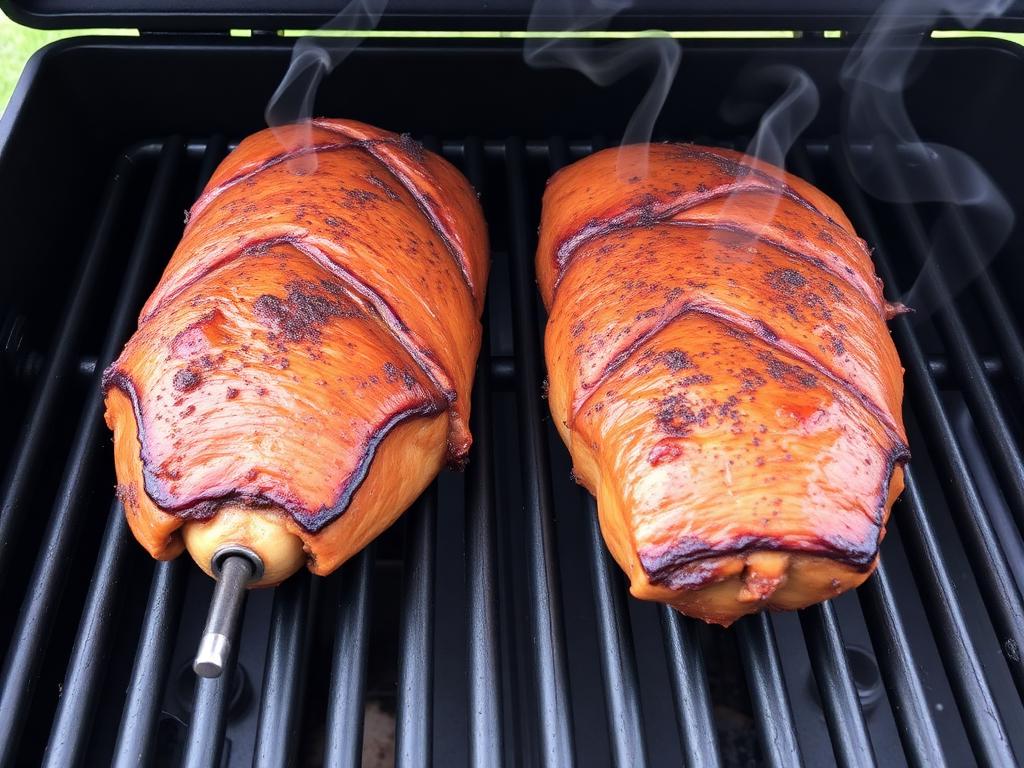
Place the seasoned tenderloins directly on the grill grates. Insert a wireless probe thermometer into the thickest part of the larger tenderloin. If you have a second probe, insert it into the second tenderloin (they may finish at slightly different times).
Smoke at 225°F until internal temperature reaches 130-135°F. This typically takes 45-60 minutes for typical 1.5 lb tenderloins. Larger tenderloins (1.75 lbs+) take 75-90 minutes. Smaller tenderloins (1 lb) take 30-40 minutes.
Don't open the lid during this phase. Smoke flavor needs to develop. Trust the thermometer.
When tenderloins hit 130-135°F internal, you have a choice:
Option A (no sauce): Continue smoking until 145°F internal. Pull and rest. Total time: ~10-15 more minutes.
Option B (with BBQ sauce glaze): Brush BBQ sauce on the tenderloins. Continue smoking until 145°F internal. The sauce caramelizes against the heat. Total time: ~10-15 more minutes. Reapply sauce once if desired.
Time: 45-90 minutes (depending on tenderloin size)
- 4
PULL
Pull tenderloins at 145°F internal
When tenderloins hit 145°F internal, immediately pull them from the smoker. Don't continue cooking — pork tenderloin loses moisture rapidly past 150°F, and you'll regret going further.
If your two tenderloins finish at different times (likely if they're different sizes), pull each as it hits 145°F. Don't wait for the slower one — overcooking the faster one to "match" the slower one ruins both.
Transfer to a clean cutting board. Don't tent with foil yet — first do the rest, THEN serve.
Time: ~1-2 minutes pulling
- 5
REST
Rest 5-10 minutes UNCOVERED, then slice into medallions
Rest the tenderloins on a cutting board for 5-10 minutes uncovered. During the rest:
Internal temperature climbs another 3-5°F via carryover (finishing at 148-150°F final — fully safe with the 3-minute rest USDA recommends).
Juices redistribute throughout the meat (skipping the rest loses 30-40% of juices to the cutting board).
The exterior crust firms up slightly.
DON'T tent with foil during the rest. The crust on smoked pork tenderloin is delicate, and foil traps steam that softens it. Uncovered rest preserves the crust.
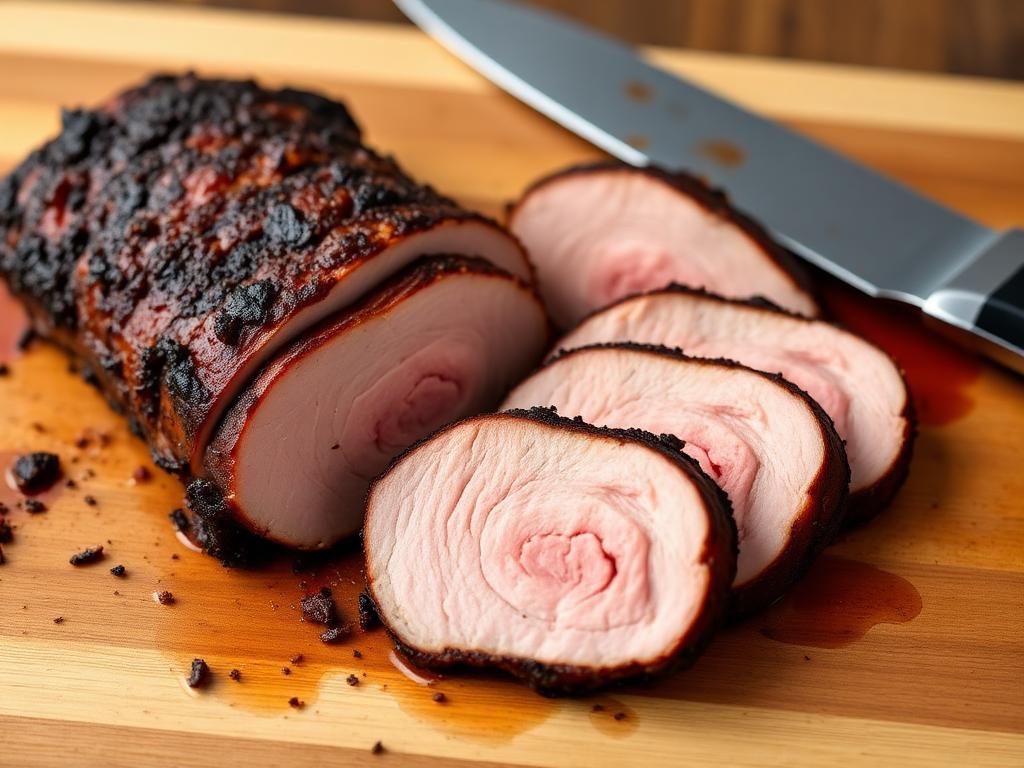
After resting, slice each tenderloin into 1/2-inch thick medallions. Slice on a slight diagonal (against the grain — the grain runs along the length of the tenderloin, so diagonal cuts produce more tender slices).
The interior should be light pink — that's safe and juicy at 145°F+. If your slice has gray-brown interior, the pork is overcooked. Adjust pull temperature down to 142-143°F next time.
Serve immediately. Optional garnish: drizzle remaining warm BBQ sauce, fresh thyme leaves, flaky sea salt.
Time: 5-10 minutes rest + 5 minutes slicing
Sauce or No Sauce
With BBQ Sauce or Without?
Both approaches work. Different flavor profiles. Pick based on your audience and side dishes.
Purist Approach
No-Sauce Tenderloin
Smoke flavor + dry rub takes center stage. The tenderloin develops a beautiful mahogany bark from the smoke. Slice and serve with sides — let the pork's natural flavor shine. Pairs well with: roasted vegetables, mashed potatoes, gravy on the side, applesauce, salads. Best for cooks who appreciate clean smoke flavor.
Weeknight Favorite
BBQ-Glazed Tenderloin
Brush BBQ sauce on at 130-135°F internal (last 15 minutes of cook). Sauce caramelizes against the heat for a sticky-sweet glaze. More crowd-pleasing for kids and BBQ-sauce fans. Pairs well with: mac and cheese, baked beans, coleslaw, cornbread, BBQ-style sides. Best for weeknight family dinners.
For weeknight cooking with kids: BBQ-glazed wins on universal appeal. For dinner parties or refined occasions: pure smoke wins on subtlety. Both work with the same cooking method — only the last 15 minutes differ. You can also do one tenderloin each way if cooking the package's two pieces.
Wood Selection
The Best Wood for Smoked Pork Tenderloin
Pork tenderloin's mild flavor pairs with milder, fruit-forward woods. Aggressive smokes overpower the meat in a 1-hour cook.
Apple (Top Pick)
The most reliable wood for pork tenderloin. Mild, slightly sweet smoke that complements pork's natural sweetness. Beautiful golden-mahogany color in 60 minutes. If you only buy one pellet for pork tenderloin, buy apple.
Best for: Reliable default, classic pork flavor
Cherry or Pecan
Cherry adds beautiful color and slightly bolder flavor. Pecan adds nutty complexity that pairs especially well with brown sugar in the rub. Both are excellent step-up choices from apple.
Best for: Visual appeal (cherry), refined flavor (pecan)
Hickory (Use Sparingly)
Bolder traditional BBQ smoke. Works for pork tenderloin if you want pronounced smoke flavor — especially if you're doing the BBQ-glazed version. Don't over-smoke; pork tenderloin's mild flavor can be overwhelmed. Mix hickory with apple at 50/50 for a balanced approach.
Best for: Bolder flavor preferences, BBQ-glazed version
What to Avoid
- •Mesquite: Far too aggressive for pork tenderloin's delicate flavor. Will completely overpower in 1-hour cook.
- •Pure oak: Works but produces less interesting flavor than fruit/nut woods.
- •Maple alone: Too subtle for the short cook; works in blends but not standalone.
The Gear I Use
Essential Gear for Smoked Pork Tenderloin
Four tools that meaningfully impact pork tenderloin results. The boning knife is most-overlooked.
Wireless Probe Thermometer
Critical for hitting the precise 145°F target. Pork tenderloin has a narrow done window — 5°F too far and the meat dries out. Wireless probe lets you monitor without opening the lid. ThermoPro TP19 ($25), ThermoWorks Smoke ($99), or MEATER Plus ($100). Critical accuracy for an unforgiving cut.
Shop wireless thermometers →Sharp Boning Knife
Silverskin removal is non-negotiable for pork tenderloin. A sharp boning knife (Victorinox Fibrox 6-inch Boning Knife at $25) or paring knife is the right tool. Dull knives bunch up the silverskin and remove valuable meat. Sharp knife = clean removal in 30 seconds per tenderloin. Essential investment for $25.
Shop boning knives →Apple or Cherry Wood Pellets
Apple is the most reliable for pork tenderloin. Cherry adds color. Traeger Apple ($25/20lb), Bear Mountain Cherry ($22), or Lumberjack 100% Apple ($28). 20-pound bag handles 15-20 pork tenderloin cooks. Buy a backup bag — running out mid-weeknight cook ruins the timing.
Shop pellets →Quality BBQ Pork Rub
Traeger Pork & Poultry Rub ($12), Meat Church Holy Voodoo ($15), Killer Hogs The BBQ Rub ($18), or Historic BBQ All Purpose ($14). Premium rubs genuinely improve over generic supermarket seasonings. One bottle handles 12-15 batches of pork tenderloin.
Shop pork rubs →Avoid These
6 Common Smoked Pork Tenderloin Mistakes
Six preventable errors that turn an easy weeknight recipe into dry, chewy disappointment.
Mistake 1: Buying pork loin instead of pork tenderloin
The most common mistake. These are different cuts. Pork tenderloin is small (1-1.5 lbs each, sold in pairs). Pork loin is large (3-5 lbs, sold solo). Trying to apply a 1-hour tenderloin recipe to a pork loin produces undercooked or raw results in the center. The simple test: tenderloins come in pairs (2 per package); pork loins come solo (1 per package). Read the label twice before buying.
Mistake 2: Cooking past 150°F internal
Pork tenderloin loses moisture rapidly past 150°F. The USDA-safe minimum is 145°F (with 3-minute rest). Pulling at 145°F and resting produces juicy pork. Pulling at 160°F+ produces gray, dry, chewy meat that meets your grandmother's outdated cooking standard but tastes terrible. The 15°F window between 145°F and 160°F is the difference between great and ruined pork.
Mistake 3: Skipping silverskin removal
Silverskin is the thin connective membrane on top of pork tenderloin. Leaving it on produces unpleasantly chewy texture in the cooked pork. Use a sharp boning knife or paring knife — slide tip under one end, lift gently, slice along the length to remove. 30-60 seconds per tenderloin once you've done it once or twice. Non-negotiable step.
Mistake 4: Cooking from cold
Cold tenderloins straight from the fridge cook unevenly — the exterior overcooks while the interior catches up. Always let tenderloins rest at room temperature for 20-30 minutes before they hit the smoker. This single step meaningfully improves the cook quality. Critical for tenderloin specifically because the cook time is short — there's less time for the meat to equalize during cooking.
Mistake 5: Tenting with foil during the rest
Foil traps steam and softens the smoke crust. Smoked pork tenderloin's bark is delicate — foil ruins it within 5 minutes of contact. Rest UNCOVERED on a cutting board. The 5-10 minute rest is short enough that the meat doesn't cool meaningfully, and the crust stays intact for serving.
Mistake 6: Slicing with the grain
Pork tenderloin's muscle fibers run along the length. Slicing WITH those fibers (perpendicular to the length) gives you long tough fibers in each medallion. Slicing AGAINST the grain (slightly diagonal across the width) breaks the fibers into shorter, more tender pieces. Identify the grain direction before slicing — fibers are visible on the cooked surface.
Weeknight Dinners
6 Ways to Serve Smoked Pork Tenderloin
Pork tenderloin is the weeknight workhorse. Six serving styles for different occasions and side preferences.
1. Classic Weeknight Plate
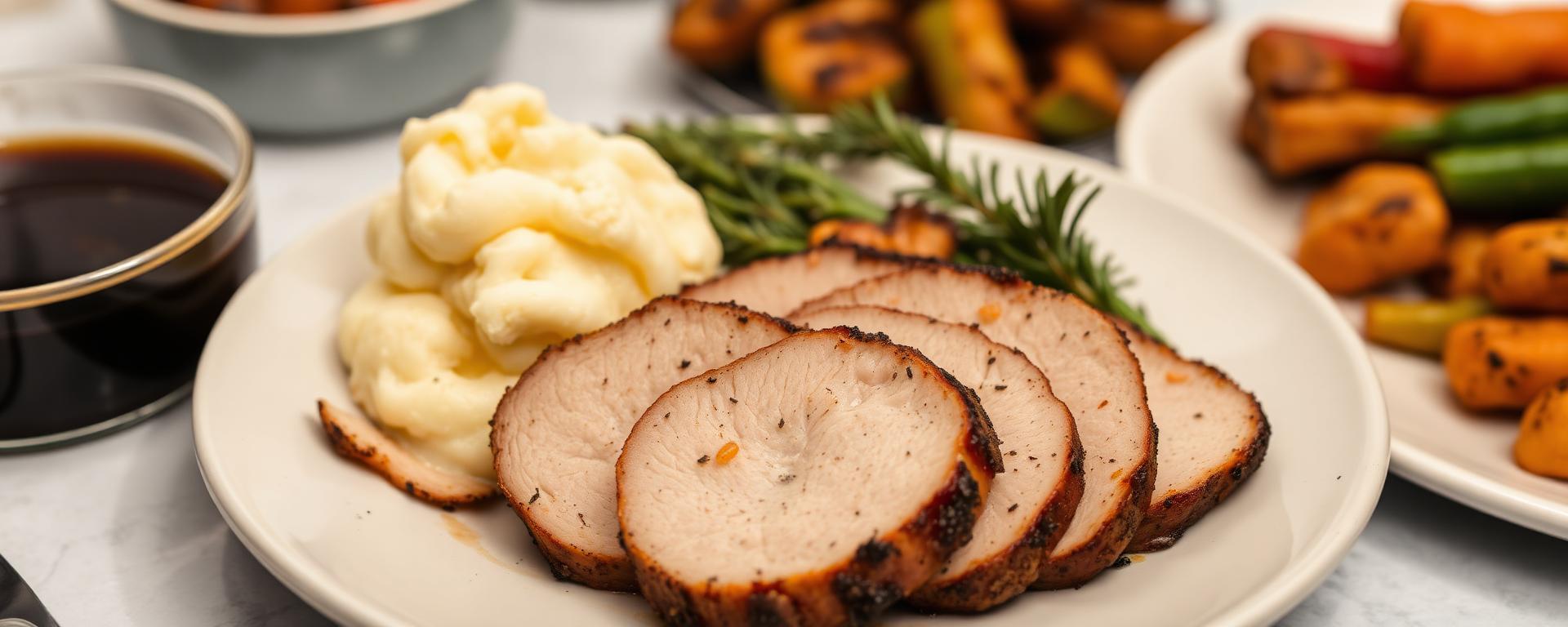
Sliced medallions with mashed potatoes, gravy, roasted vegetables, dinner rolls. Default weeknight family dinner.
2. BBQ-Style Plate
BBQ-glazed medallions with mac and cheese, baked beans, coleslaw, cornbread. Comfort food version.
3. Mediterranean Bowl
Sliced pork over couscous or rice with roasted vegetables, hummus, lemon. Healthy weeknight option.
4. Tacos
Diced cold leftover pork in flour tortillas with avocado, salsa verde, queso fresco, lime. Day-after lunch.
5. Pork Salad
Sliced cold pork over mixed greens with apples, walnuts, blue cheese, balsamic vinaigrette. Light lunch.
6. Open-Faced Sandwich
Sliced pork on toasted sourdough with apple-mustard slaw, melted Swiss cheese. Quick dinner.
Meal prep storage: Leftover sliced pork tenderloin keeps in airtight containers in the fridge for 3-4 days. Reheat gently — 60-90 seconds in microwave with 1 tablespoon of water for moisture, or 5 minutes in 300°F oven. Don't reheat at high temperatures (dries out the lean meat). Cold leftovers work great in salads and sandwiches without reheating.
FAQ