Griddle vs Grill Comparison
Blackstone Griddle vs Grill: Which Should You Buy?
A Blackstone-style griddle is better for smash burgers, breakfast, fried rice, hibachi-style meals, tacos, and foods that need a flat cooking surface. A regular grill is better for flame contact, smoke flavor, grill marks, chicken pieces, steaks, ribs, and traditional BBQ. The right choice depends on what you cook most and how much cleaning, seasoning, and grease management you are willing to handle.
Breakfast
Blackstone
Grill marks
Grill
Smash burgers
Blackstone
BBQ flavor
Charcoal/pellet
All-around
Gas + griddle
Flat top / Griddle
Blackstone
Gas or Charcoal
Regular Grill
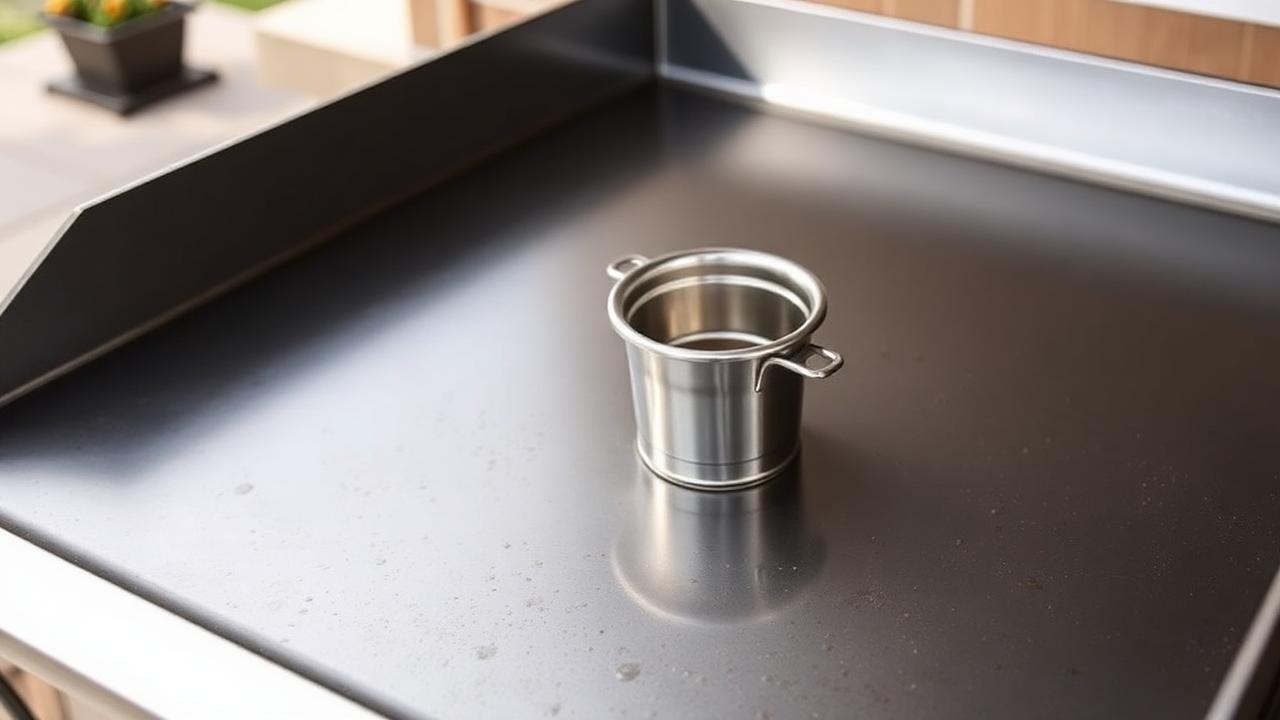
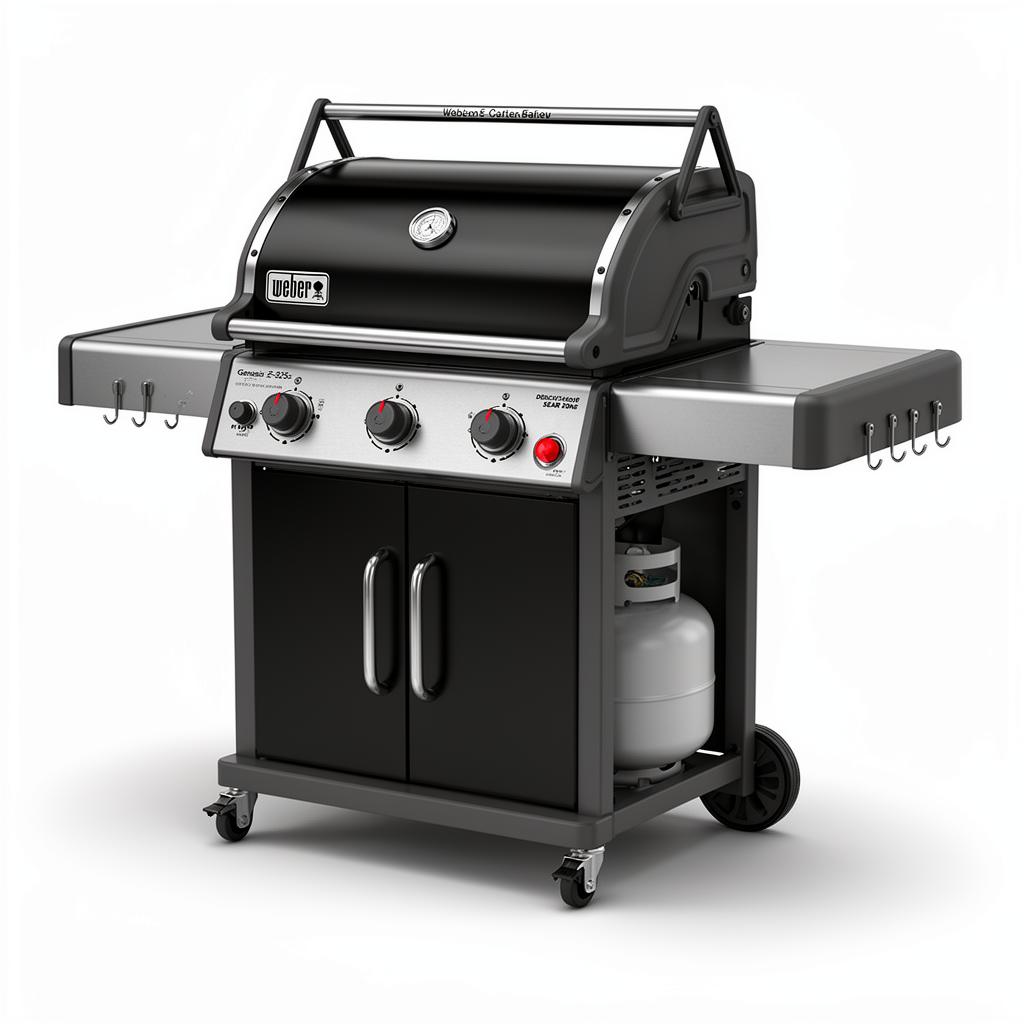
Best for
Smash burgers, breakfast, fried rice, hibachi
Best for
Steaks, ribs, chicken, BBQ, smoke flavor
Cleanup
Scrape + oil layer
Cleanup
Brush grates + drip tray
Quick verdict
Quick verdict: should you buy a Blackstone or a grill?
A Blackstone griddle is better than a regular grill for smash burgers, pancakes, bacon, eggs, fried rice, hibachi-style meals, and foods that need full contact with a flat cooking surface. A regular grill is better for steaks, chicken, ribs, vegetables, smoke flavor, flame contact, and traditional BBQ. If you cook breakfast and burgers often, choose a Blackstone-style griddle. If you mostly grill meat over flame, choose a regular grill. If you have the space and budget, owning both gives the most flexibility.
if you cook smash burgers, breakfast, fried rice, hibachi, tacos, fajitas, and flat-surface meals.
if you cook steaks, chicken, ribs, vegetables, BBQ, and want flame contact or smoke flavor.
if you cook often and have enough patio space and budget for two cookers.
only if you accept some compromise on either the griddle or the grill side.
Side-by-side
Blackstone griddle vs grill: side-by-side comparison
19 categories that decide whether a flat top grill or a regular grill is right for your patio.
Swipe to scroll the table sideways.
| Category | Blackstone-style griddle | Regular gas or charcoal grill | Winner | Why it matters |
|---|---|---|---|---|
| Smash burgers | Crispy lacy crust from full surface contact | Good char but loses juices to flame | Blackstone | Flat steel keeps juice and fond on the patty for crust. |
| Steak | Fast browning, no flame char | Flame contact, grate marks, smoky char | Grill | Thick steaks reward two-zone flame cooking. |
| Chicken (boneless) | Even browning, no flare-ups | Char and flame flavor | Tie | Pieces favor griddle; bone-in favors grill. |
| Breakfast | Bacon, eggs, pancakes, hash browns | Not designed for it | Blackstone | Eggs and pancakes need a solid flat surface. |
| Fried rice | Hibachi-style high-heat tossing | Not practical | Blackstone | Rice falls through grates; needs flat heat. |
| Hibachi cooking | Built for it | Not practical | Blackstone | Chopped meat and rice need flat steel. |
| Tacos and fajitas | Large batch searing | Smaller batches with char | Blackstone | Volume and onion / pepper mixing win on a griddle. |
| Ribs and BBQ | Not designed for low-and-slow | Indirect zone + smoke wood | Grill | Ribs need covered indirect cooking and smoke. |
| Smoke flavor | None | Charcoal, pellet, or smoker box on gas | Grill | Griddles cannot reproduce wood smoke. |
| Grill marks | None | Standard from grates | Grill | Marks come from hot metal bars on food. |
| Grease cleanup | Scrape to rear cup, wipe, oil | Drip tray and grate brushing | Tie | Different routines, both manageable. |
| Rust prevention | Requires seasoning + cover | Cover + occasional grate care | Grill | Griddle steel rusts faster without oil layer. |
| Seasoning maintenance | Ongoing thin oil layer | Not required | Grill | Grills do not need a seasoned cooking surface. |
| Wind performance | Open surface, wind-sensitive | Covered cookbox holds heat | Grill | Lids protect the burn during wind. |
| Patio space | 17 to 36 in footprints | 2-burner to 4-burner footprints | Tie | Both have small and large options. |
| Beginner friendliness | Few moving parts, easy heat control | Familiar to most cooks | Tie | Different learning curves. |
| Accessories | Spatulas, scrapers, presses, squeeze bottles, covers | Brushes, thermometers, smoker boxes, covers | Tie | Both ecosystems are strong; Blackstone leads in griddle parts. |
| Replacement parts | Blackstone has the deepest pipeline | Weber, Genesis, Spirit, kettle parts are everywhere | Tie | Both have strong long-term parts support if you stay with major brands. |
| Overall versatility | Best for breakfast + smash + Asian cooking | Best for traditional BBQ + steaks | Tie | Different jobs, different winners. |
Choose Blackstone if
Choose a Blackstone griddle if...
You cook smash burgers often and want a crispy lacy crust.
You want a real outdoor breakfast setup with bacon, eggs, pancakes, and hash browns.
You love fried rice, stir fry, hibachi, tacos, and fajitas.
You cook for groups and want one large flat surface, not many small grate zones.
You want fewer foods falling through grates (eggs, rice, small veg, chopped meat).
You enjoy griddle accessories and don't mind a seasoning routine.
You already own a grill and want a different cooking surface in addition to it.
Browse our best flat top grills guide for picks from 17 in tabletop griddles to 36 in patio griddles.
Choose a grill if
Choose a regular grill if...
You want flame contact and traditional grill marks.
You cook steaks, chicken, ribs, and BBQ often.
You want charcoal or wood smoke flavor.
You prefer less seasoning maintenance and no oiled steel surface.
You want a covered cookbox for indirect cooking and roasting.
You already own grill tools, thermometers, and accessories.
You want traditional backyard grilling and a familiar workflow.
See our best gas grills, best charcoal grills, and best propane grills for picks.
By food type
Blackstone vs grill by food type
Most cooking questions come down to one food. Here are 19 of the most common ones.
| Food | Better on Blackstone? | Better on grill? | Best choice | Notes |
|---|---|---|---|---|
| Smash burgers | Blackstone | Full contact crust beats grates. | ||
| Regular burgers | Either | Thicker pub burgers slightly favor a grill for char. | ||
| Steak (thick) | Grill | Two-zone flame cooking with reverse sear. | ||
| Steak (thin / chopped) | Blackstone | Cheesesteak, chopped sirloin, philly meat. | ||
| Chicken thighs (boneless) | Either | Griddle for fajita slices; grill for char. | ||
| Chicken wings | Grill | Indirect heat + flame finish. | ||
| Ribs | Grill | Needs indirect heat and smoke. | ||
| Brats and hot dogs | Either | Griddle gives even sear; grill gives snap and char. | ||
| Bacon | Blackstone | Grease stays controlled on the griddle. | ||
| Eggs | Blackstone | Grates cannot hold eggs. | ||
| Pancakes | Blackstone | Designed for this surface. | ||
| Fried rice | Blackstone | Hibachi heat and tossing. | ||
| Hibachi chicken | Blackstone | Chopped meat + flat steel. | ||
| Shrimp | Either | Skewers favor grill; loose shrimp favor griddle. | ||
| Tacos | Blackstone | Big-batch carne asada + tortillas at once. | ||
| Fajitas | Blackstone | Onion + pepper + meat mixing. | ||
| Vegetables | Either | Char favors grill; small chopped veg favor griddle. | ||
| Fish (delicate) | Blackstone | Fillets stay intact on a flat surface. | ||
| Pizza | Grill | Stone + covered grill mimics oven. |
Blackstone wins when full surface contact matters. Regular grills win when flame, smoke, covered cooking, and direct grate marks matter.
Steak
Steak on a Blackstone vs a grill
Blackstone griddle
A very hot, dry griddle surface gives strong even browning. Thin steaks, cheesesteak meat, chopped steak, and steak sandwiches work very well. Steakhouse-style char and smoke are not possible.
- Great for chopped steak, philly, fajita meat
- No grill marks, no smoke flavor
Regular grill
Two-zone cooking on a gas or charcoal grill is the gold standard for thick ribeyes, strip steaks, and tomahawks. Flame contact builds the crust and adds smoke. See our best gas grills and best charcoal grills.
- Grill marks, flame, and smoke flavor
- Reverse sear with indirect heat
Burgers
Burgers on a Blackstone vs a grill
Smash burgers → Blackstone
Full-contact heat creates a lacy, crispy crust that grates cannot reproduce. Juices and beef fond stay on the patty instead of dripping into the burners.
Thick pub burgers → Grill
Thicker backyard burgers benefit from flame contact, grate marks, and grease drip. If flare-ups become a problem, see how to fix grill flare-ups.
Cooks who want both styles often own a regular grill and a Blackstone-style griddle. See our best flat top grills guide.
Where a griddle wins
Where a Blackstone griddle clearly wins
These are the foods that move people from a regular grill to a flat top.
Where a grill wins
Where a regular grill clearly wins
Anything that benefits from airflow, flame, or smoke flavor.
Related: best charcoal grills, best pellet grill, setting up a kettle for smoking, and Weber vs Traeger.
Cleaning
Which is easier to clean: Blackstone or grill?
| Task | Blackstone-style griddle | Regular grill |
|---|---|---|
| Daily cleanup | Scrape, wipe with paper towel, thin oil layer | Brush grates while warm, empty drip tray |
| Grease management | Rear or front grease cup with liners | Drip tray and grease cup under cookbox |
| Rust prevention | Critical; needs oil layer + cover | Important but slower to rust |
| Deep cleaning | Re-season top with oil and heat cycle | Remove grates and heat plates, scrub and rinse |
| Scraper tools | Required for griddle ownership | Not needed |
| Seasoning | Required (monthly) | Not required |
| Grate brushing | Not applicable | After every cook (bristle-free brush) |
| Grease tray cleaning | Empty grease cup, replace liner | Empty tray, replace foil liner |
| Cover use | Mandatory to prevent rust | Strongly recommended |
| Long-term part replacement | Griddle top, burners, regulator, knobs, hood | Grates, burners, heat plates, igniter, regulator |
Deep cleaning either cooker: see how to clean a grill, best grill cleaner, best grill brushes, and best grill cover.
Grease, rust, seasoning
Grease, rust, and seasoning: the biggest Blackstone differences
Blackstone griddle
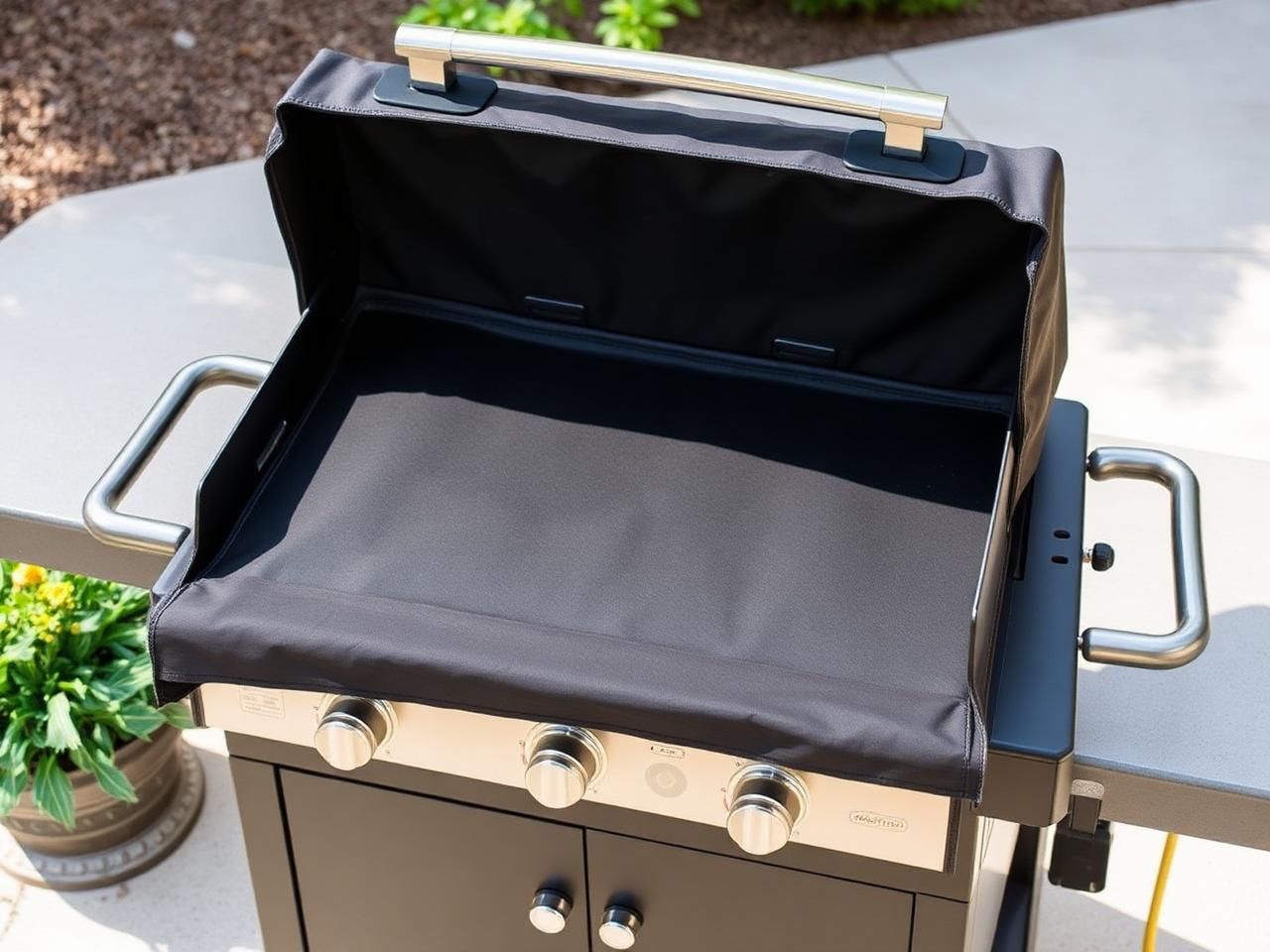
- Grease moves to a rear or front cup or tray.
- Surface needs a thin oil layer after every cleaning.
- Standing water or a missing cover causes rust fast.
- Grease cup liners make cleanup faster and cheaper.
Regular grill
- Grease collects in a drip tray below the grates.
- Grates, burners, heat plates, and the cookbox can rust.
- No surface seasoning is required.
- Covers still extend the life of any grill significantly.
Patio space
Which fits better on a patio?
17 in or 22 in tabletop griddle
Apartment patios, balconies (where allowed), tailgating, RV cooking. Easy to store.
28 in or 36 in full griddle
Family patios. Largest cooking surface in the category. Needs a cart and a cover.
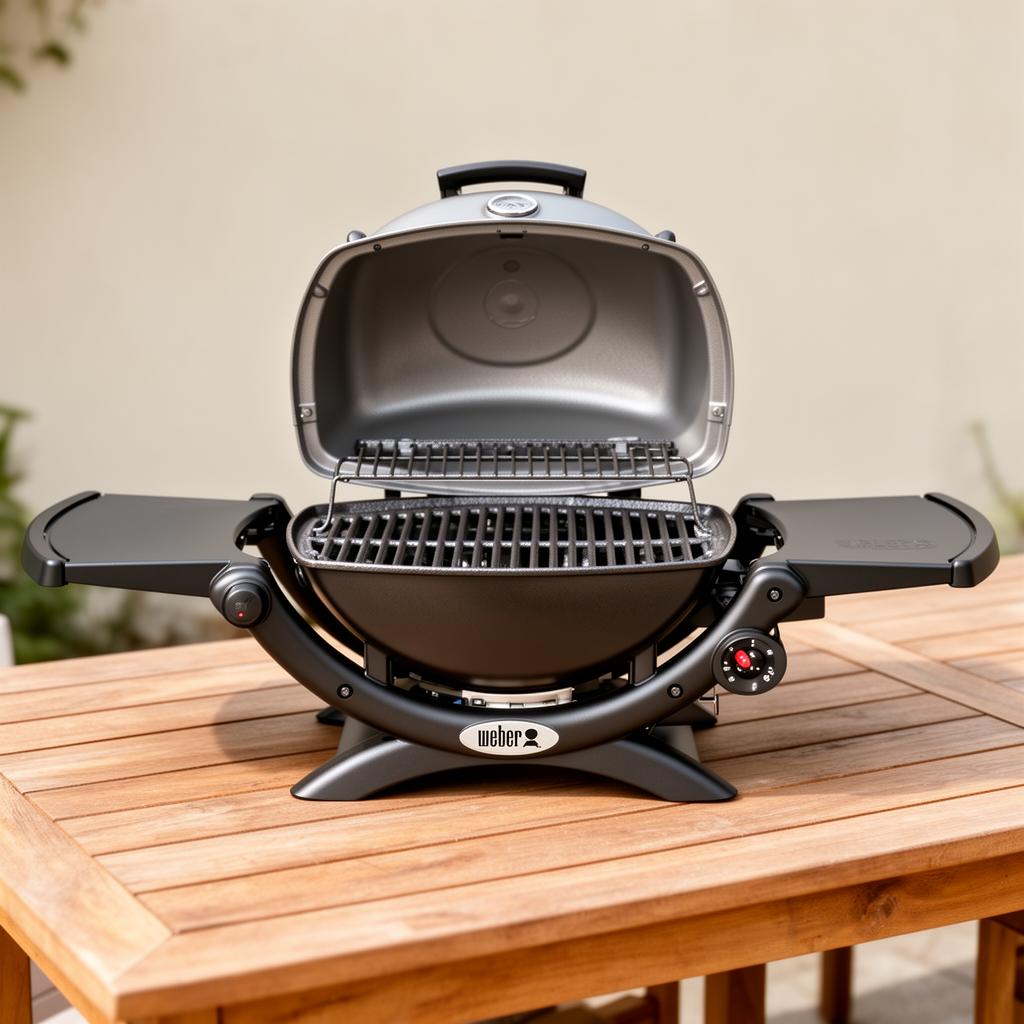
2-burner gas grill
Small backyard grilling. Great as a Blackstone second cooker.
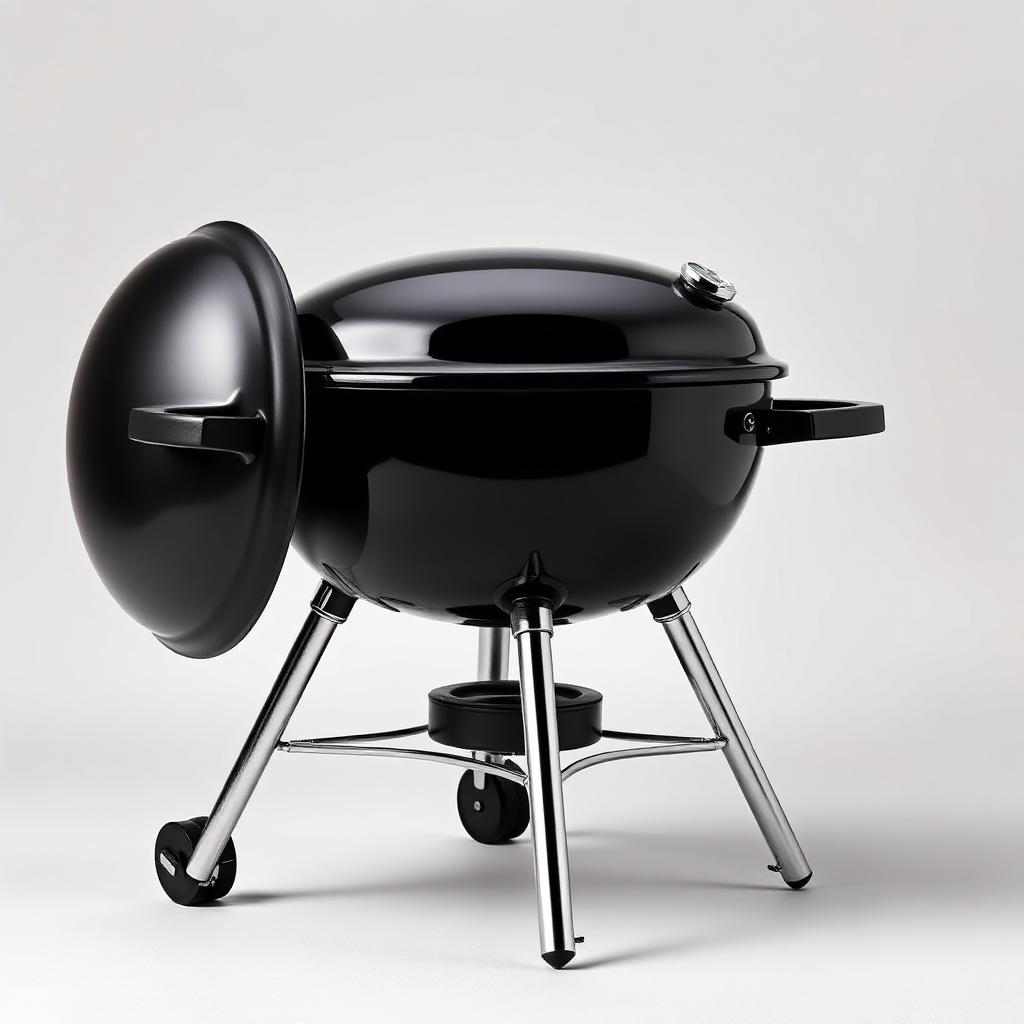
Kettle charcoal grill
Small footprint, big BBQ flavor, no propane tank.
Small electric grill
Indoor or covered patios where smoke and propane are restricted.
Grill + griddle combo
Saves space but compromises on both sides.
More size-specific picks: best small grills, best portable grills, best electric grills, and best propane grills.
Cost and value
Is a Blackstone griddle worth it?
A Blackstone-style griddle is worth it if you regularly cook breakfast, smash burgers, fried rice, hibachi-style meals, tacos, fajitas, or large flat-surface meals. It is less worth it if you mostly cook steaks, chicken pieces, ribs, charcoal BBQ, or foods where smoke and flame contact matter. For many backyard cooks, the best setup is a regular grill plus a flat top, griddle insert, or separate Blackstone-style griddle.
Accessories
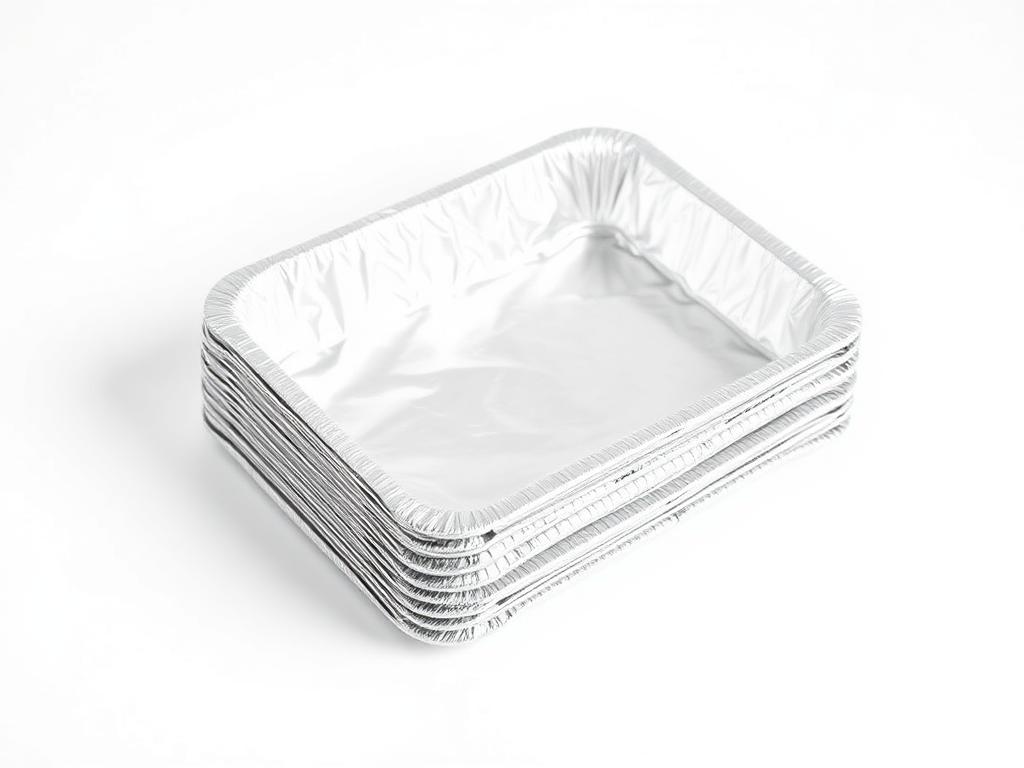
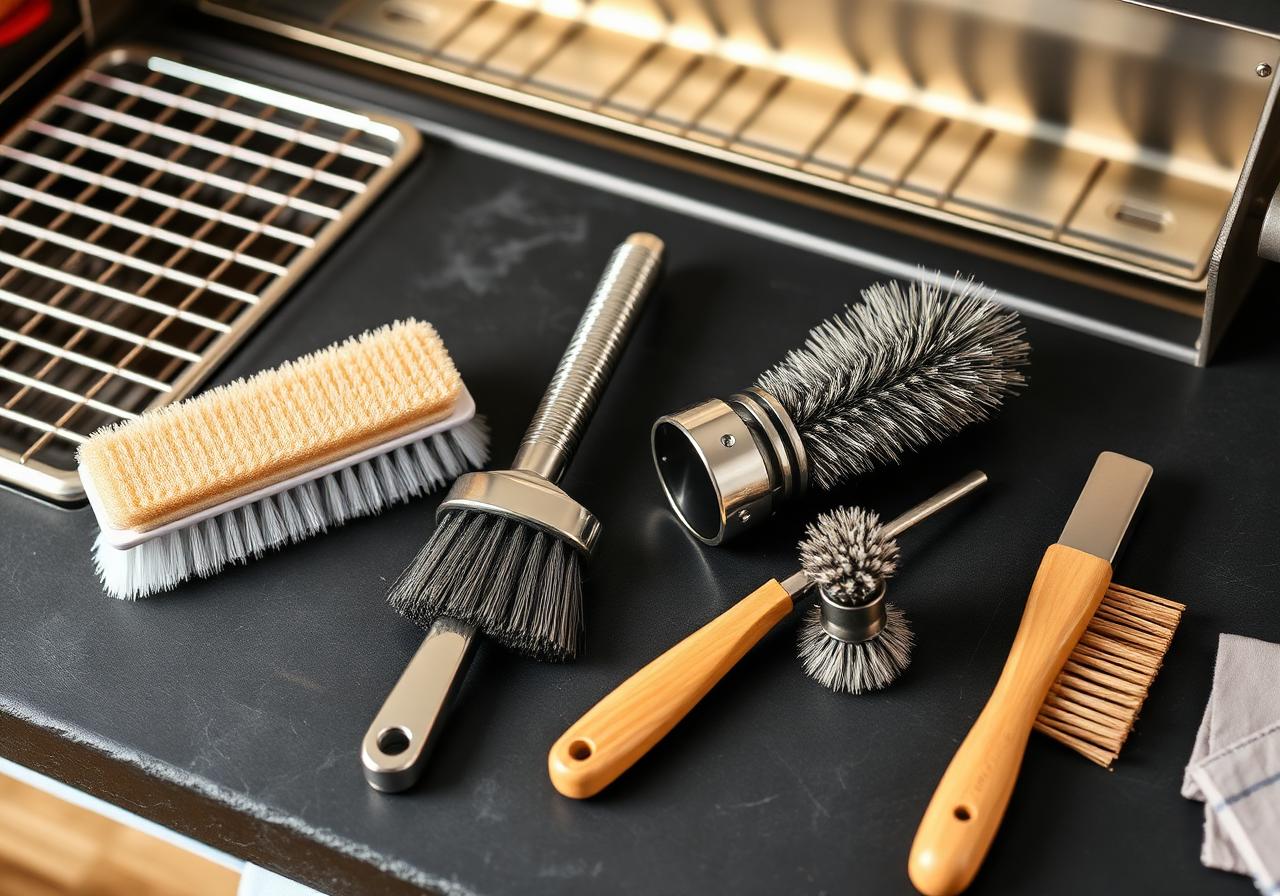
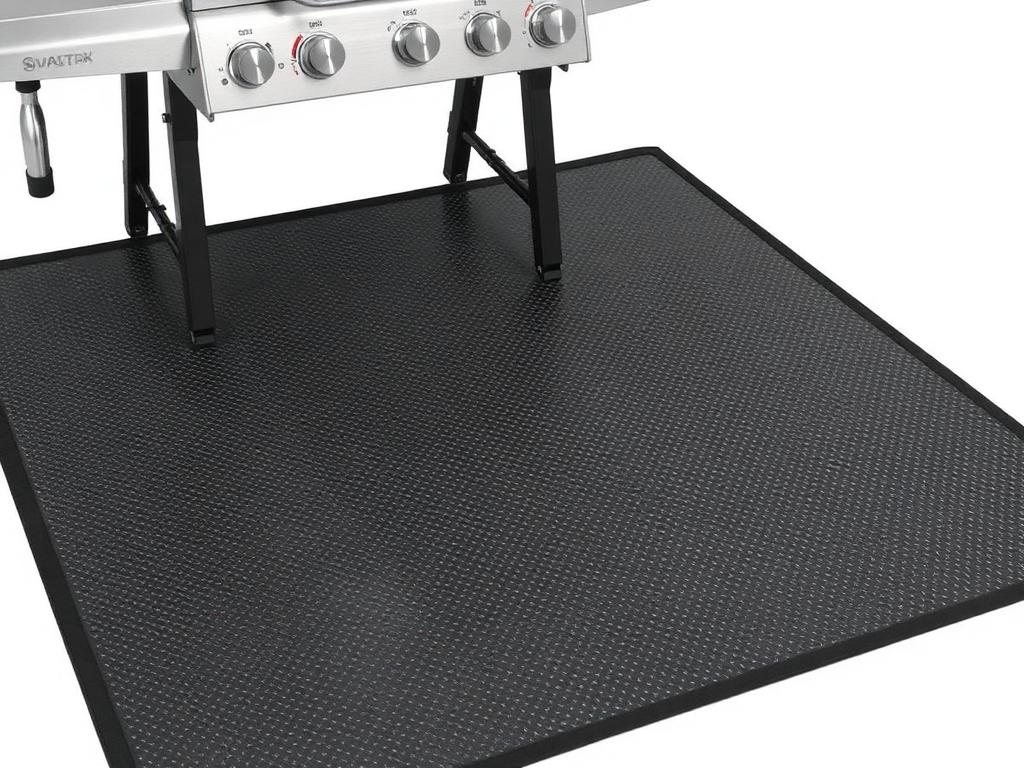
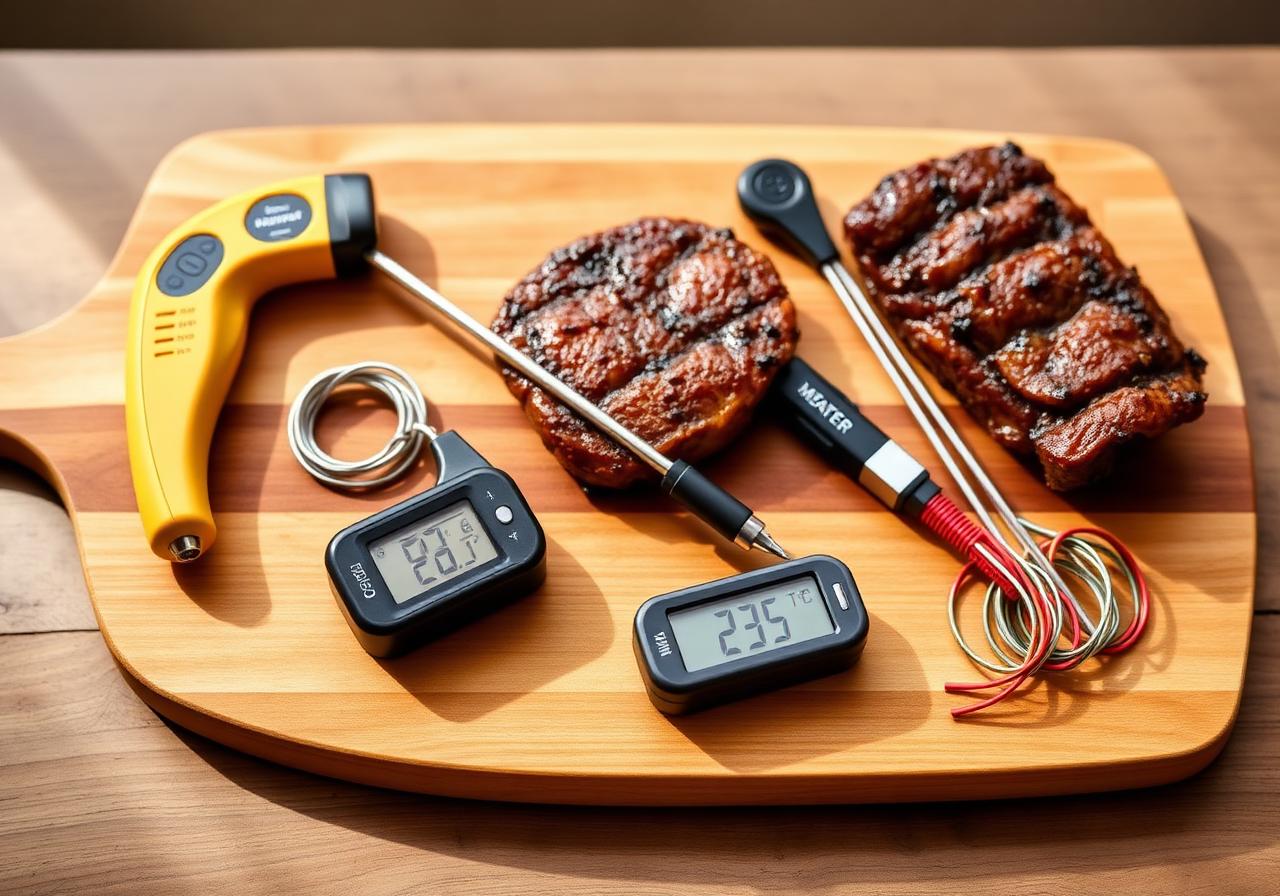
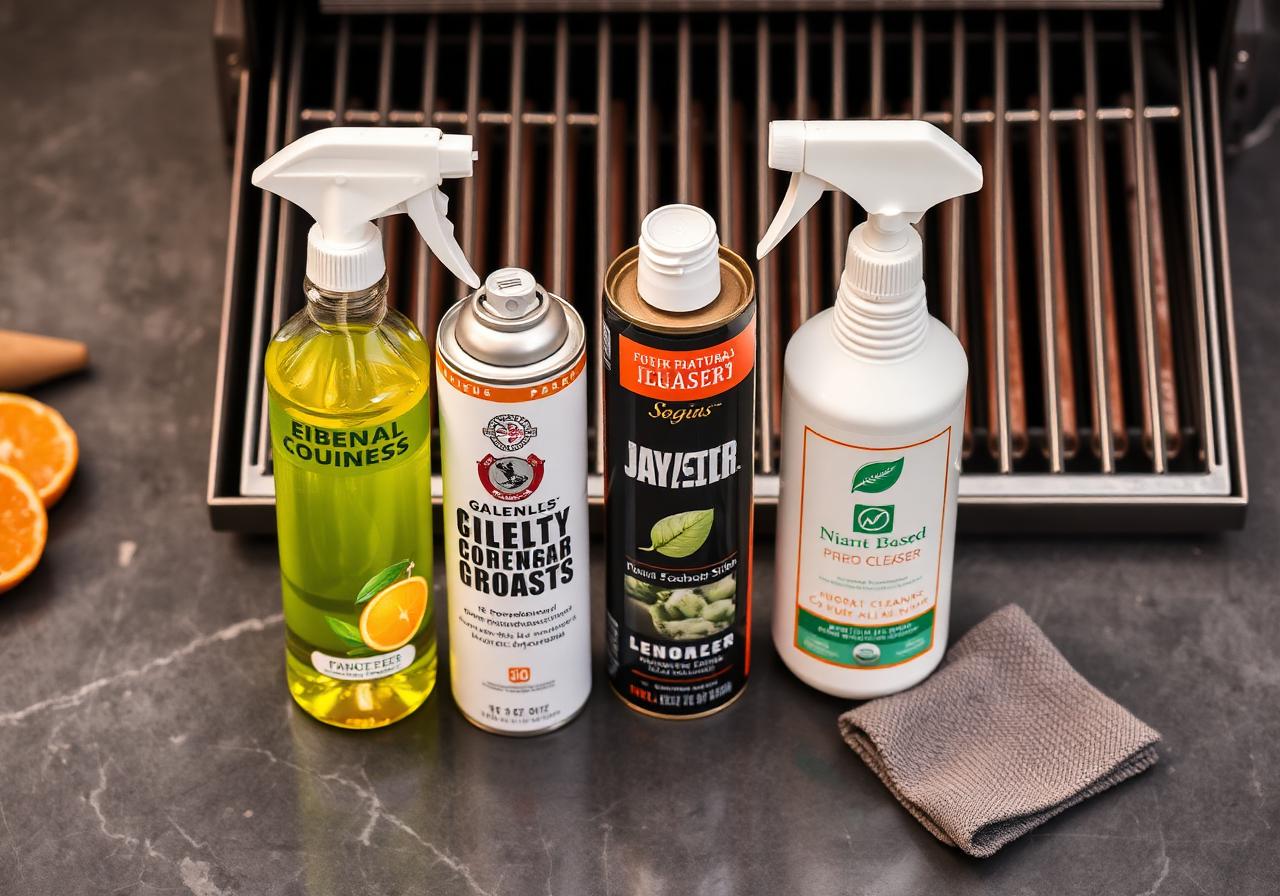
Blackstone accessories vs grill accessories
Long-term ownership
Replacement parts and long-term ownership
Blackstone-style griddles
Griddle tops, burners, regulator hoses, knobs, grease cups, hoods, legs, carts, and covers are all widely available.
Regular gas grills
Grates, burners, heat plates, igniters, regulators, grease trays, and covers are easy to source for Weber, Genesis, Spirit, and major brands.
Charcoal grills
Grates, ash catchers, dampers, handles, wheels, and covers — kettle parts are some of the most stocked grill parts in the world.
A cheap griddle or grill can become disposable if replacement parts are hard to find. Choose major brands with strong parts and accessory support.
Troubleshoot common gas grill issues: grill regulator reset and grill igniter not working.
Final verdict
Final verdict: should you buy a Blackstone or a regular grill?
Six decision cards that match the most common buyer situations.
You cook breakfast, smash burgers, fried rice, hibachi, tacos, or fajitas more often than steaks and ribs. The flat steel surface is the right tool for those foods.
You do not own an outdoor cooker yet and cook steaks, chicken, vegetables, brats, and burgers more often than breakfast or hibachi. Grills cover more traditional backyard foods.
You cook outdoors weekly, have the patio space, and want the right tool for every food. Most serious backyard cooks land here over time.
Patio space is tight and you accept that the griddle side is smaller than a 28 in Blackstone and the grill side is smaller than a dedicated 3-burner gas grill.
You mostly cook ribs, smoked chicken, BBQ pulled pork, or thick steakhouse-style steaks, and you dislike seasoning maintenance and rust prevention.
You almost never cook steaks or BBQ and your patio time is dominated by breakfast, smash burgers, fried rice, and hibachi-style meals.
Keep reading
Related griddle and grill guides
Griddle
Best Flat Top Grills
Full buying guide for Blackstone and outdoor griddles.
Read guide
Gas
Best Gas Grills
Propane and natural gas grill picks.
Read guide
Propane
Best Propane Grills
Tank-based grills from compact to full-size.
Read guide
Charcoal
Best Charcoal Grills
Smoke and flame for traditional BBQ.
Read guide
Portable
Best Portable Grills
Travel, camping, and tailgating picks.
Read guide
Small
Best Small Grills
Patios, condos, and small backyards.
Read guide
Electric
Best Electric Grills
Apartment, balcony, and indoor picks.
Read guide
Maintenance
How to Clean a Grill
Step-by-step for every fuel type.
Read guide
Accessory
Best Grill Cleaner
Non-toxic deep cleaners for grates and trays.
Read guide
Accessory
Best Grill Brushes
Bristle-free brushes for safer cleaning.
Read guide
Accessory
Best Grill Cover
Fitted covers add years to any cooker.
Read guide
Maintenance
Grill Regulator Reset
Fix low flame and bypass on propane grills.
Read guide
FAQ
Blackstone griddle vs grill: frequently asked questions
Is a Blackstone griddle better than a grill?
It depends on what you cook. A Blackstone-style griddle is better for smash burgers, breakfast, fried rice, hibachi-style meals, tacos, and fajitas because the flat steel surface gives full contact, browning, and edge crust. A regular grill is better for steaks, chicken pieces, ribs, vegetables, and traditional BBQ because the grates allow flame contact, grill marks, and smoke flavor. Neither is universally better.
What is the difference between a griddle and a grill?
A griddle has a flat solid steel cooking surface with burners underneath. Heat is transferred by direct contact with the steel, which is why griddles are great for eggs, pancakes, smash burgers, and fried rice. A grill uses open grates over flame or coals, which gives flame contact, drip, smoke flavor, and grate marks. Griddles cook by conduction; grills cook by radiation and convection with some conduction from the grates.
Is a Blackstone better than a gas grill?
A Blackstone griddle is better than a gas grill for breakfast, smash burgers, fried rice, hibachi-style meals, and any food that benefits from full contact with a hot flat surface. A gas grill is better for steaks, chicken, ribs, vegetables, and any food that benefits from flame contact, grate marks, and a covered cookbox. Many serious backyard cooks own both.
Is a Blackstone better than a charcoal grill?
No, not for traditional BBQ. A charcoal grill gives you smoke, ember flavor, and high-radiant heat that a Blackstone griddle cannot reproduce. A Blackstone wins on breakfast, smash burgers, and fried rice. If you mostly cook steaks, ribs, chicken thighs, and want smoke flavor, a charcoal grill is the better single purchase.
Can a Blackstone replace a regular grill?
Only partially. A Blackstone can cook almost any food a grill can cook, but it cannot give you flame contact, grill marks, smoke flavor, or covered indirect roasting. If you are willing to give up those four things, a Blackstone can be your only outdoor cooker. If you want backyard BBQ, ribs, smoked chicken, or charred steaks, you still want a grill.
Is a Blackstone griddle worth it?
A Blackstone is worth it if you regularly cook breakfast, smash burgers, fried rice, fajitas, hibachi-style meals, tacos, or large flat-surface group meals. It is less worth it if you mostly cook steaks, chicken pieces, ribs, or want charcoal and smoke flavor. The accessory and parts pipeline is also the deepest in the griddle category, which makes long-term ownership cheaper and easier than most competitors.
Are steaks better on a Blackstone or grill?
Thick steaks are usually better on a regular grill because flame contact, two-zone cooking, and grate marks build a steakhouse-style crust with smoke. Thin steaks, cheesesteak meat, chopped steak, and steak sandwiches are usually better on a Blackstone because the flat surface gives fast, even browning with no drip loss.
Are burgers better on a Blackstone or grill?
Smash burgers are better on a Blackstone because the flat steel gives full contact and a crispy lacy crust. Thicker pub-style burgers are usually better on a grill because flame contact, grate marks, and grease drip add char and reduce greasiness on the patty.
Is chicken better on a griddle or grill?
Boneless chicken breasts, chicken thigh slices, and chicken for tacos and fajitas are better on a Blackstone because of even browning. Bone-in chicken thighs, drumsticks, wings, and whole chickens are better on a grill because they benefit from indirect cooking, flame, and covered roasting.
What foods are better on a Blackstone?
Smash burgers, bacon, eggs, pancakes, French toast, hash browns, fried rice, hibachi chicken and shrimp, tacos, fajitas, cheesesteaks, stir fry, quesadillas, grilled cheese, and any food that needs full contact with a flat surface or would fall through grates.
What foods are better on a regular grill?
Steaks, bone-in chicken, ribs, brats and hot dogs over flame, whole chickens, pork loin, vegetables that benefit from char (peppers, corn, asparagus), pizza on a grill, and any low-and-slow BBQ where smoke and indirect heat matter.
Is a Blackstone easier to clean than a grill?
Day-to-day, a Blackstone is faster to clean because you only scrape, wipe, and re-oil the surface. Long-term, both are similar. A Blackstone needs seasoning and rust prevention. A regular grill needs grate brushing, grease tray cleanup, burner and heat plate checks, and occasional deep cleaning. Neither cooker is maintenance-free.
Does a Blackstone need seasoning?
Yes. A Blackstone griddle needs an initial seasoning when new and a thin oil layer applied to the cooking surface after every clean. Without seasoning, the steel surface rusts, food sticks, and the surface looks blotchy. Seasoning is the single most important maintenance habit for griddle ownership.
Does a Blackstone give smoke flavor?
Not in the way a charcoal or pellet grill does. A Blackstone gives Maillard browning, fond, and crust flavor, but no wood smoke and no flame char. If smoke flavor is your priority, choose a charcoal grill, pellet grill, or smoker, not a griddle.
Should I buy a Blackstone or a grill first?
If you do not already own an outdoor cooker, buy a regular grill first because it covers more traditional backyard foods (steaks, chicken, vegetables, ribs, hot dogs). Buy a Blackstone second when you want to expand into breakfast, smash burgers, fried rice, and hibachi-style cooking. If you almost never cook steaks or BBQ, reverse the order and buy a Blackstone first.
Is a grill and griddle combo worth it?
A combo unit (gas grill on one side, griddle on the other) is convenient and saves patio space, but it is usually a compromise. The griddle side is usually smaller than a dedicated 28 or 36 in Blackstone, and the grill side is usually smaller than a dedicated 3 or 4 burner gas grill. Combos are best when patio space is tight, not when you want best-in-class performance.
Affiliate links use the QualityGrillParts Amazon Associates tag and do not change the price you pay.