Traeger Recipe
Traeger Picanha: The Brazilian Steakhouse Recipe in 1.5 Hours
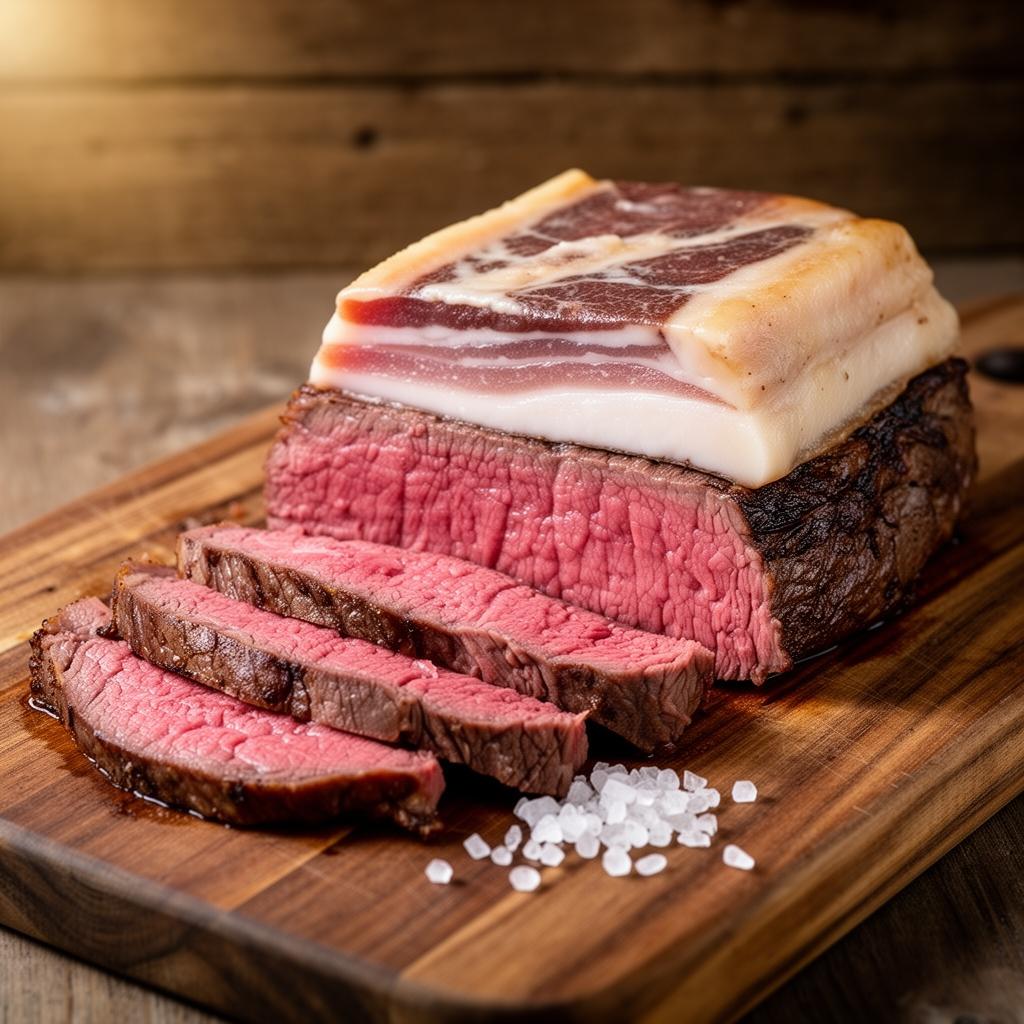
Picanha — the Brazilian churrasco cut known in the US as "sirloin cap" or "rump cap" — is one of the most flavorful, underrated beef cuts you can buy. Traditional Brazilian preparation involves threading thick steaks onto giant skewers and rotating them over open charcoal. The Traeger version simplifies the process: smoke the whole roast at 225°F to 120°F internal, baste with Traeger Que Sauce, finish to 135°F medium-rare, rest 15 minutes, and slice thin across the grain. Total time: about 1.5 hours. The result is restaurant-quality Brazilian steakhouse beef at home for roughly half the cost of a comparable ribeye.
The Recipe
Traeger Smoked Picanha
Rated 4.9 — based on 147 reader ratings
Prep Time
10 minutes
Cook Time
1.5 hours
Rest Time
15 minutes
Serves
4-6 people
Smoker temp: 225°F (no Super Smoke needed)
Pull temp: 130°F internal (finishes 135°F after rest)
Recommended pellets: Oak, Hickory, or Mesquite
Share this recipe:
The Cut Explained
What Is Picanha? (And Why It's Worth Hunting For)
The most popular cut of beef in Brazil — and still relatively unknown in American grocery stores. Here's what makes it special and where to find it.
Picanha (pronounced pee-KAHN-ya) is the top of the rump, specifically the sirloin cap — a triangular muscle sitting on top of the top sirloin with a thick fat cap still attached. In Brazil, it's the primary cut served at churrascarias (Brazilian steakhouses) and gets cooked on giant skewers rotated over open fire.
In the United States, picanha has been historically cut up and sold as top sirloin steaks (fat cap removed). That's starting to change. As Brazilian BBQ grows in popularity, more American butchers stock whole picanha under names like "sirloin cap," "rump cap," or "culotte."
Why it's special
The triangular shape, thick fat cap, and lean-but-tender muscle below create a cut with intense beef flavor at a price significantly below ribeye or strip loin. A whole picanha runs $10-18 per pound at specialty butchers, compared to $20-35 for ribeye. The flavor-per-dollar ratio is exceptional.
Where to find it
Costco sometimes stocks whole picanha (labeled "sirloin cap"). Brazilian specialty butchers carry it reliably. Snake River Farms and Crowd Cow sell wagyu picanha online. Most US grocery stores do NOT stock whole picanha — if you see "top sirloin," ask the butcher if they have whole sirloin cap with fat cap intact in the back.
Important:
Do not cut the fat cap off. Many American butchers will try to trim the fat cap before selling you the cut. Politely decline. The fat cap is what makes picanha picanha — trimming it transforms the cut into just a boring top sirloin. Score the fat cap for better rendering, but keep it on.
Before You Start
What You'll Need
A whole picanha with fat cap intact, coarse salt, and a BBQ sauce for the baste. This is one of the simpler recipes in the book.
The Ingredients
Brazilian Authenticity Note
In Brazil, picanha is traditionally seasoned with nothing but coarse sea salt — sometimes called "sal grosso." The fat cap provides all the flavor enhancement needed. If you want to go traditional, skip the rub and use only salt. The smoke flavor from the Traeger compensates for the lack of a pepper/garlic rub.
The Equipment
Picanha doesn't require specialty equipment. No skewers, no cast iron, no GrillGrates. A standard Traeger with a meat thermometer is all you need. This is why the recipe scales so well — anyone who owns a pellet grill can make it.
Step by Step
How to Smoke Picanha on a Traeger
Six steps. The Traeger does the cooking; you do the prep, the baste, and the slicing. Done in about an hour and a half.
- 1
PREP
Score the fat cap and season
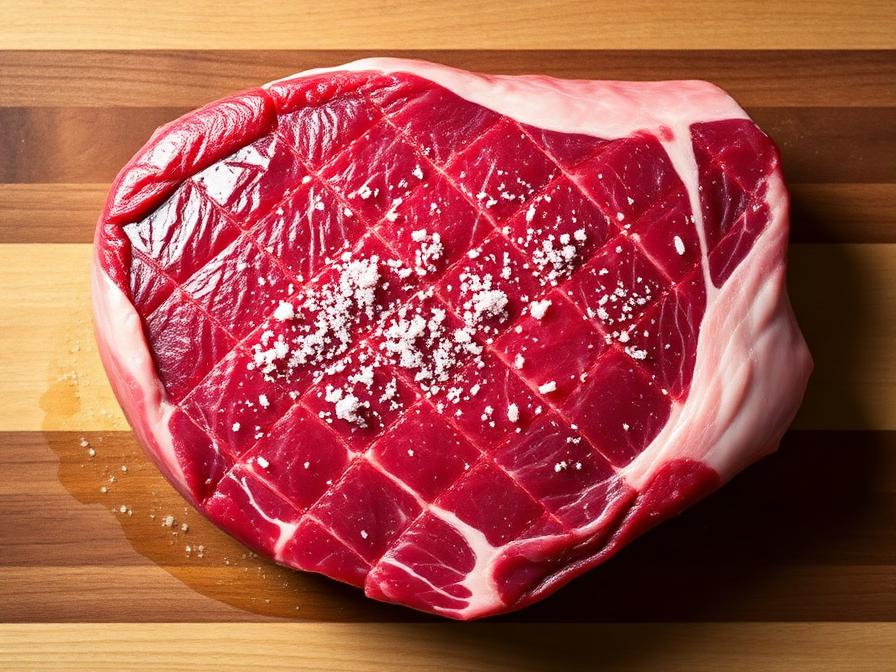
Pat the picanha completely dry with paper towels. If there's any silver skin peeking out from under the fat cap, trim it away — silver skin doesn't render and makes the fat cap tough. But do NOT remove the fat cap itself.
Using a sharp knife, score the fat cap in a cross-hatch pattern. Cut about 1/4 inch deep — through the fat but not into the meat. The cross-hatch pattern creates channels for the fat to render down into the meat during cooking, and for smoke and seasoning to penetrate.
Generously salt the entire picanha — fat cap, underside, all edges. Coarse kosher salt works best. If using rub, apply lightly (salt remains the primary seasoning). Let the seasoned picanha rest at room temperature for 20-30 minutes while the Traeger preheats.
Time: 10 minutes active + 20-30 minute temper
- 2
PREHEAT
Preheat the Traeger to 225°F
Fire up the Traeger and set it to 225°F with the lid closed. There's no need for Super Smoke mode on this cook — the picanha is on the grill for only 1.5 hours, and standard smoke delivery is sufficient.
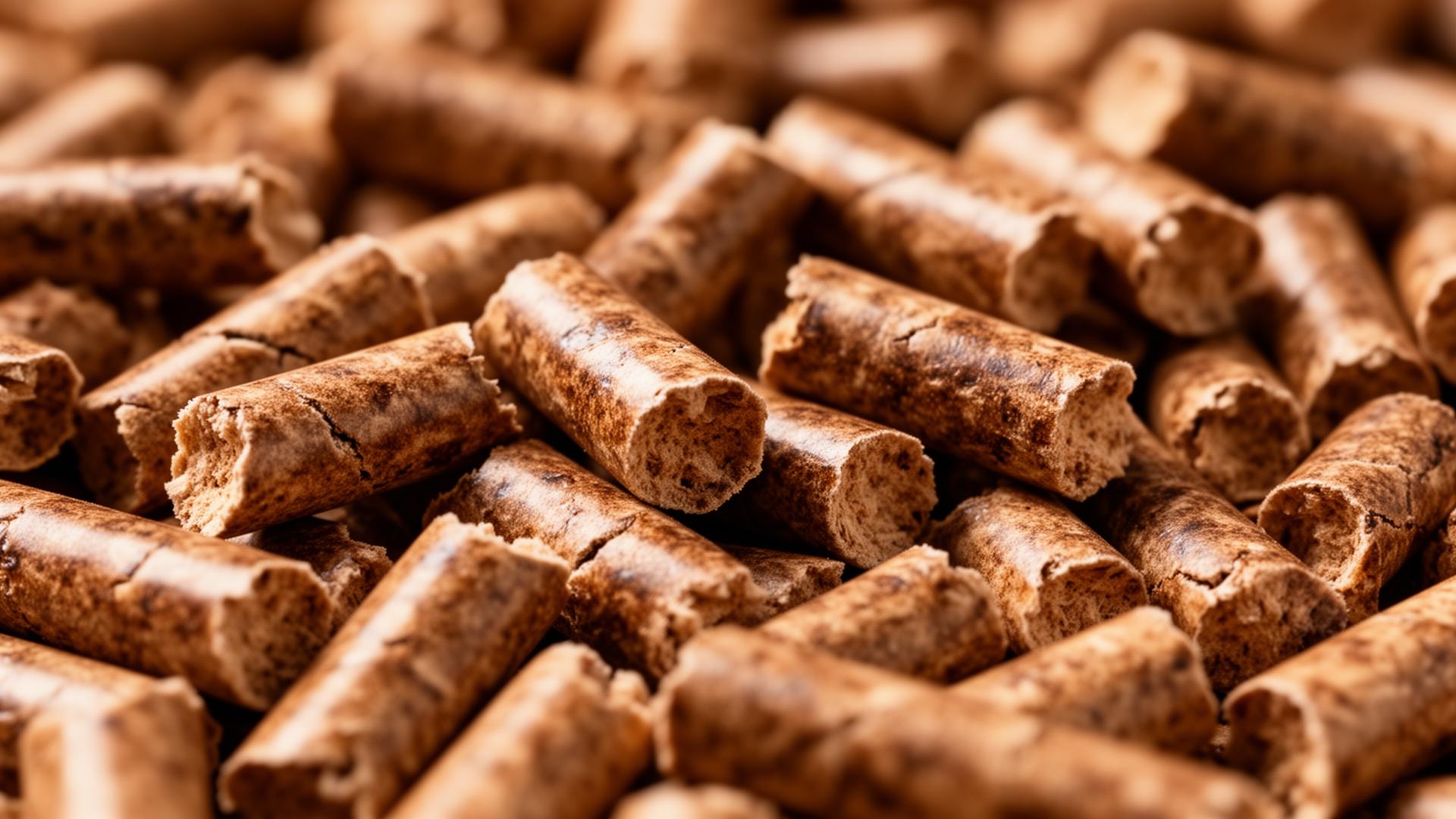
Recommended pellets: Oak for balanced flavor (Brazilian traditional), Hickory for classic BBQ smoke, or Mesquite for bolder flavor that can handle the fat cap's richness. Traeger Signature Blend also works if you don't want to think about it.
Time: 15 minutes preheat
- 3
SMOKE
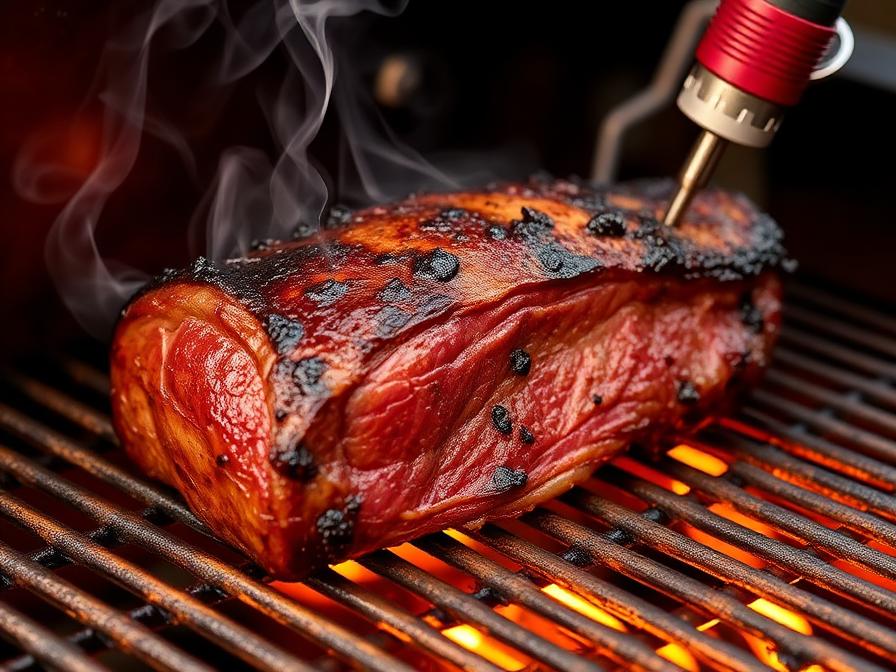
Place picanha fat-side-DOWN and smoke to 120°F
This is the step most recipes get wrong. Place the picanha fat-side-down on the grill grates — not fat-side-up.
Why? The fat cap sits directly above the drip tray, which becomes the hottest zone in the grill. Fat-side-down means the fat cap renders efficiently during the entire smoke, basting the meat above in its own drippings. Fat-side-up leaves the fat mostly unrendered and keeps smoke from penetrating the meat fully.
Insert your thermometer probe into the thickest part of the meat (the fatty “nose” of the triangular cut). Close the lid. Walk away.
At 225°F, a 2-3 pound picanha reaches 120°F internal in approximately 45-60 minutes. Check temperature at the 45-minute mark.
Time: 45-60 minutes
- 4
BASTE
Flip fat-up and baste with BBQ sauce
When internal temperature hits 120°F, open the lid. Flip the picanha fat-side-UP for the final phase. Brush the fat cap with Traeger Que Sauce (or a similar savory BBQ sauce) — about 2-3 tablespoons covering the entire scored fat cap.
Important: use savory, not sweet. Traeger Que Sauce, Head Country Original, or Stubb's Original Legendary all work. Sweet Baby Ray's will burn at 225°F for the final 30 minutes. The sugar in sweet sauces can't handle sustained smoker temperatures — you'll end up with bitter, acrid exterior.
Reinsert the thermometer. Close the lid.
Time: 2-3 minutes
- 5
FINISH
Close lid, finish to 130°F
Continue smoking at 225°F until internal temperature reaches 130°F. For a 2-3 pound picanha, this typically takes 20-30 more minutes after the baste.
Critical temperature window: pull the picanha at 130°F. Carryover cooking during the 15-minute rest brings it to 133-135°F — perfect medium-rare. If you pull at 135°F, the final temp after rest will be 138-140°F (starting to dry out). If you pull at 125°F, you get rare (acceptable for some; too rare for most).
130°F is the sweet spot. The fat cap will be beautifully rendered, the crust will have good color from the BBQ sauce, and the interior will be rosy-pink from edge to center.
Time: 20-30 minutes
- 6
REST
Rest 15 minutes, slice thin ACROSS the grain
Remove the picanha from the smoker when it hits 130°F. Tent loosely with foil. Rest for 15 minutes — shorter than pulled pork or brisket because picanha isn't a collagen-heavy cut.
During the rest, internal temperature climbs to 133-135°F. Juices redistribute through the muscle fibers.
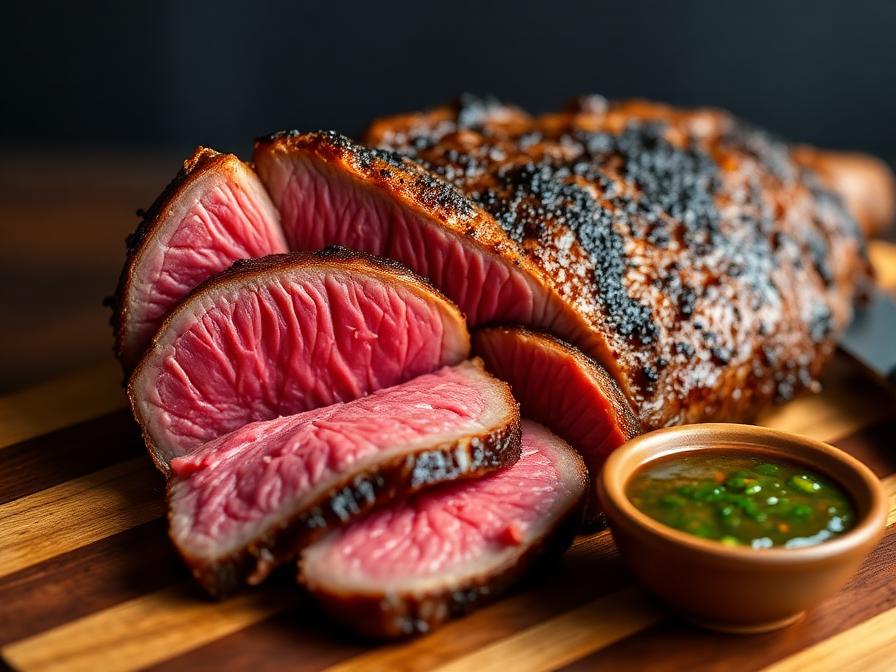
Slicing technique: identify the direction of the muscle grain (long fibers running through the cut), then slice PERPENDICULAR to those fibers. Cut 1/4 inch thick for steakhouse-style slices, or 1/8 inch thick for Brazilian-style carpaccio-thin portions.
The fat cap gets sliced along with each piece — don't separate it. The fat cap IS the flavor of picanha. Serve with chimichurri sauce (traditional), farofa (Brazilian side), or just simple roasted potatoes.
Time: 15 minutes rest + 5 minutes slicing
The Technique
Fat-Side-Down vs Fat-Side-Up: Why Direction Matters
This recipe cooks picanha fat-side-down for the first hour. Most competing recipes say fat-side-up. Here's why we disagree.
The conventional wisdom for smoking beef is "fat-side-up" — the idea being that the fat renders down into the meat below, basting it naturally. For cuts like brisket, this makes sense because the fat cap is on the side that bears gravity during the cook.
For picanha, fat-side-down works better during the smoke phase for three specific reasons:
- 1The drip tray is the hot zone. On Traegers (and most pellet grills), the drip tray/deflector under the grates is the hottest surface in the grill. Placing the fat cap directly above that hot zone renders fat efficiently. Fat-side-up leaves the fat cap exposed to ambient smoke temperature — enough to warm it, not enough to render it.
- 2Rendered fat flavors the meat. As the fat cap renders downward on the grate, the rendered fat coats the meat resting above it, self-basting throughout the smoke. Fat-side-up means the fat renders off into the grease tray entirely, with no benefit to the meat.
- 3Crust formation happens during the baste phase. You flip to fat-side-up at 120°F for the BBQ sauce baste and the final smoke phase. This is when the sauce caramelizes on the fat cap surface, forming the mahogany crust that makes sliced picanha visually stunning.
Fat-side-down for the smoke, fat-side-up for the finish. This two-stage flip is what separates good Traeger picanha from great Traeger picanha.
Pellet Selection
The Best Pellets for Smoked Picanha
Brazilian tradition uses oak and charcoal. American pellet grills open up more options. Here's what works best for this cut.
Oak (Brazilian Traditional)
Clean, balanced smoke that lets the beef's natural flavor come through. Traditional Brazilian churrasco uses oak or quebracho wood. On a 1.5-hour cook, oak delivers just the right smoke intensity — noticeable but not overpowering. The authentic choice.
Best for: Authenticity, balanced flavor
Hickory (Classic BBQ)
Stronger, slightly sweet smoke with classic American BBQ character. Works beautifully with the BBQ sauce baste since both flavors complement each other. The most popular pellet choice for Traeger picanha in the US.
Best for: Bold smoke flavor, BBQ-style picanha
Mesquite (Bold Smoke)
The most intense of the three options. Mesquite can overpower delicate cuts but stands up well to picanha's thick fat cap and robust flavor. Use if you want maximum smoke punch in a short cook. Brazilian purists may object, but it produces excellent results.
Best for: Maximum smoke flavor, bold finish
What to Avoid
- •Apple alone: too subtle for beef; better on pork
- •Cherry alone: similar issue — too mild for picanha's robust flavor
- •Pecan: works but less traditional for beef
The Gear I Use
Essential Gear for Traeger Picanha
Three tools that separate restaurant-quality picanha from a decent attempt. Nothing fancy.
Instant-Read Meat Thermometer
15°F is the entire medium-rare window for picanha. A fast-reading thermometer (ThermoWorks Thermapen ONE at $109 or Thermopop at $35) tells you when to baste, when to pull, and when to stop worrying. Without one, you're guessing — and guessing wrong on picanha means overcooked beef.
Shop instant-read thermometers →Sharp Slicing Knife
Picanha must be sliced thin across the grain. A long-bladed slicing knife (Victorinox Fibrox 12-inch at $50) makes clean thin slices. Butcher's knives work; standard chef knives don't slice thin enough for this cut.
Shop slicing knives →Oak or Hickory Pellets
Oak for Brazilian-traditional flavor, hickory for BBQ-style. Traeger, Bear Mountain, or Lumberjack all make quality oak pellets. A 20-pound bag is overkill for a single cook — buy in bulk if you cook regularly.
Shop oak pellets →Savory BBQ Sauce
Traeger Que Sauce, Head Country Original, or Stubb's Original Legendary for the baste. Not Sweet Baby Ray's — sugar burns at smoker temperatures. The right sauce creates a mahogany crust; the wrong one creates bitter exterior.
Shop BBQ sauces →Avoid These
6 Common Picanha Mistakes
Six mistakes between you and restaurant-quality picanha. All preventable.
Mistake 1: Buying picanha with the fat cap removed
Most American butchers trim the fat cap off whole picanha before displaying it, selling it as “top sirloin” or “sirloin cap steak.” A picanha without its fat cap is just a top sirloin — boring, ordinary, and losing most of the cut's character. Always ask for WHOLE picanha with fat cap intact. If the butcher looks confused, ask for “sirloin cap with fat cap still on.” Costco sometimes stocks it; Brazilian butchers almost always do.
Mistake 2: Cooking past 140°F internal
Picanha is a lean cut with the fat cap on top — most of the meat below has only modest intramuscular fat. Above 140°F, the lean portion dries out while the fat cap renders out. Pull at 130°F, let carryover cooking bring it to 133-135°F during the rest. Do not exceed this window.
Mistake 3: Skipping the fat cap score
An unscored fat cap renders unevenly. Some spots render and crisp; others stay thick and rubbery. Cross-hatch scoring (1/4 inch deep, grid pattern) creates channels for heat to enter the fat cap and fat to escape. The result is uniform rendering and a visually impressive cooked roast.
Mistake 4: Smoking fat-side-up the entire cook
Fat-side-up sounds logical — fat renders down, meat self-bastes. But on pellet grills where the drip tray is the hot zone, fat-side-down during the smoke phase renders the fat cap properly. Most competing recipes get this wrong. Start fat-side-down, flip to fat-side-up at 120°F for the baste and finish.
Mistake 5: Slicing with the grain
Picanha's muscle fibers run parallel along the length of the cut. Slicing WITH those fibers gives you long tough strands. Slicing AGAINST them (perpendicular) breaks fibers into short tender pieces. Identify the grain direction first; rotate the roast if needed. This single slicing detail separates tough picanha from tender picanha.
Mistake 6: Using sweet BBQ sauce for the baste
Sweet Baby Ray's and similar sugar-heavy sauces burn at 225°F smoker temperatures. The result is bitter, acrid exterior flavor that ruins the mahogany crust. Use savory or spicy sauces only — Traeger Que Sauce, Head Country Original, Stubb's Original. Even plain Worcestershire sauce works better than sweet BBQ sauce for this application.
What to Serve With It
6 Ways to Serve Traeger Picanha
Picanha is rich and flavorful. The best sides play a supporting role — simple, bright, or starchy.
1. Classic Brazilian
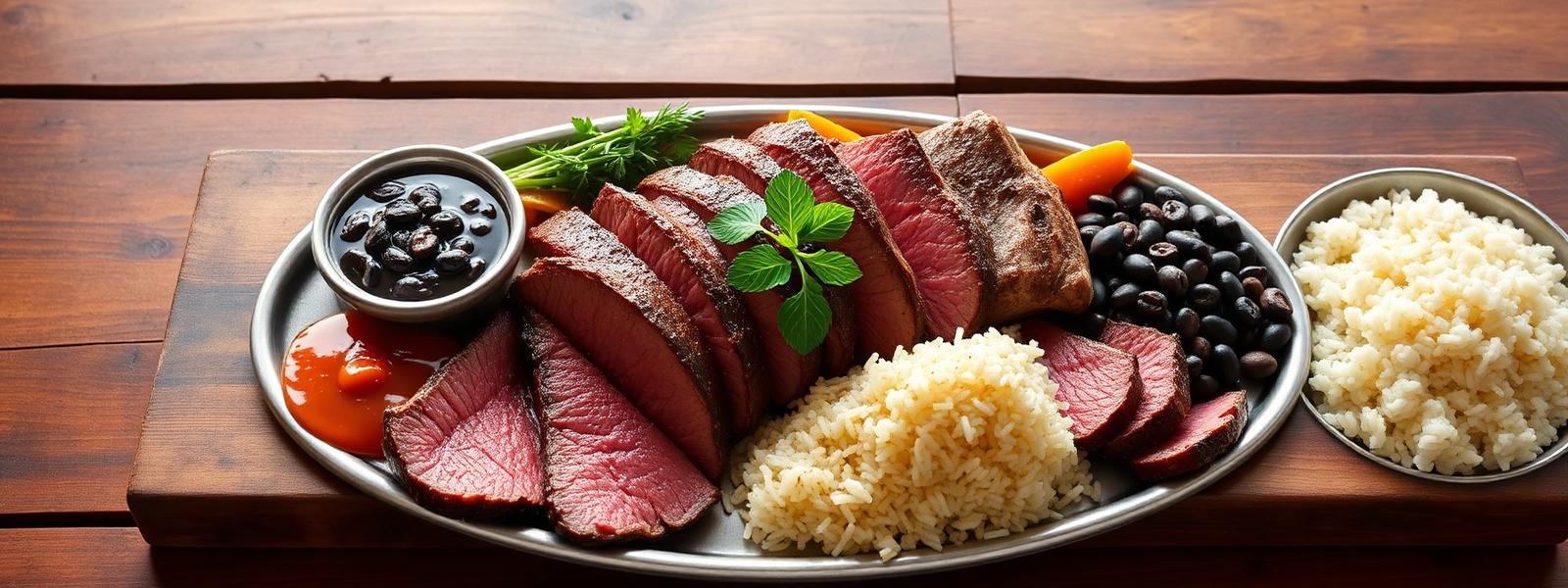
Sliced picanha with chimichurri, farofa (cassava flour side), black beans, rice.
2. Steakhouse Style
Thick slices with compound butter, roasted potatoes, grilled asparagus, red wine jus.
3. Picanha Sandwich
Brioche bun, thin slices, chimichurri, arugula, pickled red onion.
4. Churrasco Platter
Sliced on a wooden board with provoleta cheese, grilled vegetables, salsa criolla.
5. Picanha Tacos
Corn tortilla, sliced beef, cotija, cilantro, lime, hot sauce.
6. Picanha Pizza
Neapolitan pizza base, sliced beef, arugula, parmesan, balsamic drizzle.
The traditional Brazilian side is farofa — a toasted cassava flour mixture cooked with bacon, onion, and butter. It provides textural contrast to the tender sliced meat. If farofa is unavailable, toasted breadcrumbs or panko with butter and garlic deliver a similar effect. Leftover picanha keeps 3-4 days refrigerated; slice cold for sandwiches the next day.
FAQ